
A slow drain is an early warning that flow is being restricted. The cause may be close to the fixture, deeper in a branch pipe, or in a shared sewer. Acting before the line stops completely can reduce overflow risk and make diagnosis easier.
Start here
One slow basin is often a local problem. Several slow fixtures, toilet gurgling or outside overflow suggest the restriction may be farther downstream.
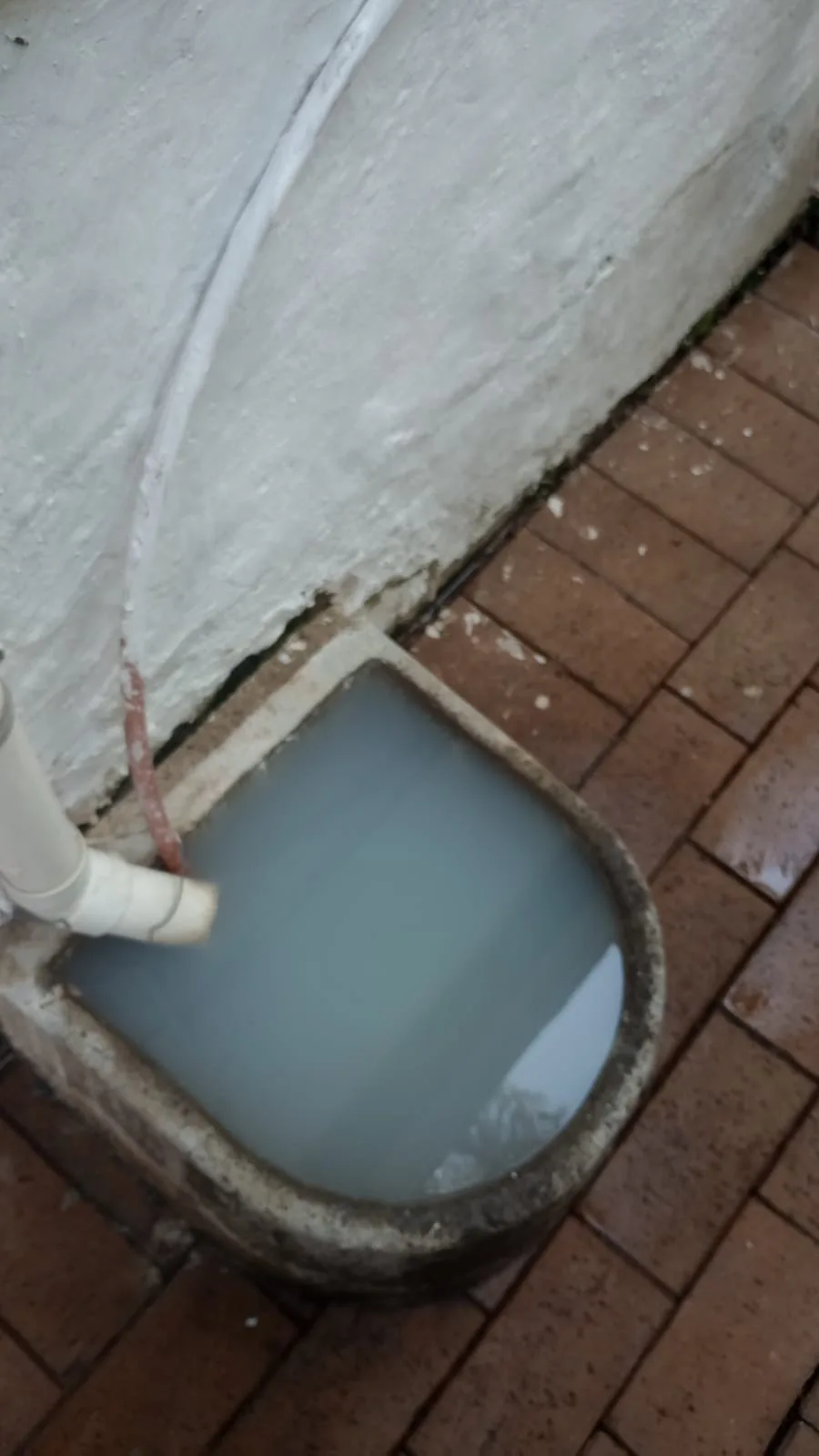
How to recognise the problem
- Water takes longer to clear.
- The fixture bubbles or gurgles.
- Odours appear after use.
- Nearby fixtures react when one drains.
- The problem becomes worse over days or weeks.
Common causes
- Hair, soap and toothpaste residue.
- Grease and food deposits.
- Partial foreign-object obstruction.
- Scale or silt.
- Roots or damaged pipework.
- Poor venting or pipe gradient.
What you can safely check yourself
- Clean the accessible strainer.
- Check and clean a removable trap if you understand how to refit it.
- Compare nearby fixtures.
- Stop using the drain if water begins to back up.
What you should never do
- Do not mix chemicals.
- Do not keep adding water to test an overflowing line.
- Do not dismantle concealed plumbing without isolation and understanding.
When to call a plumber
Arrange professional help when the drain remains slow after simple accessible cleaning, when several fixtures are involved, or when gurgling, sewer smells or outdoor overflow occur.
How we can help
The plumber determines whether the restriction is local or shared, then clears the line with suitable equipment. Recurrent slow flow may justify hydro jetting or CCTV inspection to check for grease, roots, damage or poor gradient.
Reducing the chance of another problem
- Clean strainers regularly.
- Keep grease and food out of sinks.
- Act on early changes in flow.
- Repair recurring structural causes rather than repeatedly clearing symptoms.
Your questions answered
What does a slow drain usually mean?
Flow is restricted by residue, debris, partial obstruction or a problem farther down the branch or main line.
How do I tell local from main-line issues?
One fixture often means local. Multiple fixtures, toilet gurgling or outdoor overflow points farther downstream.
Why does a drain gurgle?
Air is displaced through restricted or poorly vented pipework and can be an early blockage warning.
Can a slow drain clear itself?
Soft material may shift once, but gradual restrictions commonly worsen or return.
Is a slow toilet an emergency?
Not always. Stop using it if the bowl rises, overflow threatens, or other fixtures are affected.
What can I safely clean myself?
Accessible strainers and a removable trap if you know how to refit it. Avoid chemical mixing.
When should I stop DIY?
When flow stays poor after simple cleaning, several fixtures are involved, or smells and backup appear.
How do plumbers clear slow drains?
They confirm local versus shared restriction, then clear with suitable equipment and may recommend jetting or CCTV for recurrence.
How can I prevent slow drains?
Clean strainers, keep grease out of sinks, act early on flow changes and fix structural causes when they recur.
Can Plumb A Nator help with slow drains?
Yes. Contact the team for diagnosis and professional clearing on Gauteng properties.
Want practical advice on slow drains explained?
Tell us how slow drains explained affects your property and we will help plan the right response.