A sink that won’t drain, a toilet backing up or an overflowing outside gully needs attention. We clear blocked drains and explain what’s causing the trouble, including any damaged pipework that needs more than clearing.
We clear the restriction and check how the connected fixtures drain afterwards. If the blockage returns or the pipe is damaged, we explain the next step rather than treating repeated clearing as a permanent repair.
A returning blockage can come from roots, a damaged pipe, or debris farther down the run. Tell us how soon it returned and which outlets back up so we can plan the next inspection.
Is the blockage in one fixture or the main drain?
If only one outlet is slow, the restriction may be close to that fixture. If several outlets gurgle or back up together, we check the shared line.
Can you clear a drain through an existing access point?
Often. An accessible gully, cleanout or inspection chamber can give the team a route into the line. We assess the available access before recommending excavation.
When is a drain camera useful?
A camera can help trace repeat blockages and inspect the condition of the pipe once there is a clear route for it. Ask which part of the line it can reach.
What should I tell the drain cleaner before the visit?
List the affected fixtures, when the problem started, and whether water rises outside or in another room. Mention any chemical cleaner already used.
Should I call a plumber or the City if a sewer is overflowing in Cape Town?
Report an overflow from a street manhole or a sewer on public land to the City of Cape Town. Give the street address and ask for a reference number. For a blockage in your private drain, call a qualified, registered plumber.
Who should I notify if drains are backing up in more than one flat in my sectional title complex?
Notify the body corporate or managing agent promptly and tell them which flats are affected. They can arrange an assessment of the shared drain. The body corporate generally maintains pipes serving more than one unit, subject to the municipality’s rights.
How can a grease trap help prevent repeat blockages in my restaurant’s kitchen drain?
A grease trap captures fats, oils and grease before they build up in downstream pipes. If your restaurant is in Cape Town, the City requires you to install and properly maintain a grease trap. Collect used cooking oil separately for collection by a licensed waste contractor.
◴
Fast ResponseHelp when it matters most.
24
Available 24/7Day or night, we’re ready.
◇
Trusted ApproachClear, honest and professional.
Understanding the problem
Professional Blocked Drain Cleaning for Homes and Businesses
A blocked drain can move from a minor inconvenience to an urgent plumbing problem very quickly. Slow drainage, unpleasant odours, gurgling sounds and water backing up through a shower, basin or toilet usually indicate that waste is no longer moving freely through the system. Our plumbers inspect the symptoms, locate the affected section and select a cleaning method suited to the actual blockage rather than relying on guesswork. For more background, read Why is Timely Drain Cleaning Very Important for Homeowners?.
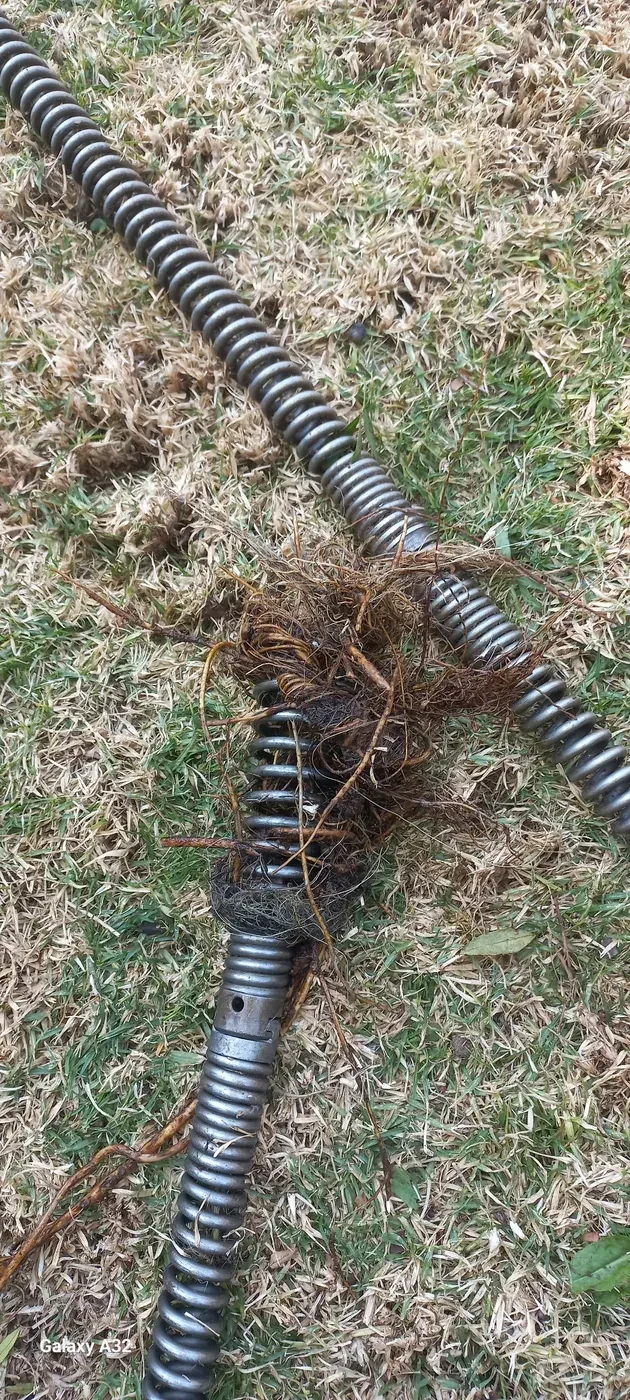
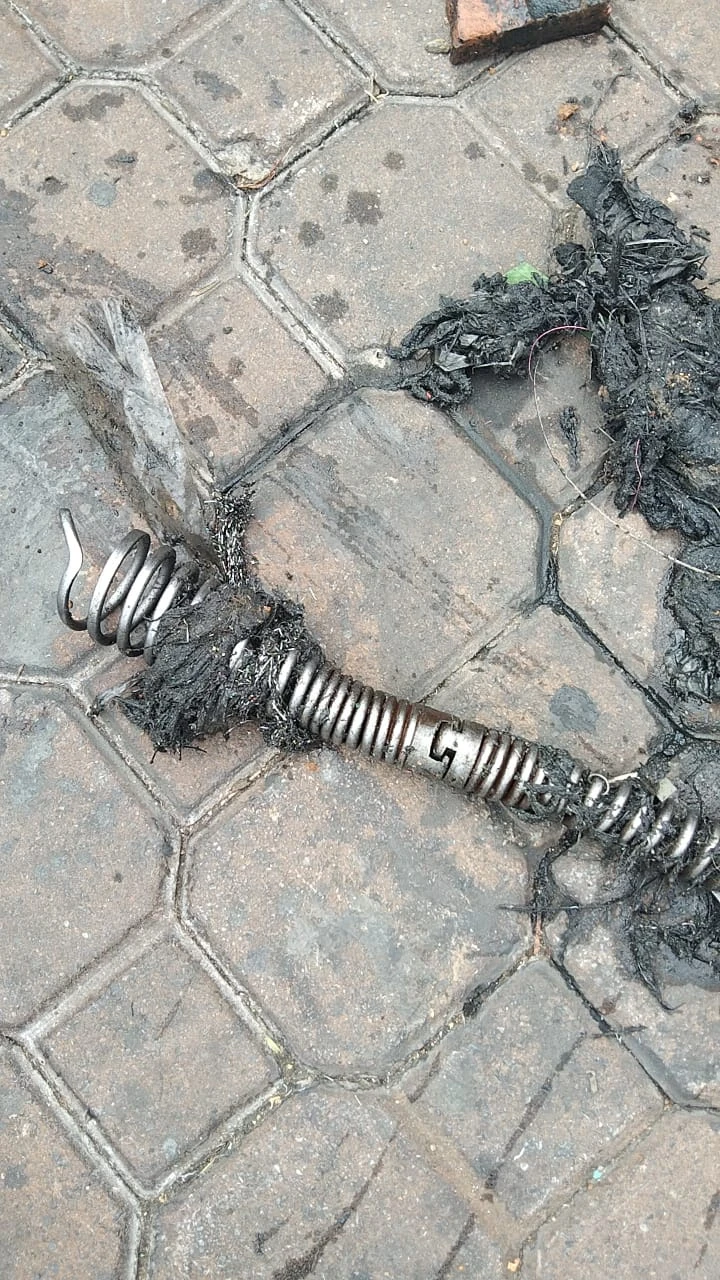
Roots and debris removed with drain-clearing equipment
We used mechanical clearing equipment to remove material from the blocked drain. Roots can hold wipes and other waste together, leaving a dense obstruction that ordinary flushing will not shift. After removal, we check drainage through the connected outlets and explain any pipe damage that needs a separate repair.
What this means for you
We assist with blocked kitchen sinks, bathroom drains, toilets, floor drains, outside gullies and main sewer lines. Every blockage is treated as a diagnosis problem first. The location, condition of the pipework, type of waste and history of repeat blockages all influence the safest and most effective solution. For more background, read Why drain cleaning helps you stay healthy.
Why it is worth fixing
Our goal is not simply to create a temporary opening. We aim to restore dependable flow, reduce the chance of immediate recurrence and explain any underlying defect that may require repair or further inspection.
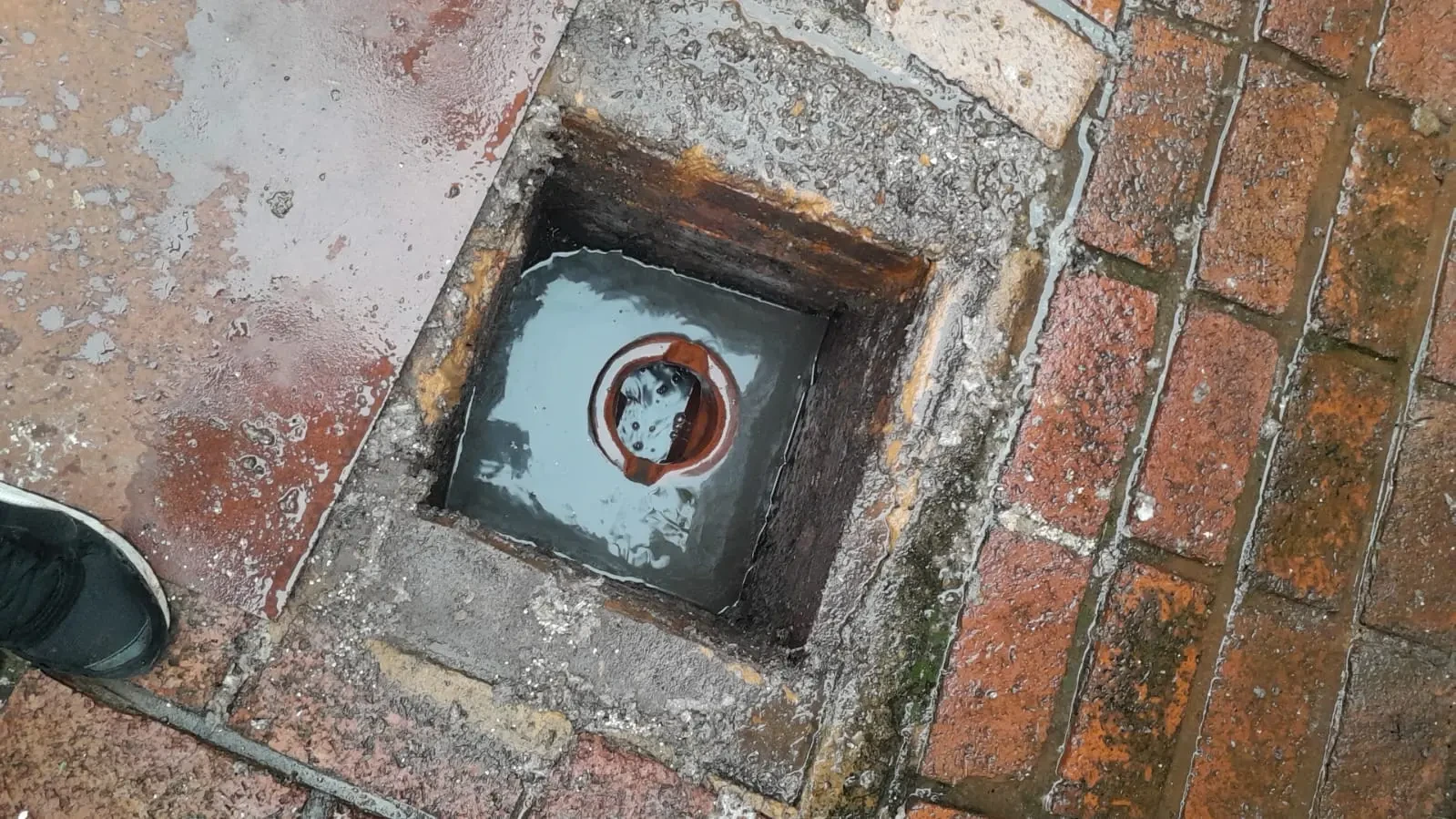
Drain access opened to reach the restriction
We opened this access point to work on the drain. A suitable entry lets us reach the affected run without removing every connected fixture. We check where the water is backing up and choose the direction of clearing from the available access.
Debris cleared from the waste connection
We dealt with the obstruction at this waste connection. Material held in a fitting or bend can stop a fixture draining even when the main sewer is working. We clear the affected section and check the connected outlet before recommending work farther down the line.
Warning signs worth noticing
Common Signs That a Drain Needs Professional Attention
Drains often provide warning signs before a complete overflow occurs. Water may take longer than usual to disappear, bubbles may rise through another fixture or an outside gully may remain unusually full. These signs should be investigated before sewage or dirty water enters living areas.
What this means for you
A single slow fixture may point to a local trap or branch-line restriction. Several affected fixtures usually suggest a deeper blockage in the shared waste or sewer line. Understanding this difference prevents unnecessary work and helps the plumber choose the correct access point. For more background, read Can an emergency plumber fix a blocked drain immediately?.
Why it is worth fixing
Repeated use of harsh drain chemicals can damage finishes, seals and some pipe materials without removing solid obstructions. Professional inspection is safer when the cause is unknown or the blockage keeps returning. For more background, read What should I do if my toilet is blocked?.
Slow Water and Gurgling Sounds
Air trapped behind a restriction can produce gurgling noises as water struggles past the blockage.
Multiple Fixtures Backing Up
When toilets, showers and basins react together, the obstruction may be in a common line rather than one fixture.
Odours and Overflowing Gullies
Persistent sewer smells or waste appearing at an outside gully justify prompt attention.
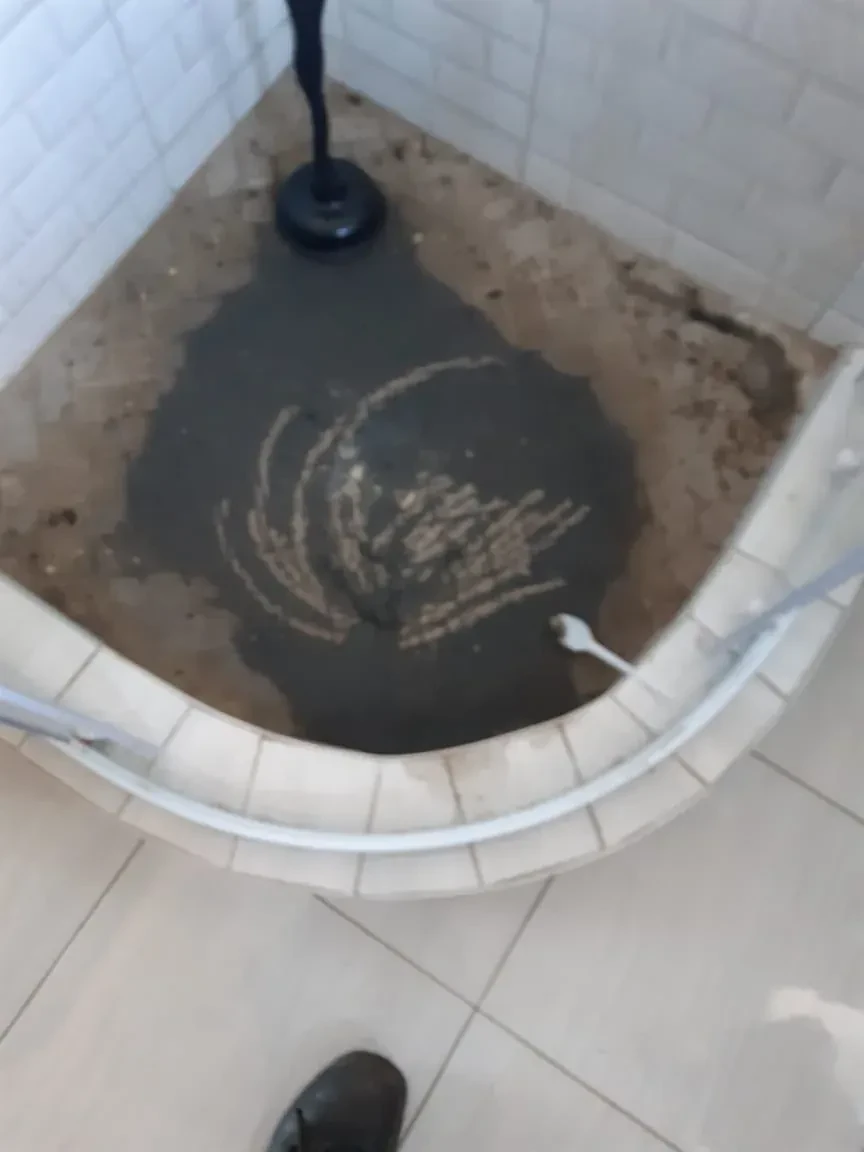
Backed-up shower drainage restored
We worked on the blockage serving this shower. When wastewater rises in the tray, stop using connected outlets until the restriction is cleared. We check whether the problem is local to the shower trap or in the branch it shares with other fixtures.
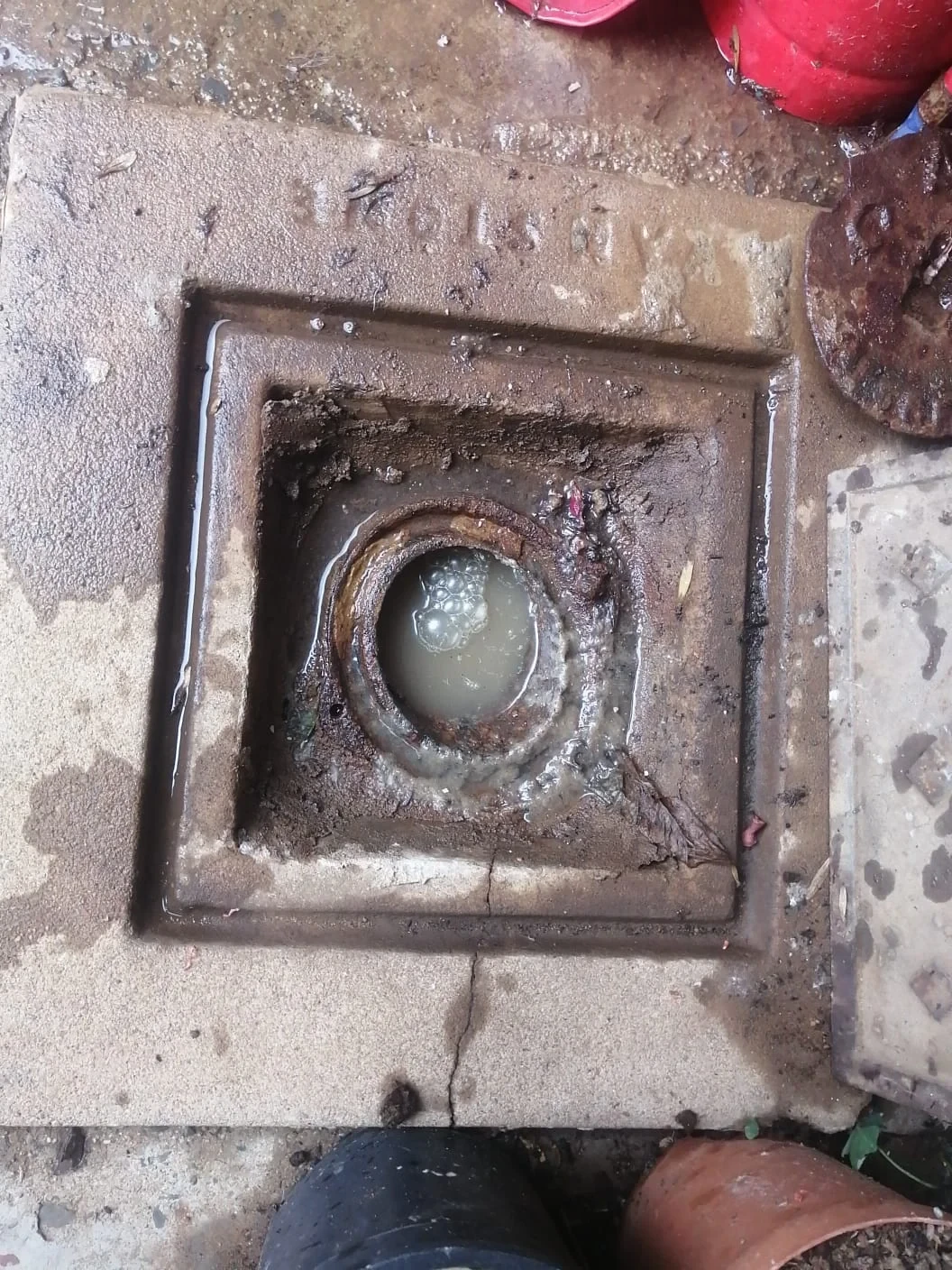
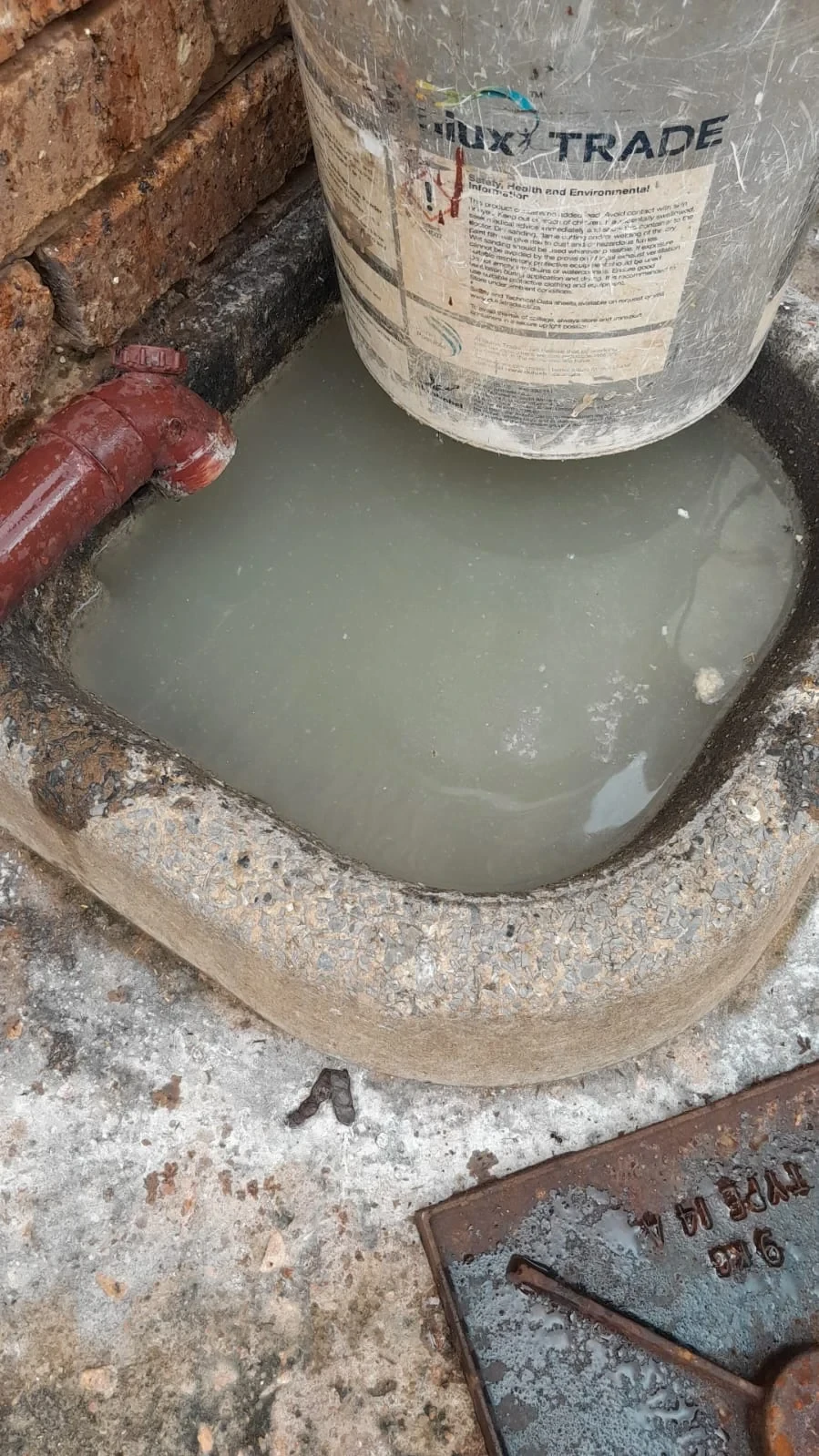
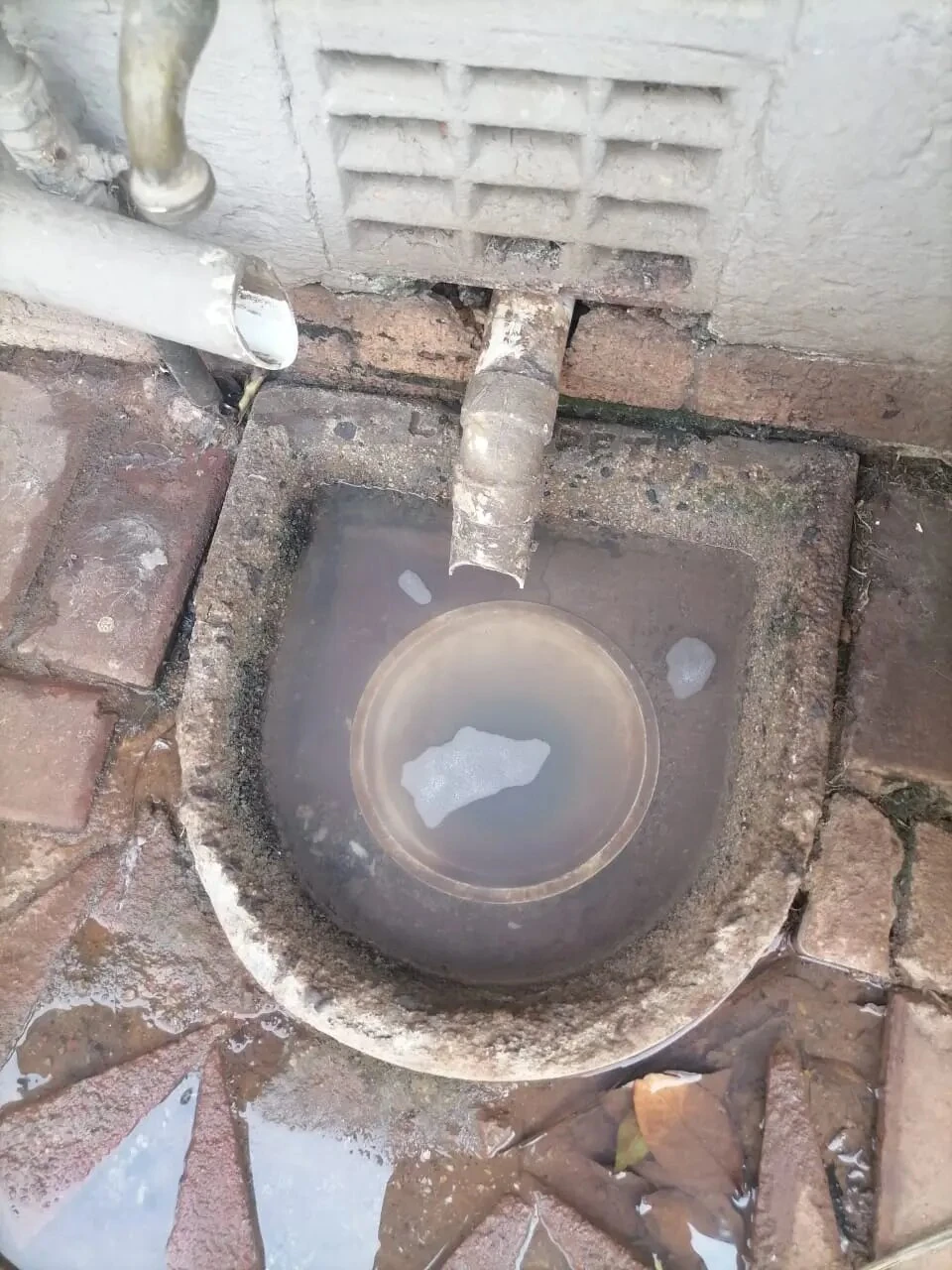
Investigating an outside gully that fills up
We investigate gullies that rise or overflow when the connected fixtures are used. A gully normally holds some water in its trap; the concern is water that backs up instead of draining away. The clearing needs to address the restricted run, not just remove what is visible at the surface.
How the cause is confirmed
How We Diagnose a Blocked Drain
Our plumber starts by asking where the symptoms appear, when they began and whether the blockage has happened before. We then test fixtures and inspect accessible traps, inspection eyes, gullies and sewer access points. This creates a practical picture of the drainage route before cleaning begins.
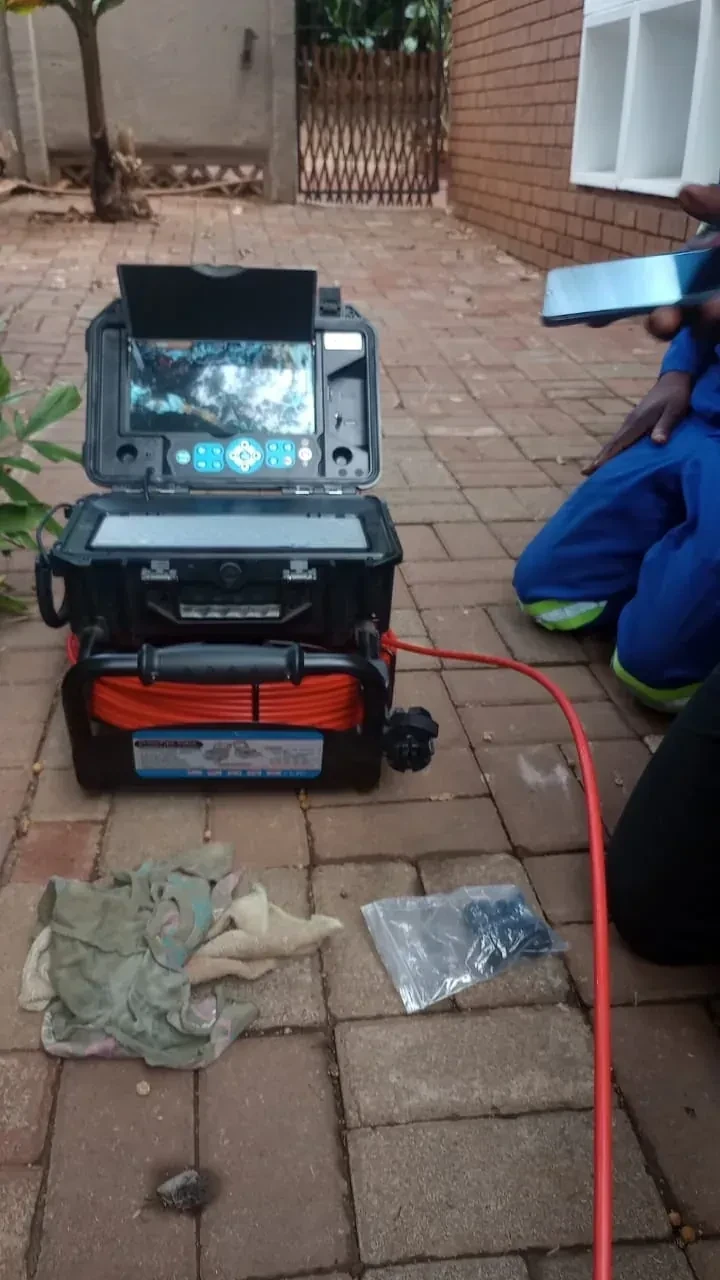
Camera inspection for blockages that keep returning
When a cleared drain keeps blocking, we can inspect an accessible run with a camera. We look for root entry, displaced joints and damage that clearing cannot repair. The line may need clearing first so the camera can reach the section and provide a useful view.
What this means for you
Where the obstruction is straightforward, mechanical drain-cleaning equipment may restore flow efficiently. Where roots, collapsed pipework, heavy scale or a recurring defect is suspected, a video camera inspection may be recommended after the line has been opened sufficiently for viewing.
Why it is worth fixing
Accurate diagnosis protects the property from unnecessary digging and helps separate a one-off obstruction from a structural drainage problem.
Local Blockage or Main-Line Restriction?
The number and position of affected fixtures help identify whether the problem is close to one appliance or further down the system.
When Camera Inspection Adds Value
A camera can reveal cracks, displaced joints, root intrusion, poor falls or objects remaining in the line after cleaning.
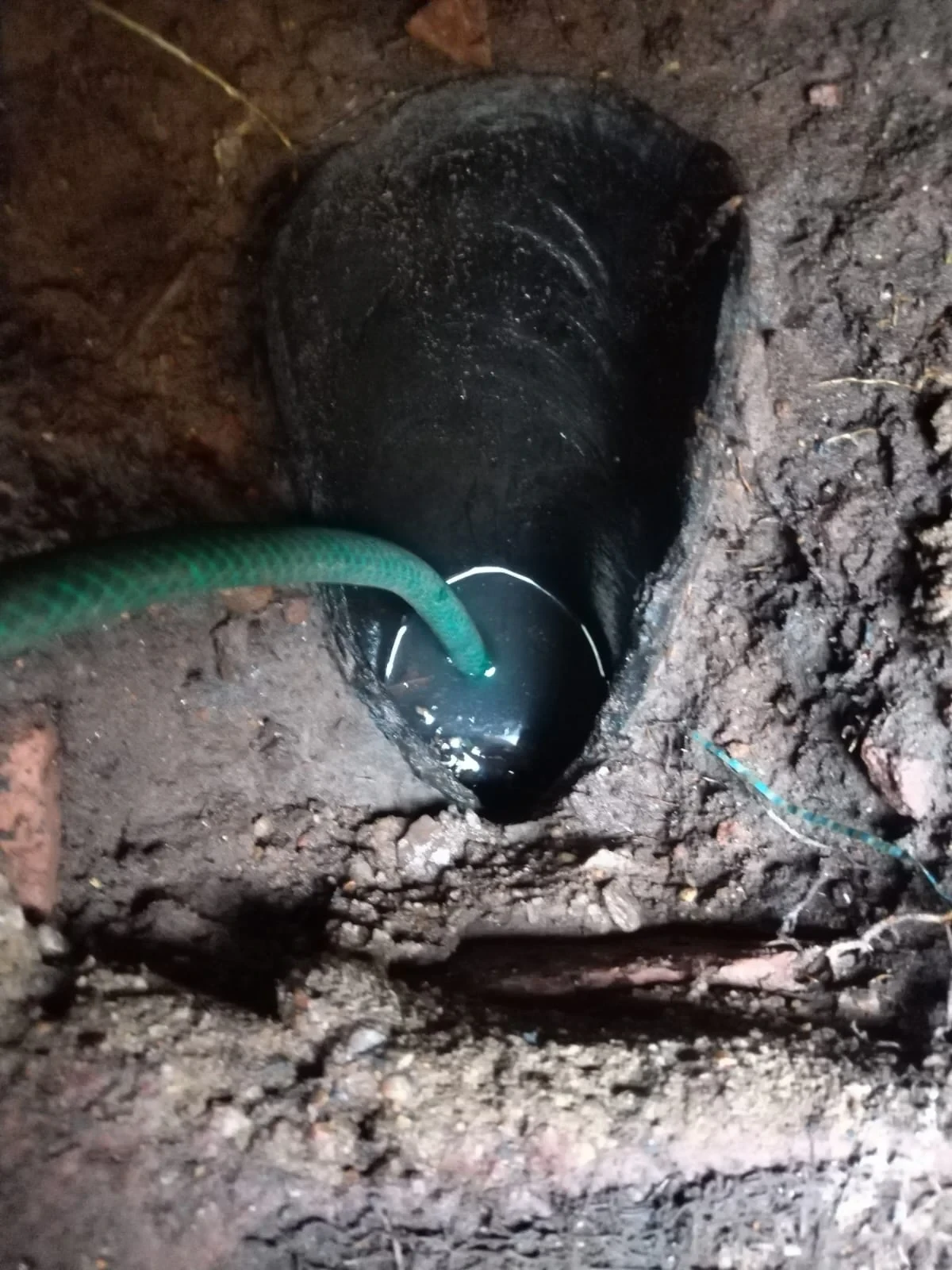
Checking flow through the opened drain
We opened the buried access point and checked water flow through the line. An ordinary water-flow check helps show whether drainage is moving away; it is separate from high-pressure jetting. We choose the clearing equipment according to the obstruction, pipe condition and access.
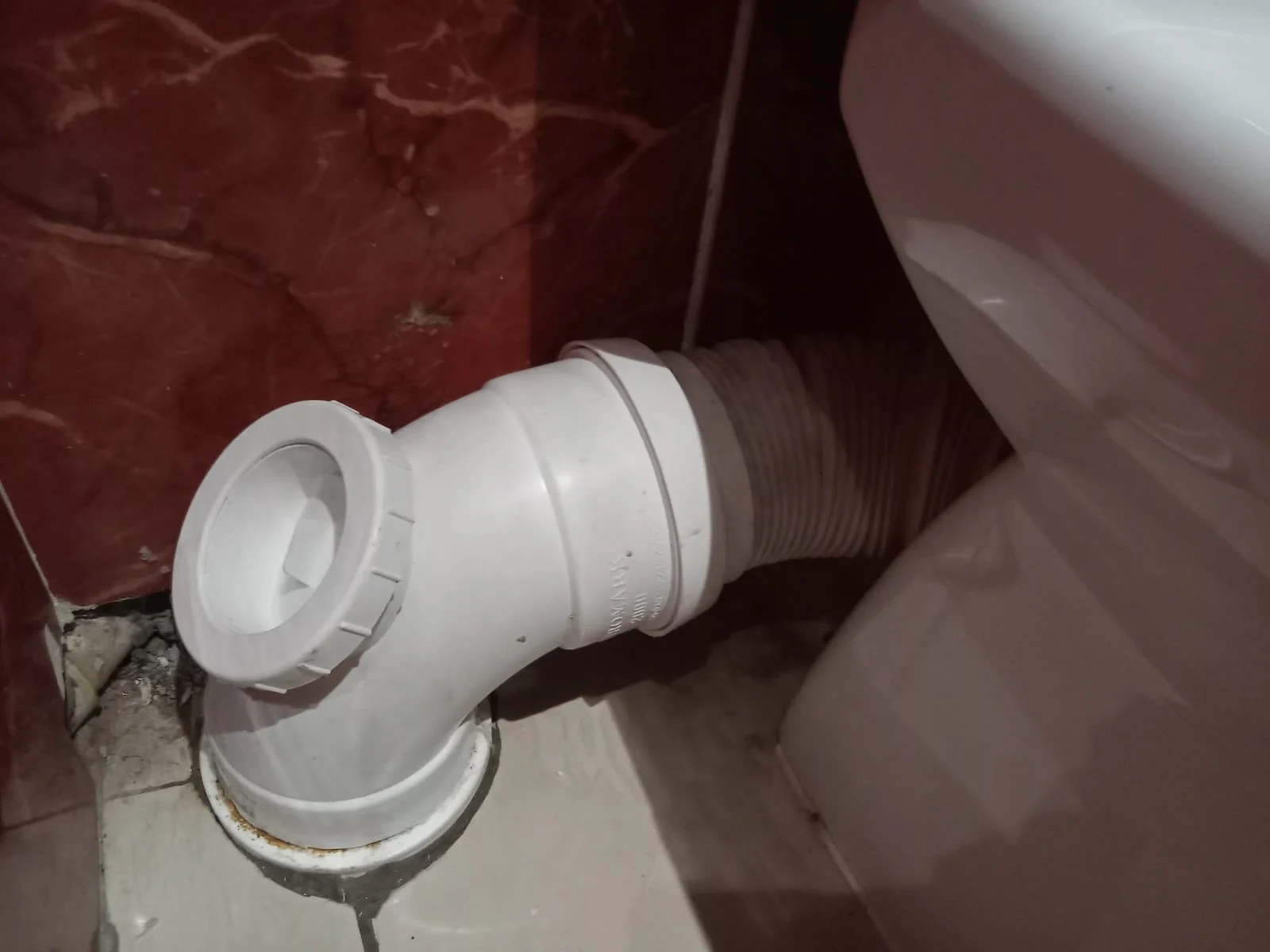
Reaching a toilet blockage through its waste connection
We opened the toilet waste connection to reach the affected section. The access route depends on the fitting and the drain layout; sometimes the pan must be removed to work properly. We refit the connection and check it while flushing before returning the toilet to use.
Repair and replacement choices
Drain Cleaning Methods Selected for the Pipe and Blockage
Different obstructions require different tools. Soft waste, grease, paper, roots and solid objects do not respond in the same way. We choose equipment according to pipe size, access, material and the likely cause so that the line can be cleared without avoidable damage.
What this means for you
Mechanical cables and cutting heads can break through or retrieve certain obstructions. High-pressure water jetting may be suitable for flushing grease, sludge and deposits from robust drainage lines. Manual cleaning remains useful for traps and easily accessible fittings.
Why it is worth fixing
After flow is restored, water is run through the system and nearby fixtures are checked. Where possible, we confirm that waste moves freely rather than stopping as soon as the immediate pressure is relieved.
Mechanical Drain Cleaning
Rotating equipment can open compacted waste and some root or scale restrictions when used from a suitable access point.
High-Pressure Water Jetting
Jetting can scour deposits and move loosened debris through appropriate drainage lines.
Trap and Fixture Cleaning
Some sink and basin blockages can be resolved by cleaning the trap or waste fitting without working on the main line.
Damaged drainage pipe replaced after excavation
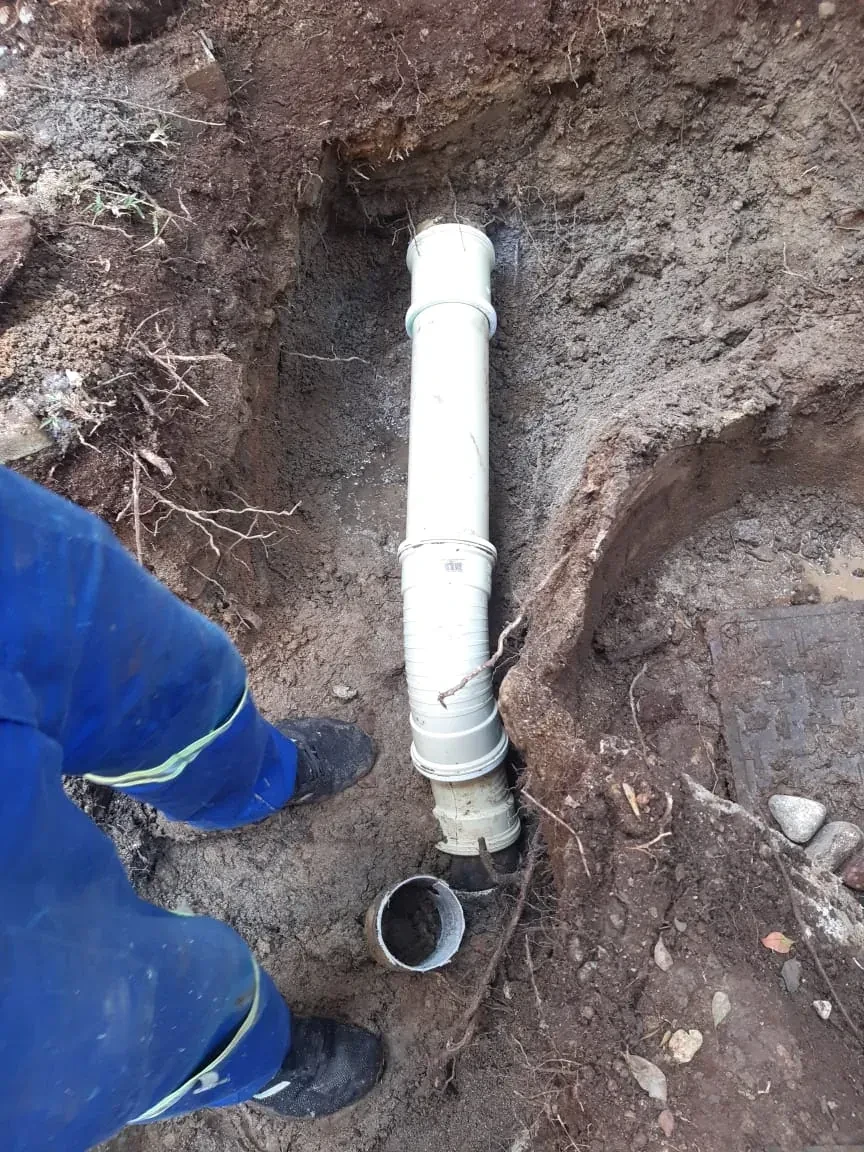
We replaced the affected drainage pipe after opening the ground. Clearing a line cannot correct a broken section or failed joint, so excavation may be needed when structural damage remains. The repair is checked before backfilling and reinstating the agreed surface.
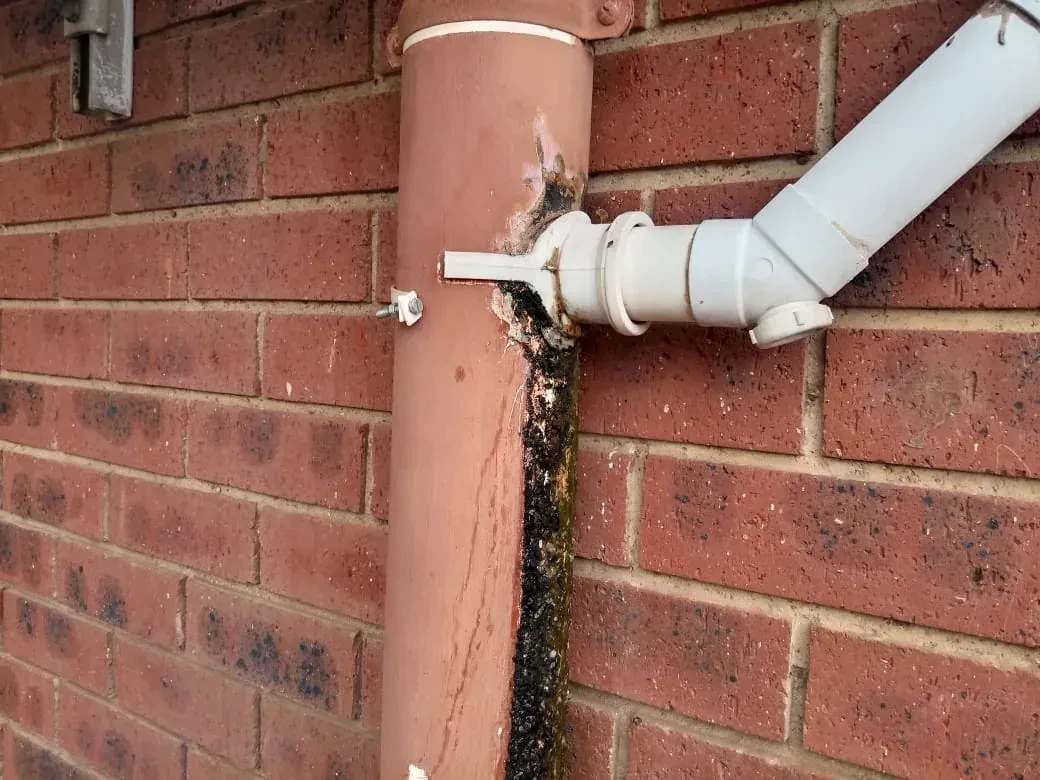
External waste connection repaired alongside the drainage work
We repair damaged external waste connections as well as clearing blockages. A broken joint can leak wastewater and let unwanted material into the line. We replace or repair the affected connection and check the discharge from the fixtures that use it.
What professional work involves
Why Blocked Drains Keep Returning
A drain that blocks repeatedly usually needs more than another quick clearing. Grease buildup, roots, damaged joints, incorrect gradients, foreign objects or an undersized section may continue to trap waste. The blockage returns because the condition that catches debris remains in place.
What this means for you
We explain whether the line appears serviceable after cleaning or whether further investigation is justified. A camera inspection, targeted excavation or replacement of a damaged section may be the responsible next step when repeat callouts are becoming expensive.
Why it is worth fixing
Preventive advice is also tailored to the property. Kitchen waste, sanitary products, excessive paper, building debris and garden roots create different risks and require different controls.
Grease and Food Waste
Fats cool and adhere to pipe walls, gradually narrowing the line and trapping additional debris.
Roots and Damaged Pipe Joints
Roots exploit small openings and can form a dense obstruction inside underground drains.
Incorrect Use of Toilets and Drains
Wipes, sanitary products, cloth and construction waste should never be treated as ordinary wastewater.
Preventing repeat damage
Emergency Drain Cleaning and Damage Control
An overflowing toilet, sewer surcharge or blocked gully can create an immediate hygiene and property-damage risk. Stop using water fixtures that feed the affected line and keep people and pets away from contaminated areas while assistance is arranged.
What this means for you
Where safe, shut off appliance discharge and avoid flushing toilets repeatedly. Additional water often increases the overflow without moving the obstruction. Do not open sealed drainage points unless you understand the pressure and contamination risk.
Why it is worth fixing
Our plumbers prioritise restoring safe flow and containing the immediate problem. Once the emergency is controlled, we explain whether cleaning alone is sufficient or whether repairs should be planned.
What to Do Before the Plumber Arrives
Limit water use, protect nearby belongings and provide clear access to toilets, gullies or inspection points.
When Sewage Has Entered the Property
Contaminated water requires careful cleaning and disinfection after the plumbing fault has been corrected.
Long-term value and confidence
Preventing Future Drain Blockages
Good drainage habits reduce avoidable callouts. Cooking fats should be cooled and placed in waste rather than poured into sinks. Food scraps, wipes, sanitary products, cotton products and building materials should be kept out of toilets and drains.
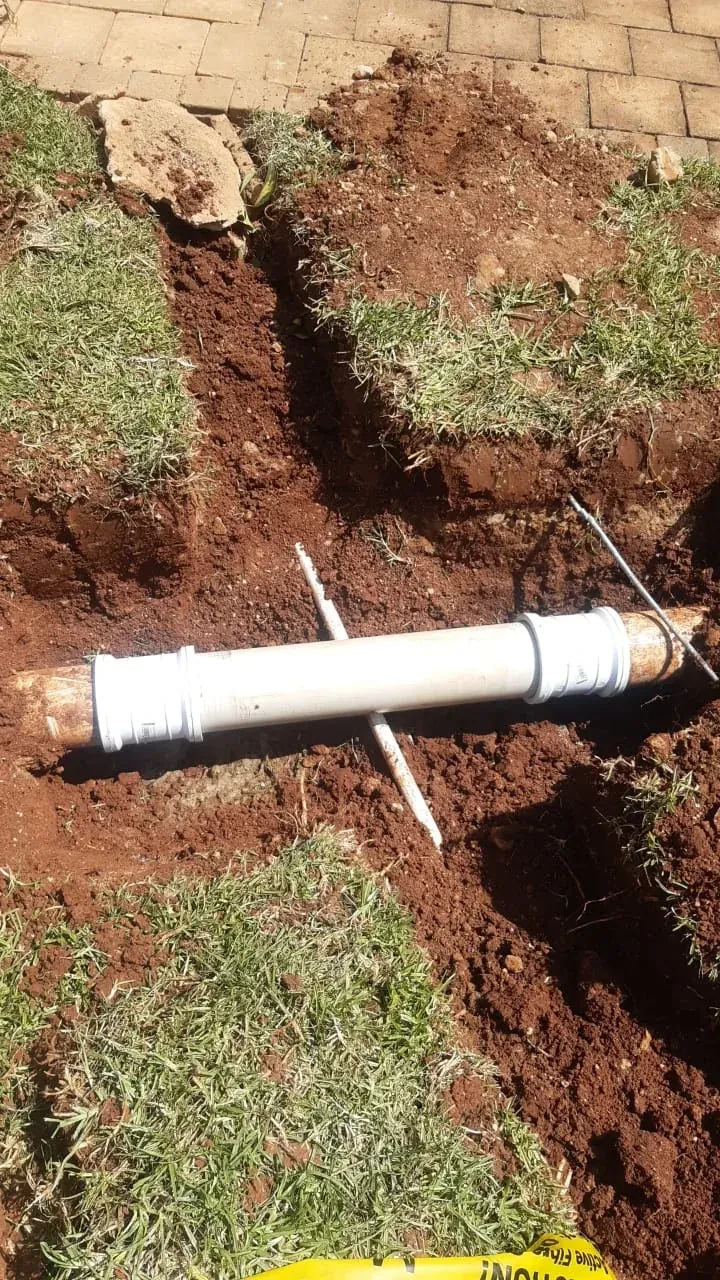
Replacement drain section fitted into the existing run We fitted a replacement section into this underground drain. The connections, support and fall need attention so the new section works with the existing route. We explain the length being replaced and include the agreed excavation and making good in the work.
What this means for you
Outdoor inspection points and gullies should remain accessible and protected from soil, leaves and loose debris. Properties with mature trees or a history of root intrusion may benefit from periodic inspection before a complete blockage develops.
Why it is worth fixing
Prevention cannot correct a broken pipe, but it can reduce the load placed on a serviceable system. We give practical recommendations based on what was found during the cleaning process.
Kitchen Drain Care
Use strainers, remove food waste and avoid sending oil or grease into the waste line.
Bathroom and Toilet Drain Care
Flush only normal toilet paper and human waste, and remove hair from shower and basin strainers.
Maintenance for High-Use Properties
Restaurants, complexes and busy commercial properties may need scheduled cleaning based on usage and previous faults.
Blocked Drain Cleaning — work photographs
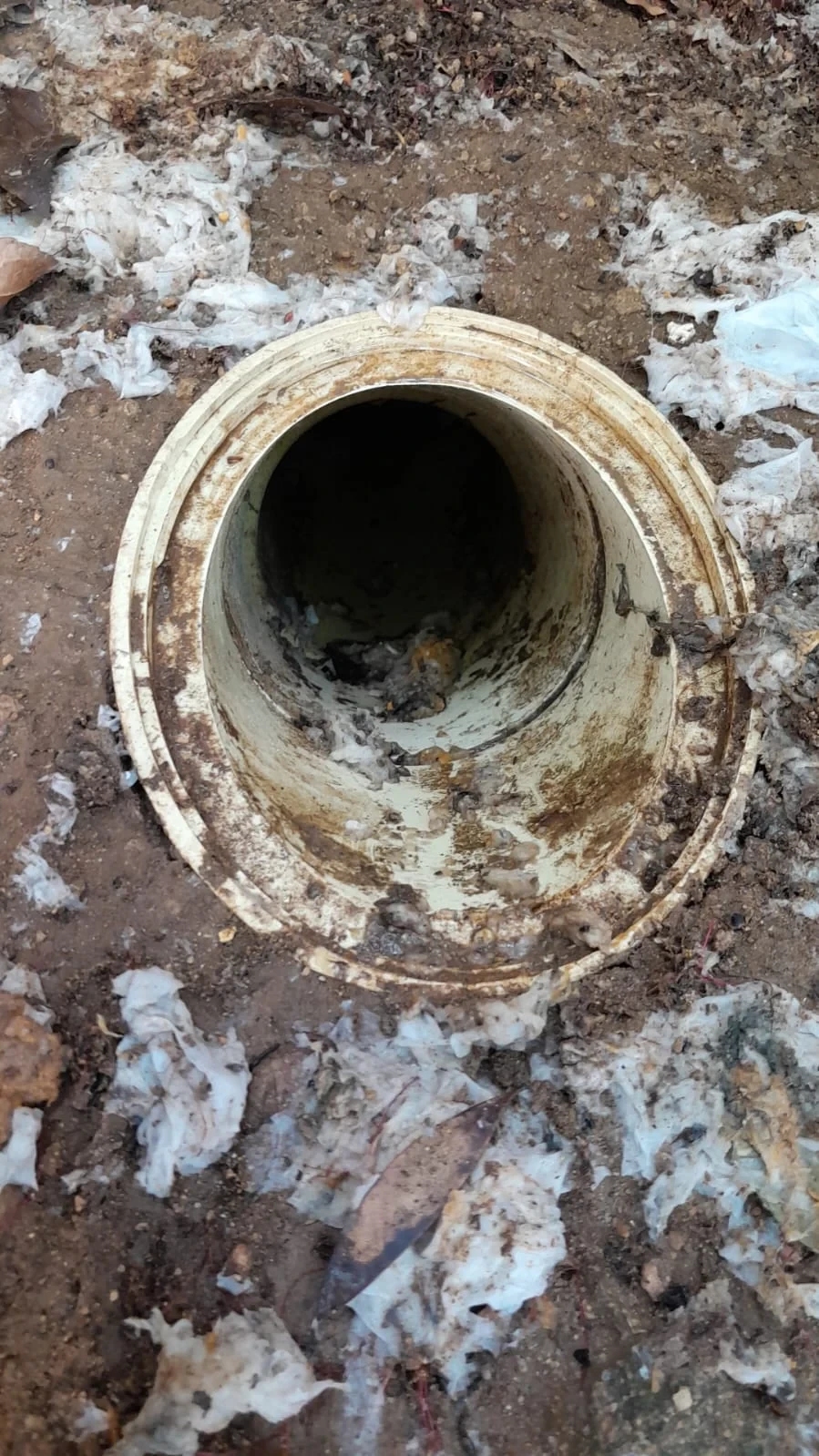
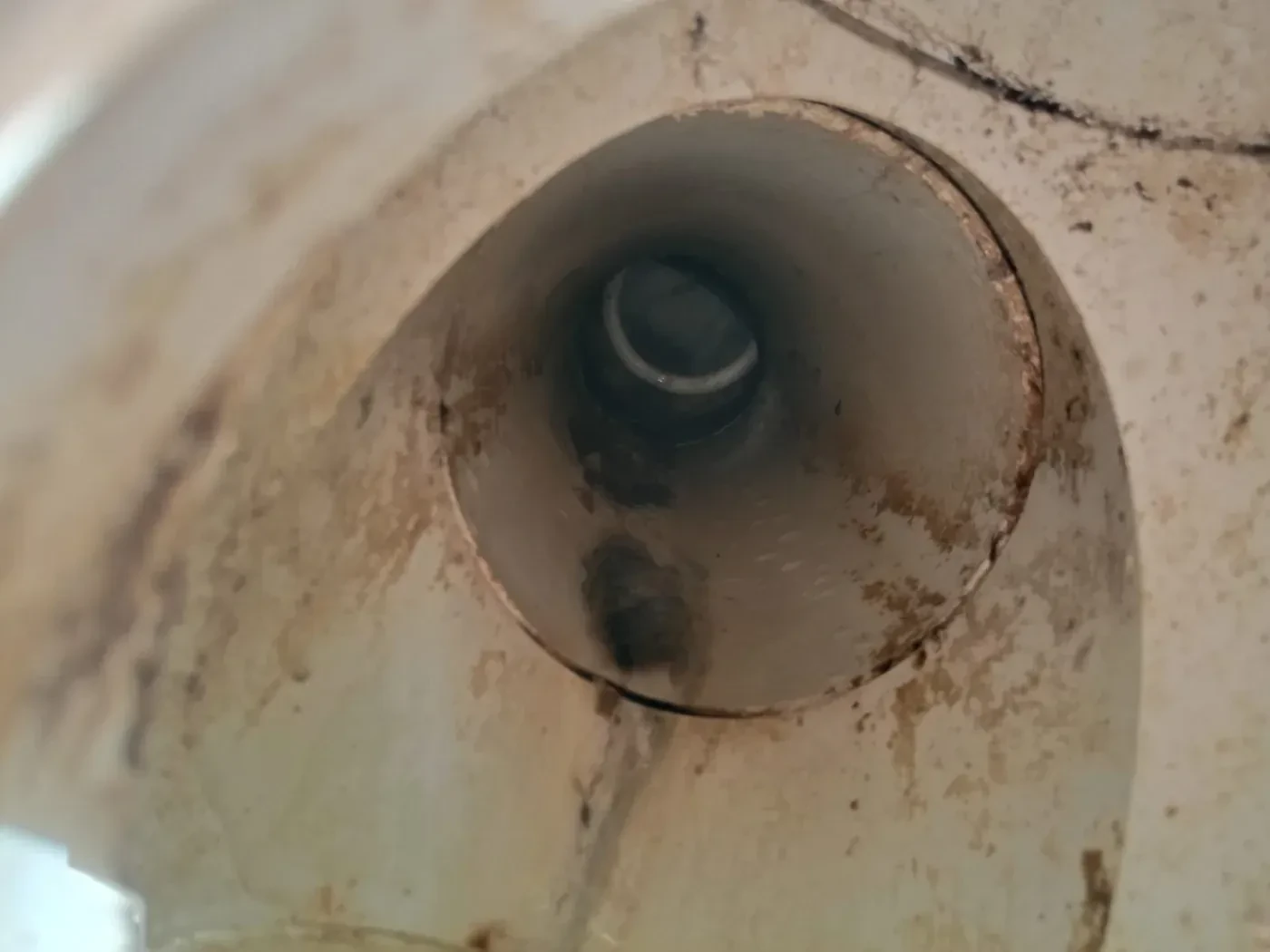
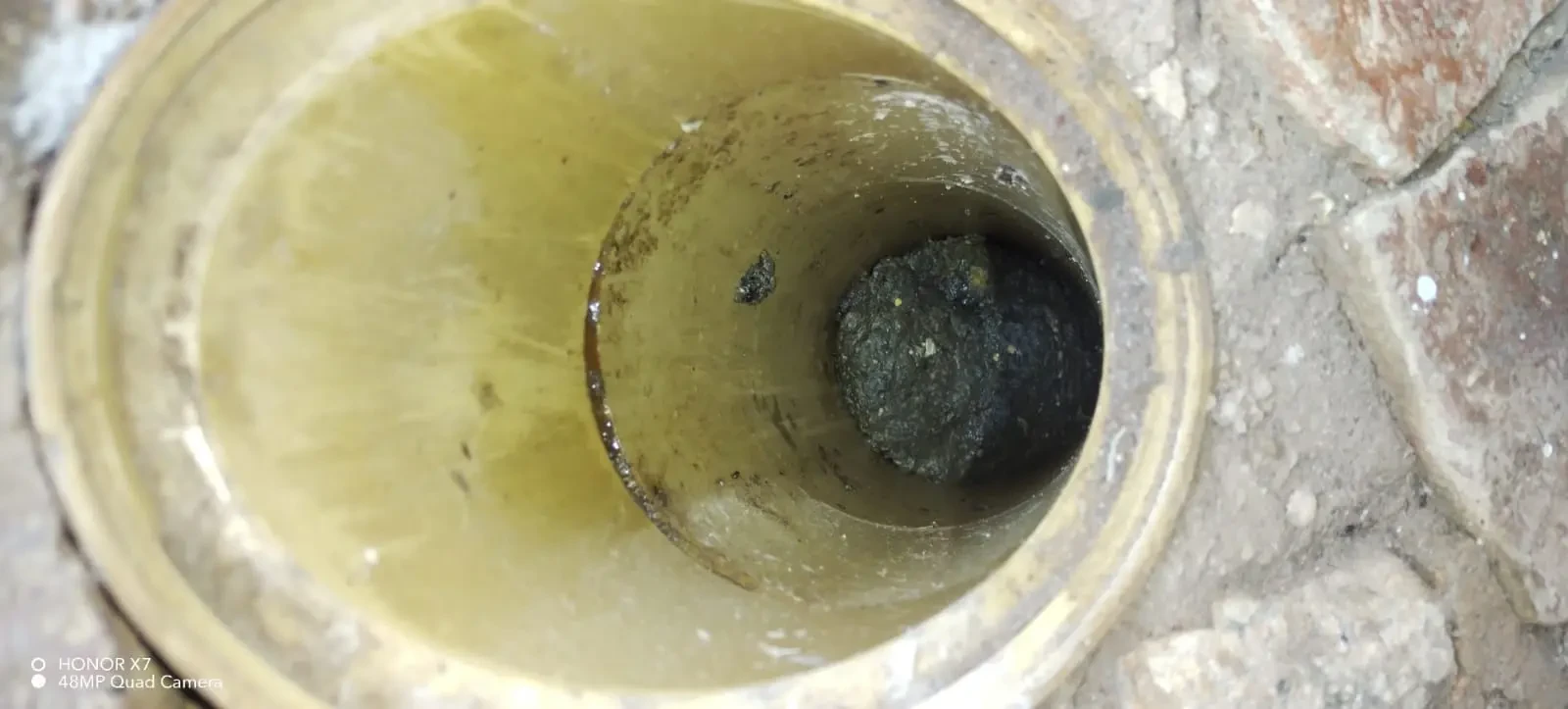
Checking the accessible pipe after clearing
We inspect the accessible pipe after removing the restriction. An open entrance alone does not show the condition of the whole run, so we combine the visible findings with flow checks and any camera inspection needed. The recommendation should explain the fault that remains, if any.
Book Professional Blocked Drain Cleaning
Contact our plumbers when a sink, toilet, gully or sewer line is draining slowly, backing up or overflowing. We will assess the blockage, explain the cleaning method and verify flow before completing the job.
Check which outlets are affected. One slow basin is different from a toilet, shower and outside gully backing up together. Tell us if earlier clearing only helped briefly.
What should I be careful of?
Don’t keep flushing, pour in more drain cleaner or mix chemicals. Keep children and pets away from wastewater, and leave drain covers in place.
Can I do anything useful now?
Stop using the connected fixtures while water is backing up. Keep the route to the affected drain accessible without touching sewage or trying to reach inside the pipe.
What details should I send you?
Tell us which fixtures back up, when it started and what has already been tried. Mention any chemicals used so the plumber can handle the work safely.
What happens next?
We identify the restriction and quote for the appropriate clearing. If the blockage keeps returning, we explain whether a camera inspection or pipe repair is needed.
Repeated slow drainage is more useful to report than a fixed cleaning date. Read when routine care is enough and when recurring blockages need investigation.
Early attention can prevent a small restriction becoming a disruptive backup. Report the affected fixtures and how the drain behaves during normal use.