Need plumbing help? Speak directly to our team 24/7.
GREY WATER PLUMBING SOLUTIONS

Grey Water System Plumbing

Trusted Grey Water System Plumbing from a team that earns confidence through evidence, not promises. We diagnose carefully, confirm pricing with you first, and verify flow, pressure, or heating before we consider the job complete. Call 067 657 6109 for urgent help or request a free call-out online.

Request plumbing assistance

Tell us what you need and how to reach you.

We’ll use your details to respond to your plumbing enquiry.

Make the greywater connections clear and maintainable

We check what feeds the system, where the water is reused and how filters, pumps and controls can be maintained. Repairs or alterations are explained in the quotation, with attention to separation from drinking-water supplies.

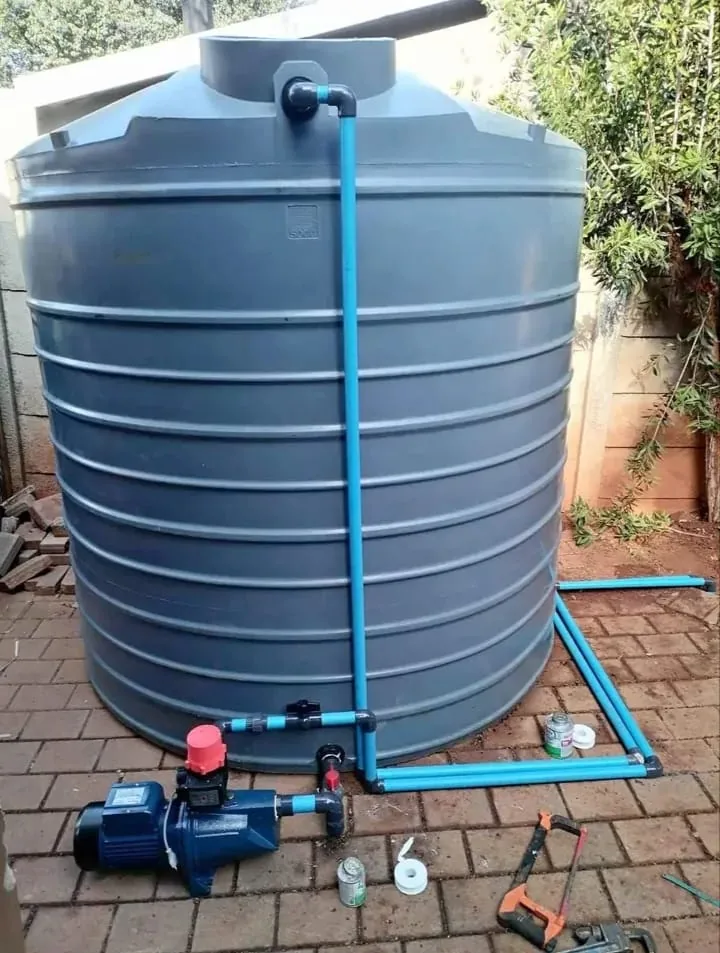
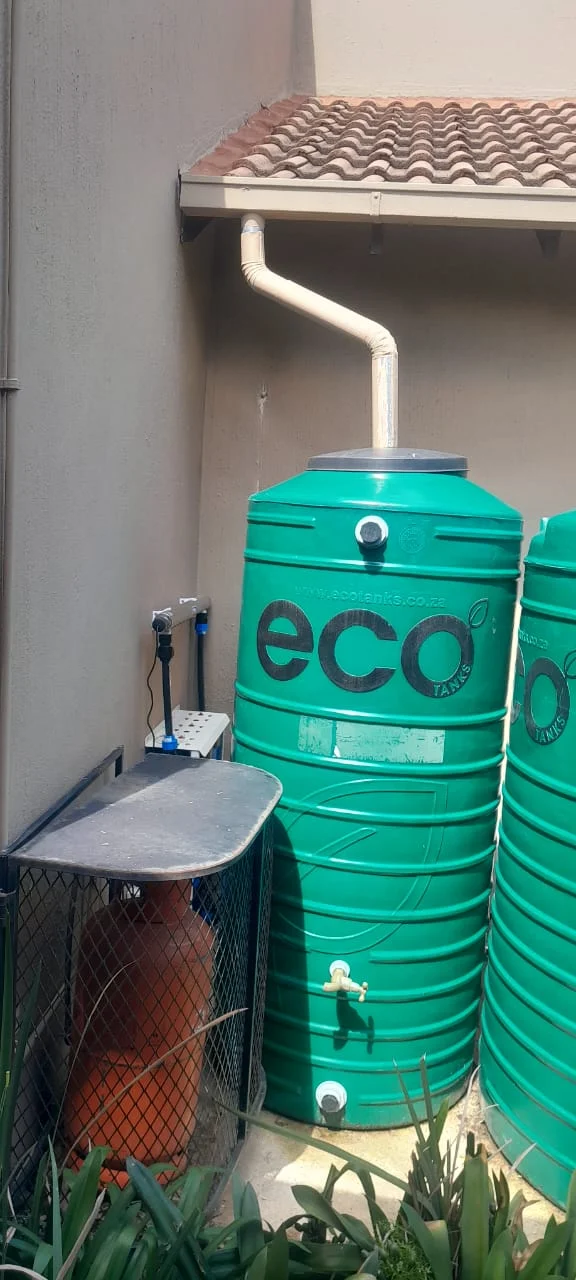
Water storage tank with a pump and connected supply pipework

Common questions

Which fixtures can feed a greywater system?

That depends on the type of system and intended reuse. Tell the installer which fixtures you want connected so they can assess the layout and appropriate separation from other supplies.

What should I check if an existing greywater system stops draining?

Note which fixtures feed it, where the water should go and whether the problem began after a change in use or maintenance. Leave the connections intact for inspection.

Can I tell whether a water supply problem affects my neighbours too?

Check whether neighbouring homes have the same symptoms and whether any supply notices apply. If only your property is affected, start with your own valves, meter and pipework.

What should I check before fitting a water tank or filter?

Confirm what problem the installation needs to solve, the incoming supply, available space and where the equipment will connect. The right setup depends on the property and intended use.

Can I use water from a tank for drinking?

The intended use and water quality determine whether it is suitable. Ask the installer how the supply is separated and what treatment or testing would be needed.

Can a greywater system supply my toilet cistern?

Yes, a professionally designed system can use treated greywater for toilet flushing. Ask your plumber what filtration and disinfection the system needs, how it will stay separate from the drinking-water supply, and what your municipality requires before installation.

Can I use greywater to irrigate my vegetable garden?

It depends on what you grow. The City of Cape Town advises against using greywater on leafy or root vegetables, such as spinach and carrots. For suitable crops such as fruit trees, its guidance recommends drip irrigation that keeps greywater away from edible parts.

Do I need municipal approval if my greywater system only waters the garden?

Check with your municipality before installation. In Cape Town, even a system used only for outdoor irrigation requires City approval, and the application must include a drawing of the proposed installation.

◴
Fast ResponseHelp when it matters most.
24
Available 24/7Day or night, we’re ready.
◇
Trusted ApproachClear, honest and professional.
Planning insight

Planning a practical grey water plumbing system

A useful grey water system is not simply a collection of pipes. It must match the property, the available water sources, the garden demand and the way the household uses water every day. Our plumbers assess these details before recommending a route, helping clients avoid systems that are difficult to maintain or unsuitable for their property. Related professional help is available through Professional Geyser Repair for Reliable Hot Water.

Choosing suitable water sources

Grey water is commonly collected from baths, showers and selected basins. These sources can provide a dependable volume for garden irrigation when they are separated correctly from wastewater that should never be reused. We inspect the existing plumbing and explain which fixtures can be included safely and practically. For more background, read What are the dangers of standing water from leaks?.

Kitchen wastewater and toilet discharge require different handling because they may contain grease, food waste or harmful contaminants. A professional plan keeps unsuitable wastewater out of the grey water line and protects the rest of the drainage system from cross-connections. Related professional help is available through Water Saving Plumbing Fixtures South Africa: 2026 Guide.
Matching storage and irrigation to daily use

The amount of grey water available changes according to household size and routine. We consider the likely daily volume, where it can be used and whether direct diversion or short-term collection is more appropriate. This prevents oversized tanks, stagnant water and unnecessary installation cost. Related professional help is available through Water Pressure Problems in South Africa.

Irrigation outlets must distribute water without creating pooling against walls, paving or foundations. The route, pipe sizes and discharge points are planned so water reaches suitable garden areas while remaining accessible for inspection and maintenance. Related professional help is available through Water Main Leaks.

Protecting the potable water supply

Any installation must keep reused water completely separate from drinking-water plumbing. Clear separation, correct valves and sensible labelling reduce the risk of accidental cross-connection and make the system easier for future plumbers to understand. For more background, read Saving water when you have a plumbing emergency.

Where municipal or stored clean water may supplement irrigation, suitable backflow protection and isolation are essential. We build the system so each water source remains controlled and identifiable. Related professional help is available through Saving water at home.

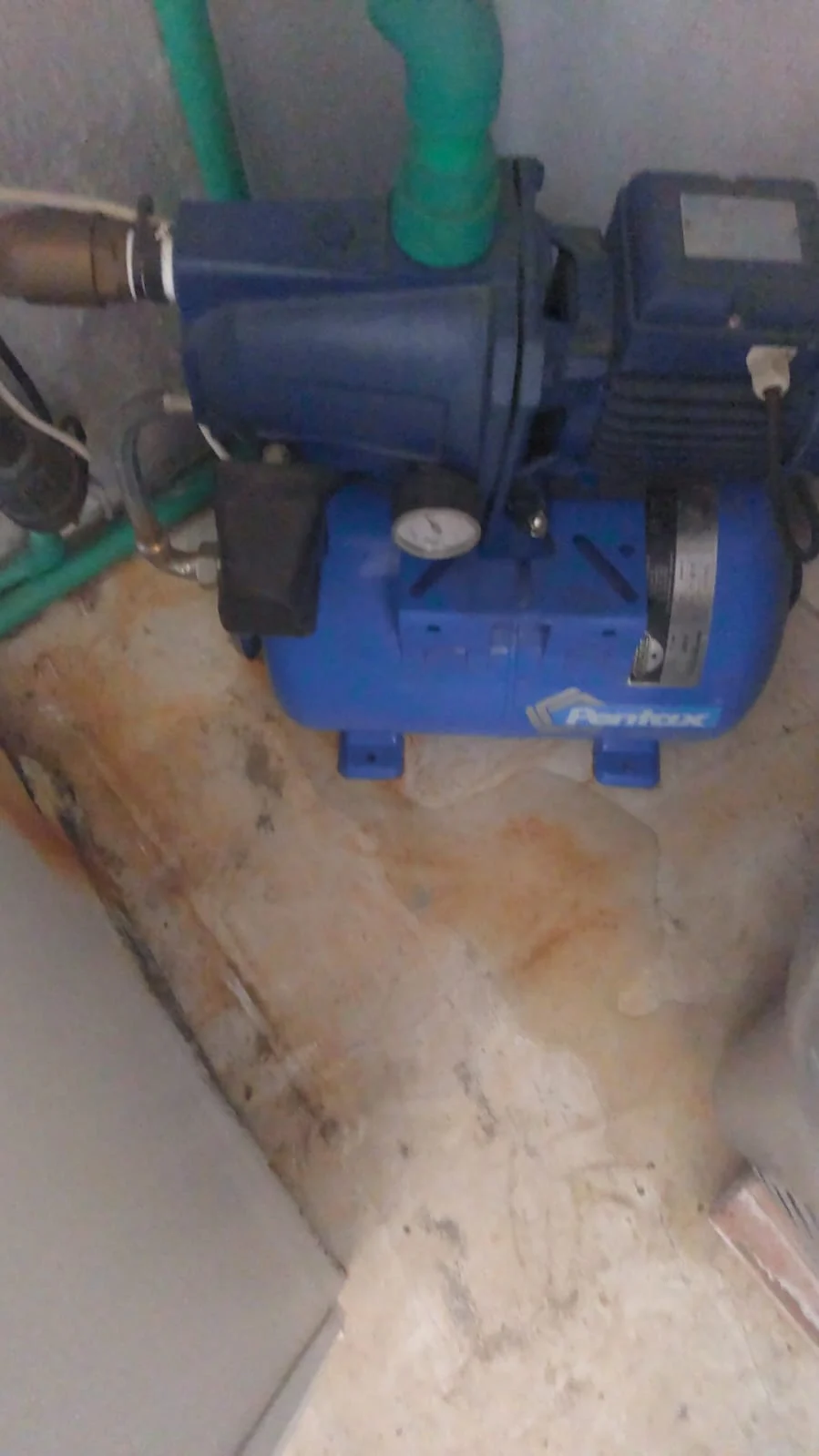
Blue booster pump connected to water supply pipework

A pump and its connected water pipework need to suit the system they serve. Report changes in flow, switching behaviour or visible leaks so the pump and surrounding connections can be assessed together.

Outdoor water storage tank and connected pipework

The pump location, connected pipe route and accessible controls help explain the installation. The proposed work should identify the component involved and how operation will be checked afterwards.

How the work unfolds

How professional grey water installation is completed

A reliable result depends on controlled routing, correct materials and careful testing. Our process is designed to minimise disruption while creating a system that can be understood, maintained and adapted later.

Surveying the existing plumbing

We trace the relevant waste pipes, identify practical connection points and inspect access around bathrooms, laundries and external walls. The survey also considers floor levels, gravity fall, pump requirements and the condition of existing drains.

Clients receive an explanation of what can be achieved with the current layout. Where a requested route would be unreliable or excessively invasive, we propose a more practical alternative rather than forcing an unsuitable design.

Installing accessible pipework and controls

New pipework is supported, sealed and routed to avoid unnecessary bends or hidden weak points. Isolation valves, filters and changeover controls are positioned where they can be reached without dismantling cupboards or breaking finishes.

If pumping is required, the pump is matched to the expected flow and delivery distance. Electrical connections and weather protection must also be appropriate for the installation environment.

Testing flow and final discharge

Before completion, we run the connected fixtures and observe how the system behaves under realistic flow. Joints, filters, valves and irrigation outlets are checked for leakage, restriction and uneven distribution.

We also confirm that excess water has a safe route when the garden does not require irrigation. An overflow or bypass should protect the property rather than allowing water to back up into the home.

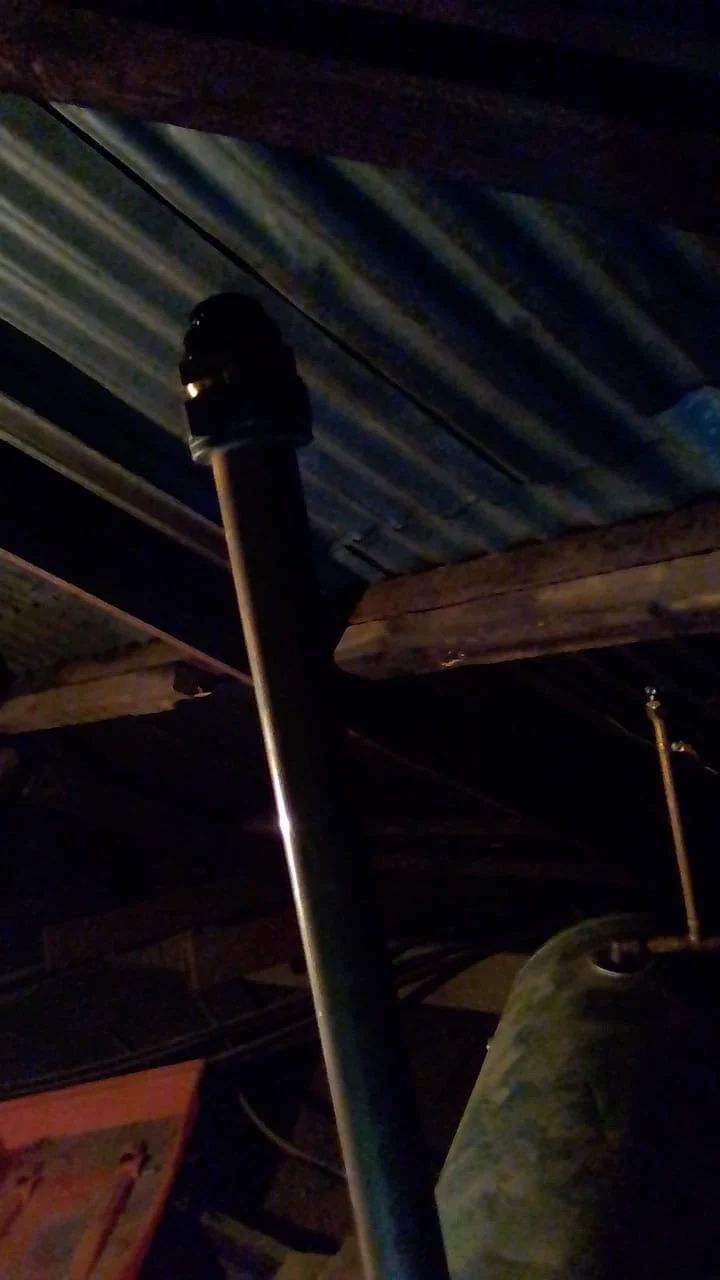
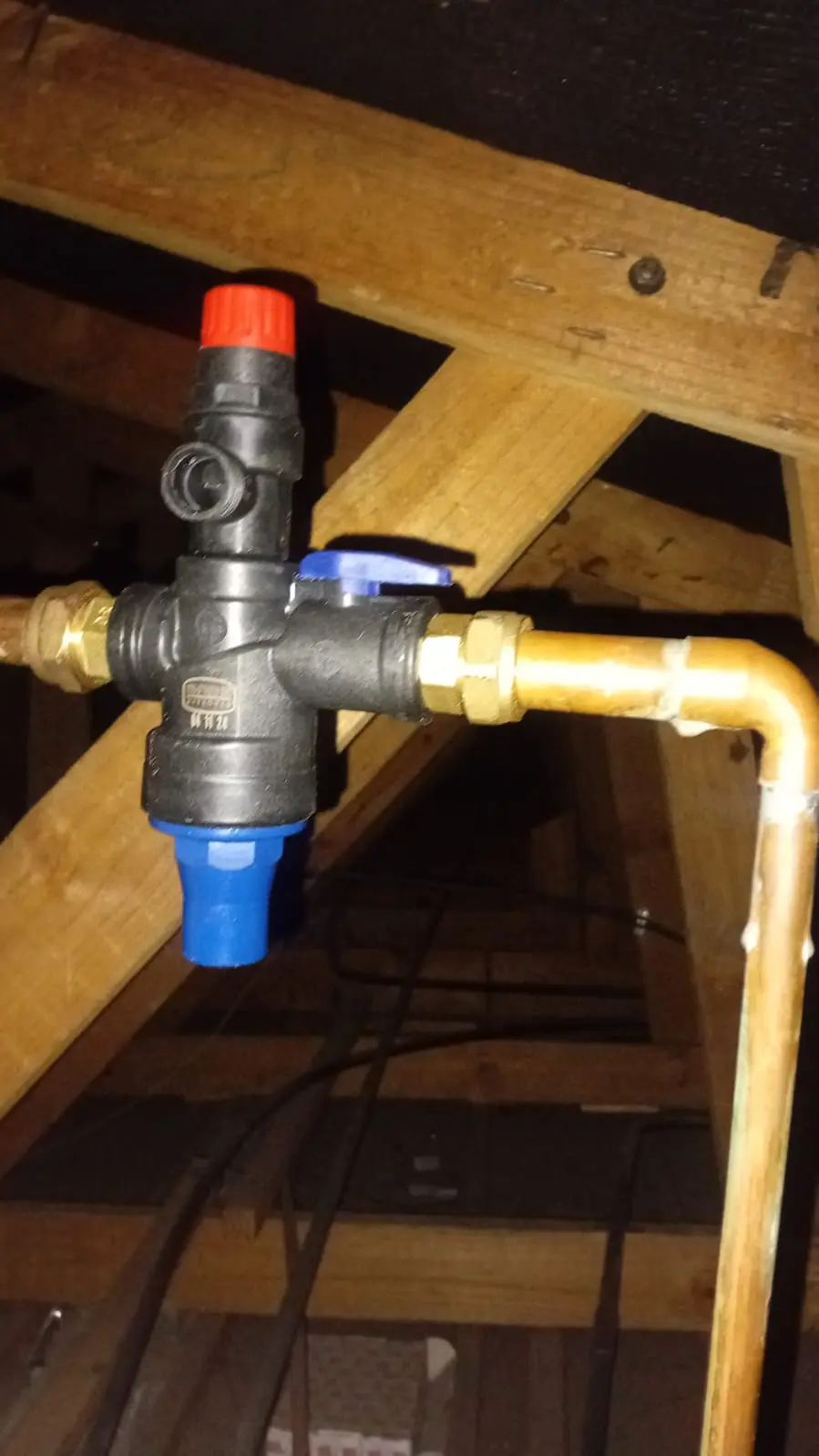
Copper hot water pipe and vacuum breaker beneath roof timbers

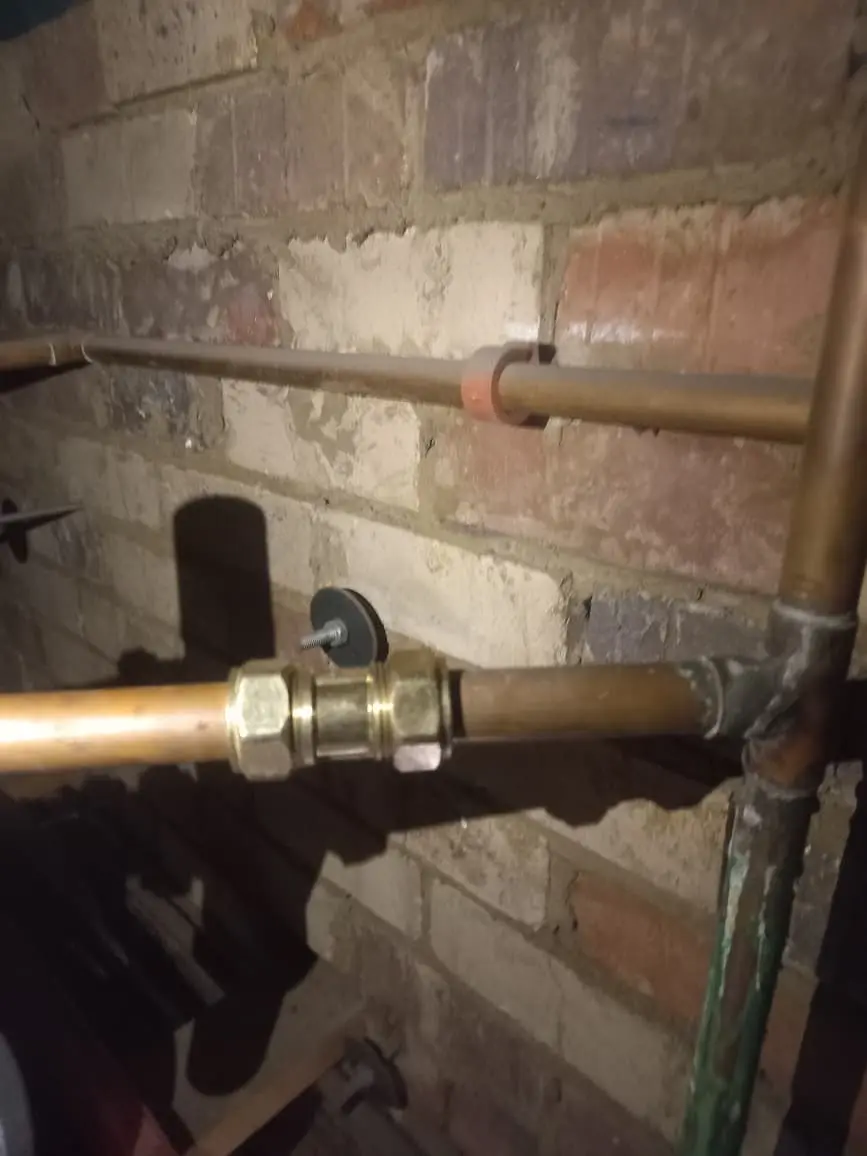
Water connections, valves and accessible pipe joints are useful details to include in a plumbing enquiry. Describe whether the concern is a visible leak, reduced flow or a new connection so the assessment can address the right fitting.

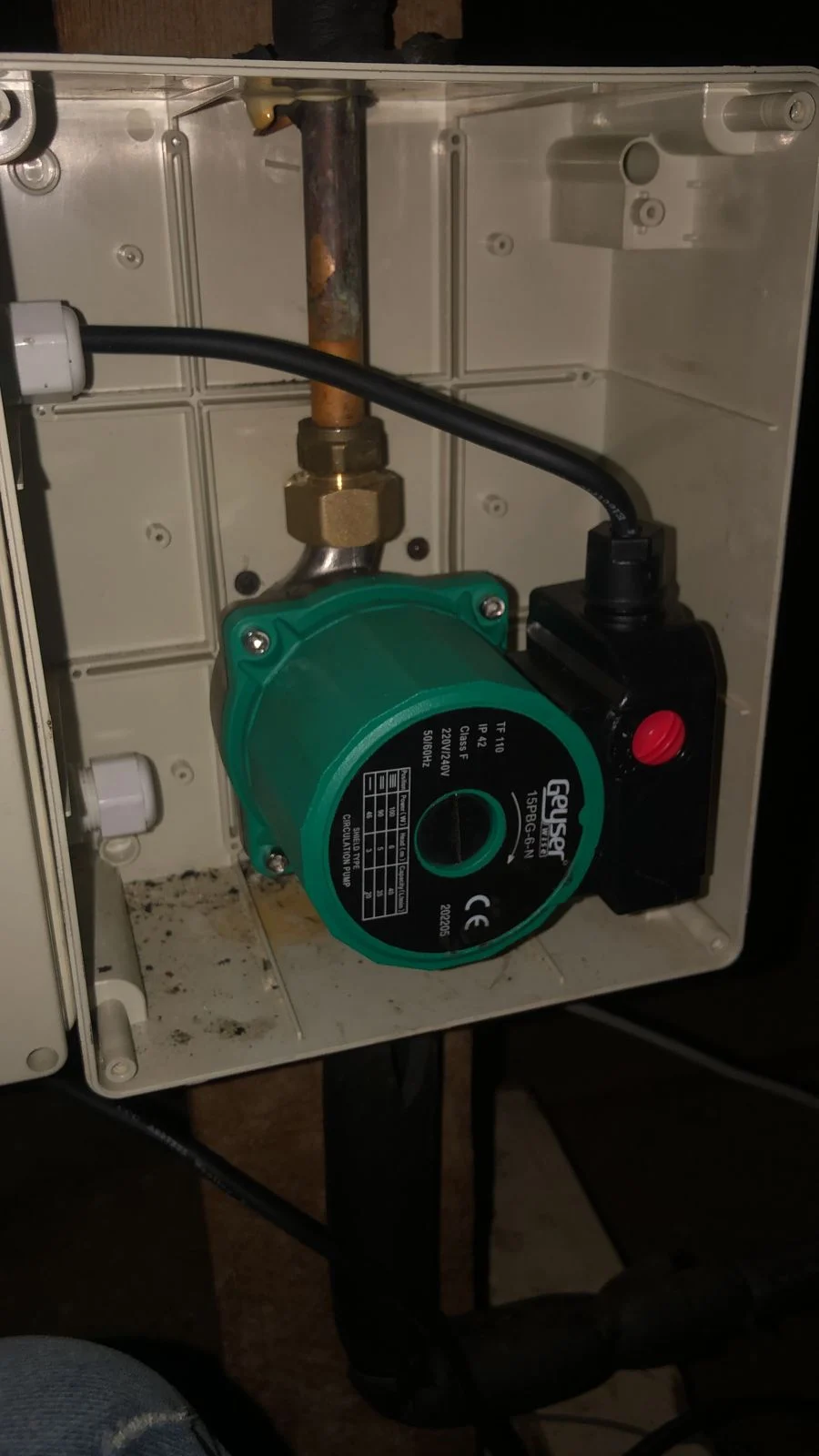
Water circulation pump unit

The pump location, connected pipe route and accessible controls help explain the installation. The proposed work should identify the component involved and how operation will be checked afterwards.

Faults and practical solutions

Common grey water problems and repairs

Existing systems often fail because of blocked filters, poor falls, incorrect pump selection or uncontrolled discharge. A focused inspection can usually identify whether the fault is localised or whether the system needs redesign.

Slow flow, odours or backups

Soap residue, lint and hair can accumulate in filters and narrow sections of pipe. We inspect the collection route and clear restrictions without pushing debris into a more difficult part of the system.

Persistent odours may indicate stagnant storage, trapped waste or incorrect venting. The solution should remove the cause rather than merely masking the smell.

Pump cycling or no delivery

A pump that starts repeatedly, runs dry or fails to deliver may have a blocked inlet, faulty level control, air leak or unsuitable duty rating. We test the complete pumping arrangement before recommending replacement.

Where the pump is serviceable, a targeted repair may restore dependable operation. Where the design is fundamentally unsuitable, we explain the limitations and provide a clear upgrade path.

Water pooling in the garden

Pooling can damage plants, create slippery areas and direct moisture toward buildings. We check outlet placement, soil absorption and the balance between available water and irrigation demand.

Distribution can often be improved by dividing the discharge, relocating outlets or adding controlled zones. The aim is useful irrigation, not simply moving water outside.

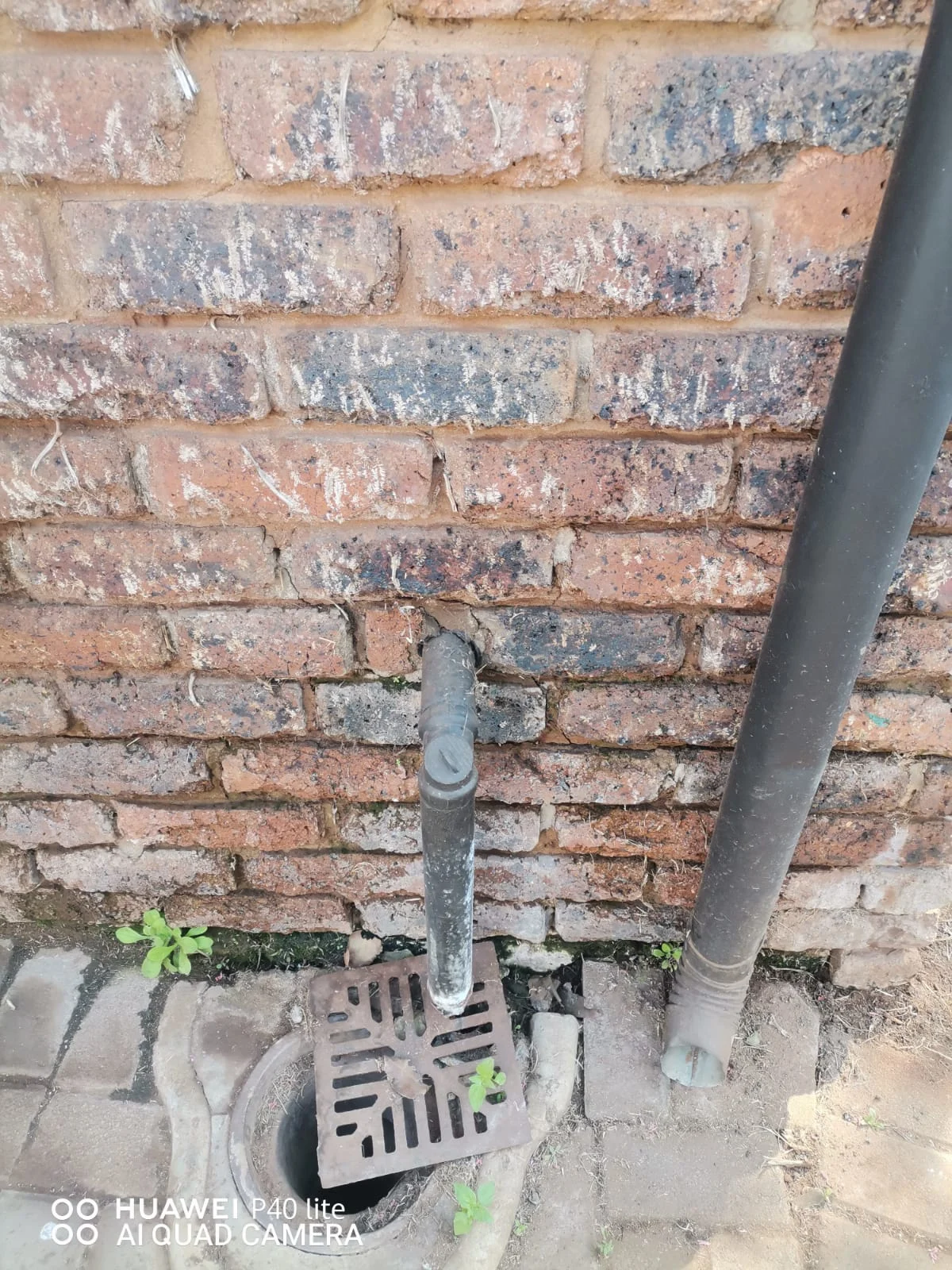
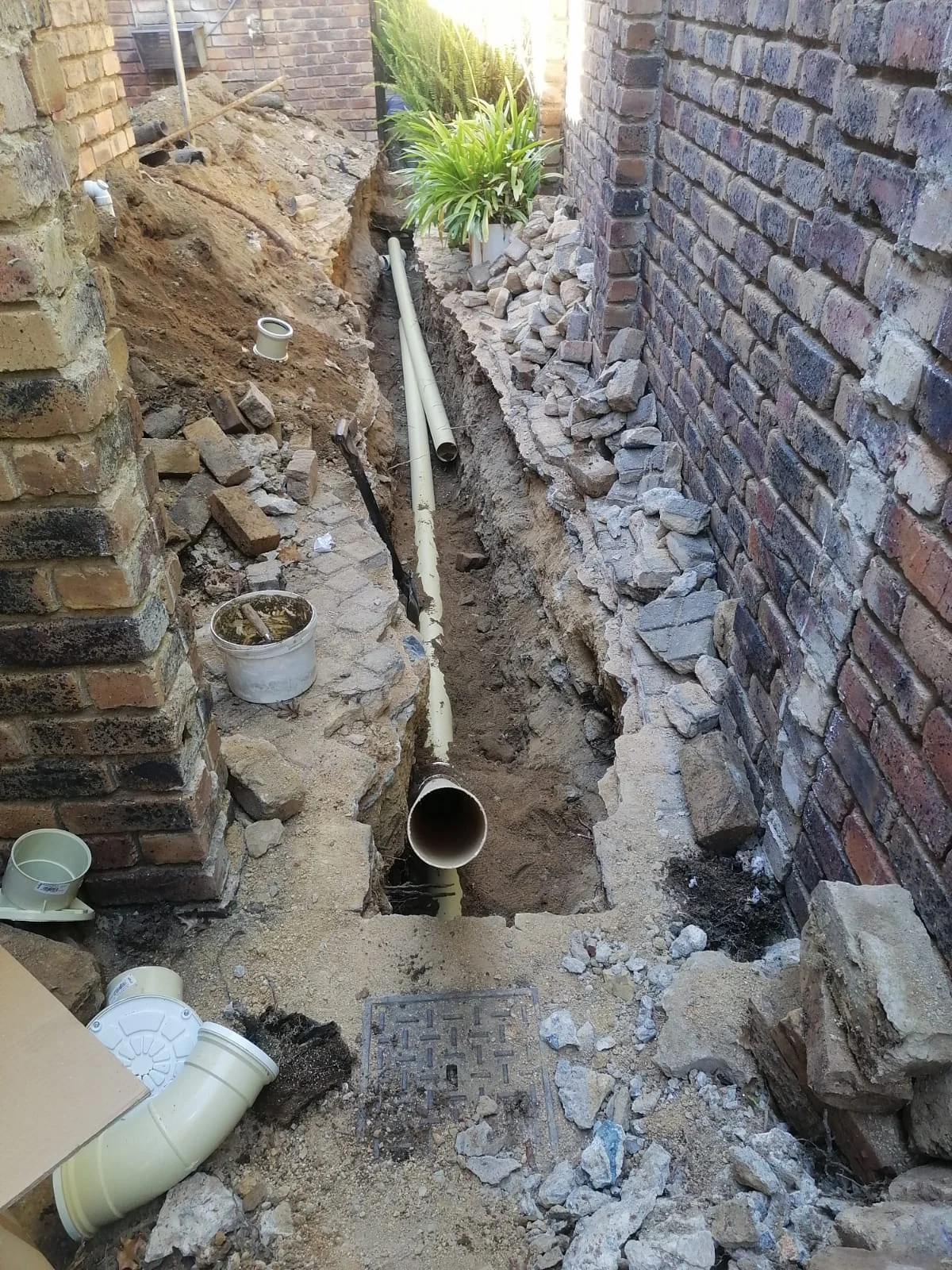
Drainage pipework and an exposed connection

Exposed drainage pipework helps show the route and access available for investigation. The condition of the pipe and its connections determines whether clearing, a local repair or further inspection is appropriate.

Bathroom basin with a central waste outlet

The basin layout and accessible fittings matter when planning replacement or maintenance. A clear description of the symptom helps establish which connections need assessment before parts are selected.

Care and long-term protection

Maintaining a hygienic and dependable system

Simple maintenance helps a grey water system remain useful. The correct routine depends on whether the installation diverts water directly, stores it briefly or uses pumps and filters.

Clean filters before flow is restricted

Filters should be checked at intervals suited to household use. Waiting until the system backs up can place unnecessary pressure on fittings and allow wastewater to escape at the wrong point.

A removable and accessible filter makes maintenance far easier. During installation or repair, we look for ways to reduce complicated cleaning procedures.

Use household products thoughtfully

Large quantities of harsh chemicals, bleach, grease or solids can affect plants and the plumbing system. Clients should understand which fixtures feed the grey water line and use products that suit the intended reuse.

The system should also be bypassed when unsuitable water is being discharged. Clear controls allow the household to do this without confusion.

Inspect after alterations or landscaping

Bathroom renovations, new appliances and garden changes can alter flow patterns. A quick inspection after major work helps confirm that pipes have not been disconnected, crushed or redirected incorrectly.

Visible outlets and access points should remain reachable after paving or landscaping. This avoids expensive excavation when maintenance is eventually required.

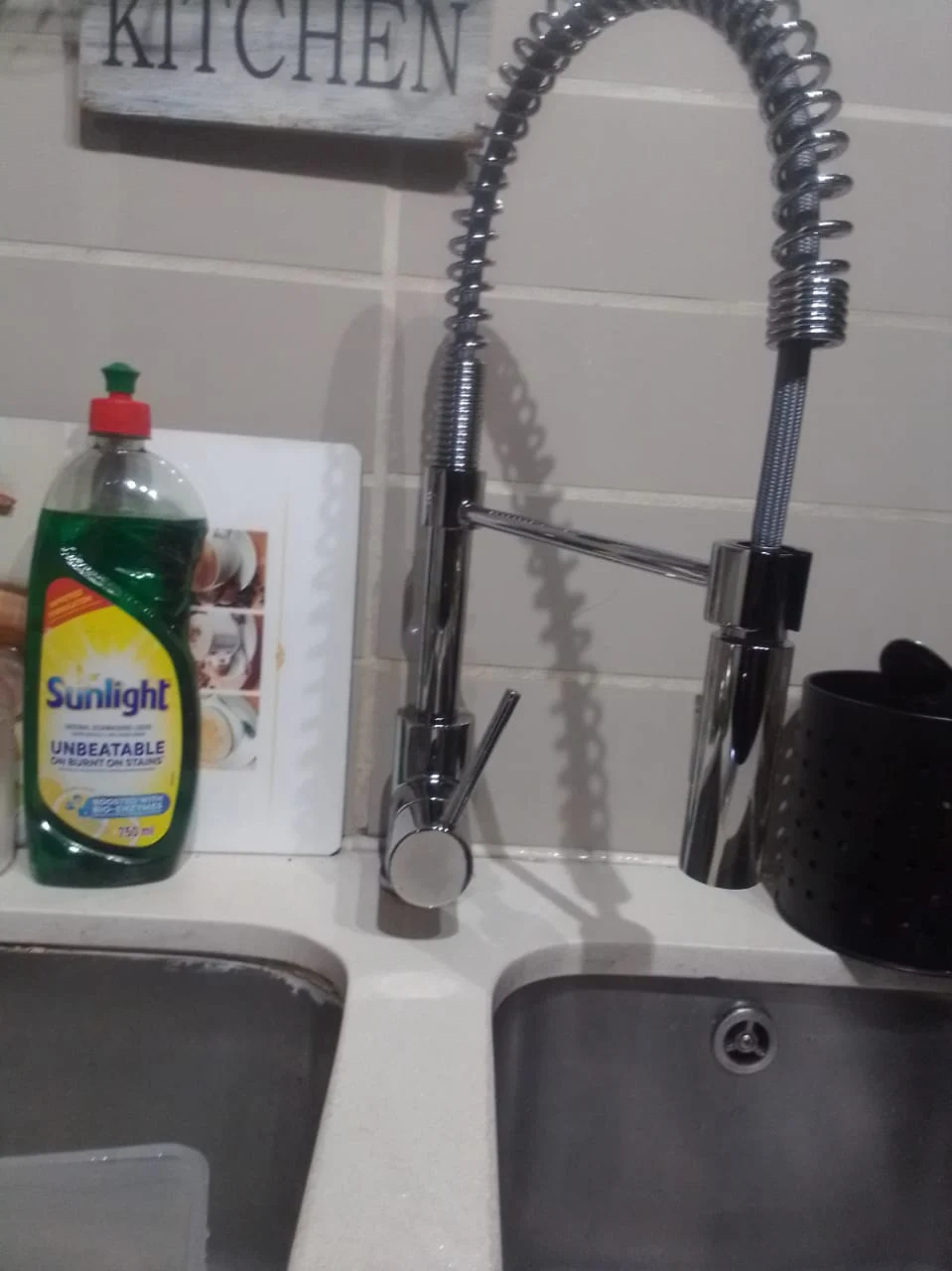
Kitchen sink with a tall flexible mixer tap

A sink installation brings together the water outlet, supply connections and waste drainage. The fixture layout and space beneath the sink help define practical access for installation, leak investigation or maintenance.

Drainage pipework and an exposed connection

An assessment of drainage pipe connections should explain the work area and any surfaces that need access. Testing after the agreed work checks that the affected route operates as expected.

Clear answers before you decide

Questions customers ask about grey water plumbing

These answers cover the practical issues customers usually want clarified before committing to installation or repair.

Can every property use grey water?

Many properties can reuse some household water, but the best design depends on plumbing access, garden layout, ground levels and local requirements. An inspection is the safest way to determine what is practical.

Does grey water need a tank?

Not always. Direct diversion can be simpler where water is used immediately, while some properties benefit from controlled short-term collection. Long storage without treatment is generally undesirable.

Can an existing system be improved?

Yes. Filters, controls, distribution and pipe routing can often be upgraded. We first identify whether the current installation has a repairable fault or a design limitation.

How do I arrange an assessment?

Tell us which fixtures you want to connect, how the garden is laid out and what problems you are currently experiencing. We can then plan the most useful inspection.

Make better use of household water

Speak to our grey water plumbers about a practical installation, repair or improvement. We will assess the property, explain the options clearly and help you create a system that is reliable, maintainable and suited to everyday use.

Frequently asked questions

What should I check before booking?

List the fixtures that feed the system and where the reused water goes. For a fault, note overflow, odour, blocked filters or a pump that no longer runs normally.

What should I leave to the team?

Don’t connect greywater to drinking-water pipework or bypass filters and controls. Keep people and pets away from contaminated standing water.

What can I have ready?

Keep the system details and maintenance notes ready. Clear safe access to accessible filters and pipework without opening tanks or dismantling pumps.

What details should I send?

Tell us which fixtures are connected, how the water is reused and when the problem began. Send the model information if you already have it.

How does the work go ahead?

We check the proposed layout or existing fault and explain the required work. Connections, controls and drainage are included in the agreed checks before handover.

Helpful plumbing guides

Learn more about Grey Water System Plumbing

Practical guides to help you understand grey water system plumbing, spot warning signs early, and decide when professional help is the safest choice. Written for homeowners and property managers who want clear answers before calling a plumber.

Explore all plumbing guides