Discuss where the water appears
We establish whether the leak shows during use, after use or continuously. Related professional help is available through Solar Geyser Repair.

Need dependable help with leaking shower repairs? We combine local response with careful testing — leaks traced, drains cleared, geysers repaired, and installations completed to code. Call our emergency line or book a free assessment online.
We check whether the leak comes from a water connection, mixer, waste or waterproofing. The repair quotation explains the actual work needed, including any access through finishes and the agreed reinstatement.
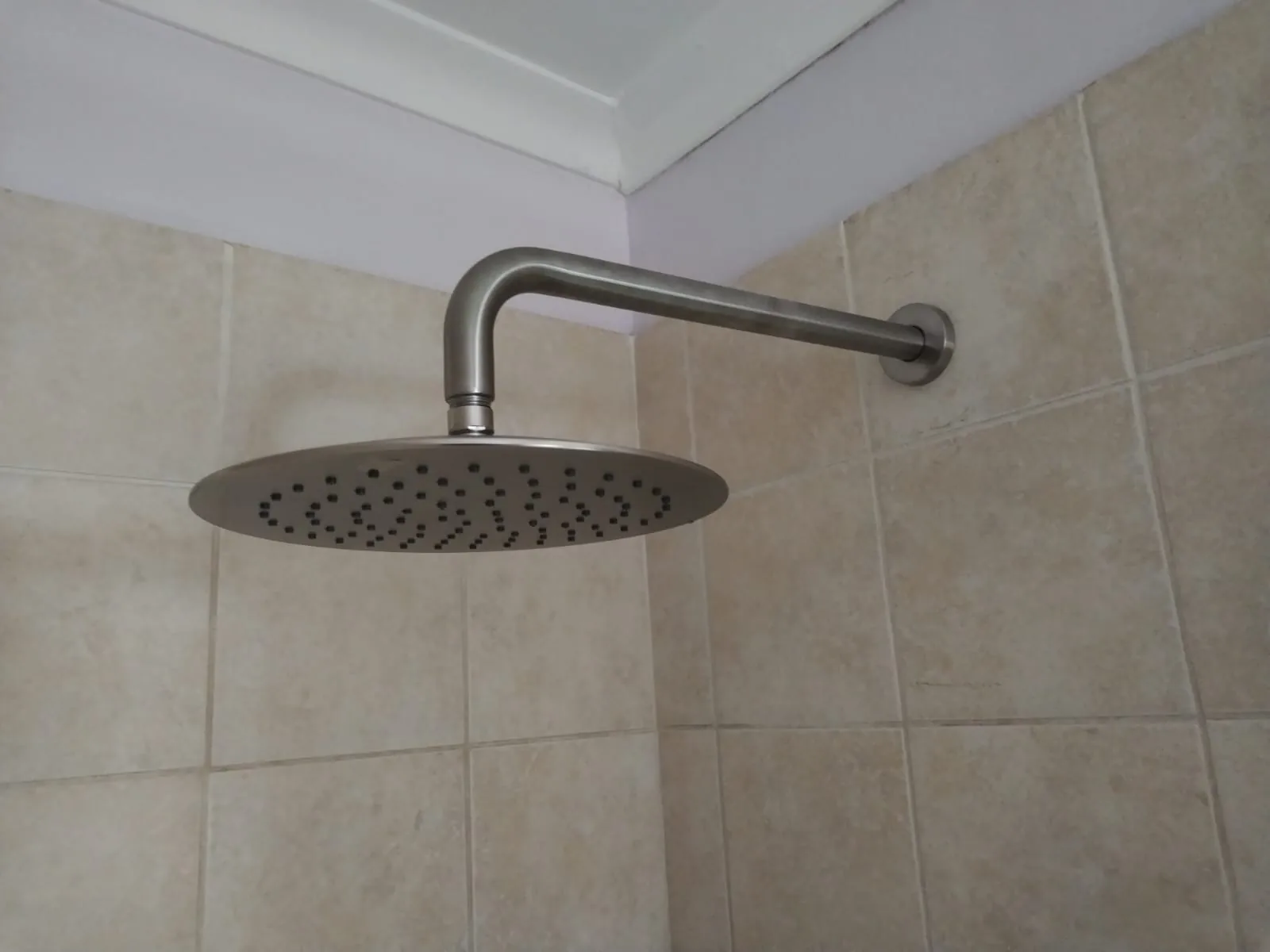
If only the shower is affected, its head, mixer or local supply may be restricting flow. Note whether one temperature setting is worse so it can be checked.
The waste, tray connections and waterproofing are among the possible sources. Note where the water first appears and whether the pattern repeats without using the shower.
Yes, if the body is sound and the right replacement part is available. We check whether the drip comes from the cartridge, a connection or the spout before quoting.
That pattern can help locate the leak around a moving seal or connection. Tell the plumber whether it also drips when the tap is completely off.
Confirm whether it mounts on the wall, sink or counter, and how many mounting holes or wall outlets it needs. The new fitting needs to suit the existing connections and space.
A brief drip can be water left in the showerhead draining out. If it keeps dripping between uses, the mixer may not be shutting off fully. Tell the plumber how long the dripping lasts.
If you have a meter for your property, take two readings at least 15 minutes apart while all water use is stopped. A rising reading can indicate a supply leak somewhere on the property. The meter alone cannot locate it or rule out a shower drain or waterproofing leak that happens only during use.
Keep the repaired joint dry until the time your installer gives you for the sealant used. Silicone can feel dry well before it has cured, and a thicker joint can take longer.
Knowing what to expect makes it easier to arrange the service with confidence. Here is how we assess, complete and verify the work from first contact through to completion. Related professional help is available through Solar Geyser Repairs in Gauteng.
We establish whether the leak shows during use, after use or continuously. Related professional help is available through Solar Geyser Repair.
Taps, mixer, shower arm, waste, seals, grout and adjacent surfaces are assessed. Related professional help is available through Reliable Geyser Repairs in Gauteng.
Controlled water testing helps separate supply, waste and waterproofing-related symptoms. For more background, read Is a leaking geyser considered an emergency?.
We identify the most likely failure point before recommending repair work. Related professional help is available through Geyser Leaking From Pressure Relief Valve: Diagnosis & Repair.
You receive a clear explanation of the plumbing repair and any separate building work that may be needed. Related professional help is available through Emergency Leaking Pipe Repair.
Faulty fittings, seals, pipework or waste connections are repaired as agreed. For more background, read Can a 24/7 plumber handle sewer line repairs?.
The affected area is checked under controlled use for leakage and correct drainage.
We outline curing times, monitoring and any follow-up required for surrounding finishes.
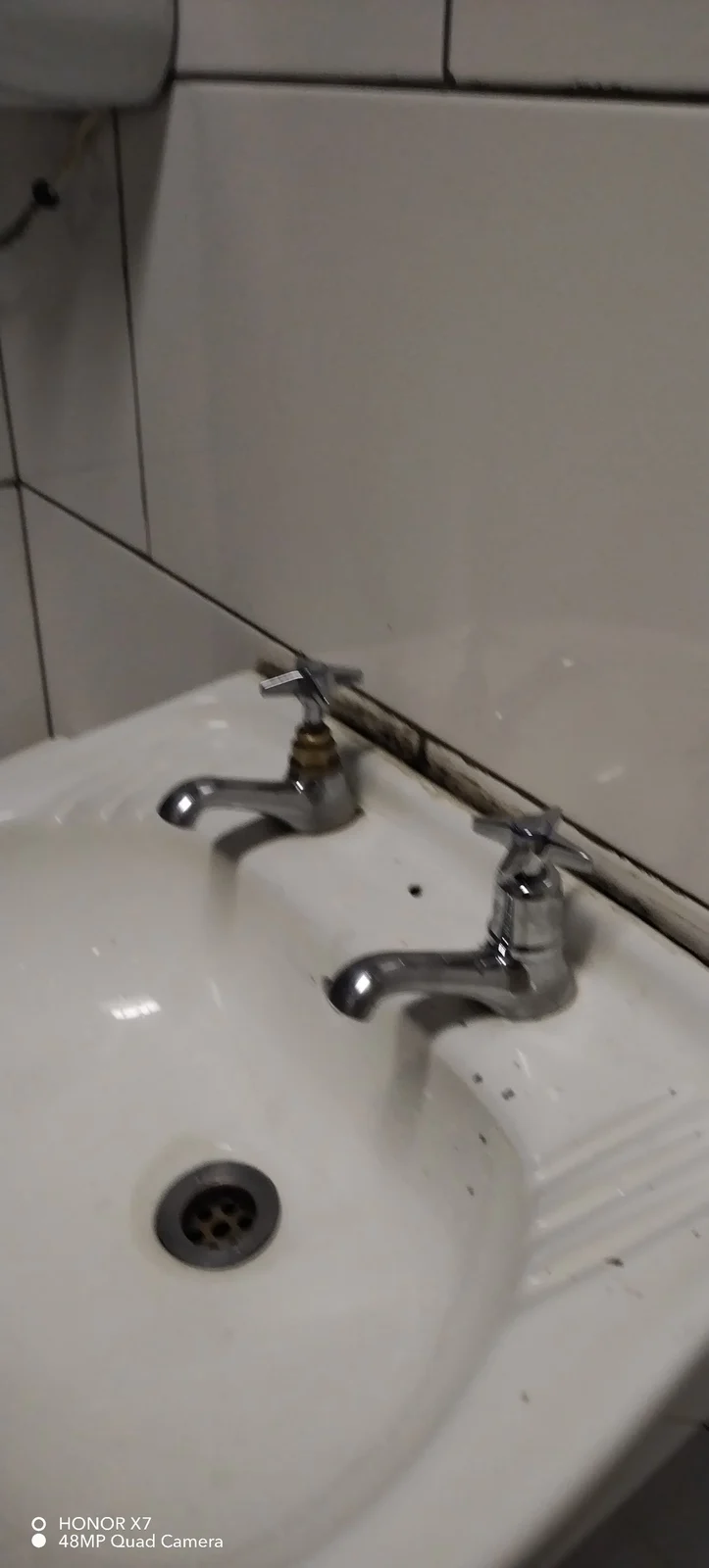
Bathroom outlets, trays and surrounding connections need to be considered together when investigating a leak. Describe whether water appears during use, after use or continuously so the assessment can follow the likely route.
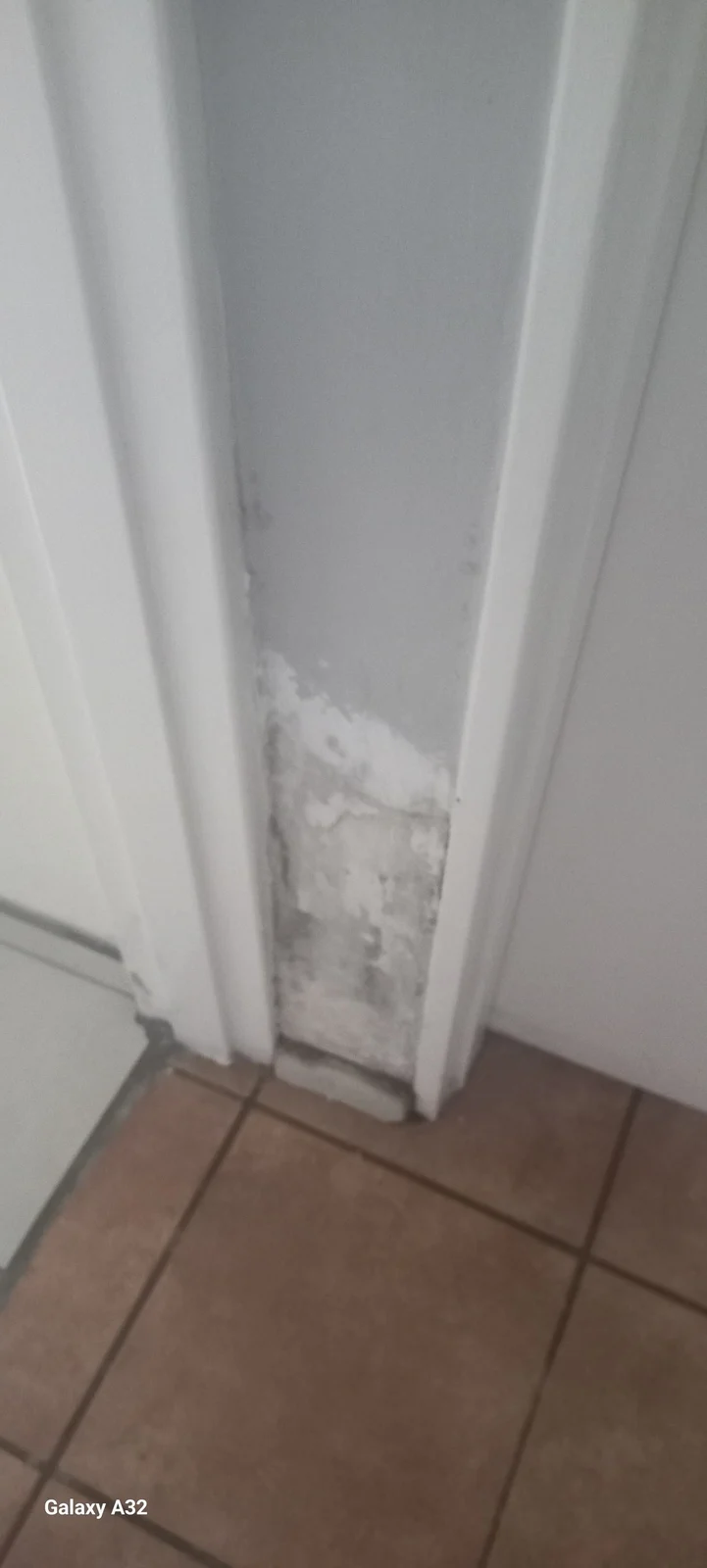
The accessible fittings and surrounding bathroom surfaces help explain the installation layout. Inspection should distinguish a plumbing connection problem from drainage or surrounding surface issues before work is agreed.
Professional leaking shower repair starts with a clear understanding of a shower mixer, outlet, waste or concealed connection. We focus on what the service covers and why a correct first assessment matters, because a rushed assumption can leave the real cause unresolved and allow drips, damp walls, loose tiles or water appearing outside the shower area to continue.
How Leaking Shower Repair Works in Practice is important because drips, damp walls, loose tiles or water appearing outside the shower area can develop quickly when failed seals, worn cartridges, cracked fittings, loose wastes or waterproofing defects. We check the relevant components and explain what the findings mean before recommending the next step.
In practice, why professional leaking shower repair matters involves checking visible fittings, supply connections, drainage and the boundary between plumbing and waterproofing. This prevents unnecessary replacement and helps ensure the proposed work addresses the actual source of the fault.
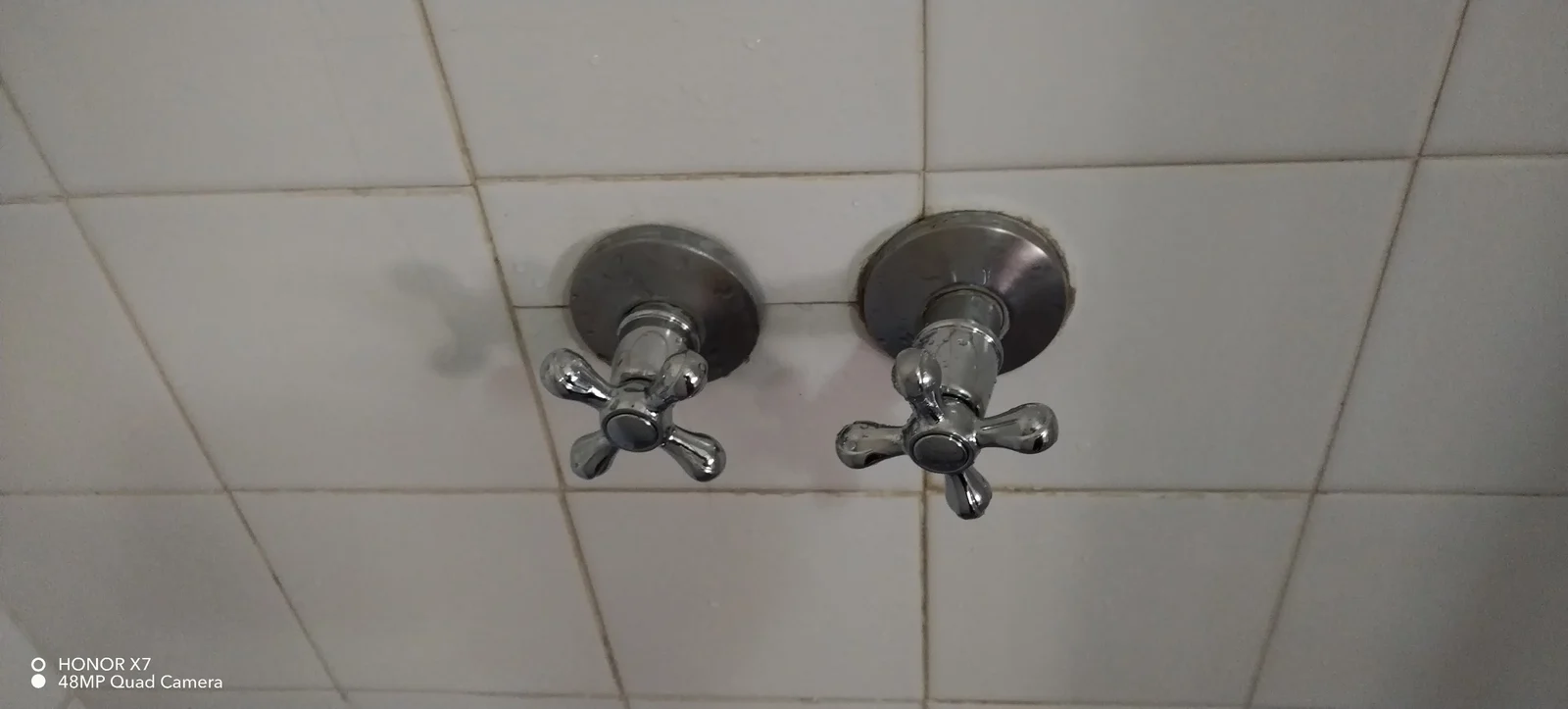
Bathroom outlets, trays and surrounding connections need to be considered together when investigating a leak. Describe whether water appears during use, after use or continuously so the assessment can follow the likely route.
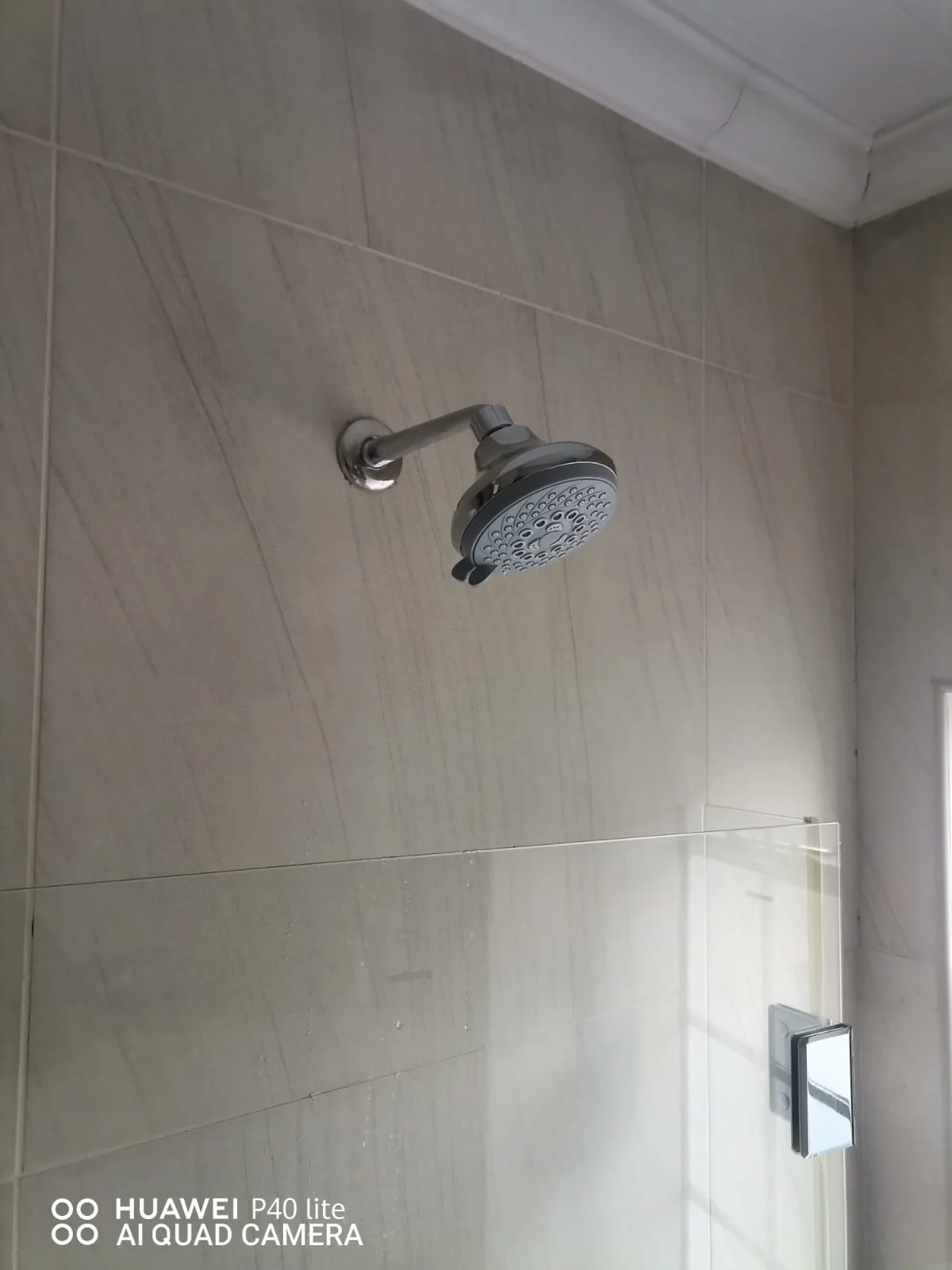
The accessible fittings and surrounding bathroom surfaces help explain the installation layout. Inspection should distinguish a plumbing connection problem from drainage or surrounding surface issues before work is agreed.
The most reliable approach to leaking shower repair is to confirm the condition of the complete connection or system, not only the most visible symptom. This section explains the symptoms that indicate attention is needed before the fault becomes more disruptive and how the work is planned for bathrooms, en suites, guest facilities and commercial washrooms.
Initial Assessment of the Leaking Shower is important because drips, damp walls, loose tiles or water appearing outside the shower area can develop quickly when failed seals, worn cartridges, cracked fittings, loose wastes or waterproofing defects. We check the relevant components and explain what the findings mean before recommending the next step.
In practice, confirming the cause before repair involves checking visible fittings, supply connections, drainage and the boundary between plumbing and waterproofing. This prevents unnecessary replacement and helps ensure the proposed work addresses the actual source of the fault.
Where repair is suitable, the work may involve repairing the confirmed plumbing fault and testing the shower under normal use. All accessible connections are checked and the system is tested before it is returned to normal use.
Delaying attention can lead to damage to tiles, ceilings, cupboards and adjoining rooms. Early action usually limits secondary damage, improves access to the fault and gives the customer more practical repair choices.
For bathrooms, en suites, guest facilities and commercial washrooms, protecting the property during the work must account for usage, access and the condition of existing services. We select compatible materials and avoid changes that could place unnecessary strain on other parts of the installation.
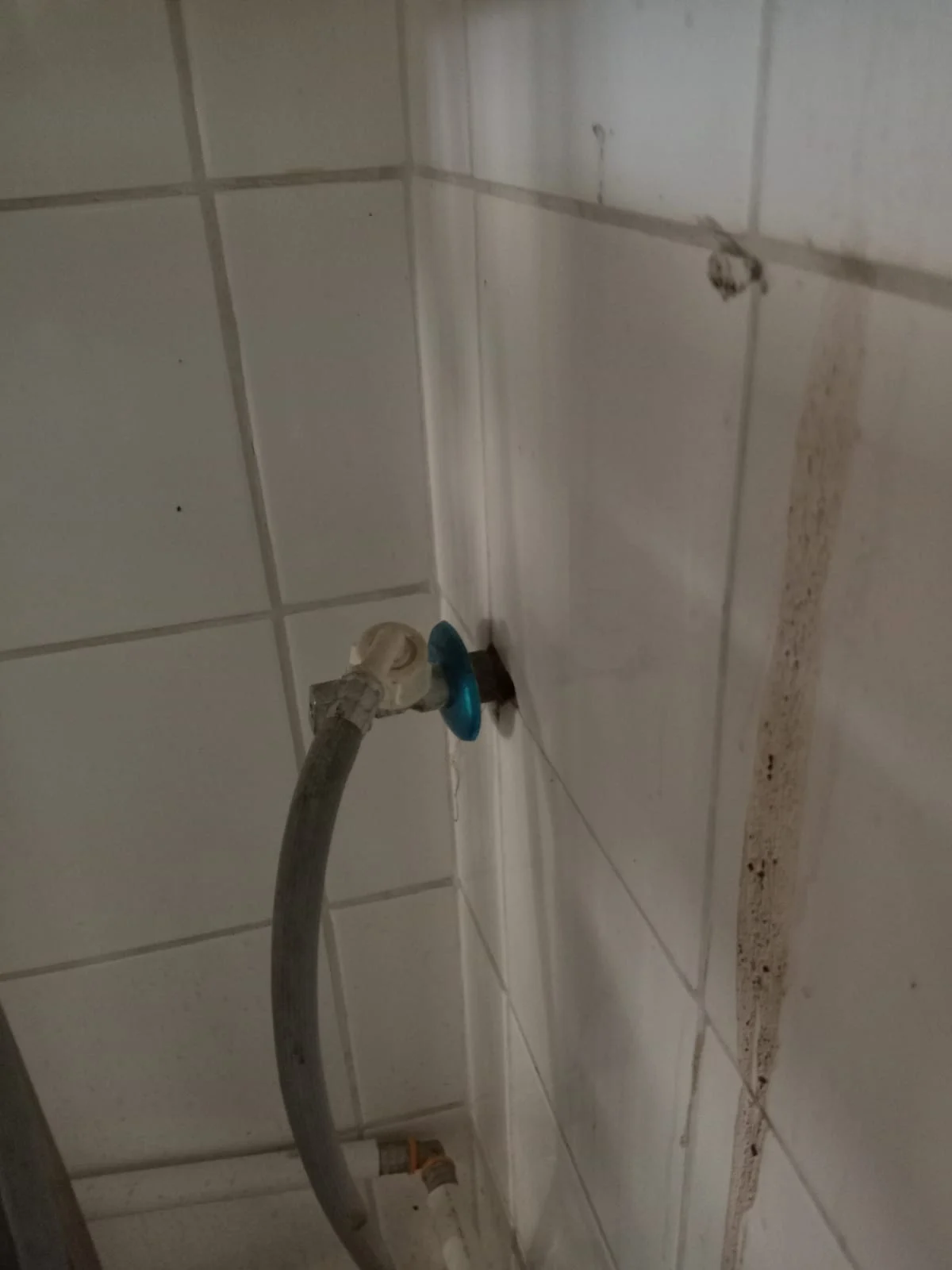
Bathroom outlets, trays and surrounding connections need to be considered together when investigating a leak. Describe whether water appears during use, after use or continuously so the assessment can follow the likely route.
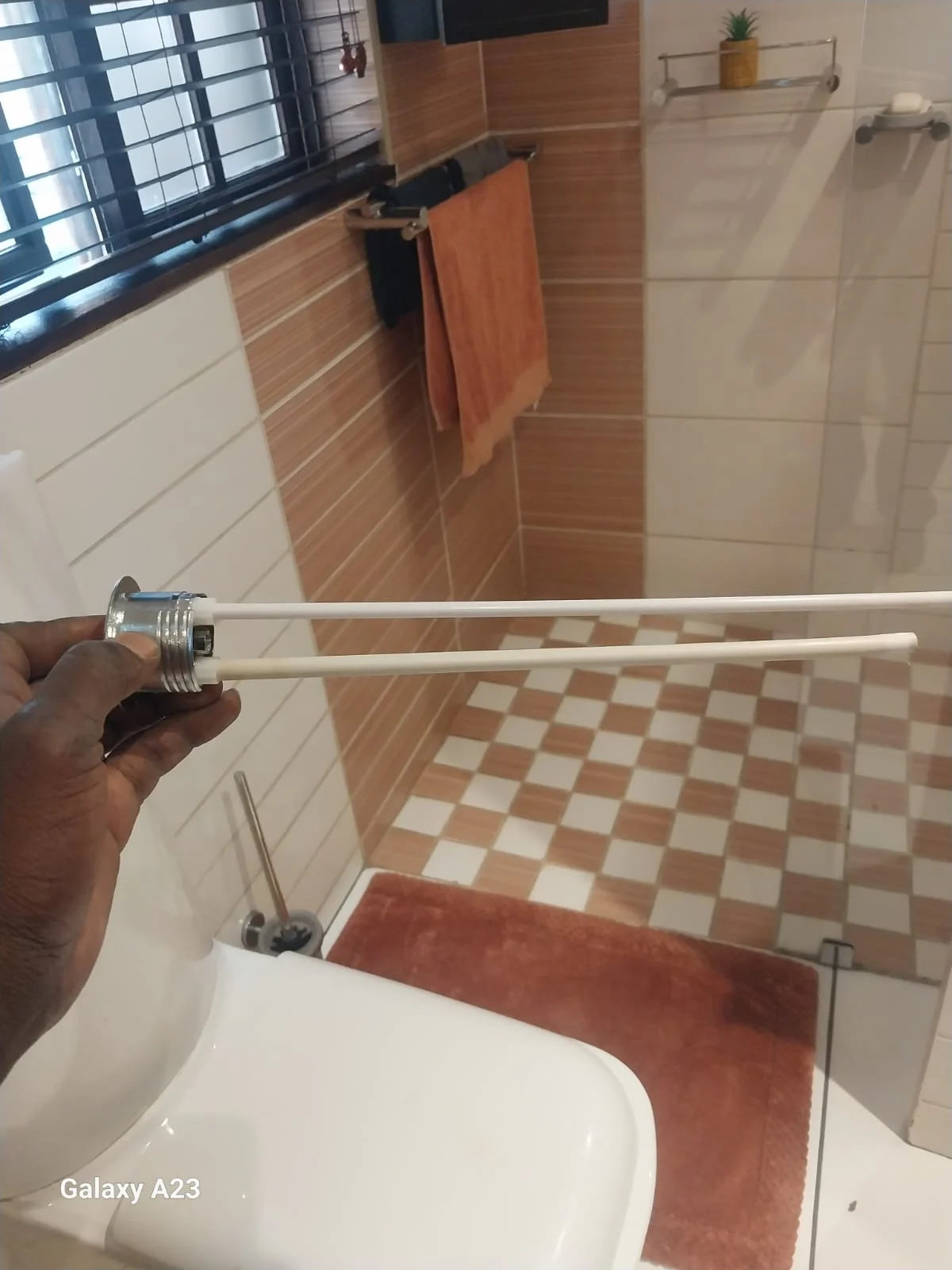
The accessible fittings and surrounding bathroom surfaces help explain the installation layout. Inspection should distinguish a plumbing connection problem from drainage or surrounding surface issues before work is agreed.
Customers usually request leaking shower repair after noticing drips, damp walls, loose tiles or water appearing outside the shower area. A structured inspection helps distinguish a local fault from a wider system issue and supports a repair that is practical, safe and suited to the property.
Early Warning Signs of a Leaking Shower is important because drips, damp walls, loose tiles or water appearing outside the shower area can develop quickly when failed seals, worn cartridges, cracked fittings, loose wastes or waterproofing defects. We check the relevant components and explain what the findings mean before recommending the next step.
In practice, visible symptoms that need attention involves checking visible fittings, supply connections, drainage and the boundary between plumbing and waterproofing. This prevents unnecessary replacement and helps ensure the proposed work addresses the actual source of the fault.
Where repair is suitable, the work may involve repairing the confirmed plumbing fault and testing the shower under normal use. All accessible connections are checked and the system is tested before it is returned to normal use.
Delaying attention can lead to damage to tiles, ceilings, cupboards and adjoining rooms. Early action usually limits secondary damage, improves access to the fault and gives the customer more practical repair choices.
For bathrooms, en suites, guest facilities and commercial washrooms, preventing secondary water damage must account for usage, access and the condition of existing services. We select compatible materials and avoid changes that could place unnecessary strain on other parts of the installation.
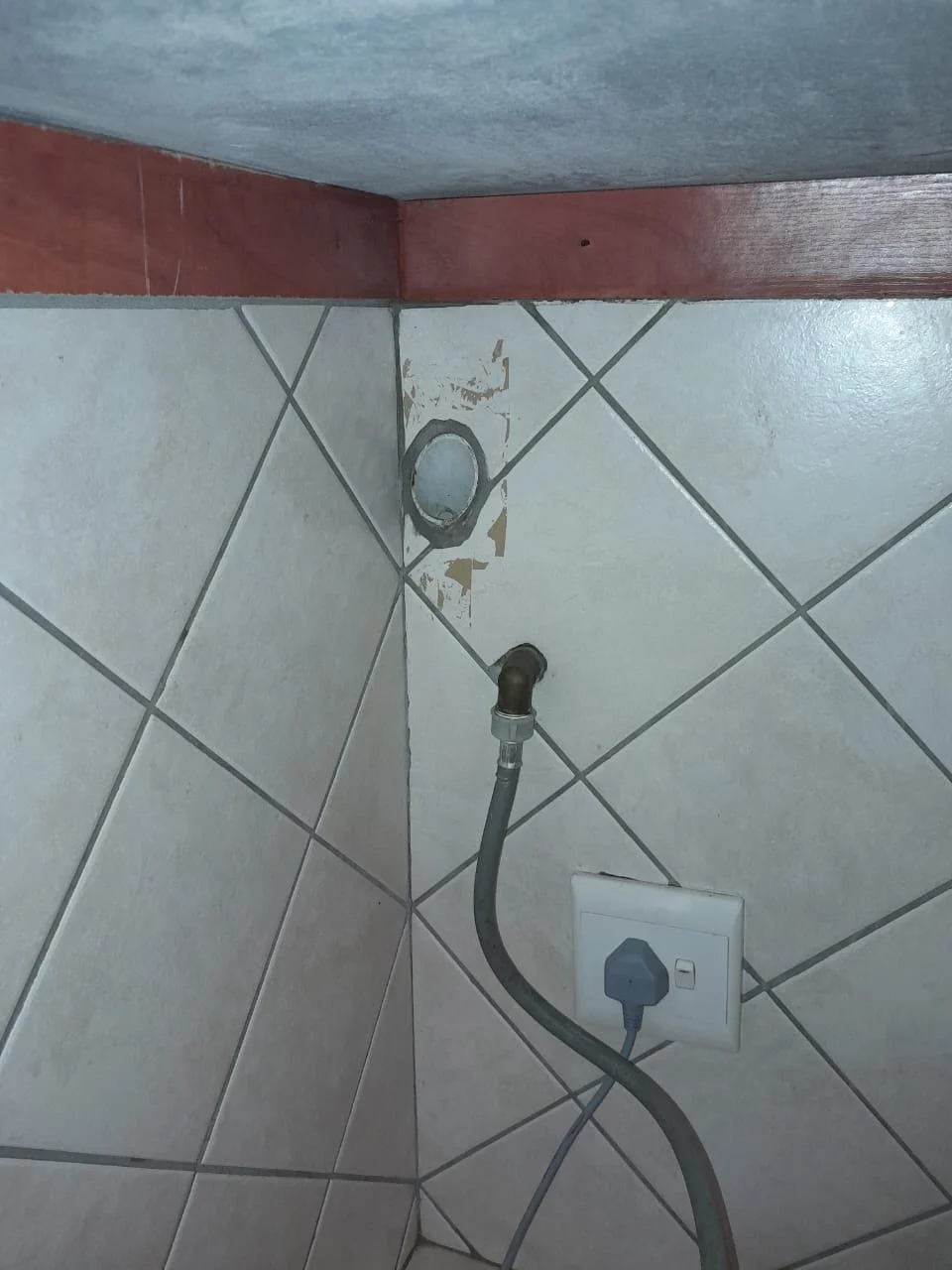
Bathroom outlets, trays and surrounding connections need to be considered together when investigating a leak. Describe whether water appears during use, after use or continuously so the assessment can follow the likely route.
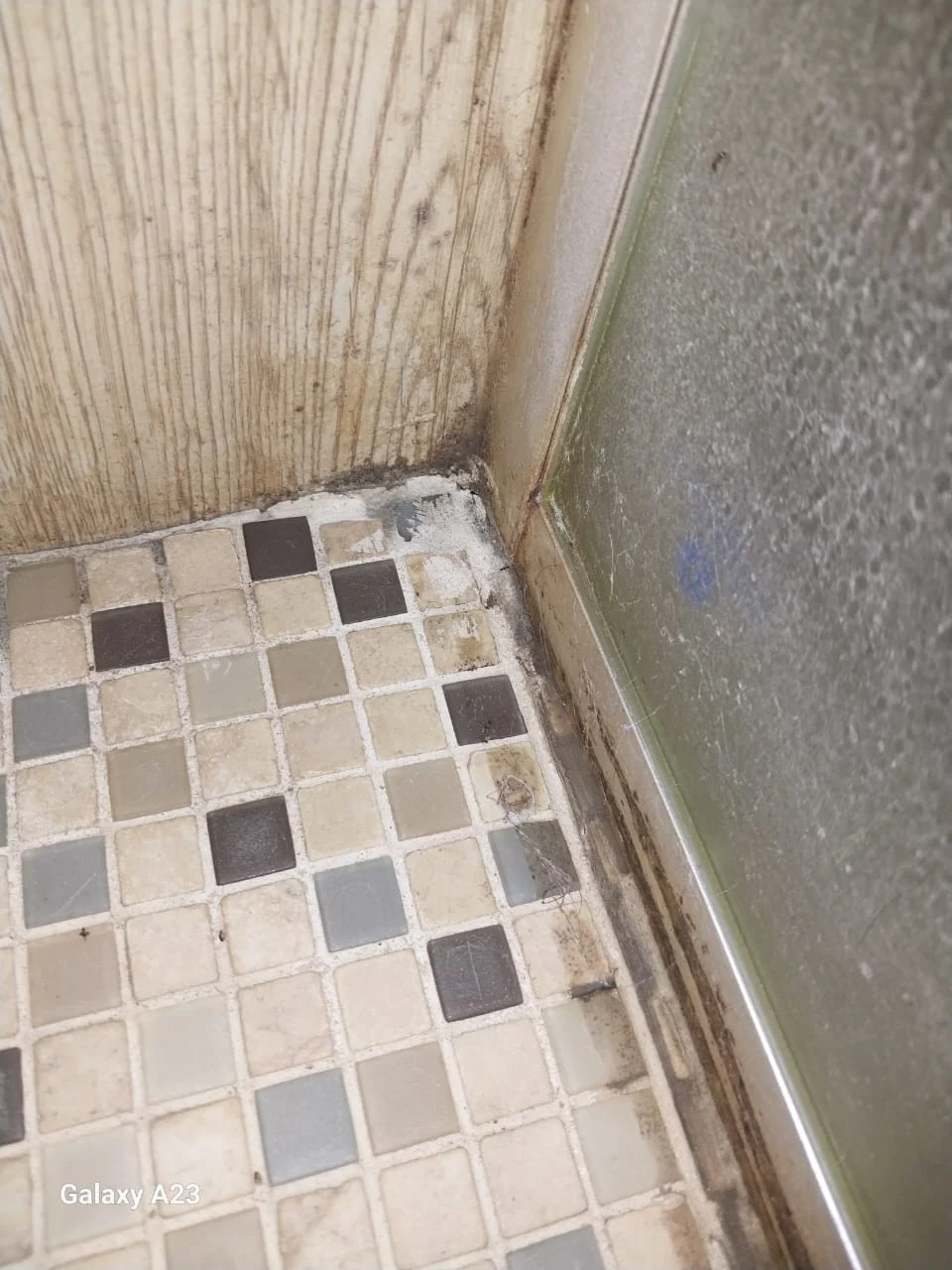
The accessible fittings and surrounding bathroom surfaces help explain the installation layout. Inspection should distinguish a plumbing connection problem from drainage or surrounding surface issues before work is agreed.
The correct solution for a shower mixer, outlet, waste or concealed connection varies according to age, condition, layout and use. We explain the findings, define the work required and obtain approval before proceeding with the agreed repair or installation.
Repair Options for the Shower is important because drips, damp walls, loose tiles or water appearing outside the shower area can develop quickly when failed seals, worn cartridges, cracked fittings, loose wastes or waterproofing defects. We check the relevant components and explain what the findings mean before recommending the next step.
In practice, when component replacement is more reliable involves checking visible fittings, supply connections, drainage and the boundary between plumbing and waterproofing. This prevents unnecessary replacement and helps ensure the proposed work addresses the actual source of the fault.
Where repair is suitable, the work may involve repairing the confirmed plumbing fault and testing the shower under normal use. All accessible connections are checked and the system is tested before it is returned to normal use.
Delaying attention can lead to damage to tiles, ceilings, cupboards and adjoining rooms. Early action usually limits secondary damage, improves access to the fault and gives the customer more practical repair choices.
For bathrooms, en suites, guest facilities and commercial washrooms, confirming the work before work begins must account for usage, access and the condition of existing services. We select compatible materials and avoid changes that could place unnecessary strain on other parts of the installation.
Our approach to leaking shower repair combines careful diagnosis with clear communication. The aim is to restore dependable operation while protecting surrounding finishes, limiting water loss and reducing the likelihood of repeat faults.
Our Step-by-Step Leaking Shower Repair Process is important because drips, damp walls, loose tiles or water appearing outside the shower area can develop quickly when failed seals, worn cartridges, cracked fittings, loose wastes or waterproofing defects. We check the relevant components and explain what the findings mean before recommending the next step.
In practice, isolating water and securing the work area involves checking visible fittings, supply connections, drainage and the boundary between plumbing and waterproofing. This prevents unnecessary replacement and helps ensure the proposed work addresses the actual source of the fault.
Where repair is suitable, the work may involve repairing the confirmed plumbing fault and testing the shower under normal use. All accessible connections are checked and the system is tested before it is returned to normal use.
Delaying attention can lead to damage to tiles, ceilings, cupboards and adjoining rooms. Early action usually limits secondary damage, improves access to the fault and gives the customer more practical repair choices.
For bathrooms, en suites, guest facilities and commercial washrooms, cleaning the area and explaining the result must account for usage, access and the condition of existing services. We select compatible materials and avoid changes that could place unnecessary strain on other parts of the installation.
Reliable plumbing work should solve the immediate problem and improve confidence in the system. For bathrooms, en suites, guest facilities and commercial washrooms, we consider both the present fault and the conditions that may affect long-term performance.
Protecting the Shower From Repeat Problems is important because drips, damp walls, loose tiles or water appearing outside the shower area can develop quickly when failed seals, worn cartridges, cracked fittings, loose wastes or waterproofing defects. We check the relevant components and explain what the findings mean before recommending the next step.
In practice, routine checks that reduce future faults involves checking visible fittings, supply connections, drainage and the boundary between plumbing and waterproofing. This prevents unnecessary replacement and helps ensure the proposed work addresses the actual source of the fault.
Where repair is suitable, the work may involve repairing the confirmed plumbing fault and testing the shower under normal use. All accessible connections are checked and the system is tested before it is returned to normal use.
Delaying attention can lead to damage to tiles, ceilings, cupboards and adjoining rooms. Early action usually limits secondary damage, improves access to the fault and gives the customer more practical repair choices.
For bathrooms, en suites, guest facilities and commercial washrooms, keeping valves and connections accessible must account for usage, access and the condition of existing services. We select compatible materials and avoid changes that could place unnecessary strain on other parts of the installation.
Contact our plumbers for a leaking shower assessment. We inspect the visible fittings, supply connections, waste area and surrounding seals to identify the likely source and recommend the correct repair.
Notice whether water escapes with the shower running, continues after it is off or shows on the other side of the wall. Note any change in flow or temperature.
Don’t remove tiles or seal over a recurring wet patch before the cause is found. Leave concealed mixer parts and electrical fittings alone.
Stop using the shower if water is escaping into walls or adjoining rooms. Take a safe photo of the wet area and note how quickly it appears.
Tell us where the leak shows, when it starts and any earlier sealing or plumbing repair. Include the mixer type if you already know it.
We separate a plumbing connection or mixer fault from a waste or waterproofing problem. The quote explains the repair and any opening or finishing work needed.
Use these articles to learn more about leaking shower repairs — from emergency steps and maintenance tips to repair options and cost factors. Each guide focuses on real situations we see on site across Gauteng.
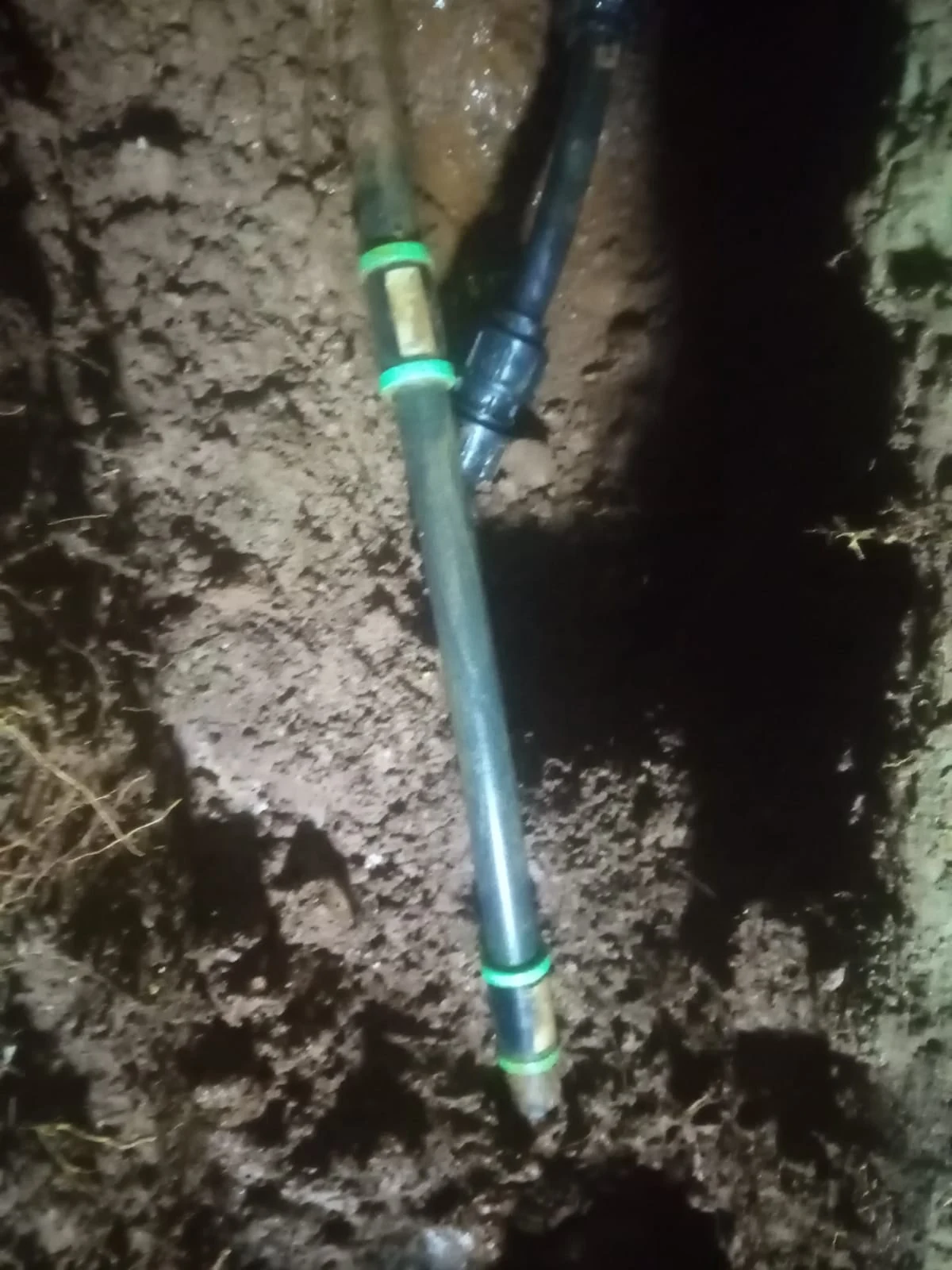
Detecting Hidden Pipe Leaks should help customers understand the problem, the warning signs to look for, and the practical next steps before the issue…
Read guide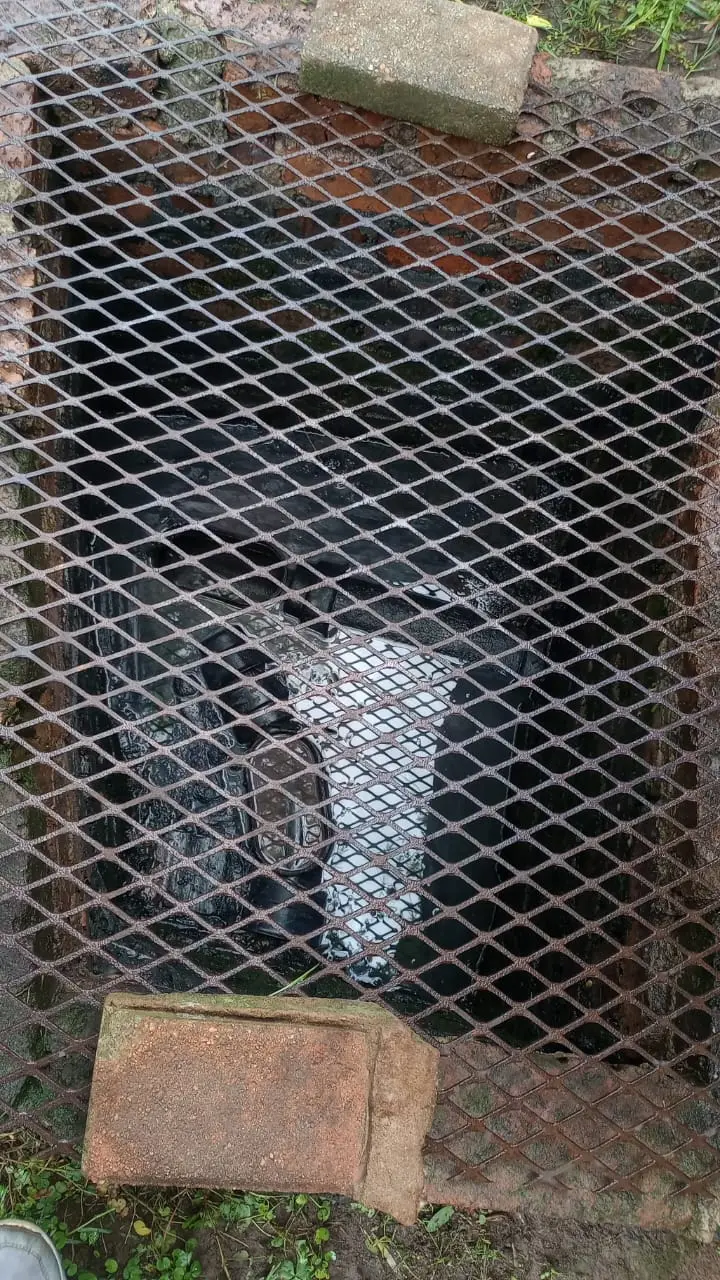
Standing water from leaks might seem like a minor nuisance at first glance, but it can lead to a range of serious and costly problems if left unaddressed.…
Read guide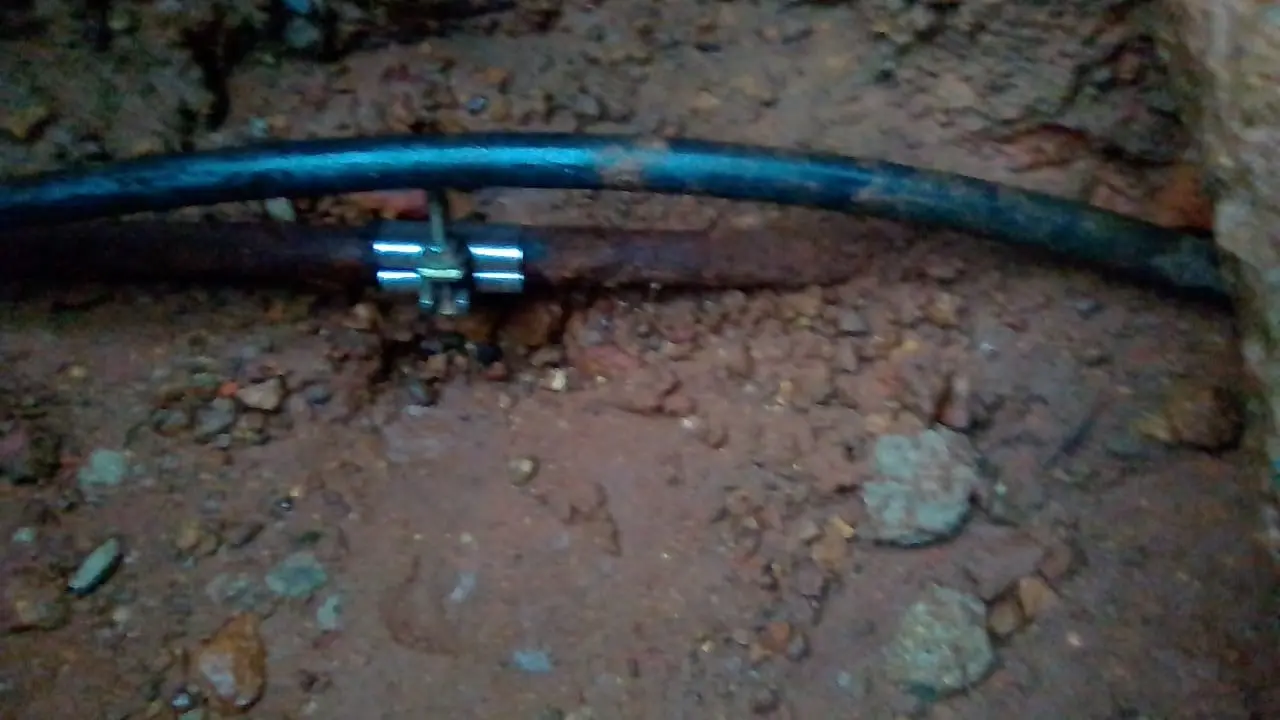
Burst pipe repair cost South Africa varies by location, access, and urgency. Learn typical price ranges, cost factors, and how to get accurate quotes in 2026.
Read guide
How to find a reliable plumber in South Africa with a practical checklist. Learn PIRB registration, credentials to check, and red flags to avoid.
Read guide