Home/300 Litre Evacuated Tube Solar Geyser Conversion
300 LITRE SOLAR GEYSER CONVERSION SYSTEMS
300 Litre Evacuated Tube Solar Geyser Conversion
Trusted 300 Litre Evacuated Tube Solar Geyser Conversion from a team that earns confidence through evidence, not promises. We diagnose carefully, confirm pricing with you first, and verify flow, pressure, or heating before we consider the job complete. Call 067 657 6109 for urgent help or request a free call-out online.
We consider your hot-water use, existing geyser, collector space and backup heating together. You get a quotation for a compatible conversion, installation or repair, with the plumbing, controls and agreed electrical work clearly set out.
Will a solar conversion work with my existing geyser?
That depends on the cylinder, available roof space and connection layout. A site assessment can establish whether the existing equipment can be retained.
Will I still have hot water on cloudy days?
It depends on the system and its backup heating. Ask how the proposed controls and backup would work for your household’s normal demand.
How do I choose a solar hot-water cylinder size?
Consider how many people use hot water, when they use it and what backup heating is available. Capacity alone doesn’t show whether the whole system suits the property.
Can a faulty solar geyser be repaired without replacing the panels?
Sometimes. Check whether the fault lies in the collector, cylinder, control, circulation or backup heater. The repair should address the affected part of the system.
What should a solar hot-water quote cover?
Ask about the collector, cylinder, mounting, pipework, controls and backup heating. Confirm which items will be reused and what access or electrical work is included.
Will my evacuated-tube solar geyser keep heating water during a power cut?
That depends on how water circulates between the collector and the cylinder. A pump that relies on mains power stops during an outage, while a suitably configured pump with its own solar panel and battery can keep circulating. The electric backup element also needs power to heat the water.
What freeze protection should I ask about if my property gets frost?
Ask your installer how the proposed collector and solar circuit are protected against freezing. One option is an indirect system, which circulates a separate freeze-resistant fluid through the collector and transfers heat to the water in the cylinder through a heat exchanger.
What plumbing certificate should I ask for after a solar geyser conversion?
Ask for a plumbing Certificate of Compliance covering the solar water-heating work. Before accepting the quote, confirm who will sign it and when you’ll receive your copy.
◴
Fast ResponseHelp when it matters most.
24
Available 24/7Day or night, we’re ready.
◇
Trusted ApproachClear, honest and professional.
Capacity and household fit
Why Choose a 300 Litre Evacuated Tube Solar Geyser Conversion?
A 300 litre evacuated tube solar geyser conversion is designed for properties with substantial daily hot-water demand. It can be a strong option for large households, multi-bathroom homes and selected commercial or hospitality settings when the existing geyser is serviceable and the roof layout supports efficient solar collection. Instead of replacing a sound cylinder unnecessarily, the conversion allows available sunlight to provide much of the energy used to heat stored water.
Assessing Capacity for Larger Households
Our plumbers assess the complete installation before recommending a system. We inspect the cylinder, valves, roof position, water pressure, pipe routes and household usage. This protects customers from buying a conversion that is too small, poorly positioned or incompatible with the existing plumbing. Honest advice at the beginning is one of the most important parts of a dependable installation.
What We Check Before Recommending 300L
A larger system needs disciplined planning. Collector size, mounting strength, circulation, insulation and backup heating must work together. We focus on these practical details so the finished conversion supports comfort, efficiency and long-term reliability rather than simply adding equipment to the roof.
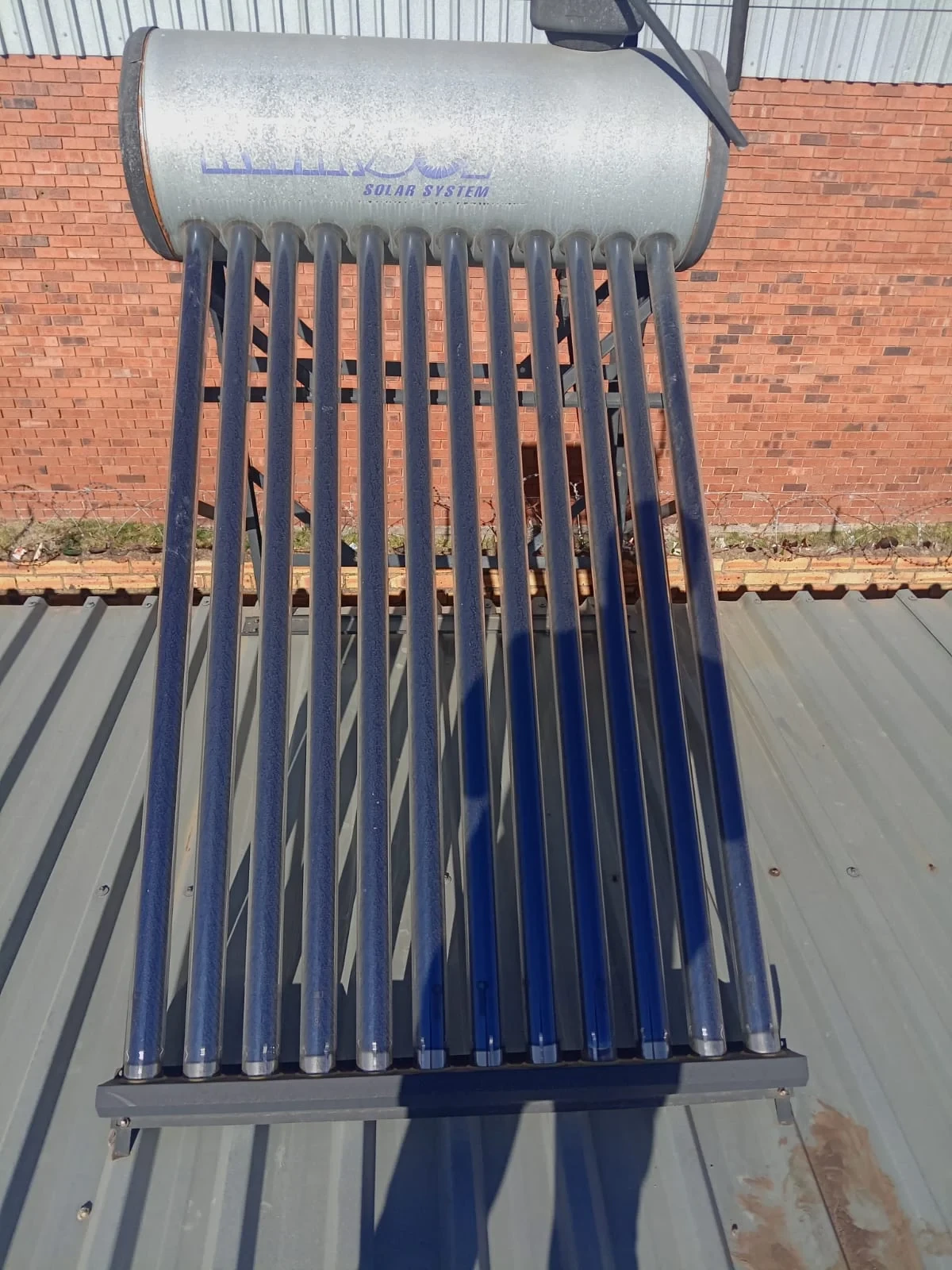
Roof-mounted evacuated-tube solar geyser
This rooftop system shows twelve evacuated tubes beneath a horizontal cylinder. When assessing a 300-litre evacuated-tube solar geyser conversion, we check whether the existing cylinder can be reused and whether the roof can accommodate a collector sized for the property's busiest hot-water periods.
How conversion works
Is a 300 Litre Solar Geyser the Correct Size for Your Property?
A 300 litre unit is commonly considered for five or more people or properties with consistently high demand, but household numbers are only a starting point. Shower duration, bath use, flow rates, laundry routines, guest accommodation and simultaneous demand can all change the required capacity.
Matching 300L to Real Peak Demand
We discuss how the property actually uses hot water and compare that demand with the existing geyser performance. A system that is undersized may rely heavily on electrical backup, while an oversized installation can cost more without delivering proportionate benefit. Correct sizing keeps the recommendation practical.
Daily Demand, Peak Demand and Recovery Time
We review both total consumption and the busiest periods of the day. This helps determine whether the proposed capacity and collector arrangement can recover effectively between heavy-use periods.
Planning for Winter and Electrical Backup
Solar contribution changes with weather and seasonal sunlight. We explain how backup heating can support the system during low-sun periods without allowing the electrical element to run unnecessarily.
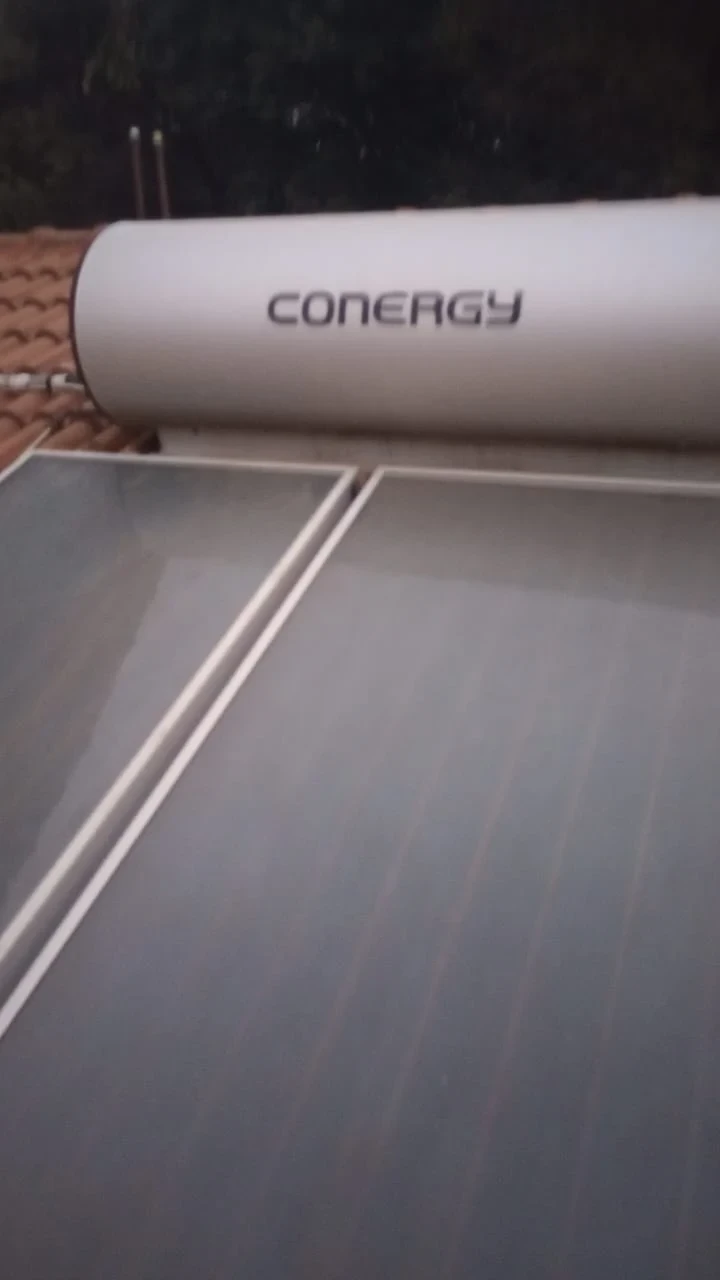
Flat-plate solar water heating
This rooftop system has a Conergy cylinder above two flat-plate collectors. We also install flat-plate systems and can compare them with an evacuated-tube conversion based on available roof space, peak hot-water demand and how quickly the system needs to reheat between periods of heavy use.
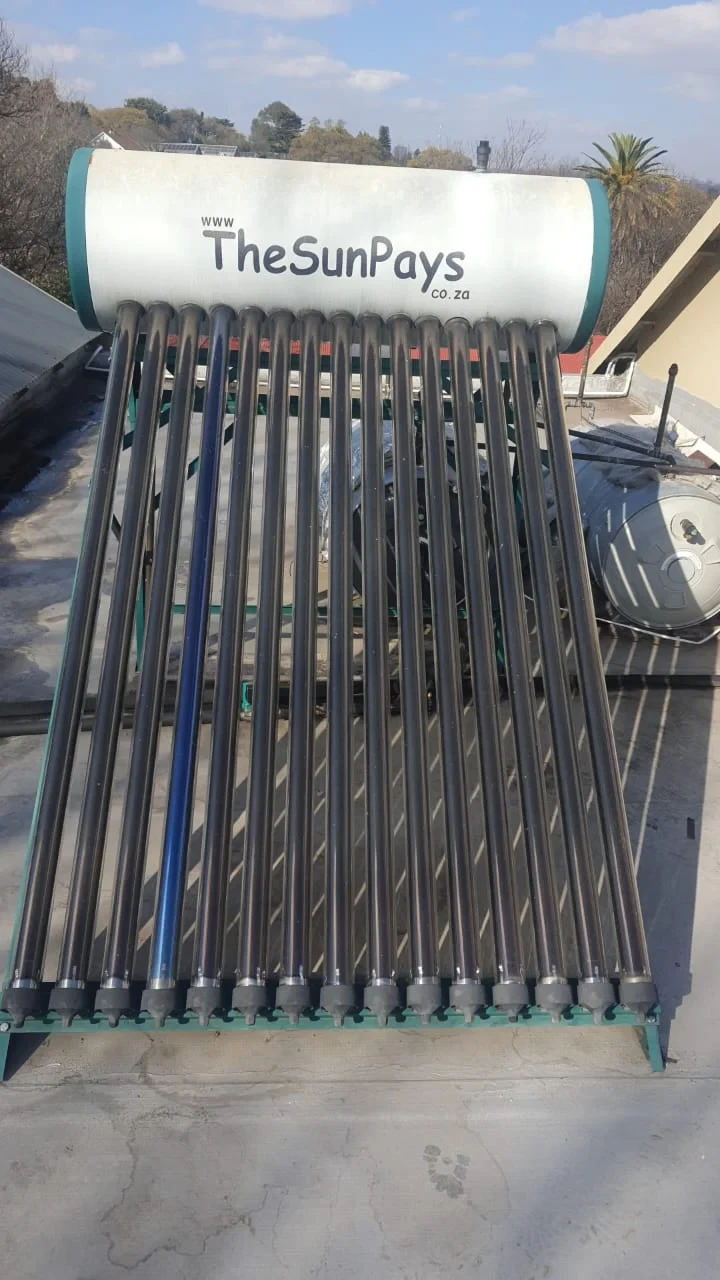
Evacuated-tube collector and rooftop frame
The green frame supports the evacuated tubes beneath the horizontal TheSunPays cylinder. When sizing a solar geyser conversion, we check how much collector area the roof can accommodate and how quickly the proposed system can reheat water after periods of heavy use.
Practical system knowledge
How an Evacuated Tube Solar Geyser Conversion Works
Evacuated tubes collect solar energy through an absorber protected by a vacuum layer. The vacuum limits heat loss to the surrounding air, helping the collector retain useful heat even when outdoor temperatures are lower. That energy is transferred through the solar circuit and used to heat water stored in the geyser.
How Evacuated Tubes Support Higher Demand
Performance depends on the entire system, not only the tubes. Roof orientation, collector angle, circulation, pipe diameter and insulation all influence the amount of useful heat that reaches the cylinder. Poor installation can waste energy and create maintenance problems even when good equipment is used.
Why Tube Quality and Collector Position Matter
The collector needs reliable exposure to sunlight and secure support. We evaluate shading, roof direction and mounting points before positioning the array.
Why Heat-Loss Protection Matters
External pipework must be insulated and weather-protected. Heat lost between the collector and cylinder reduces efficiency and may increase dependence on electrical backup.
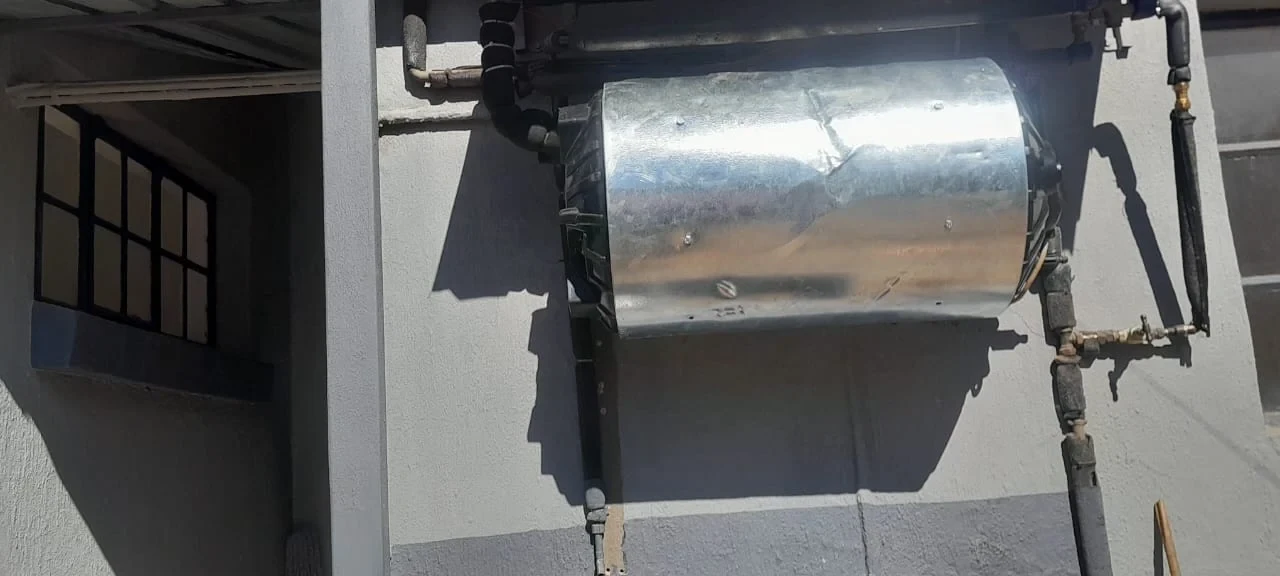
Outdoor geyser cylinder and pipe connections
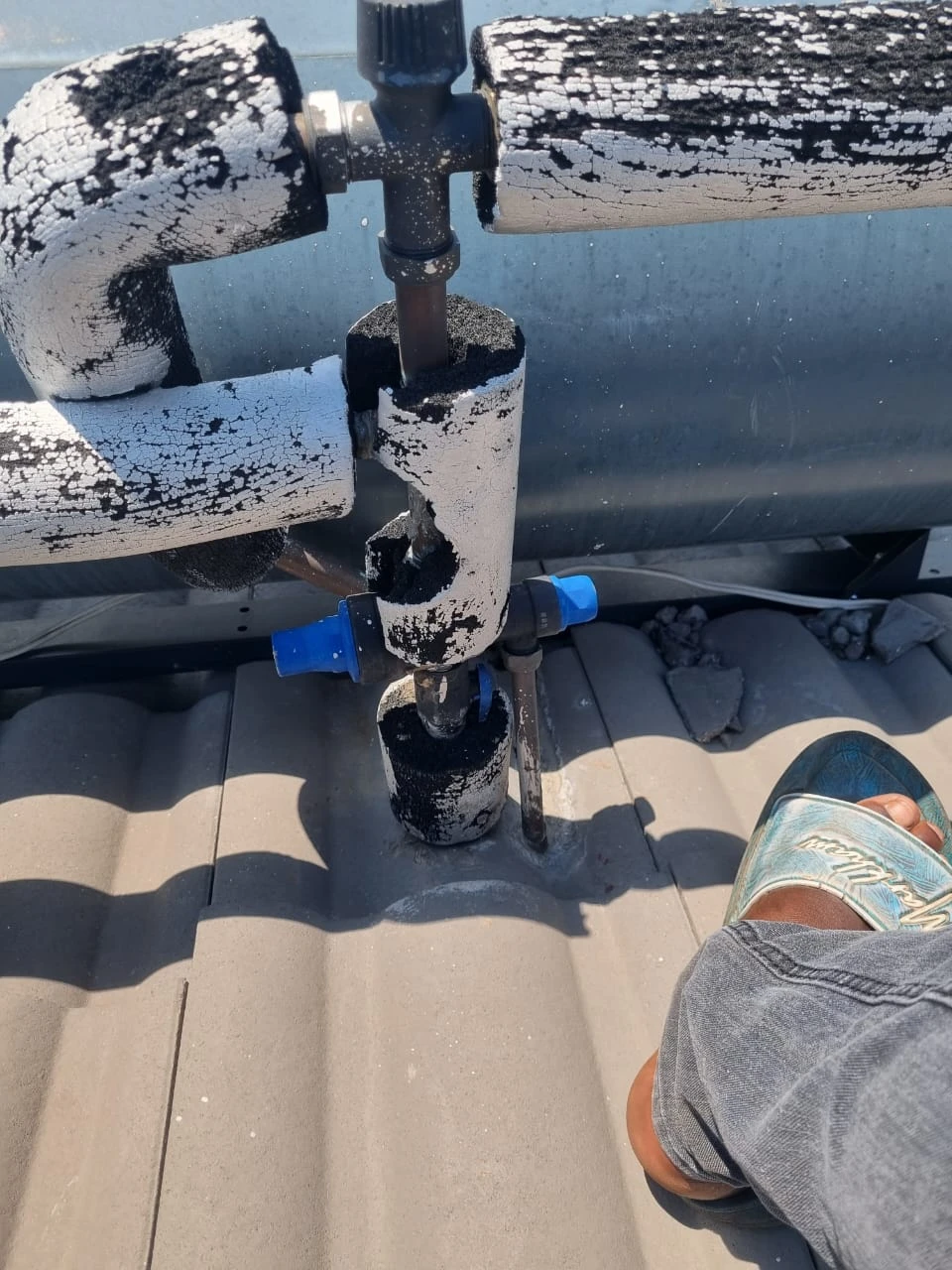
Pipework runs around both ends of this outdoor cylinder, with insulation visible on several sections. During a solar geyser conversion, we check how the collector pipework can connect to the cylinder, where exposed runs need insulation to limit heat loss and whether fittings will remain accessible for servicing.
The insulation has split and worn away in places, leaving sections of rooftop pipe exposed near the valve fittings. When servicing or converting a solar geyser, we check the exposed runs and renew deteriorated insulation where needed to reduce heat loss.
Choices that affect performance
Our Solar Geyser Conversion Installation Process
We begin with a technical inspection and a discussion about household expectations. The condition of the existing geyser and safety components is checked, roof access is assessed and suitable collector placement is identified. We then explain the recommended work and provide a clear quotation before installation starts.
Planning Collector and Pipework for 300L
During installation, the mounting system is secured, pipe routes are planned neatly and all exposed lines are insulated. Connections, valves and controls are installed according to the system design. We avoid rushed shortcuts because larger-capacity systems need sound support and reliable circulation.
Commissioning the Completed System
Commissioning includes leak testing, circulation checks and confirmation that backup heating and controls operate correctly. We also explain the completed installation to the customer so normal operation, practical settings and warning signs are understood.
Your assessment and quotation
The customer receives a clear explanation of what can remain, what must be replaced and why each item is included.
Secure Mounting and Neat Pipework
Roof work is planned carefully to protect the structure and produce a tidy, serviceable installation.
Making sure it works
We verify system operation before leaving and provide practical guidance for daily use and future maintenance.
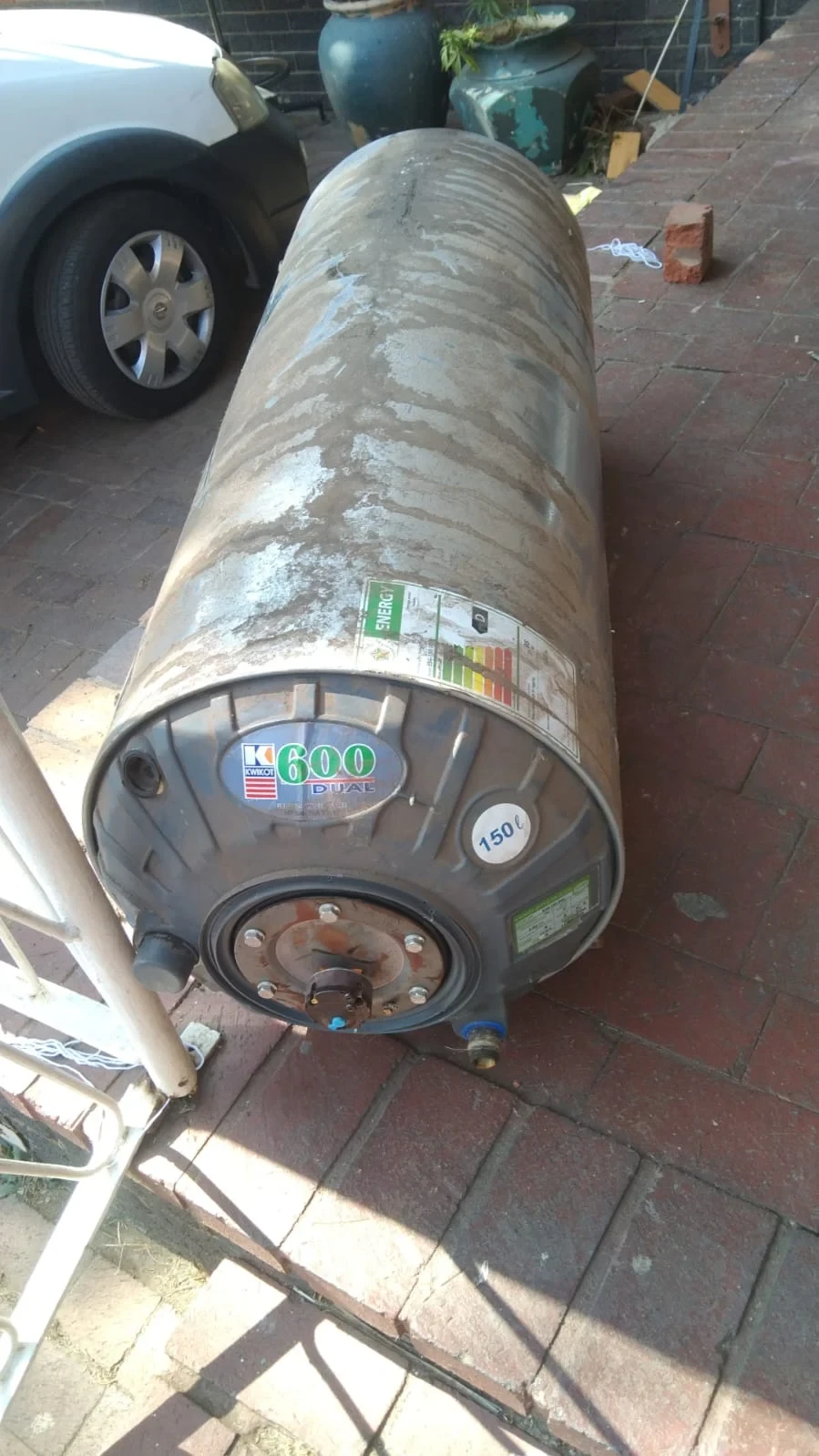
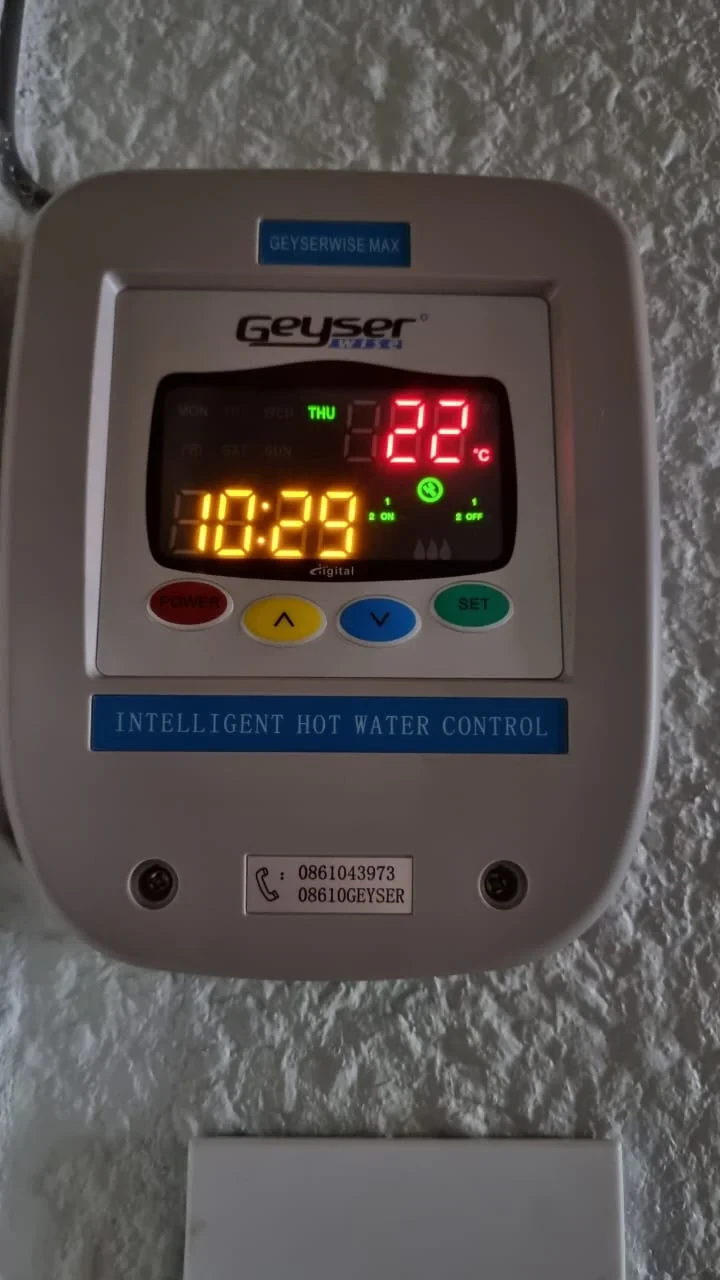
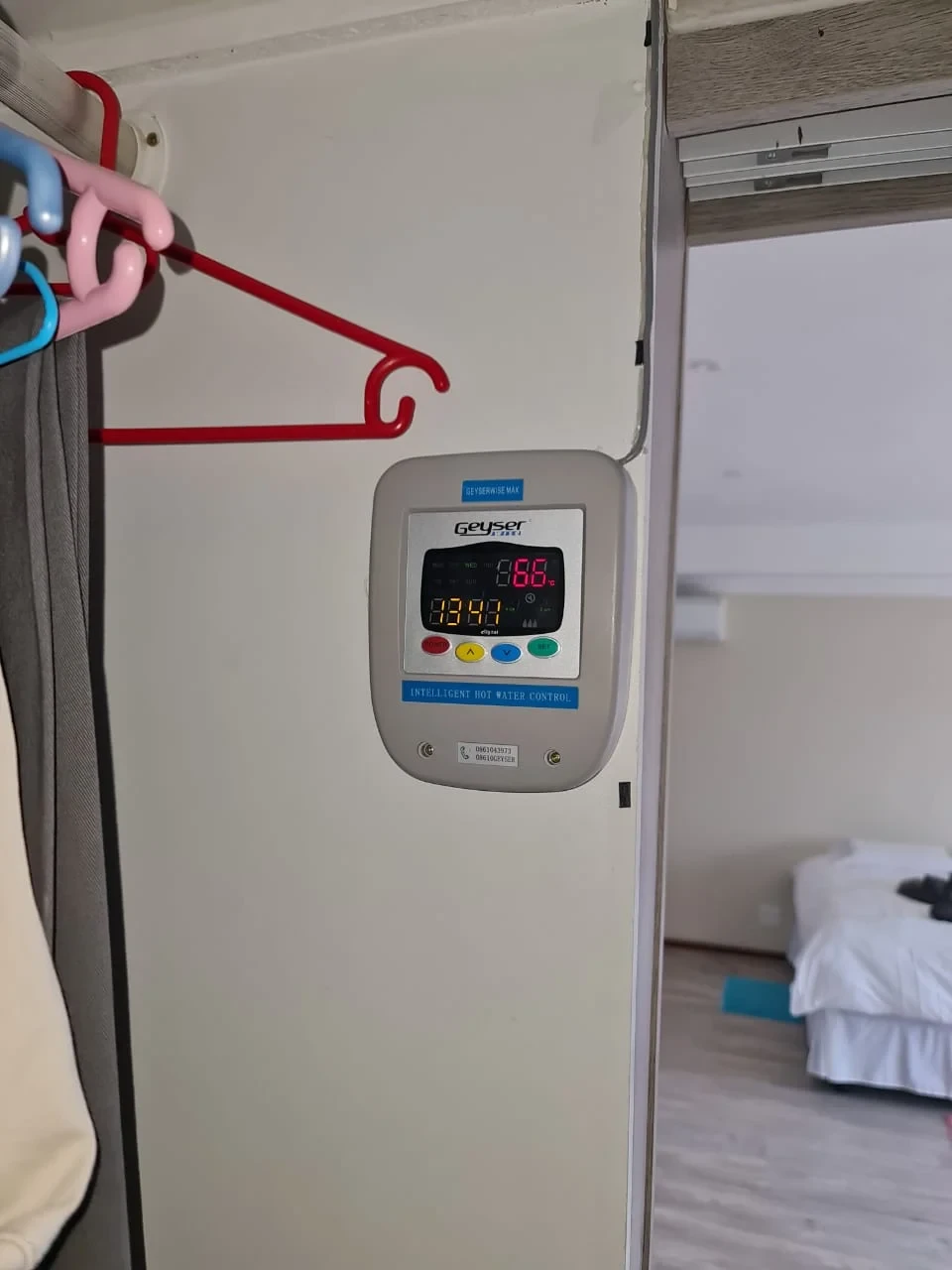
This cylinder is labelled 150 litres, and its end flange and pipe connections are visible. Before quoting a 300-litre solar geyser conversion, we check the existing cylinder's capacity and condition to determine whether it can be reused. If replacement is needed, the quote can account for access, new connections and removal of the existing cylinder.The GeyserWise Max display shows the water temperature and time. When we fit this controller during a solar geyser conversion, we explain how to read the display and set backup heating around your household’s hot-water needs.
Protecting the installation
Benefits of a Professionally Installed Solar Geyser Conversion
Solar-assisted water heating can reduce the electricity used by the geyser, particularly when household routines and controller settings allow the sun to do most of the heating. Savings vary with demand, weather and system design, so we focus on realistic expectations rather than exaggerated claims.
Long-Term Value From Correct Specification
A conversion may also preserve the value of a serviceable cylinder. Where the existing geyser remains safe and structurally sound, retaining it can avoid unnecessary replacement while adding solar collection. Our inspection determines whether this is a responsible option.
Reduced Electrical Demand
Solar input can provide a meaningful share of daily heating and reduce unnecessary element use.
Comfort for Larger Households
Correct sizing helps maintain a dependable hot-water supply during normal family routines.
Long-Term Serviceability
A well-planned installation remains accessible for inspections, tube replacement, valve service and future repairs.
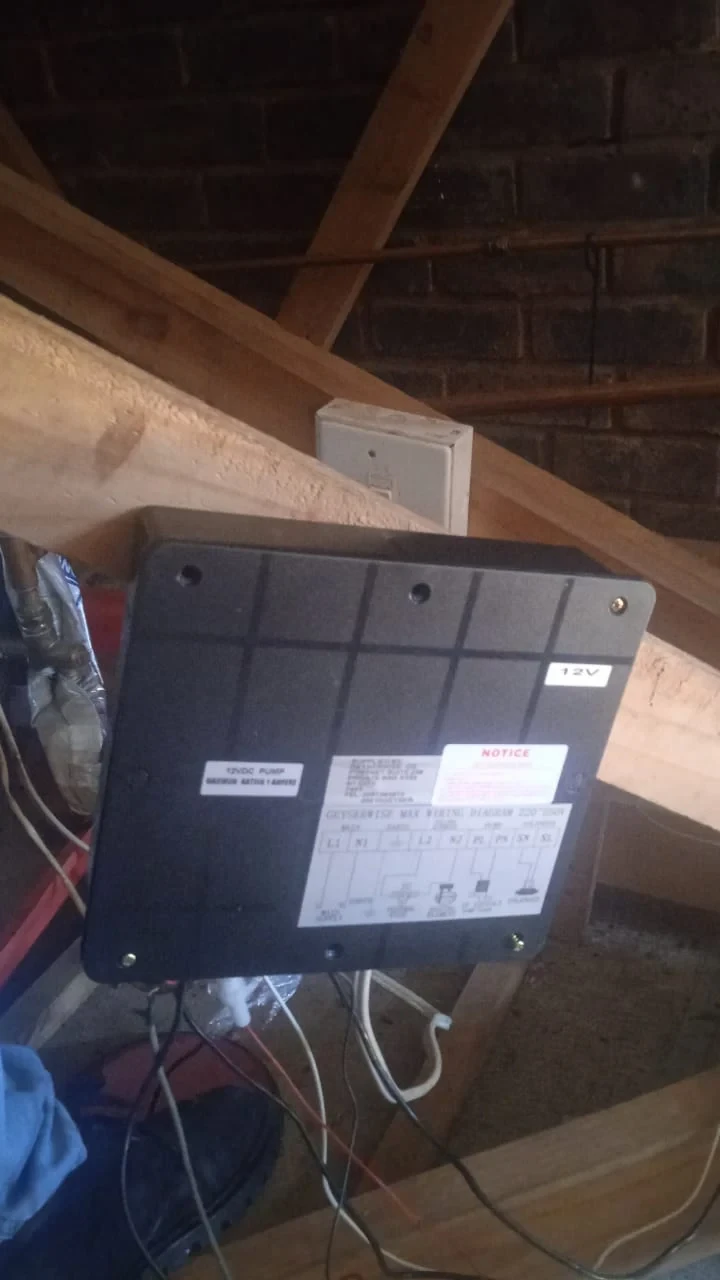
The photo shows a control box beside the roof timbers, with a wiring diagram on its cover and cables below. During a solar geyser conversion, we plan the wiring route and leave room to reach the control box for servicing.
Keeping the operating controls within reach
We discuss a practical controller position as part of the installation. Accessible controls make it easier to check the operating status and report a displayed fault. Our team explains the settings that apply to the completed arrangement.
Long-term value
Maintenance, Repairs and Common Solar Geyser Faults
Solar geyser systems should be inspected when performance changes, electricity use rises unexpectedly or visible damage appears. Broken tubes, deteriorated insulation, leaking fittings, failed valves and control problems can all reduce efficiency or threaten the property.
Diagnosing Faults Before Replacing Parts
Our plumbers diagnose the full system before replacing components. Poor hot-water delivery may result from high demand, low solar input, circulation problems, electrical backup faults or safety-valve issues. Proper diagnosis prevents unnecessary part replacement.
Clear Repair Options Before Work Continues
We explain the fault, proposed repair and cost before proceeding. Customers should understand what failed and how the repair will restore safe, dependable operation.
Broken or Damaged Evacuated Tubes
Damaged tubes should be assessed promptly, but overall collector performance must also be checked.
Leaks and Weather-Damaged Insulation
Outdoor components face constant heat, sunlight and rain. Early repairs help prevent heat loss and water damage.
Control and Backup Heating Problems
Timer, thermostat or element faults can affect comfort and electricity use. We test rather than guess.
Clear answers
Why Homeowners Choose Our Solar Geyser Plumbers
Homeowners need more than technical equipment; they need a plumber who communicates, respects the property and takes responsibility for the result. We arrive with a clear plan, explain the work and keep the customer informed.
Honest Recommendations Without Pressure Selling
Our recommendations are based on the property and household, not on selling the largest available system. We explain alternatives honestly and obtain approval before additional work is completed.
Clear Quotations
We state what is included and identify necessary repairs before work begins.
Respectful Workmanship
Access, roof surfaces and interior areas are treated carefully throughout the project.
Ongoing Support
Customers can return to the same team for inspections, maintenance and fault diagnosis.
The next sensible step
Frequently Asked Questions About 300 Litre Solar Geyser Conversions
These answers provide a practical starting point. Final recommendations depend on the property, existing geyser and actual hot-water demand.
How many people can a 300 litre system serve?
It is often considered for five or more people or properties with consistently high demand, but usage patterns, bathrooms and peak demand must be assessed before confirming suitability.
Will it work during winter?
Evacuated tubes can collect heat in cooler weather, although backup heating may still be required when solar input is low.
Can the existing geyser be retained?
It may be retained if the cylinder, valves and installation are suitable. We inspect these components before recommending conversion.
How long does installation take?
Duration depends on roof access, pipe routing and required repairs. A realistic timeframe is provided after assessment.
What maintenance is required?
Periodic inspection of tubes, insulation, fittings, valves and controls helps protect efficiency and reliability.
Request a 300 Litre Solar Geyser Assessment
Speak to our plumbers about your household’s hot-water demand, existing geyser and roof layout. We will assess the system and provide a clear quotation before work begins.
What details should I send when booking a 300 litre solar geyser assessment?
Tell us whether you need a conversion, a new installation or a repair. Include your current geyser capacity if known, when your household uses the most hot water and whether the geyser runs out. For a repair, mention any visible leaks or share the exact controller message. Ground-level photos can help show the available collector space.
Can converting my 150 litre geyser to solar give me 300 litres of storage?
No. Adding a solar collector changes how the water is heated. The cylinder still holds 150 litres. If the assessment confirms you need 300 litres of storage, the quote can include a larger cylinder, new connections and removal of the old unit.
Can I install evacuated tubes if part of my roof is shaded?
Possibly, if there is a suitable mounting spot that gets reliable sunlight. The assessment checks shading, roof direction and whether there is enough securely mountable space for a collector sized to your hot-water demand.
Why is my solar geyser using more electricity than usual?
Less sunlight or heavier hot-water use can make the electrical backup run more often. If neither explains the increase, book an inspection. A plumber can check for heat loss from exposed pipes, poor circulation or a fault with the backup controls.
What should a 300 litre solar geyser conversion quote include?
The quote should identify the proposed collector, connections, controls and any agreed electrical work. It should also explain which existing components can be kept and which need repair or replacement before installation.
Helpful plumbing guides
Learn more about 300 Litre Evacuated Tube Solar Geyser Conversion
Helpful reading on 300 litre evacuated tube solar geyser conversion: warning signs, first-response steps, and what to expect from a professional visit. Save time, reduce damage, and know when to call 067 657 6109.
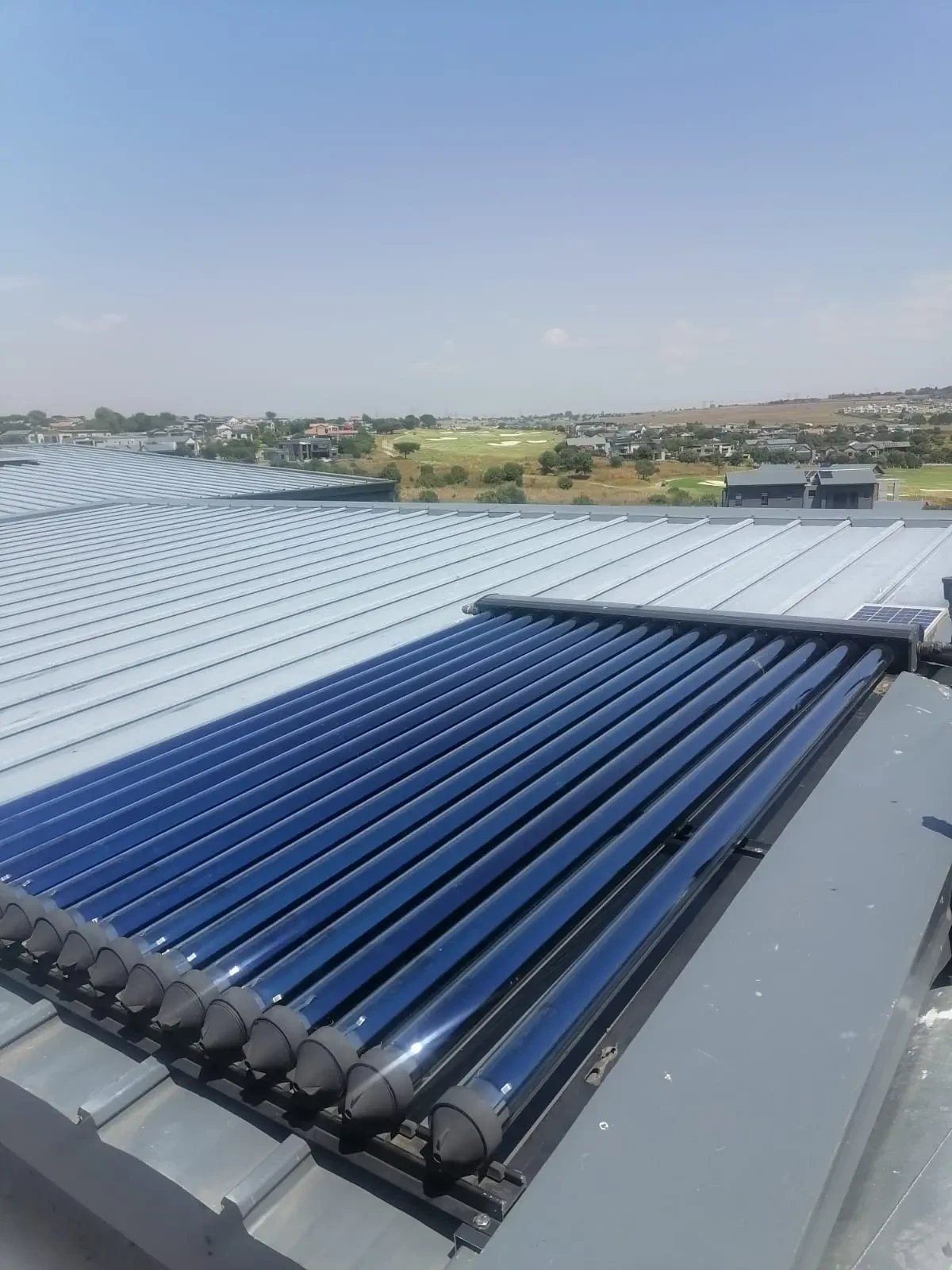
The blue evacuated tubes on this roof collect heat for the geyser. For a solar geyser conversion, we size the collector around your household’s hot-water demand so solar heat can reduce the electricity needed for backup heating.
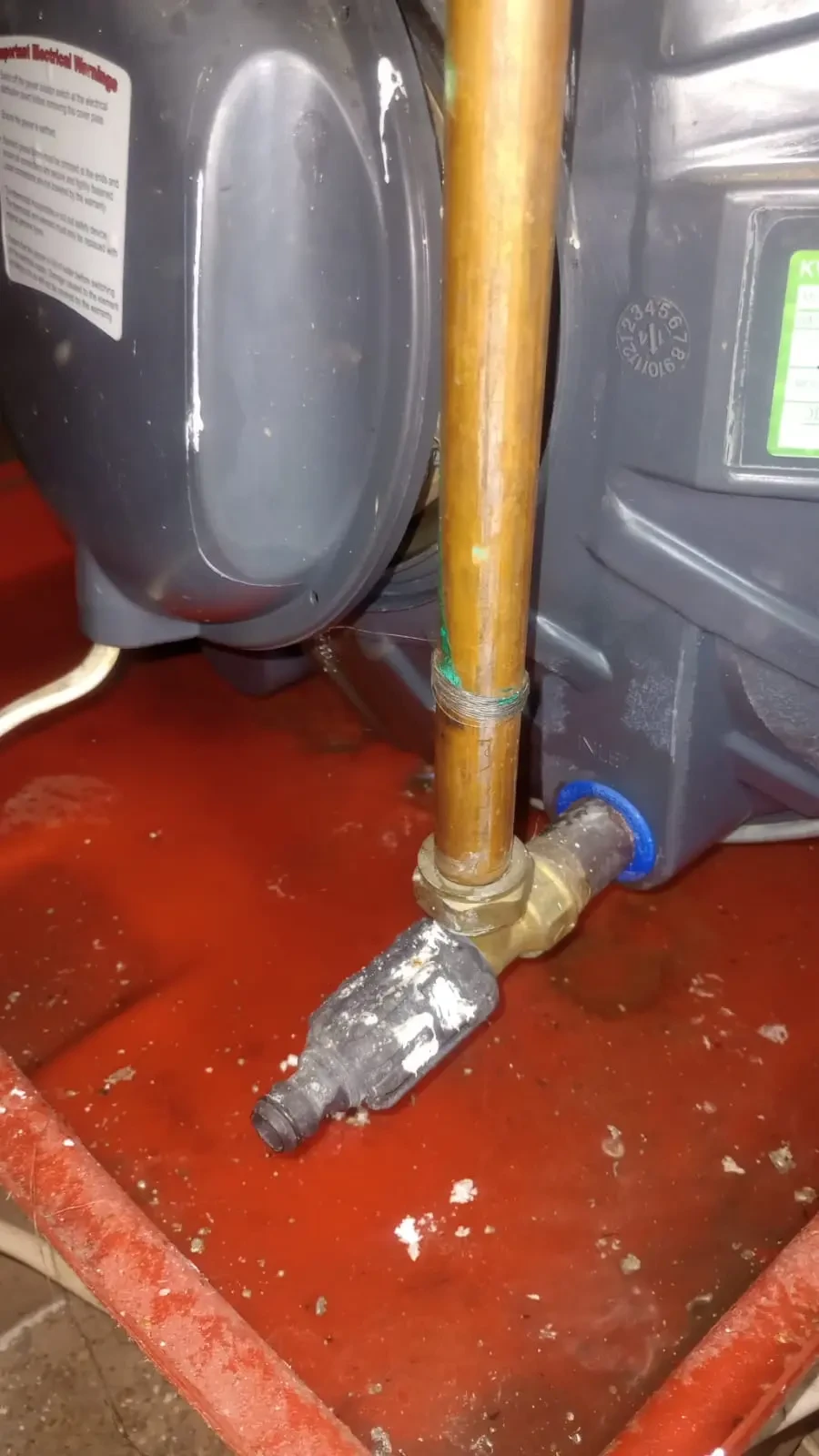
The photo shows a copper pipe and brass connection above the geyser’s red drip tray. When you report a leak, we check the cylinder and its connections to trace where the water is coming from. Report leaks promptly and keep clear of wet electrical equipment.
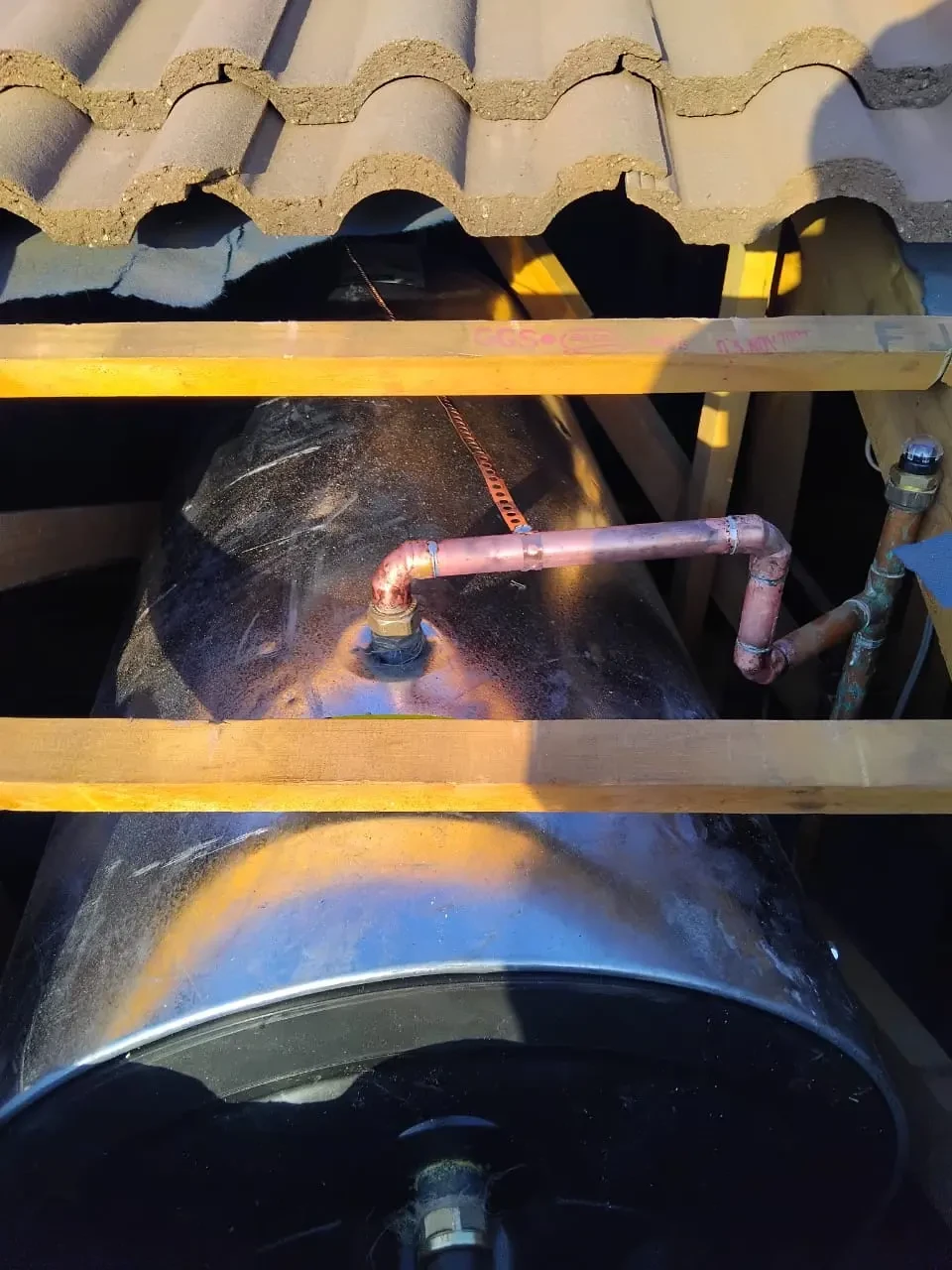
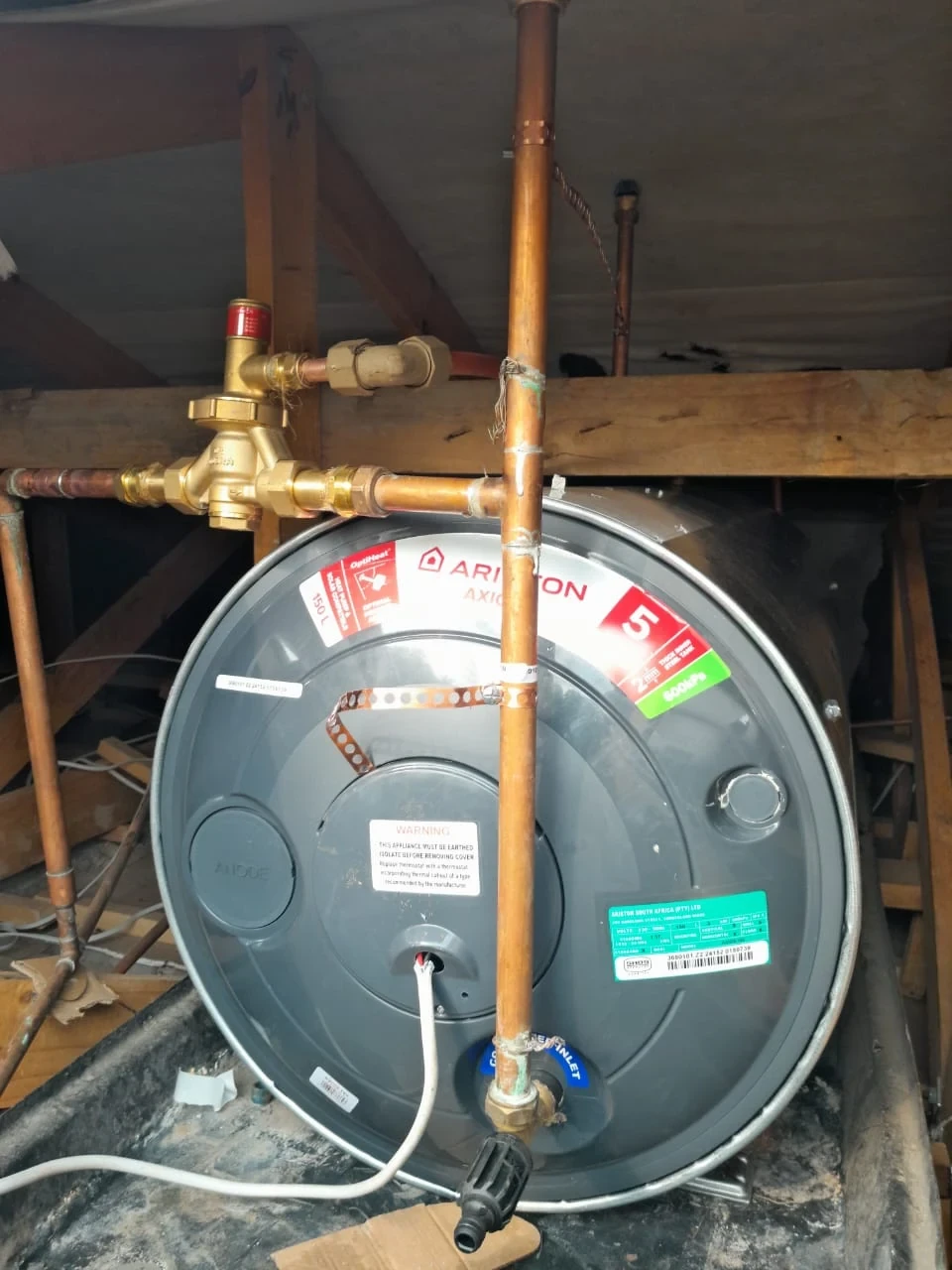
This horizontal geyser sits beneath the roof battens, with copper pipework connected at the top. When comparing a solar conversion with replacement, ask whether the quote covers roof access, the cylinder, valves and any changes to the pipework.
This roof-space geyser shows copper pipework, a brass valve and a drip tray beneath the tank. When we install or replace a geyser, we check the pipework, valves and tray drainage to help protect the ceiling below from water damage.