Review the drainage symptoms
We establish which fixtures are affected and whether the problem is intermittent or widespread. For more background, read Can a 24/7 plumber handle sewer line repairs?.

Access, pipe condition and the position of the fault determine the work. We explain whether clearing can restore flow or whether damaged pipework needs a targeted repair, including any excavation and making good agreed in the quote.
Sometimes. The location and length of the damaged section, the pipe condition on either side and working access guide whether a spot repair or longer replacement is appropriate.
We start with the affected outlets and accessible inspection points. Where the line can be reached, camera inspection helps identify roots, breaks and the section that needs further work.
It can indicate a restriction in a shared line. Avoid using the affected fixtures, keep clear of wastewater and arrange an urgent assessment.
The quote depends on the depth and length of the affected run, the surfaces above it, and how the team can reach the pipe. Ask whether excavation and reinstatement are included.
Clearing roots can restore flow. If roots entered through a damaged joint or crack, repairing that opening may be needed to reduce recurrence.
Knowing what to expect makes it easier to arrange the service with confidence. Here is how we assess, complete and verify the work from first contact through to completion.
We establish which fixtures are affected and whether the problem is intermittent or widespread. For more background, read Can a 24/7 plumber handle sewer line repairs?.
Manholes, rodding eyes and connected drains are checked to locate the restricted section.
The signs help determine whether build-up, foreign material, roots or pipe damage may be involved. For more background, read Why is Timely Drain Cleaning Very Important for Homeowners?.
The method is matched to the sewer size, access, condition and type of blockage. For more background, read Why drain cleaning helps you stay healthy.
Obstructions and accumulated deposits are removed or flushed through as safely as possible.
Flow and accessible sections are checked, with camera inspection considered when recurring faults suggest damage.
Water is run through affected fixtures to confirm that the sewer accepts normal flow.
We provide practical prevention advice and identify repair work only where inspection shows it is needed.
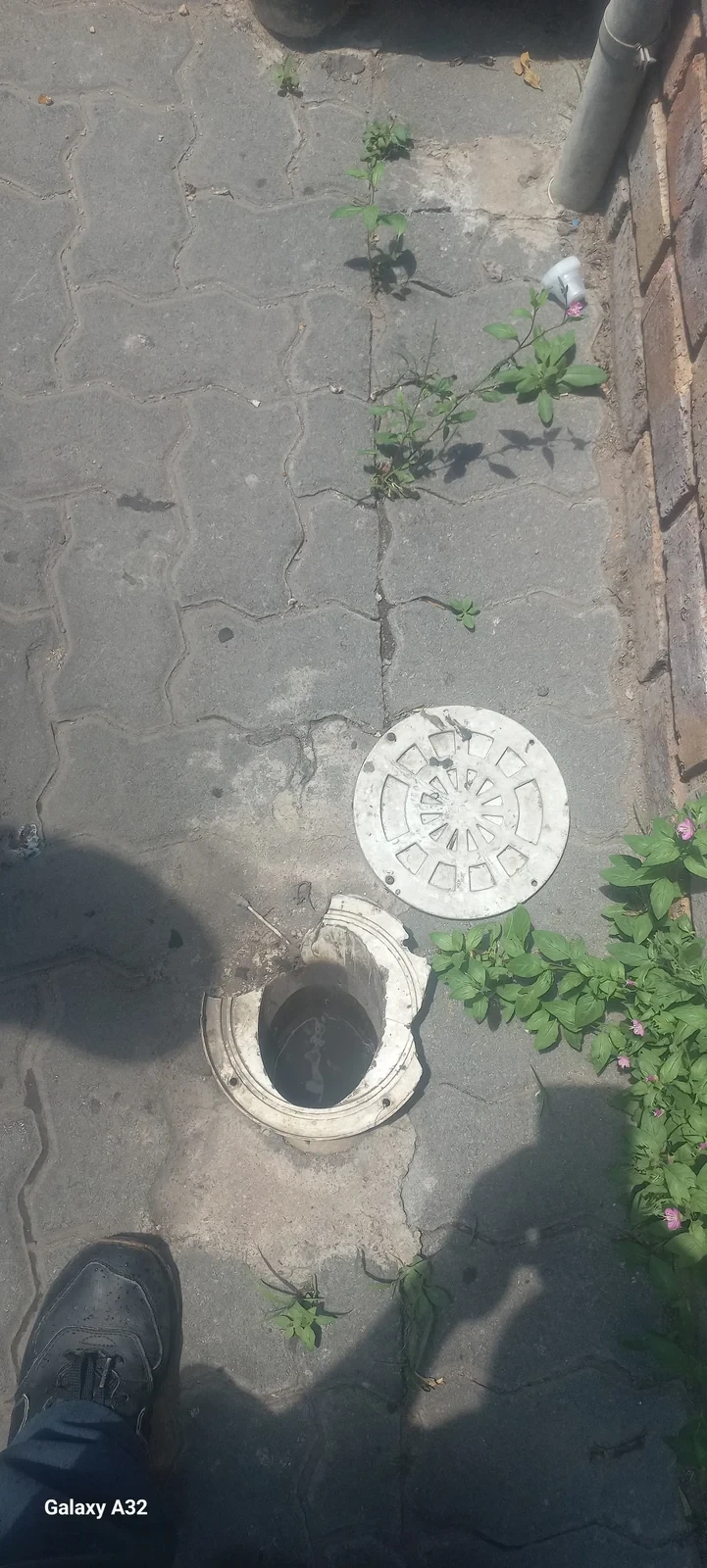
We removed the grate to reach this drainage connection. The first check is whether the restriction belongs to the local waste branch or the sewer it joins. That prevents unnecessary work on a fixture when the obstruction lies farther downstream.
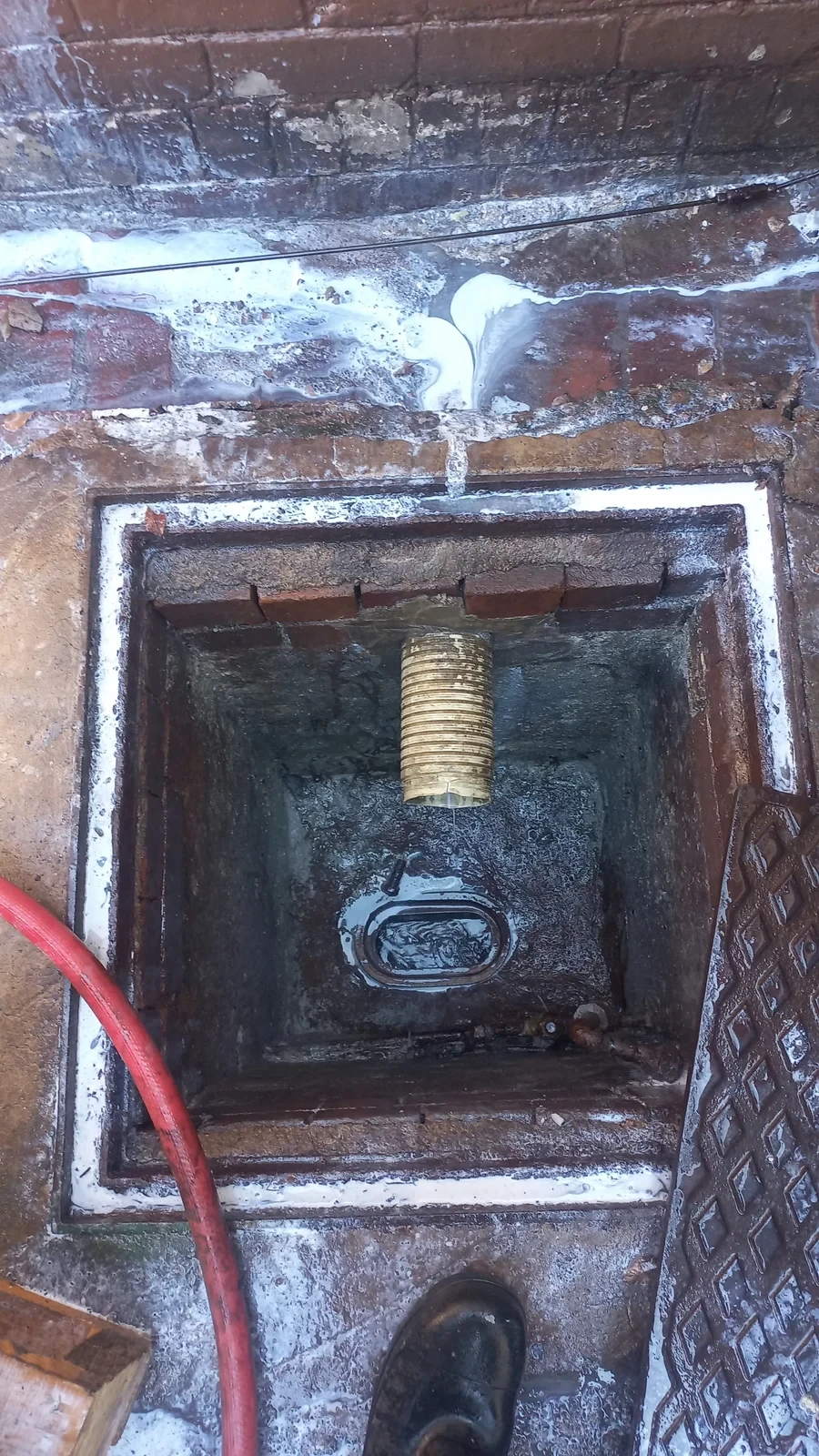
We opened this chamber to reach the drain during cleaning. Accessible chambers help us choose the working direction and observe what happens as the obstruction is removed. We keep the opening protected while the work is under way and close it when the checks are complete.
Professional sewer line cleaning and unblocking starts with a clear understanding of a restricted or blocked sewer line. We focus on what the service covers and why a correct first assessment matters, because a rushed assumption can leave the real cause unresolved and allow multiple fixture backups, gully overflows and persistent sewage odours to continue.
How Sewer Line Cleaning and Unblocking Works in Practice is important because multiple fixture backups, gully overflows and persistent sewage odours can develop quickly when grease, wipes, scale, collapsed sections, foreign objects or tree roots. We check the relevant components and explain what the findings mean before recommending the next step.
In practice, why professional sewer line cleaning and unblocking matters involves inspecting access points, flow patterns and, where required, using camera inspection to assess the line. This prevents unnecessary replacement and helps ensure the proposed work addresses the actual source of the fault.
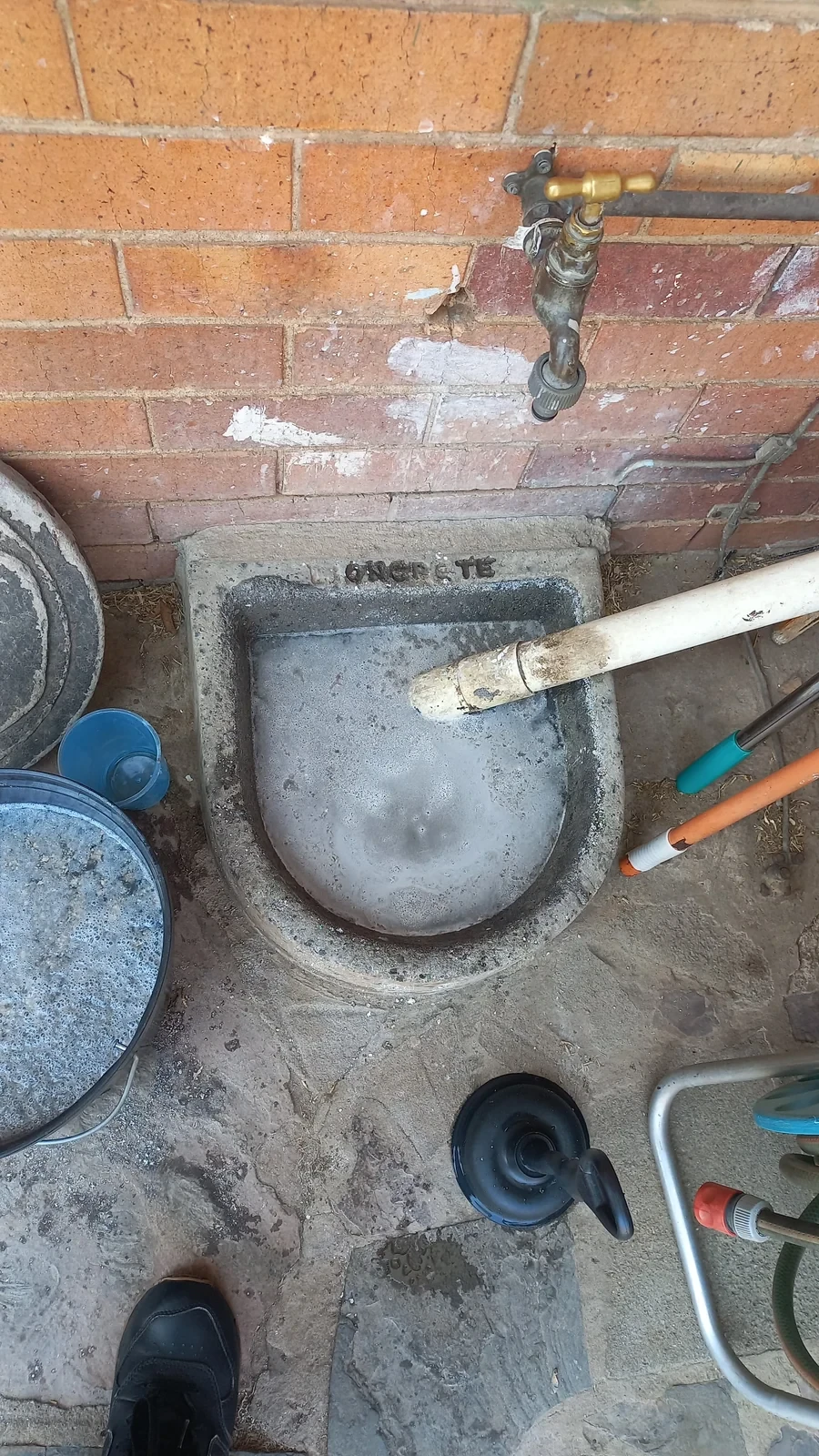
We investigate the gully and the connected run when wastewater backs up outside. A gully trap holds water normally, but a level that keeps rising during fixture use points to drainage that needs attention. We clear the affected section and check the response under use.
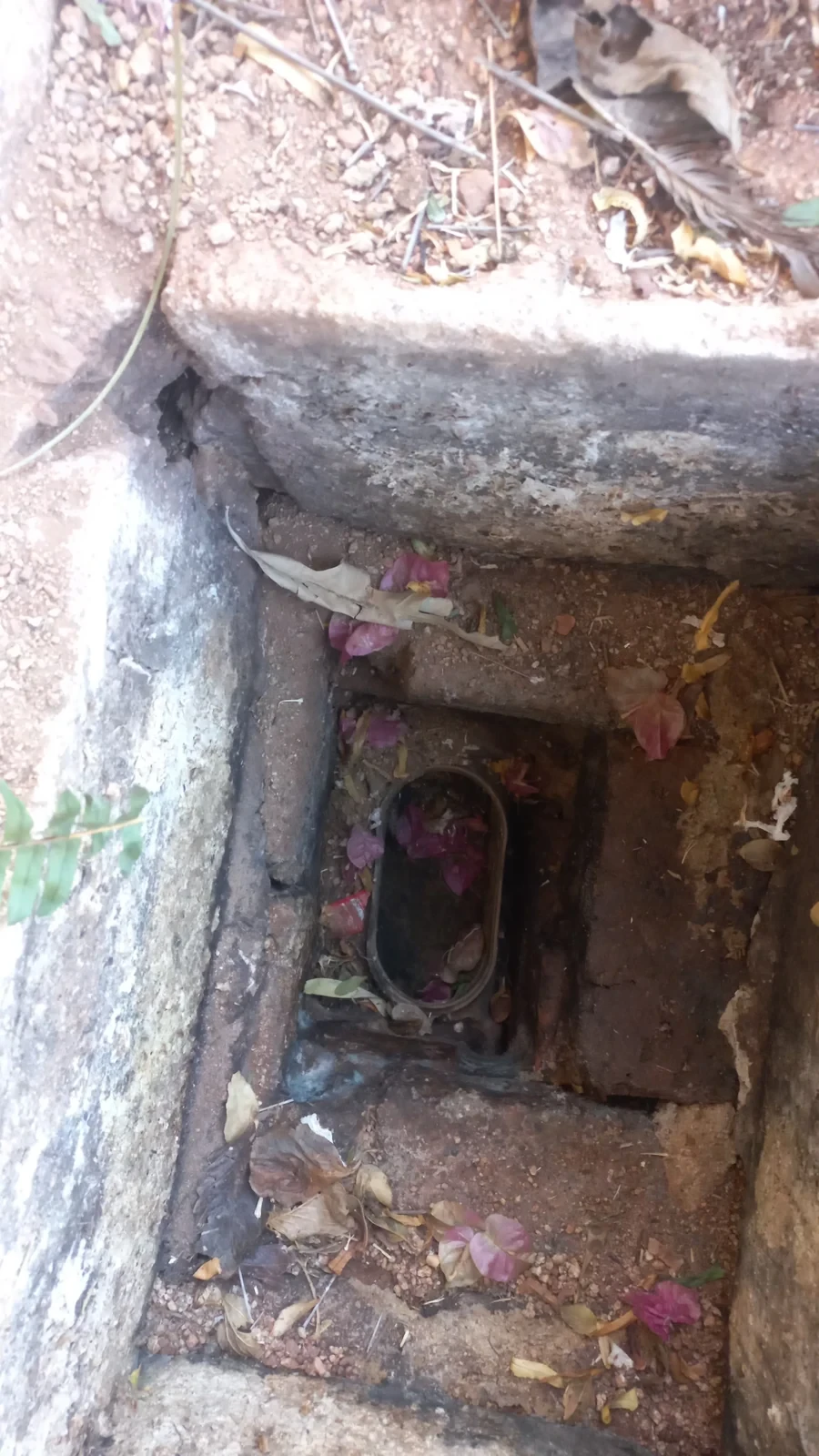
We uncovered the rodding eye to reach the sewer line. Sometimes restoring a usable access point is part of getting the blockage cleared properly. If the surrounding fitting is damaged, we explain its repair as well as the immediate unblocking.
The most reliable approach to sewer line cleaning and unblocking is to confirm the condition of the complete connection or system, not only the most visible symptom. This section explains the symptoms that indicate attention is needed before the fault becomes more disruptive and how the work is planned for residential, commercial and shared drainage systems.
Initial Assessment of the Blocked Sewer Line is important because multiple fixture backups, gully overflows and persistent sewage odours can develop quickly when grease, wipes, scale, collapsed sections, foreign objects or tree roots. We check the relevant components and explain what the findings mean before recommending the next step.
In practice, confirming the cause before cleaning and unblocking involves inspecting access points, flow patterns and, where required, using camera inspection to assess the line. This prevents unnecessary replacement and helps ensure the proposed work addresses the actual source of the fault.
Where repair is suitable, the work may involve clearing the obstruction with an appropriate method and verifying flow through the affected section. All accessible connections are checked and the system is tested before it is returned to normal use.
Delaying attention can lead to sewage contamination, property damage and repeated emergency call-outs. Early action usually limits secondary damage, improves access to the fault and gives the customer more practical repair choices.
For residential, commercial and shared drainage systems, protecting the property during the work must account for usage, access and the condition of existing services. We select compatible materials and avoid changes that could place unnecessary strain on other parts of the installation.
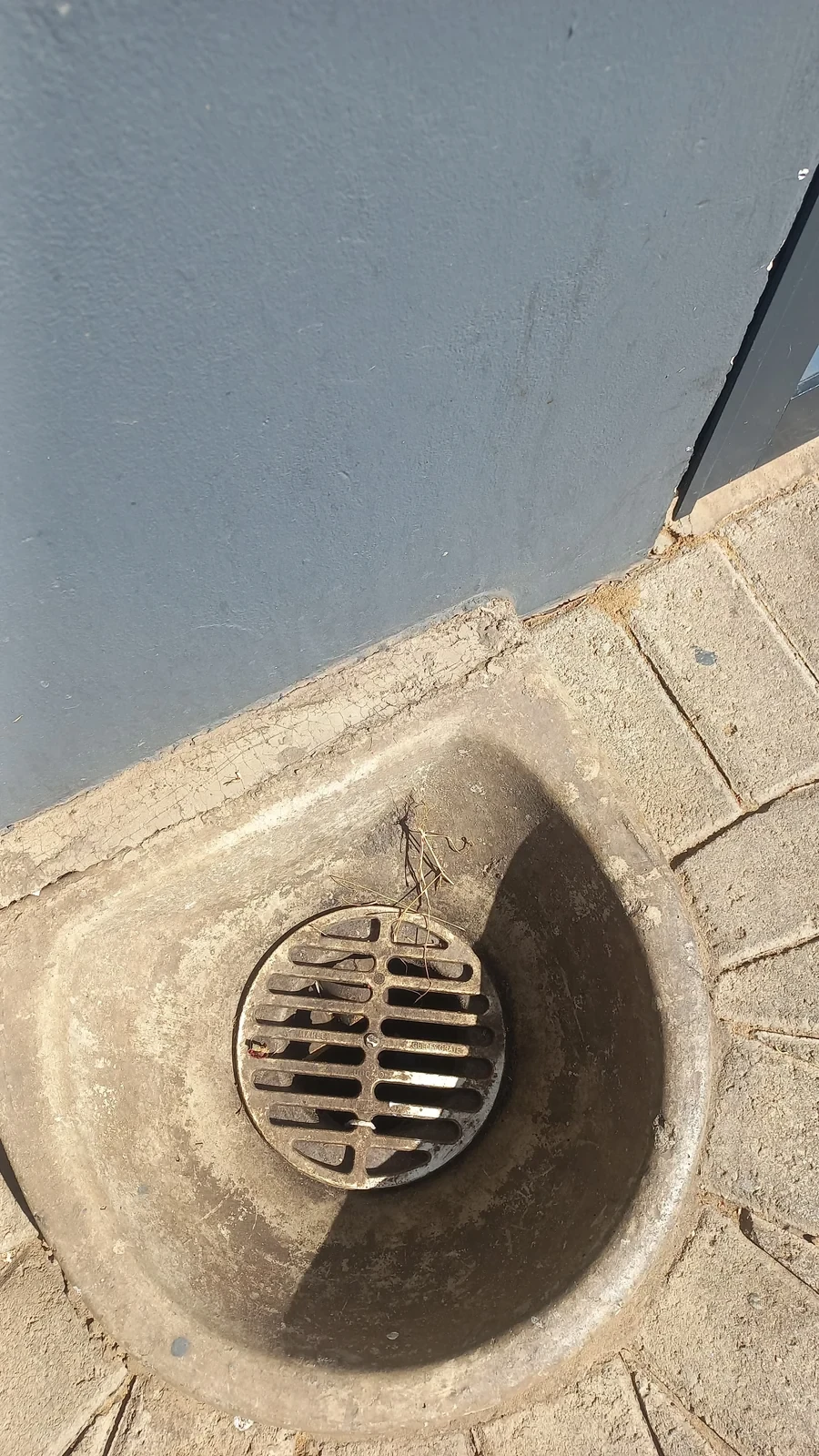
We check the connected outlet after clearing the line. Water should move away during normal fixture use without the same backup developing at the gully. Keeping the grate clear also reduces the loose debris that can enter from the surface.
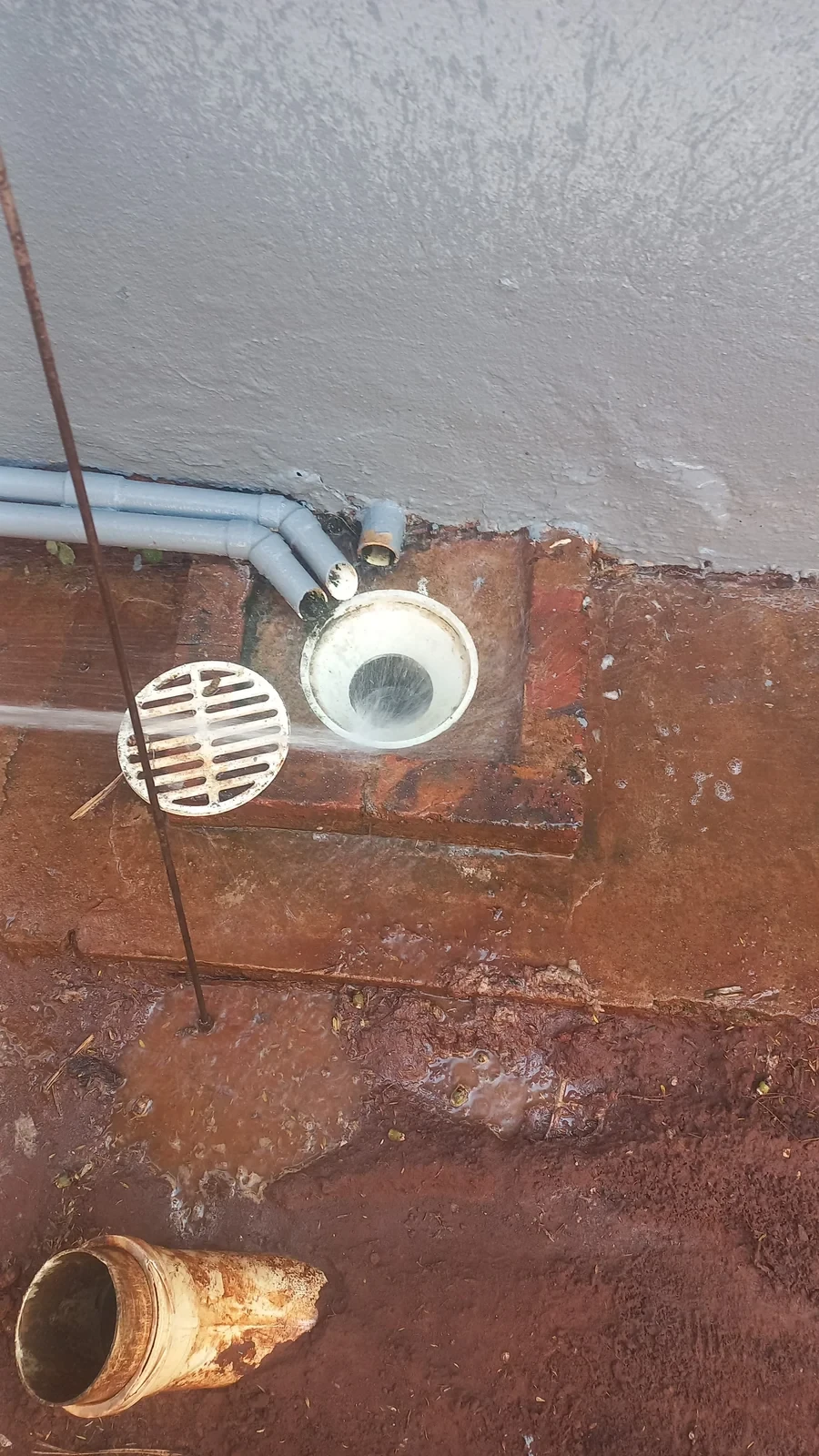
We opened this waste outlet during the drainage work. The small fixture branch needs checking as well as the larger sewer connection, because an obstruction can sit at either point. We reconnect the outlet and replace the cover after the work is checked.
Customers usually request sewer line cleaning and unblocking after noticing multiple fixture backups, gully overflows and persistent sewage odours. A structured inspection helps distinguish a local fault from a wider system issue and supports a repair that is practical, safe and suited to the property.
Early Warning Signs of a Blocked Sewer Line is important because multiple fixture backups, gully overflows and persistent sewage odours can develop quickly when grease, wipes, scale, collapsed sections, foreign objects or tree roots. We check the relevant components and explain what the findings mean before recommending the next step.
In practice, visible symptoms that need attention involves inspecting access points, flow patterns and, where required, using camera inspection to assess the line. This prevents unnecessary replacement and helps ensure the proposed work addresses the actual source of the fault.
Where repair is suitable, the work may involve clearing the obstruction with an appropriate method and verifying flow through the affected section. All accessible connections are checked and the system is tested before it is returned to normal use.
Delaying attention can lead to sewage contamination, property damage and repeated emergency call-outs. Early action usually limits secondary damage, improves access to the fault and gives the customer more practical repair choices.
For residential, commercial and shared drainage systems, preventing secondary water damage must account for usage, access and the condition of existing services. We select compatible materials and avoid changes that could place unnecessary strain on other parts of the installation.
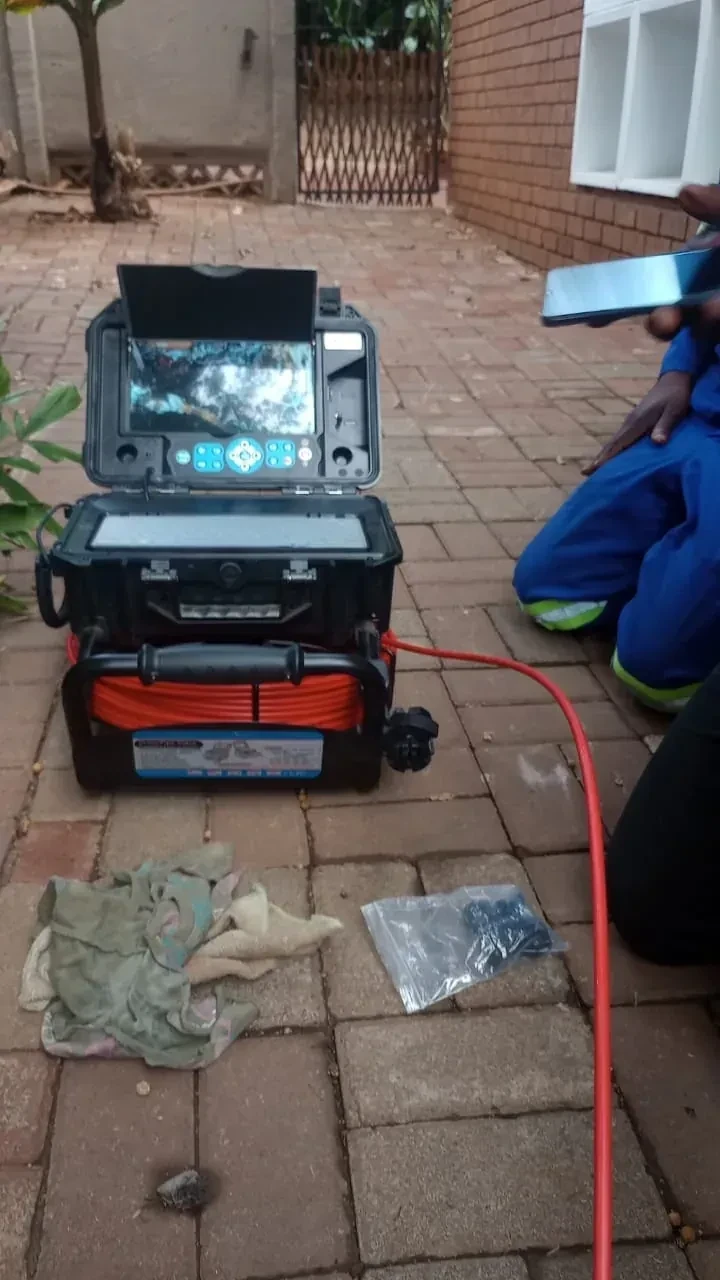
If the sewer keeps blocking after clearing, camera inspection can help show damaged joints, root entry or remaining restrictions. We explain the part of the run that can be reached and any clearing needed for a useful view before recommending further work.
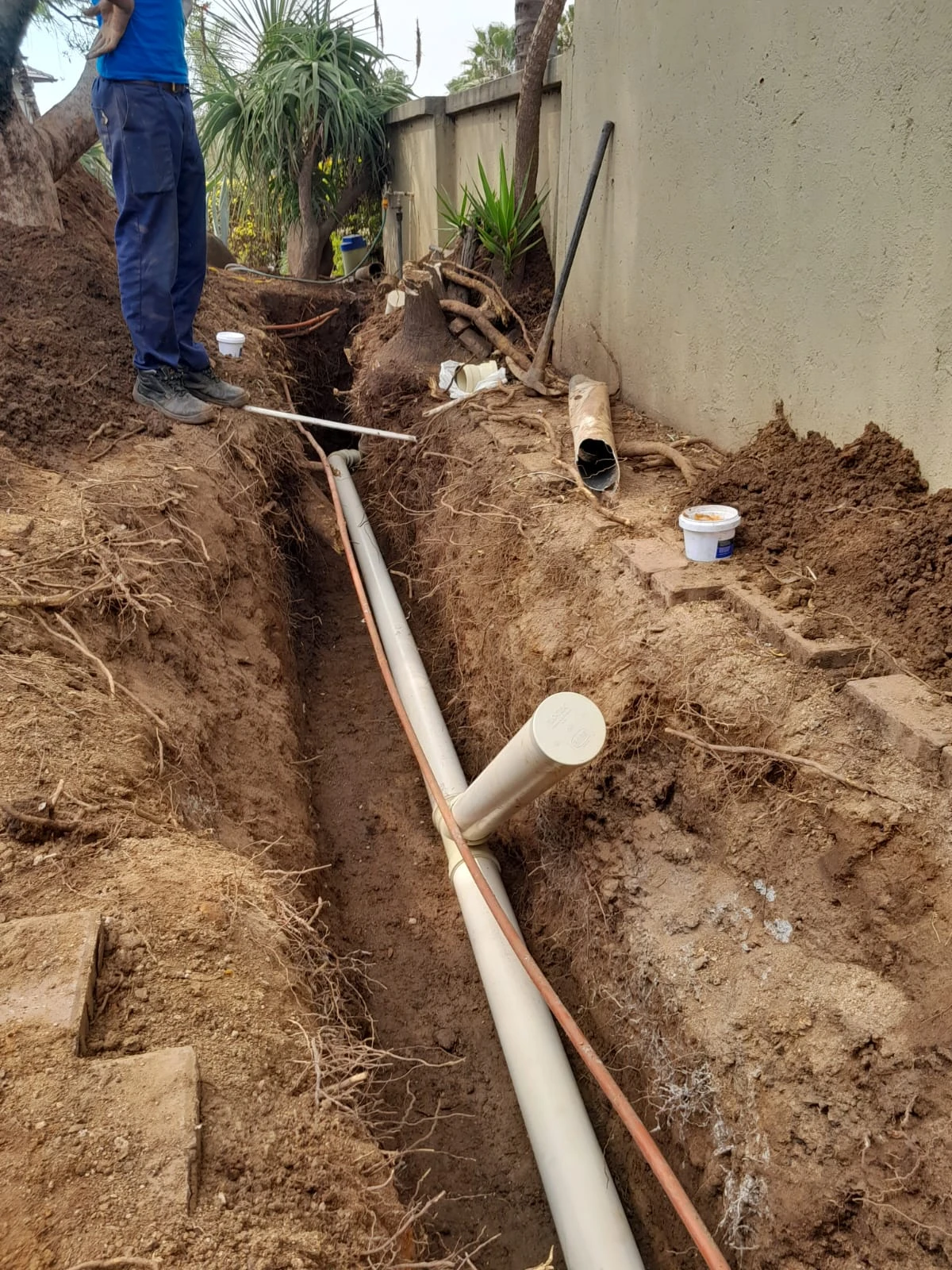
The correct solution for a restricted or blocked sewer line varies according to age, condition, layout and use. We explain the findings, define the work required and obtain approval before proceeding with the agreed repair or installation.
Repair Options for the Sewer Line is important because multiple fixture backups, gully overflows and persistent sewage odours can develop quickly when grease, wipes, scale, collapsed sections, foreign objects or tree roots. We check the relevant components and explain what the findings mean before recommending the next step.
In practice, when component replacement is more reliable involves inspecting access points, flow patterns and, where required, using camera inspection to assess the line. This prevents unnecessary replacement and helps ensure the proposed work addresses the actual source of the fault.
Where repair is suitable, the work may involve clearing the obstruction with an appropriate method and verifying flow through the affected section. All accessible connections are checked and the system is tested before it is returned to normal use.
Delaying attention can lead to sewage contamination, property damage and repeated emergency call-outs. Early action usually limits secondary damage, improves access to the fault and gives the customer more practical repair choices.
For residential, commercial and shared drainage systems, confirming the work before work begins must account for usage, access and the condition of existing services. We select compatible materials and avoid changes that could place unnecessary strain on other parts of the installation.
Our approach to sewer line cleaning and unblocking combines careful diagnosis with clear communication. The aim is to restore dependable operation while protecting surrounding finishes, limiting water loss and reducing the likelihood of repeat faults.
Our Step-by-Step Sewer Line Cleaning and Unblocking Process is important because multiple fixture backups, gully overflows and persistent sewage odours can develop quickly when grease, wipes, scale, collapsed sections, foreign objects or tree roots. We check the relevant components and explain what the findings mean before recommending the next step.
In practice, isolating water and securing the work area involves inspecting access points, flow patterns and, where required, using camera inspection to assess the line. This prevents unnecessary replacement and helps ensure the proposed work addresses the actual source of the fault.
Where repair is suitable, the work may involve clearing the obstruction with an appropriate method and verifying flow through the affected section. All accessible connections are checked and the system is tested before it is returned to normal use.
Delaying attention can lead to sewage contamination, property damage and repeated emergency call-outs. Early action usually limits secondary damage, improves access to the fault and gives the customer more practical repair choices.
For residential, commercial and shared drainage systems, cleaning the area and explaining the result must account for usage, access and the condition of existing services. We select compatible materials and avoid changes that could place unnecessary strain on other parts of the installation.
Reliable plumbing work should solve the immediate problem and improve confidence in the system. For residential, commercial and shared drainage systems, we consider both the present fault and the conditions that may affect long-term performance.
Protecting the Sewer Line From Repeat Problems is important because multiple fixture backups, gully overflows and persistent sewage odours can develop quickly when grease, wipes, scale, collapsed sections, foreign objects or tree roots. We check the relevant components and explain what the findings mean before recommending the next step.
In practice, routine checks that reduce future faults involves inspecting access points, flow patterns and, where required, using camera inspection to assess the line. This prevents unnecessary replacement and helps ensure the proposed work addresses the actual source of the fault.
Where repair is suitable, the work may involve clearing the obstruction with an appropriate method and verifying flow through the affected section. All accessible connections are checked and the system is tested before it is returned to normal use.
Delaying attention can lead to sewage contamination, property damage and repeated emergency call-outs. Early action usually limits secondary damage, improves access to the fault and gives the customer more practical repair choices.
For residential, commercial and shared drainage systems, keeping valves and connections accessible must account for usage, access and the condition of existing services. We select compatible materials and avoid changes that could place unnecessary strain on other parts of the installation.
Contact our plumbers for slow, blocked or backing-up sewer lines. We assess the affected drainage points, choose a suitable cleaning method and confirm flow after the obstruction has been removed.
Look for several fixtures draining slowly, wastewater at an outside gully or a blockage that returns after clearing. Note whether rain or heavy use makes it worse.
Don’t dig along the drain, open inspection chambers or keep using fixtures that are backing up. Keep clear of sewage and any unstable ground.
Pause use of the affected outlets and keep the access route clear. If you have an old drain plan or earlier inspection report, have it ready.
Tell us where the backup appears, how often it returns and whether roots or damaged pipes were found before. Mention paved areas and access restrictions.
We work out where the obstruction or damage is before recommending clearing or repair. The quotation explains the proposed access and any excavation or reinstatement included.
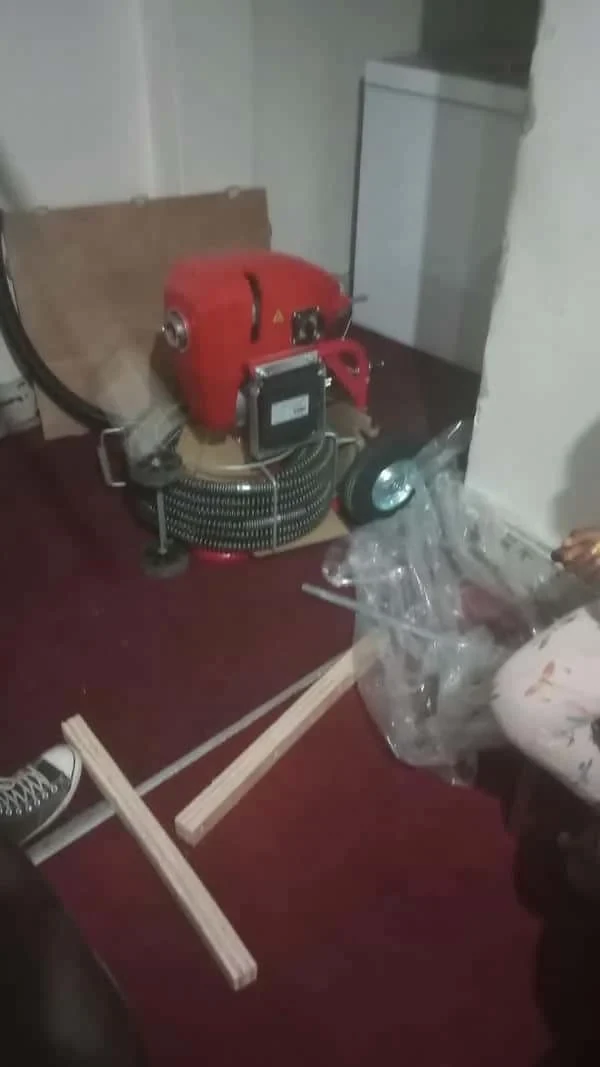
We use suitable mechanical clearing equipment when the sewer obstruction and access call for it. The cable works through the accessible run to deal with material inside the pipe. We choose the method around the pipe condition and check drainage afterwards, rather than treating every backup as the same job.
Practical guides to help you understand sewer line cleaning and sewer line unblocking, spot warning signs early, and decide when professional help is the safest choice. Written for homeowners and property managers who want clear answers before calling a plumber.
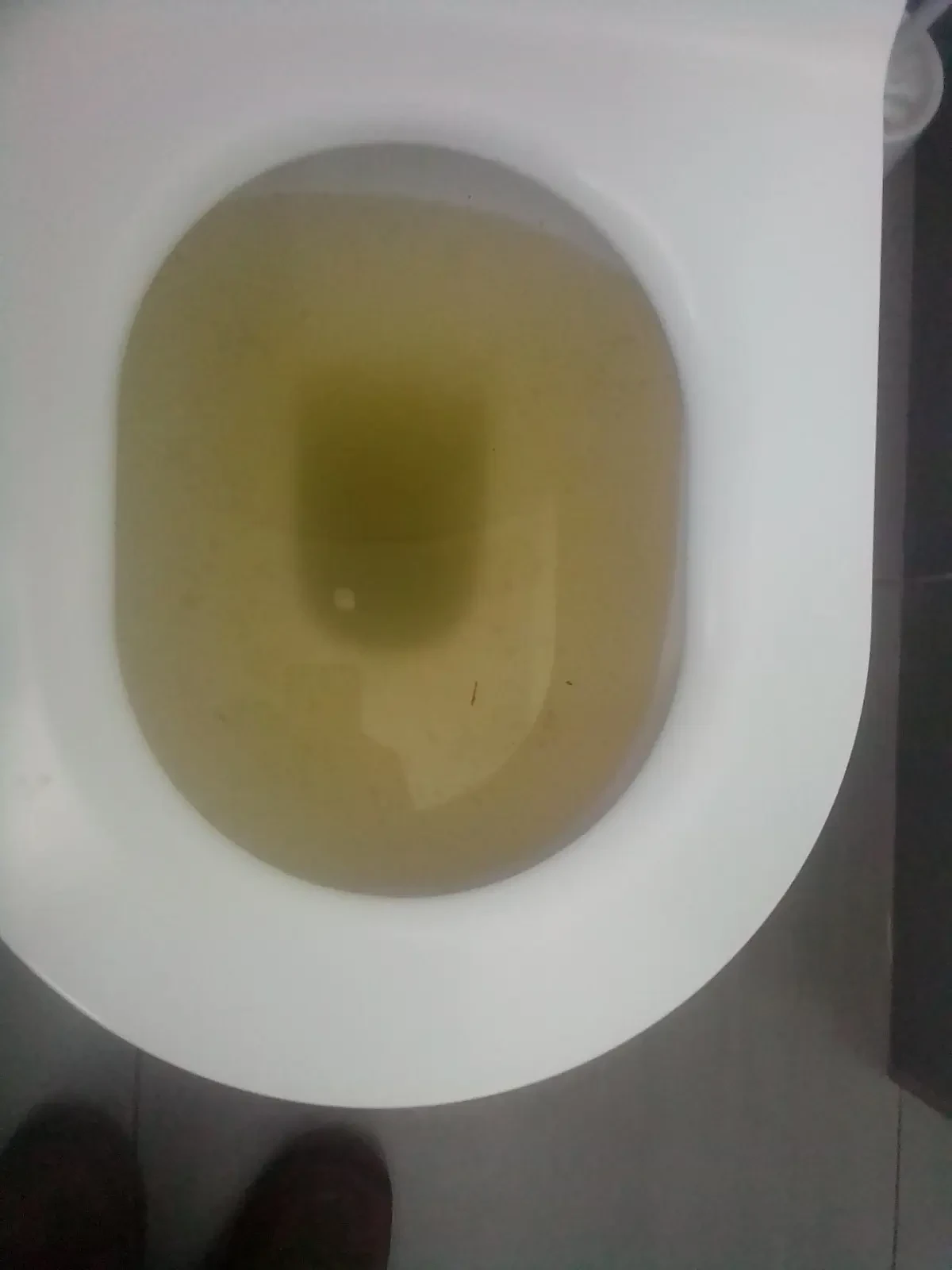
Stop using affected fixtures when wastewater is rising. Read what to report and why several outlets backing up together can point to a shared drainage restriction.
Read guide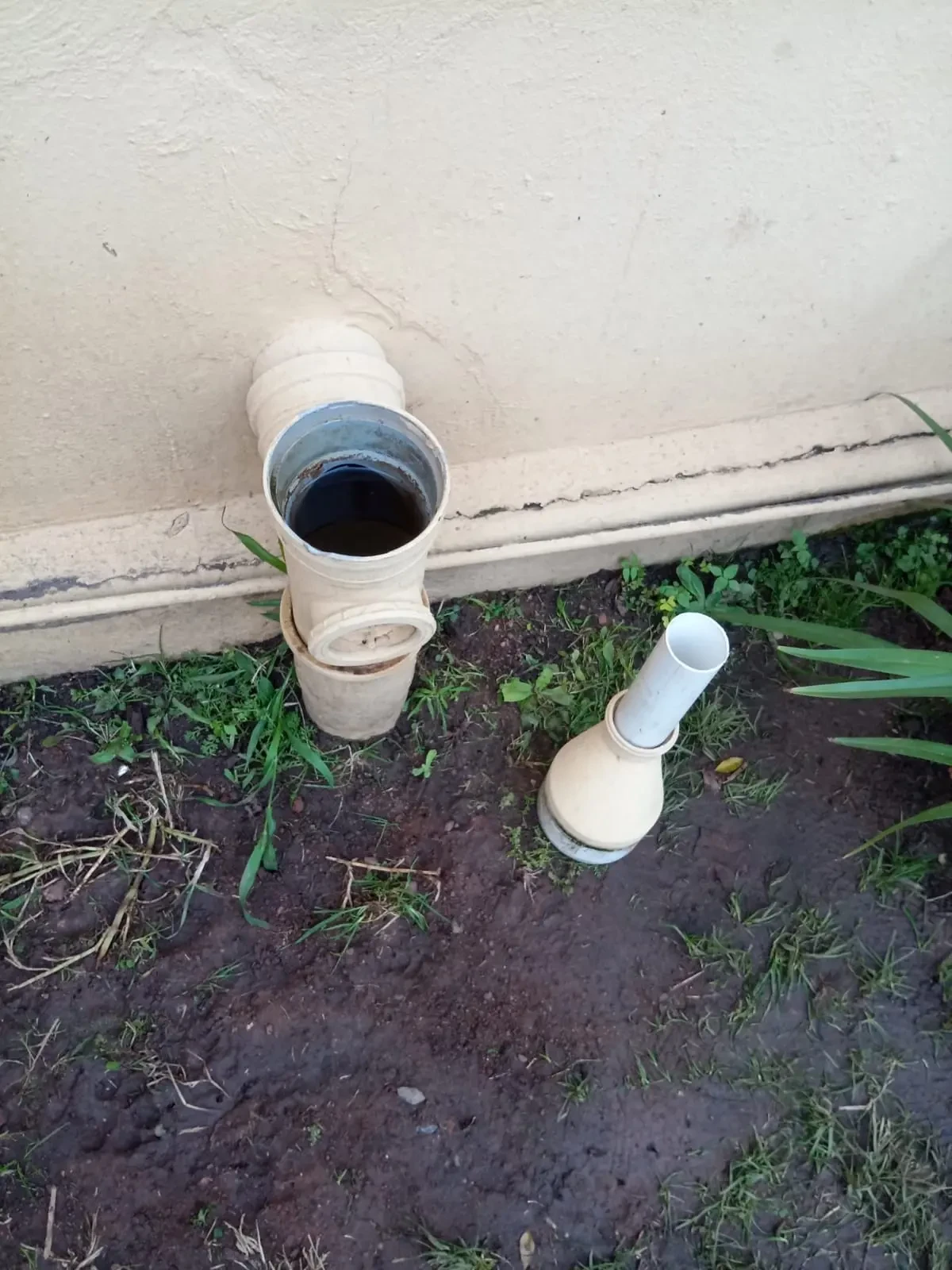
Drain odours can involve the condition of traps, connections and access covers. Report where the smell appears and whether it changes when fixtures are used.
Read guide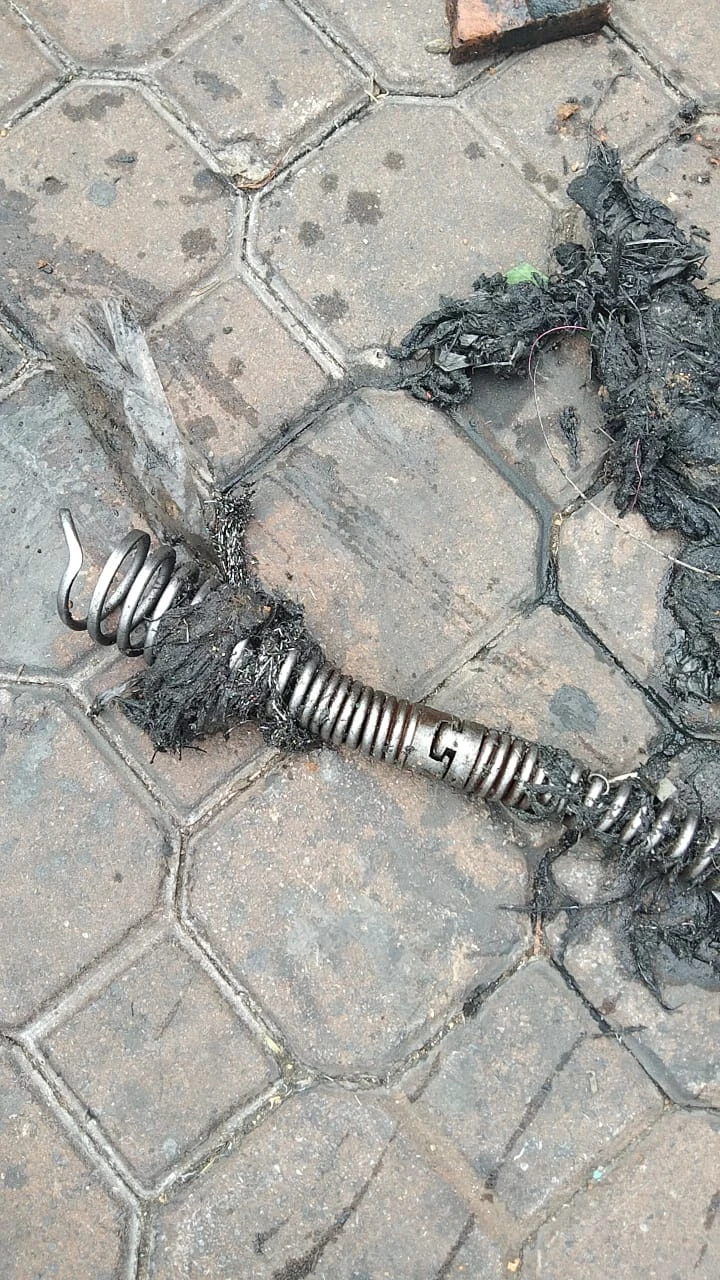
See how removing roots restores an opening, and why repairing their entry point may be needed to reduce recurring blockages.
Read guide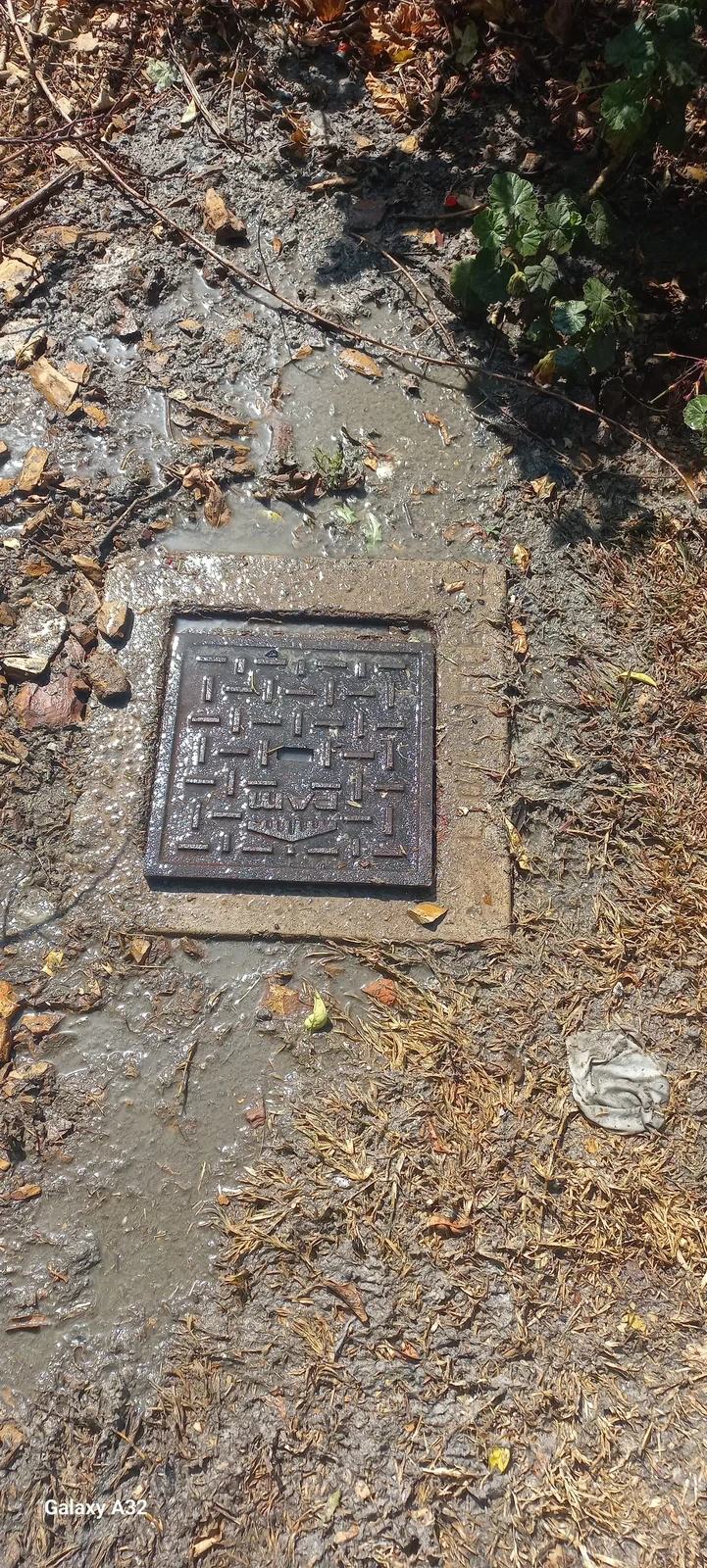
Keep sewer inspection covers reachable when landscaping or paving changes. Useful access makes future investigations and clearing easier to arrange.
Read guide