Assess the failure symptoms
Recurring blockages, ground movement, odours, leakage and inspection findings are reviewed. For more background, read Can a 24/7 plumber handle sewer line repairs?.

Professional Sewer Line Repair and Replacement with the standards you should expect: prepared technicians, accurate diagnosis, and repairs proven under normal use. We offer free call-out and quotation before work starts, so you always know work and price upfront.
Access, pipe condition and the position of the fault determine the work. We explain whether clearing can restore flow or whether damaged pipework needs a targeted repair, including any excavation and making good agreed in the quote.
Sometimes. The location and length of the damaged section, the pipe condition on either side and working access guide whether a spot repair or longer replacement is appropriate.
We start with the affected outlets and accessible inspection points. Where the line can be reached, camera inspection helps identify roots, breaks and the section that needs further work.
It can indicate a restriction in a shared line. Avoid using the affected fixtures, keep clear of wastewater and arrange an urgent assessment.
The quote depends on the depth and length of the affected run, the surfaces above it, and how the team can reach the pipe. Ask whether excavation and reinstatement are included.
Clearing roots can restore flow. If roots entered through a damaged joint or crack, repairing that opening may be needed to reduce recurrence.
Knowing what to expect makes it easier to arrange the service with confidence. Here is how we assess, complete and verify the work from first contact through to completion.
Recurring blockages, ground movement, odours, leakage and inspection findings are reviewed. For more background, read Can a 24/7 plumber handle sewer line repairs?.
Accessible inspection points and suitable diagnostic methods help define the affected area.
We compare local repair, sectional replacement and wider replacement based on pipe condition.
Excavation, surface removal, bypass needs and reinstatement responsibilities are explained.
The sewer is isolated where practical and the site is made safe for controlled access.
Damaged pipework is removed or corrected with suitable levels, bedding and connections. For more background, read Geyser Replacement Costs in South Africa.
The repaired sewer is checked for free flow, leakage and correct connection.
The access area is restored to the agreed work and the completed work is reviewed with you.
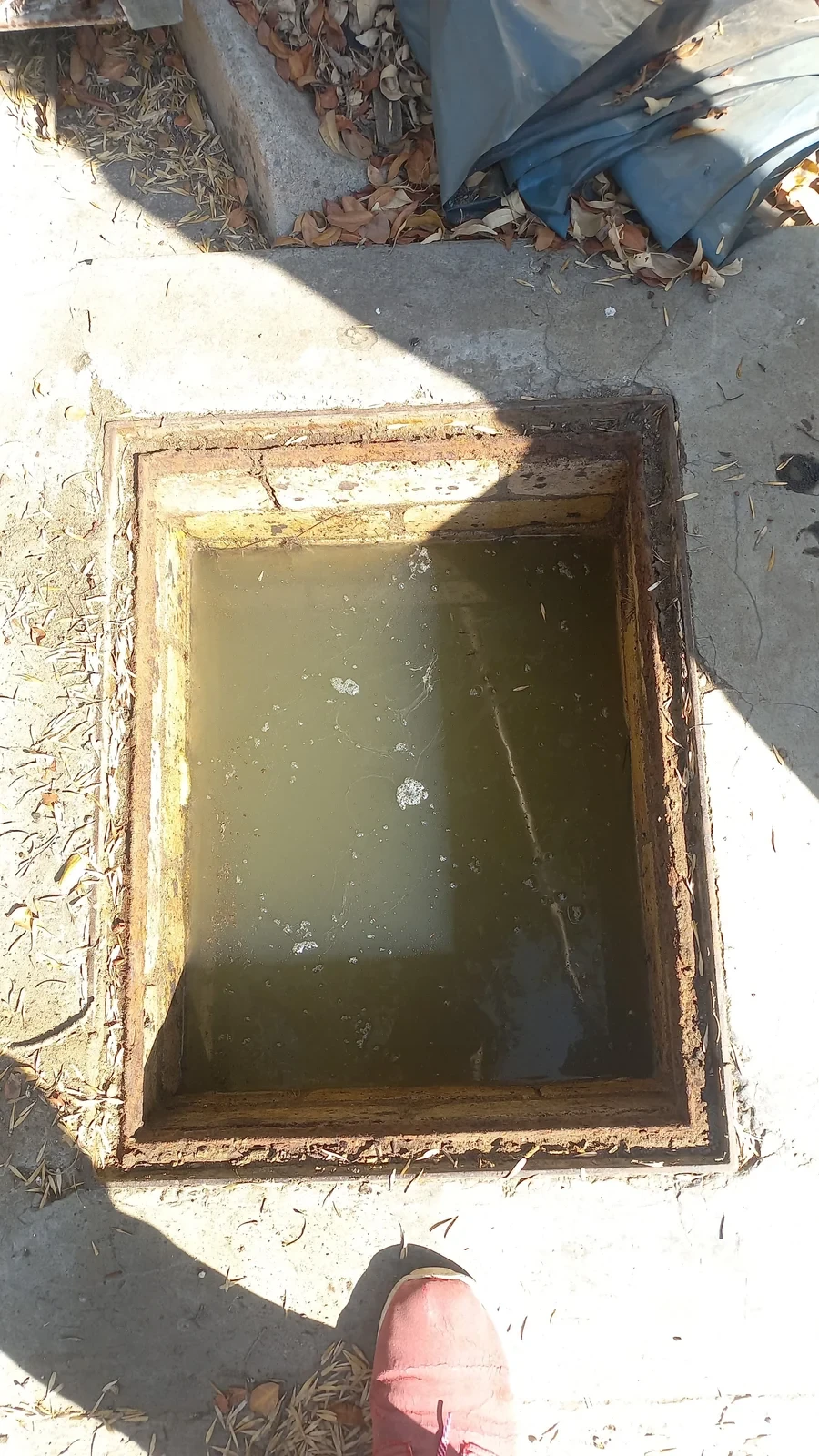
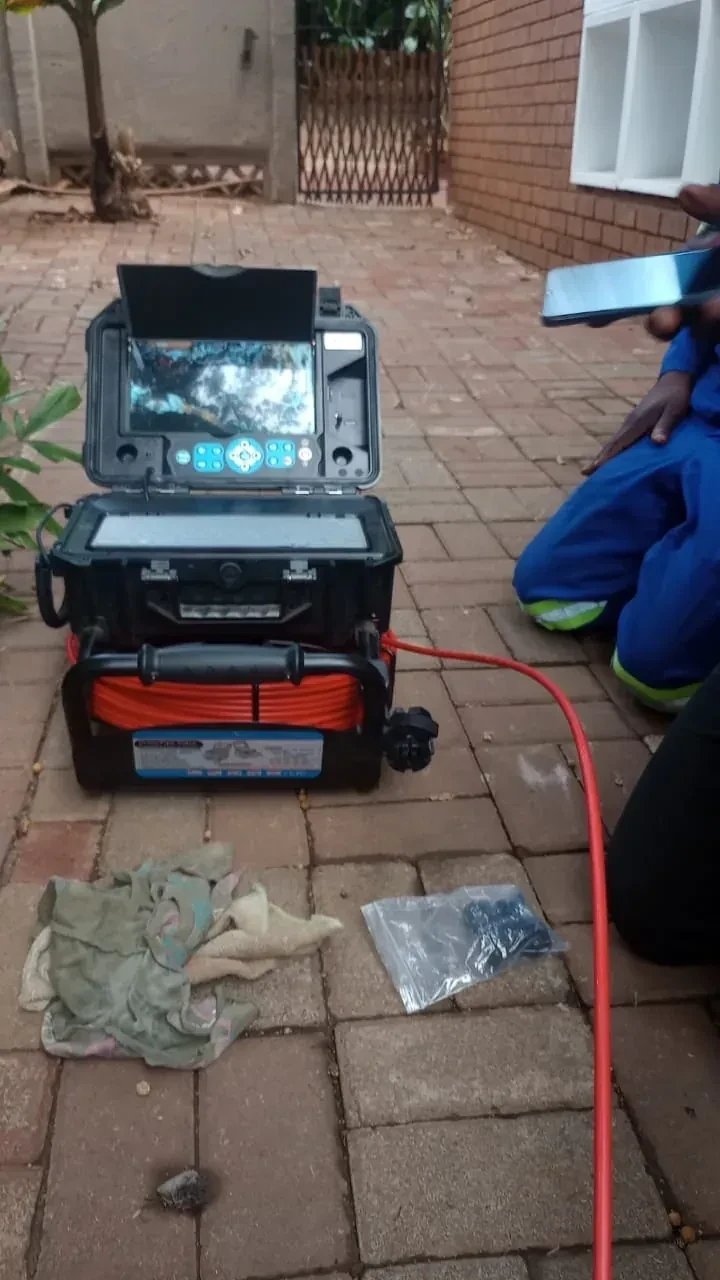
A camera inspection can help identify damage in an accessible sewer run before excavation is planned. We explain what the inspection reaches, what it shows and whether clearing is needed first. The findings help distinguish a local repair from a longer replacement.
Professional sewer line repair and replacement starts with a clear understanding of damaged, displaced or collapsed sewer pipework. We focus on what the service covers and why a correct first assessment matters, because a rushed assumption can leave the real cause unresolved and allow recurring blockages, subsidence, leaks and sewage escaping into surrounding ground to continue.
How Sewer Line Repair and Replacement Works in Practice is important because recurring blockages, subsidence, leaks and sewage escaping into surrounding ground can develop quickly when age, root intrusion, ground movement, corrosion or poor original installation. We check the relevant components and explain what the findings mean before recommending the next step.
In practice, why professional sewer line repair and replacement matters involves using access-point checks and camera inspection to define the location and extent of damage. This prevents unnecessary replacement and helps ensure the proposed work addresses the actual source of the fault.
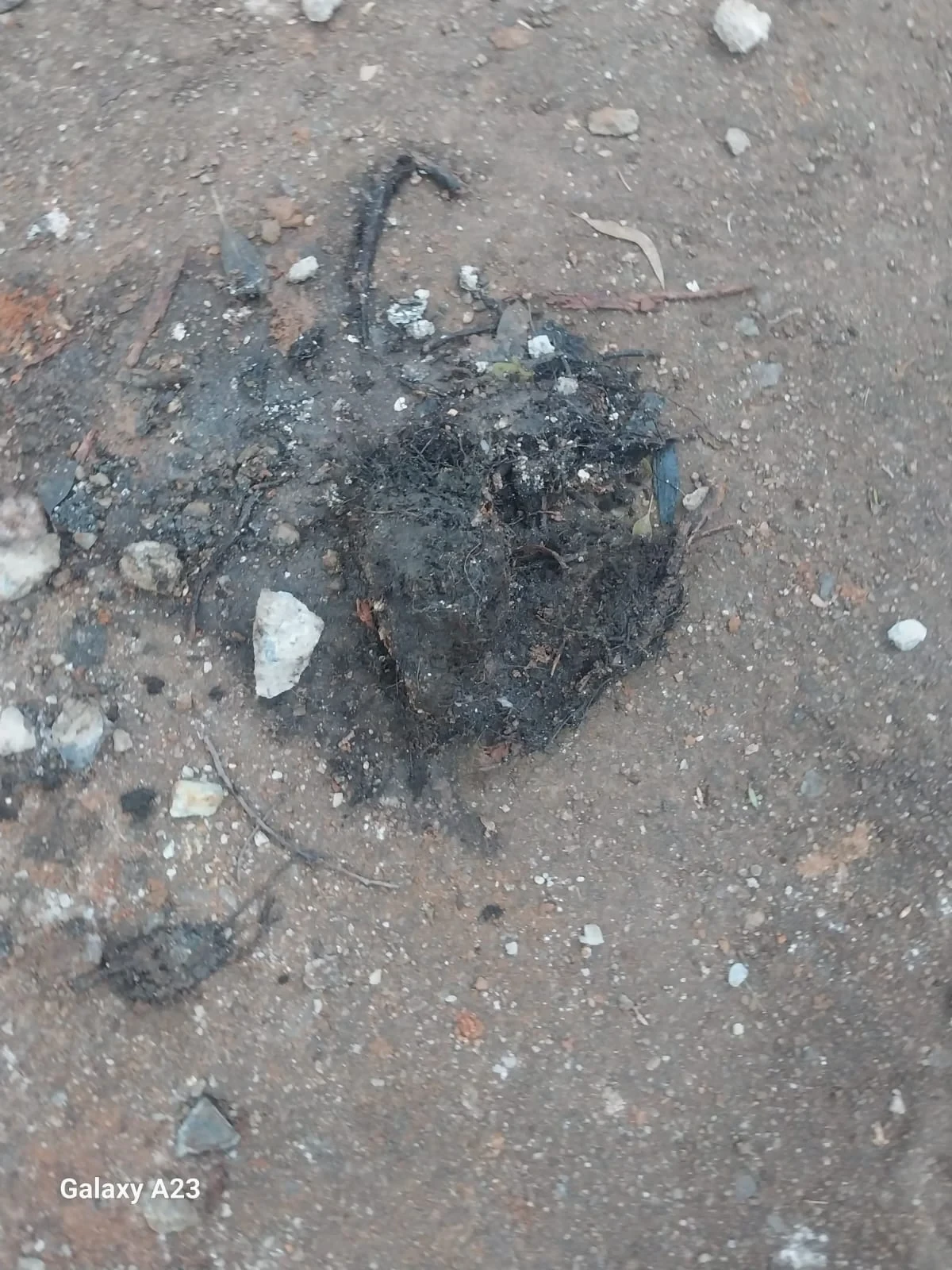
We removed this material from the drain during the work. An obstruction can hide the condition of the pipe around it, so clearing is one stage of deciding whether repairs are needed. We explain any damaged joints or remaining restrictions instead of assuming every blockage requires new pipework.
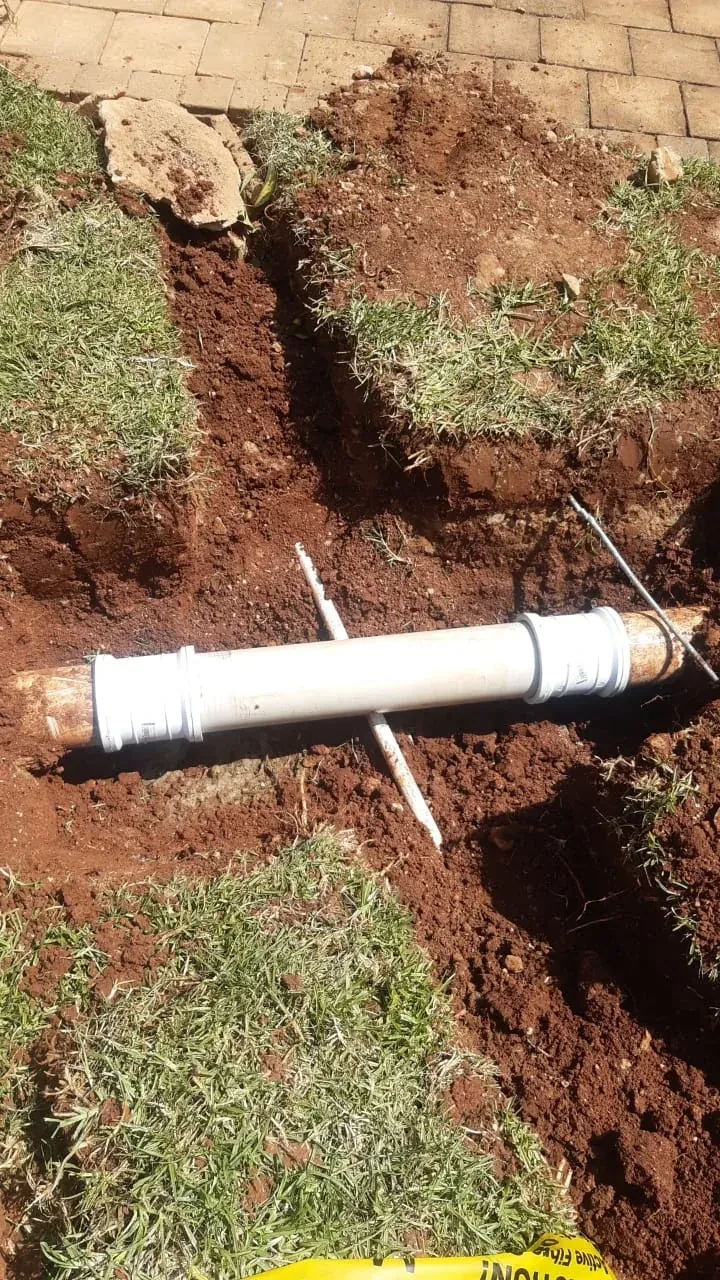
We fitted a replacement section into the existing drain. The quotation should identify the length being replaced and the connections that will remain. We check alignment, support and drainage before the opening is backfilled.
The most reliable approach to sewer line repair and replacement is to confirm the condition of the complete connection or system, not only the most visible symptom. This section explains the symptoms that indicate attention is needed before the fault becomes more disruptive and how the work is planned for private properties, complexes and commercial sites.
Initial Assessment of the Damaged Sewer Line is important because recurring blockages, subsidence, leaks and sewage escaping into surrounding ground can develop quickly when age, root intrusion, ground movement, corrosion or poor original installation. We check the relevant components and explain what the findings mean before recommending the next step.
In practice, confirming the cause before repair and replacement involves using access-point checks and camera inspection to define the location and extent of damage. This prevents unnecessary replacement and helps ensure the proposed work addresses the actual source of the fault.
Where repair is suitable, the work may involve repairing a local section or replacing the affected run with correctly graded, supported pipework. All accessible connections are checked and the system is tested before it is returned to normal use.
Delaying attention can lead to contamination, sinkholes, structural damage and repeated drainage failure. Early action usually limits secondary damage, improves access to the fault and gives the customer more practical repair choices.
For private properties, complexes and commercial sites, protecting the property during the work must account for usage, access and the condition of existing services. We select compatible materials and avoid changes that could place unnecessary strain on other parts of the installation.
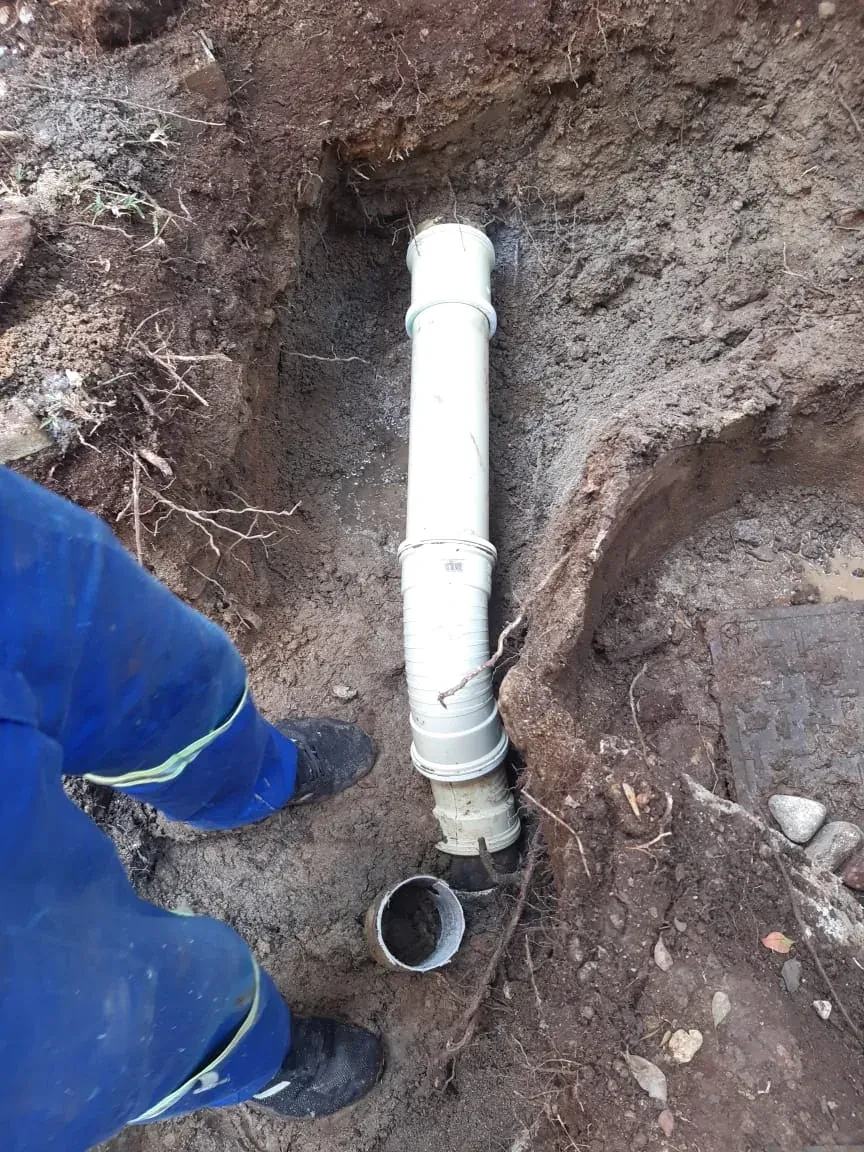
We repaired this underground drain while the connections were accessible. Checking the pipework before covering it avoids hiding a joint that still needs attention. The agreed job can include backfilling and reinstating the ground or paving after the drainage checks.
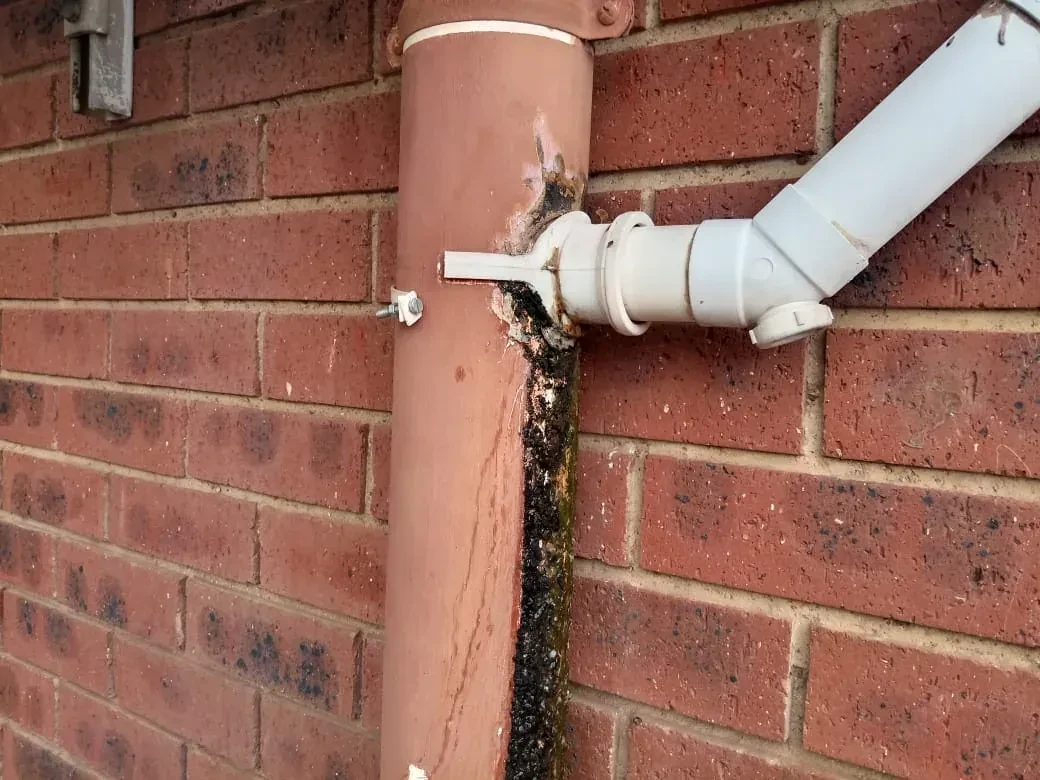
We repair damaged waste connections as part of the wider drainage work. A failed connection can leak wastewater or allow material into the line. We replace the affected fitting or section and check discharge from the outlets using that branch.
Customers usually request sewer line repair and replacement after noticing recurring blockages, subsidence, leaks and sewage escaping into surrounding ground. A structured inspection helps distinguish a local fault from a wider system issue and supports a repair that is practical, safe and suited to the property.
Early Warning Signs of a Damaged Sewer Line is important because recurring blockages, subsidence, leaks and sewage escaping into surrounding ground can develop quickly when age, root intrusion, ground movement, corrosion or poor original installation. We check the relevant components and explain what the findings mean before recommending the next step.
In practice, visible symptoms that need attention involves using access-point checks and camera inspection to define the location and extent of damage. This prevents unnecessary replacement and helps ensure the proposed work addresses the actual source of the fault.
Where repair is suitable, the work may involve repairing a local section or replacing the affected run with correctly graded, supported pipework. All accessible connections are checked and the system is tested before it is returned to normal use.
Delaying attention can lead to contamination, sinkholes, structural damage and repeated drainage failure. Early action usually limits secondary damage, improves access to the fault and gives the customer more practical repair choices.
For private properties, complexes and commercial sites, preventing secondary water damage must account for usage, access and the condition of existing services. We select compatible materials and avoid changes that could place unnecessary strain on other parts of the installation.
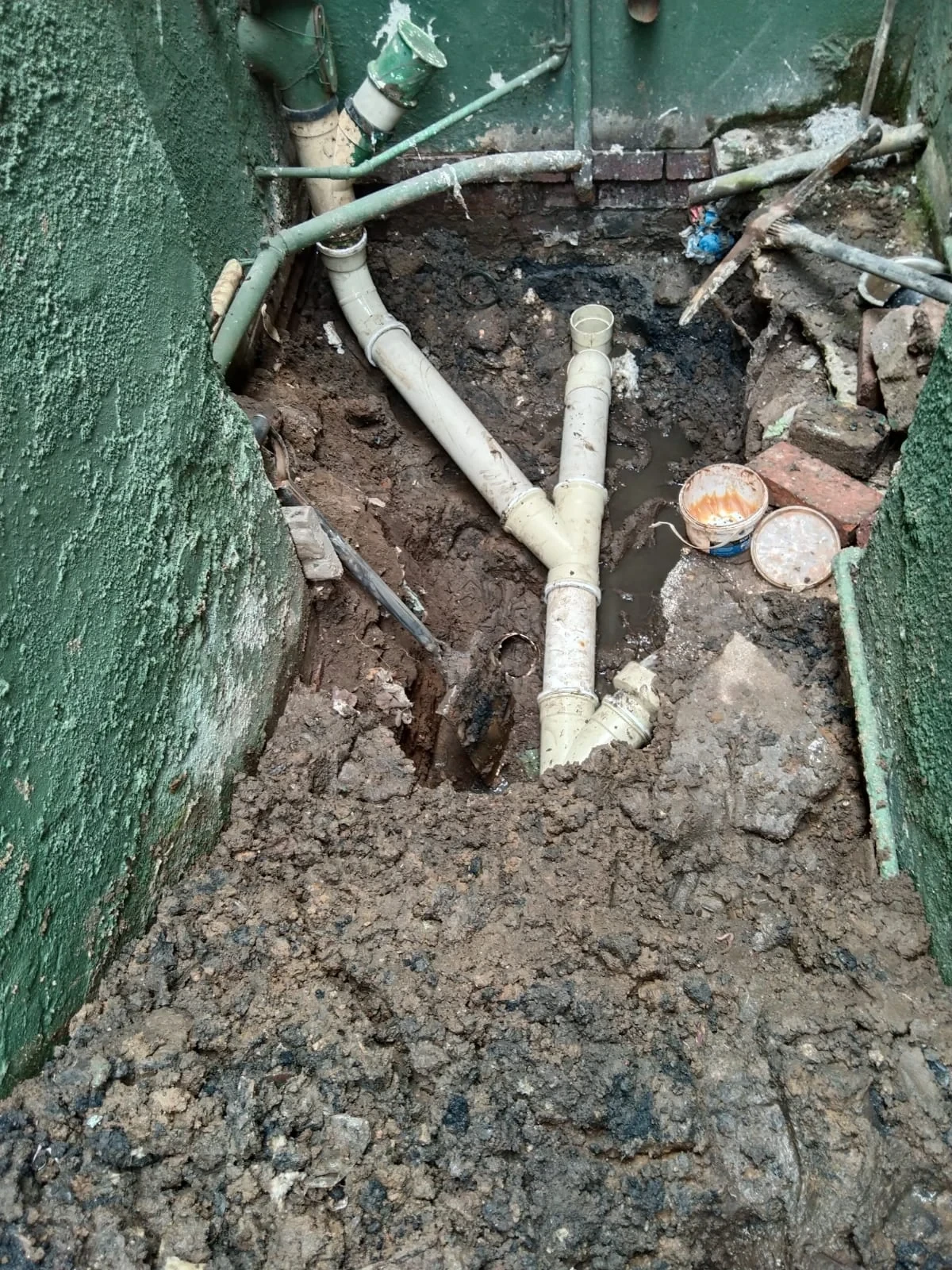
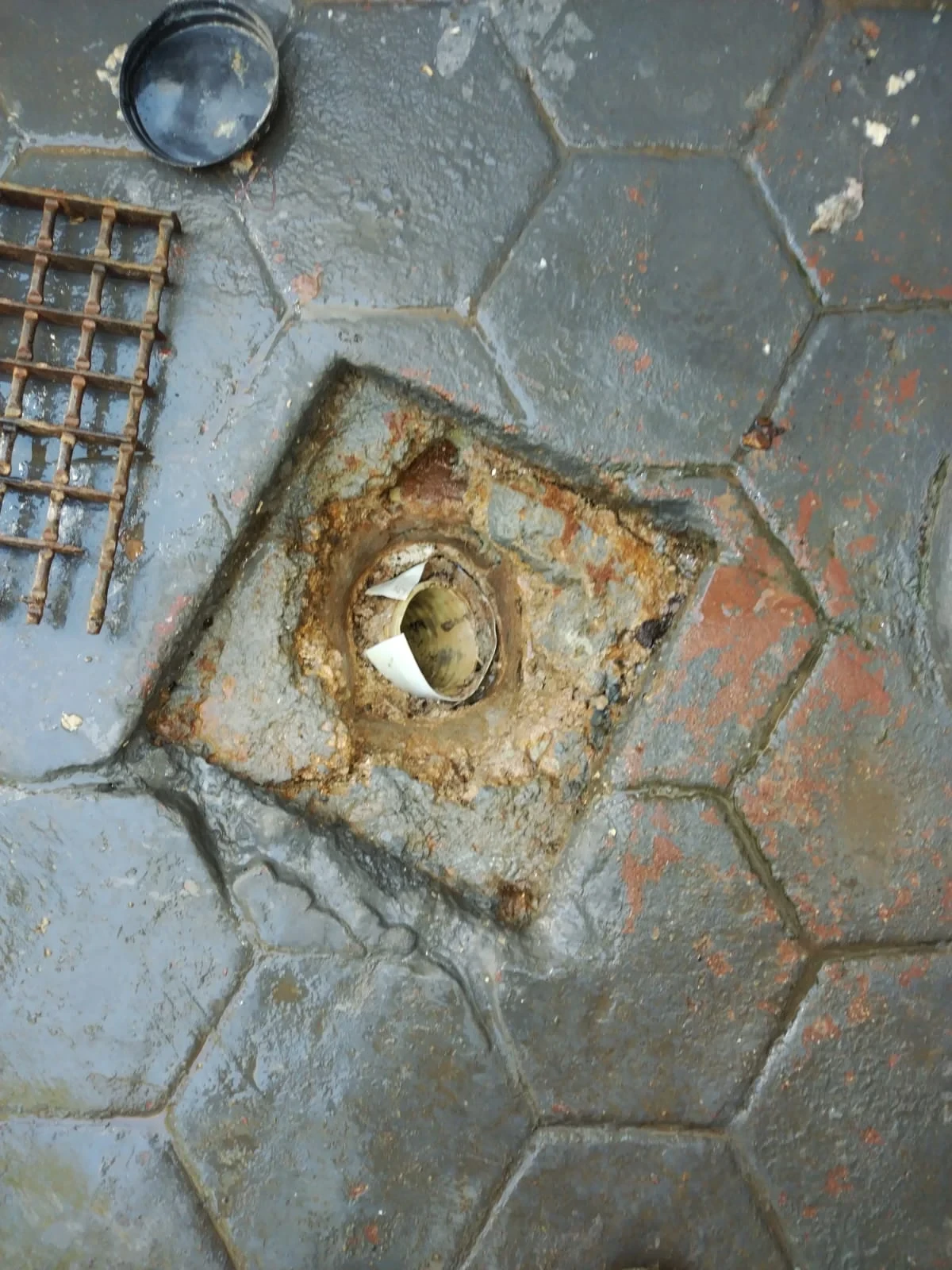
We open inspection points to reach and check the connected drainage. After repair, the cover needs to close properly and remain reachable for future maintenance. We discuss its position before new paving or other finishes conceal the access.
The correct solution for damaged, displaced or collapsed sewer pipework varies according to age, condition, layout and use. We explain the findings, define the work required and obtain approval before proceeding with the agreed repair or installation.
Repair Options for the Sewer Line is important because recurring blockages, subsidence, leaks and sewage escaping into surrounding ground can develop quickly when age, root intrusion, ground movement, corrosion or poor original installation. We check the relevant components and explain what the findings mean before recommending the next step.
In practice, when component replacement is more reliable involves using access-point checks and camera inspection to define the location and extent of damage. This prevents unnecessary replacement and helps ensure the proposed work addresses the actual source of the fault.
Where repair is suitable, the work may involve repairing a local section or replacing the affected run with correctly graded, supported pipework. All accessible connections are checked and the system is tested before it is returned to normal use.
Delaying attention can lead to contamination, sinkholes, structural damage and repeated drainage failure. Early action usually limits secondary damage, improves access to the fault and gives the customer more practical repair choices.
For private properties, complexes and commercial sites, confirming the work before work begins must account for usage, access and the condition of existing services. We select compatible materials and avoid changes that could place unnecessary strain on other parts of the installation.
Our approach to sewer line repair and replacement combines careful diagnosis with clear communication. The aim is to restore dependable operation while protecting surrounding finishes, limiting water loss and reducing the likelihood of repeat faults.
Our Step-by-Step Sewer Line Repair and Replacement Process is important because recurring blockages, subsidence, leaks and sewage escaping into surrounding ground can develop quickly when age, root intrusion, ground movement, corrosion or poor original installation. We check the relevant components and explain what the findings mean before recommending the next step.
In practice, isolating water and securing the work area involves using access-point checks and camera inspection to define the location and extent of damage. This prevents unnecessary replacement and helps ensure the proposed work addresses the actual source of the fault.
Where repair is suitable, the work may involve repairing a local section or replacing the affected run with correctly graded, supported pipework. All accessible connections are checked and the system is tested before it is returned to normal use.
Delaying attention can lead to contamination, sinkholes, structural damage and repeated drainage failure. Early action usually limits secondary damage, improves access to the fault and gives the customer more practical repair choices.
For private properties, complexes and commercial sites, cleaning the area and explaining the result must account for usage, access and the condition of existing services. We select compatible materials and avoid changes that could place unnecessary strain on other parts of the installation.
Reliable plumbing work should solve the immediate problem and improve confidence in the system. For private properties, complexes and commercial sites, we consider both the present fault and the conditions that may affect long-term performance.
Protecting the Sewer Line From Repeat Problems is important because recurring blockages, subsidence, leaks and sewage escaping into surrounding ground can develop quickly when age, root intrusion, ground movement, corrosion or poor original installation. We check the relevant components and explain what the findings mean before recommending the next step.
In practice, routine checks that reduce future faults involves using access-point checks and camera inspection to define the location and extent of damage. This prevents unnecessary replacement and helps ensure the proposed work addresses the actual source of the fault.
Where repair is suitable, the work may involve repairing a local section or replacing the affected run with correctly graded, supported pipework. All accessible connections are checked and the system is tested before it is returned to normal use.
Delaying attention can lead to contamination, sinkholes, structural damage and repeated drainage failure. Early action usually limits secondary damage, improves access to the fault and gives the customer more practical repair choices.
For private properties, complexes and commercial sites, keeping valves and connections accessible must account for usage, access and the condition of existing services. We select compatible materials and avoid changes that could place unnecessary strain on other parts of the installation.
Contact our plumbers for damaged, cracked or collapsed sewer lines. We assess the condition and access requirements, then explain whether a local repair or broader replacement is the better long-term option.
Look for several fixtures draining slowly, wastewater at an outside gully or a blockage that returns after clearing. Note whether rain or heavy use makes it worse.
Don’t dig along the drain, open inspection chambers or keep using fixtures that are backing up. Keep clear of sewage and any unstable ground.
Pause use of the affected outlets and keep the access route clear. If you have an old drain plan or earlier inspection report, have it ready.
Tell us where the backup appears, how often it returns and whether roots or damaged pipes were found before. Mention paved areas and access restrictions.
We work out where the obstruction or damage is before recommending clearing or repair. The quotation explains the proposed access and any excavation or reinstatement included.
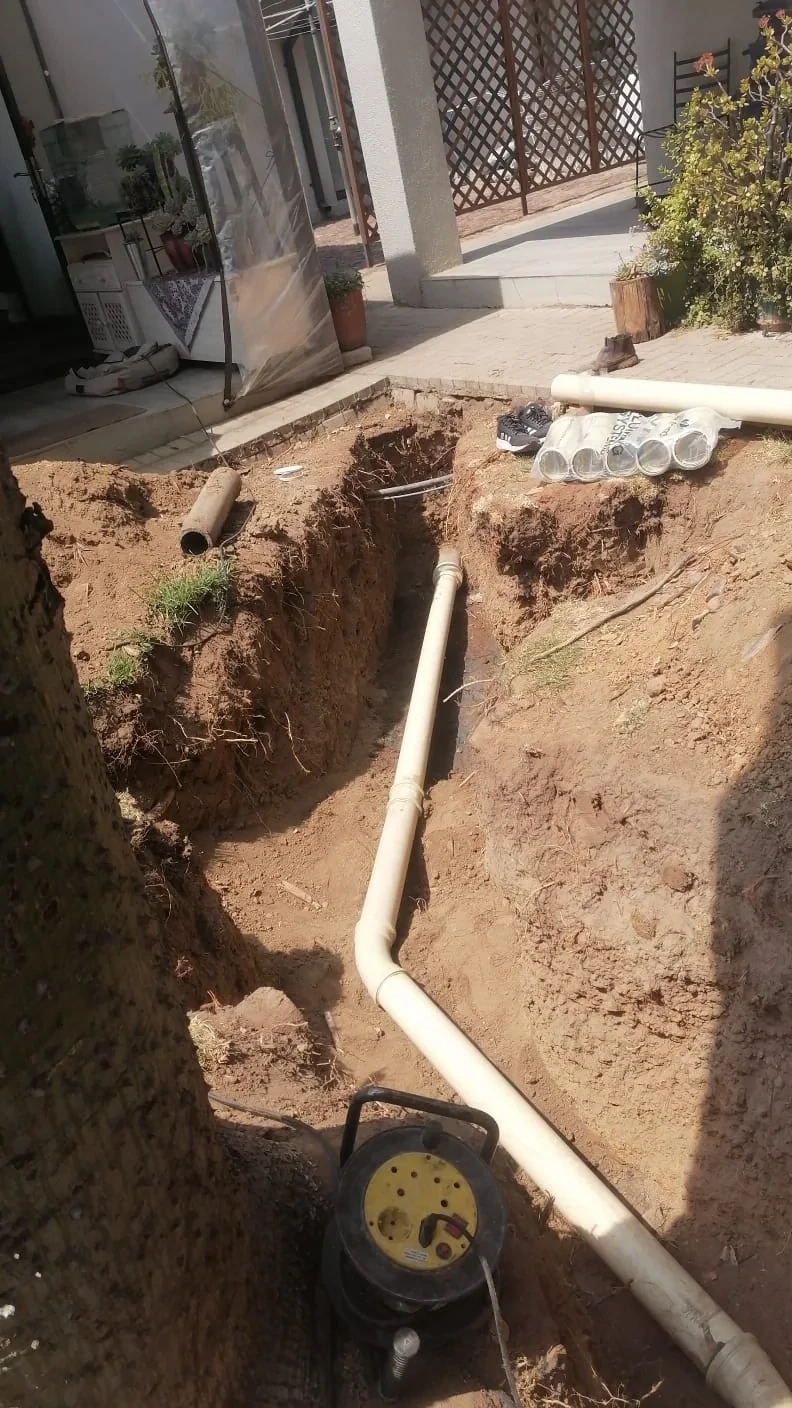
We replaced the affected sewer pipe along this excavated route. The work includes reaching the line, fitting the new section and reconnecting it to the existing drainage. We can coordinate the backfilling and agreed surface finishes so the repair does not end with an open trench.
Helpful reading on sewer line repair and replacement: warning signs, first-response steps, and what to expect from a professional visit. Save time, reduce damage, and know when to call 067 657 6109.
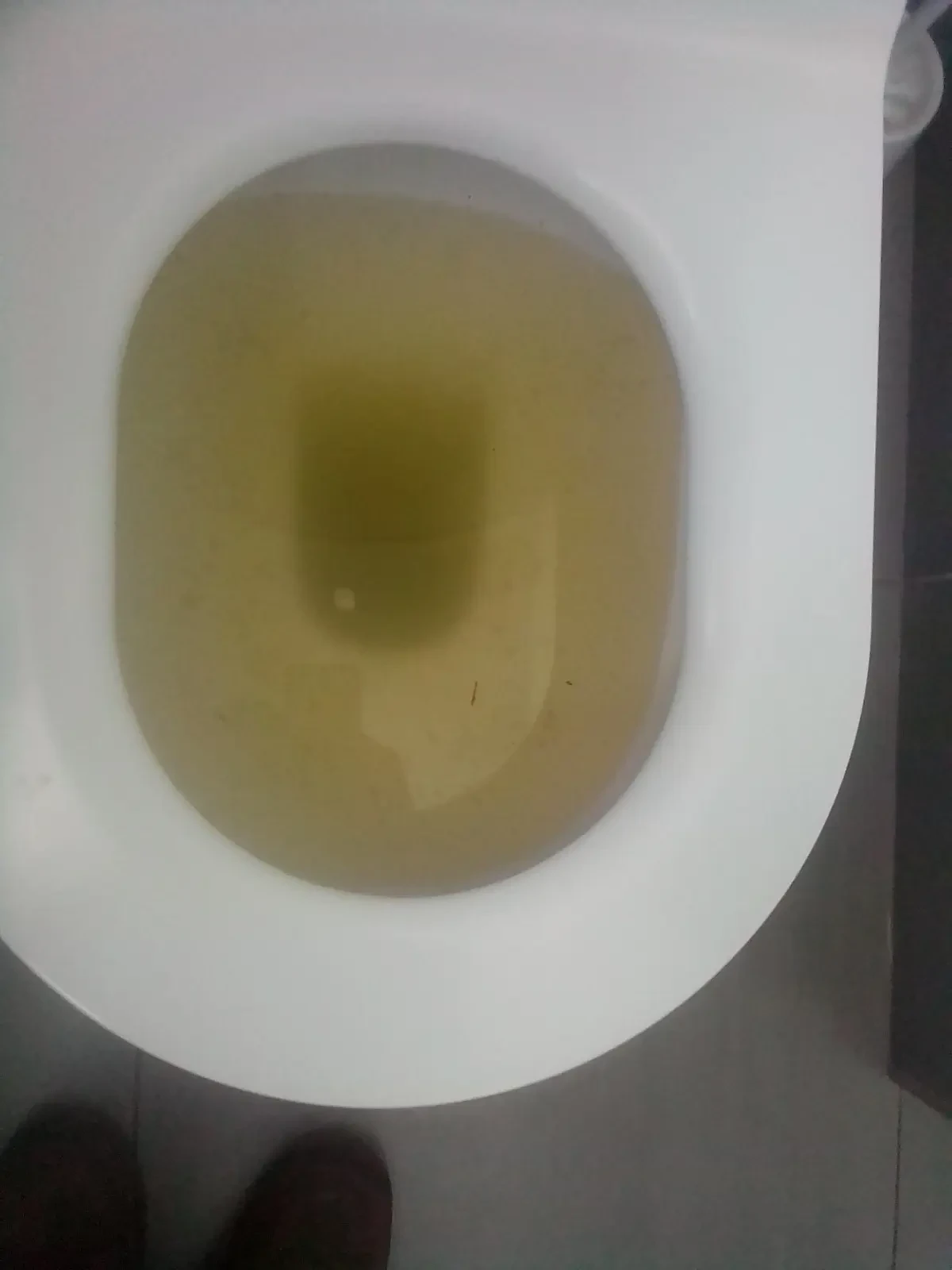
Read what to report when toilets, gullies or other outlets back up together, and why the obstruction may lie in the shared sewer.
Read guide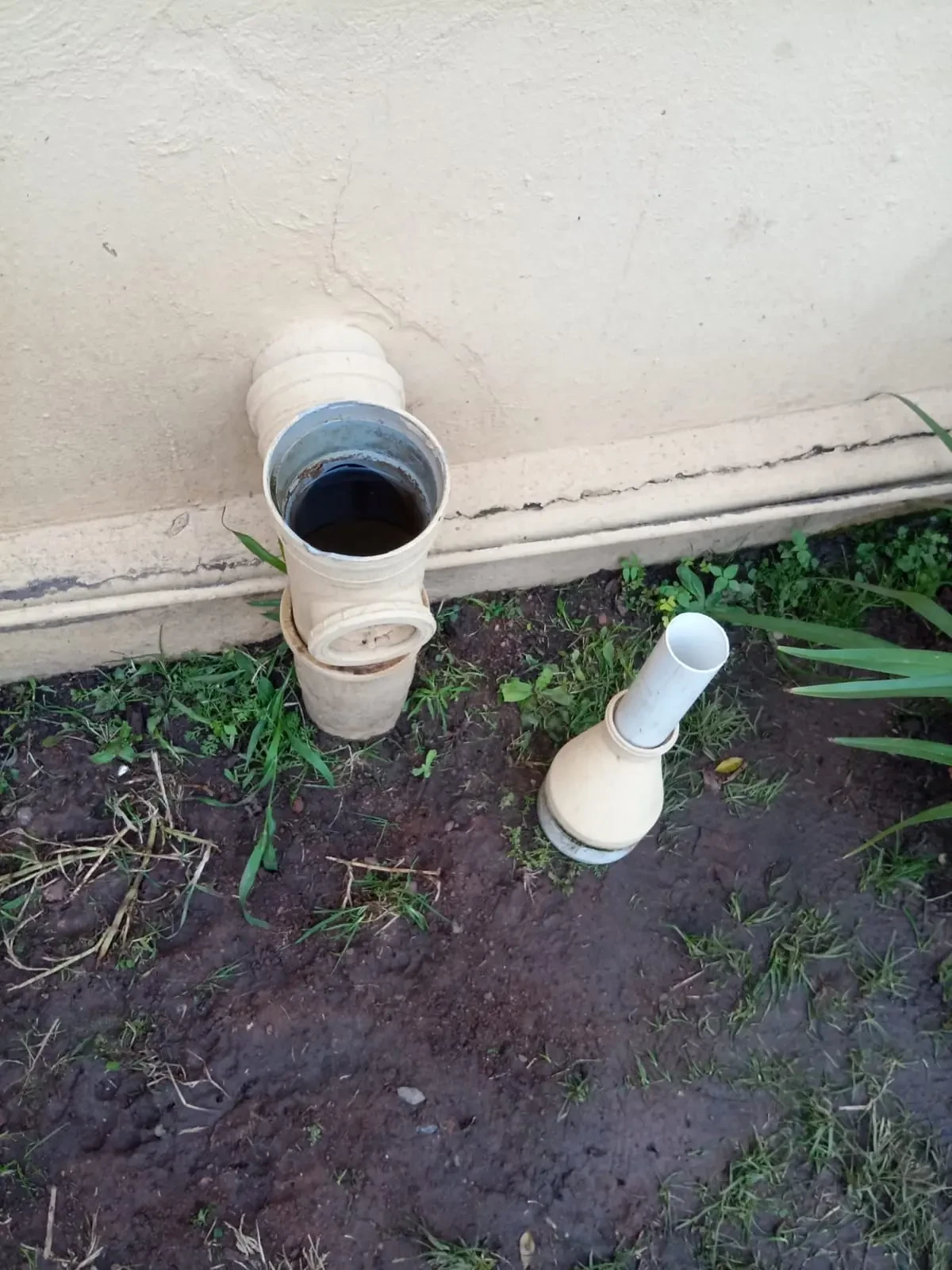
Odours can involve traps, damaged connections or covers that do not seal. Tell the plumber where the smell appears and whether fixture use changes it.
Read guide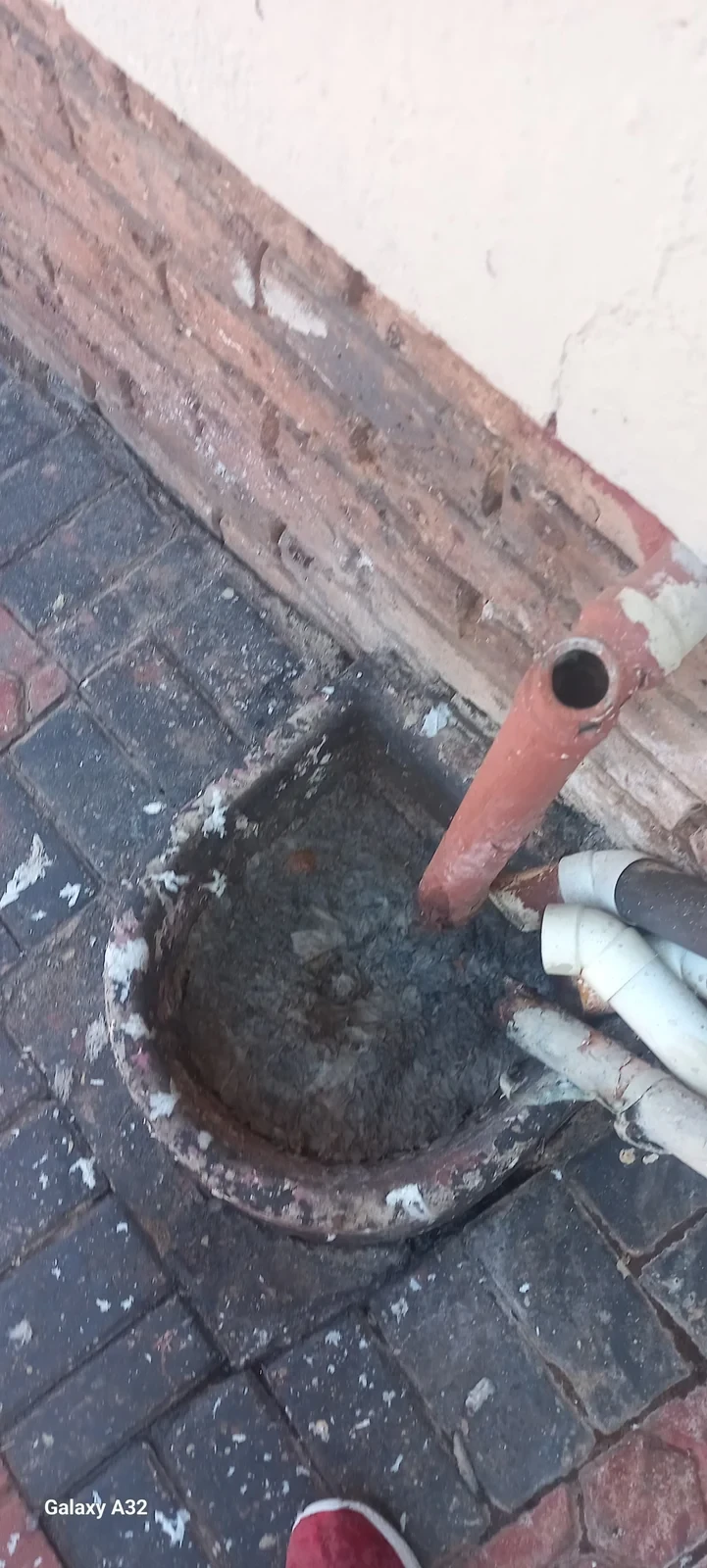
Understand the access, connections and making good to include when comparing a sewer replacement quotation.
Read guide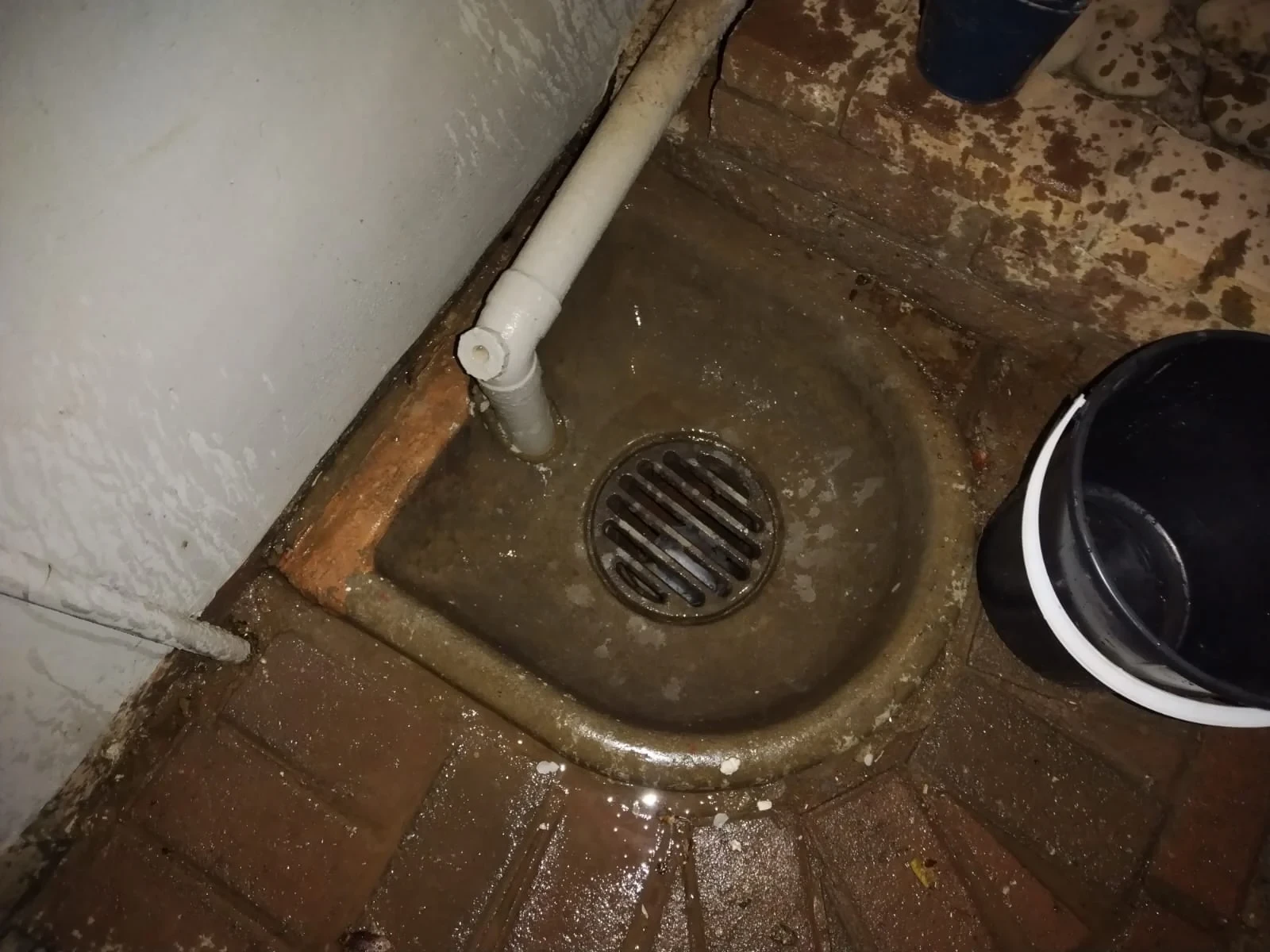
Keep drainage access available and report repeated backups early. Maintenance findings can help identify repairs before the problem becomes more disruptive.
Read guide