
A blocked drain is a symptom, not a diagnosis. Soap, hair, grease, foreign objects, damaged pipes, tree roots and poor gradients can all restrict flow, but they do not require the same remedy. Identifying the likely cause first helps prevent unnecessary chemicals, repeated blockages and avoidable damage.
Start here
A single slow fixture does not always mean the main sewer is blocked. Start by noting which fixtures are affected, whether the problem is constant or intermittent, and whether water is backing up elsewhere. Those details immediately narrow the likely cause.
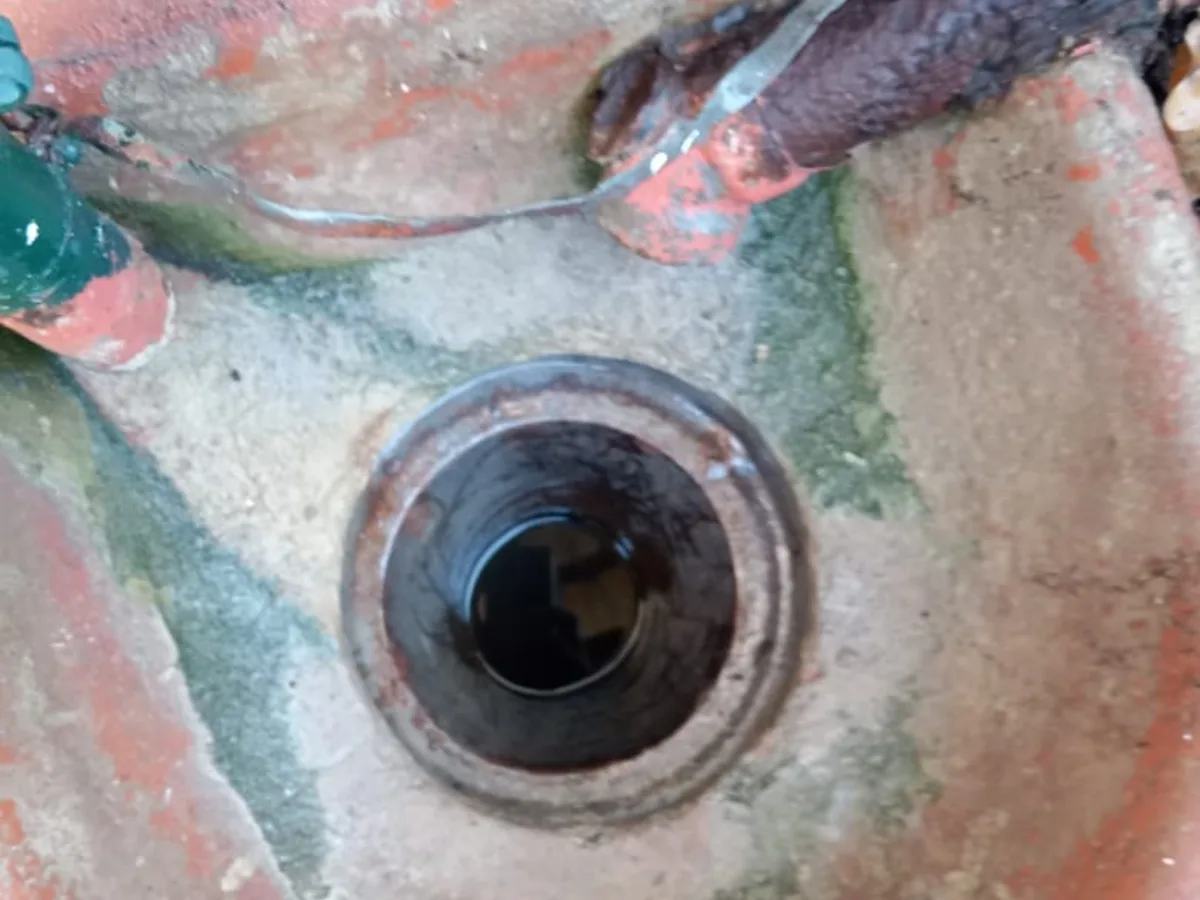
How to recognise the problem
- Water drains more slowly than usual.
- Gurgling sounds come from traps or nearby fixtures.
- Bad odours return after cleaning.
- Water rises in another fixture when one is used.
- Outside gullies or inspection points overflow.
Common causes
- Hair and soap residue in bathroom waste pipes.
- Grease, fat and food debris in kitchen drains.
- Foreign objects, wipes and sanitary products.
- Tree-root intrusion into cracked sewer pipes.
- Collapsed, displaced or poorly graded pipework.
- Silt, leaves and debris in outdoor or stormwater drains.
What you can safely check yourself
- Check whether only one fixture or several are affected.
- Remove and clean an accessible basin or shower strainer.
- Stop using the affected fixture if water is backing up.
- Check an outdoor gully from a safe distance for visible overflow.
- Keep children and pets away from contaminated wastewater.
What you should never do
- Do not mix drain chemicals.
- Do not repeatedly force water into an overflowing line.
- Do not push rods into unknown pipe routes without understanding the layout.
- Do not enter a manhole or confined drainage space.
When to call a plumber
Call a plumber when several fixtures are affected, wastewater is overflowing, the blockage returns, drain smells persist, or the line serves toilets and sewerage. Repeated blockages often indicate a deeper pipe defect rather than ordinary surface build-up.
How we can help
A plumber traces the affected line, checks access points and selects a method that matches the obstruction. Mechanical cleaning, hydro jetting or CCTV inspection may be used. The line should then be tested under flow so the cause, not only the immediate obstruction, is addressed.
Reducing the chance of another problem
- Use sink strainers and empty them regularly.
- Keep oils and fats out of kitchen drains.
- Do not flush wipes, sanitary products or foreign objects.
- Remove leaves and silt from outdoor drainage areas.
- Investigate recurring slow flow before a complete blockage develops.
Frequently asked questions
Can boiling water clear every blocked drain?
No. It may soften some grease in suitable pipework, but it will not remove roots, solid objects, collapsed pipes or heavy deposits, and very hot water can damage some fittings.
Why does a blockage keep coming back?
The line may not have been fully cleaned, or there may be a structural defect, root intrusion, poor gradient or ongoing misuse.
Can one blocked drain affect the whole house?
Yes. A blockage in a shared branch or main sewer can affect several fixtures and cause wastewater to appear at the lowest outlet.
Need a plumber for common causes of blocked drains?
Describe the situation around common causes of blocked drains so we can advise whether a visit or repair is needed.