Check the appliance location
We confirm space, floor stability, hose reach and access to the required services. Related professional help is available through JoJo Tank Plumbing and Installation.

Need dependable help with washing machine installation? We combine local response with careful testing — leaks traced, drains cleared, geysers repaired, and installations completed to code. Call our emergency line or book a free assessment online.
Loose drain hoses and strained supply hoses can cause an overflow after the machine is pushed back. We check the connection arrangement, fit the appliance and verify filling, draining and visible joints before we leave.
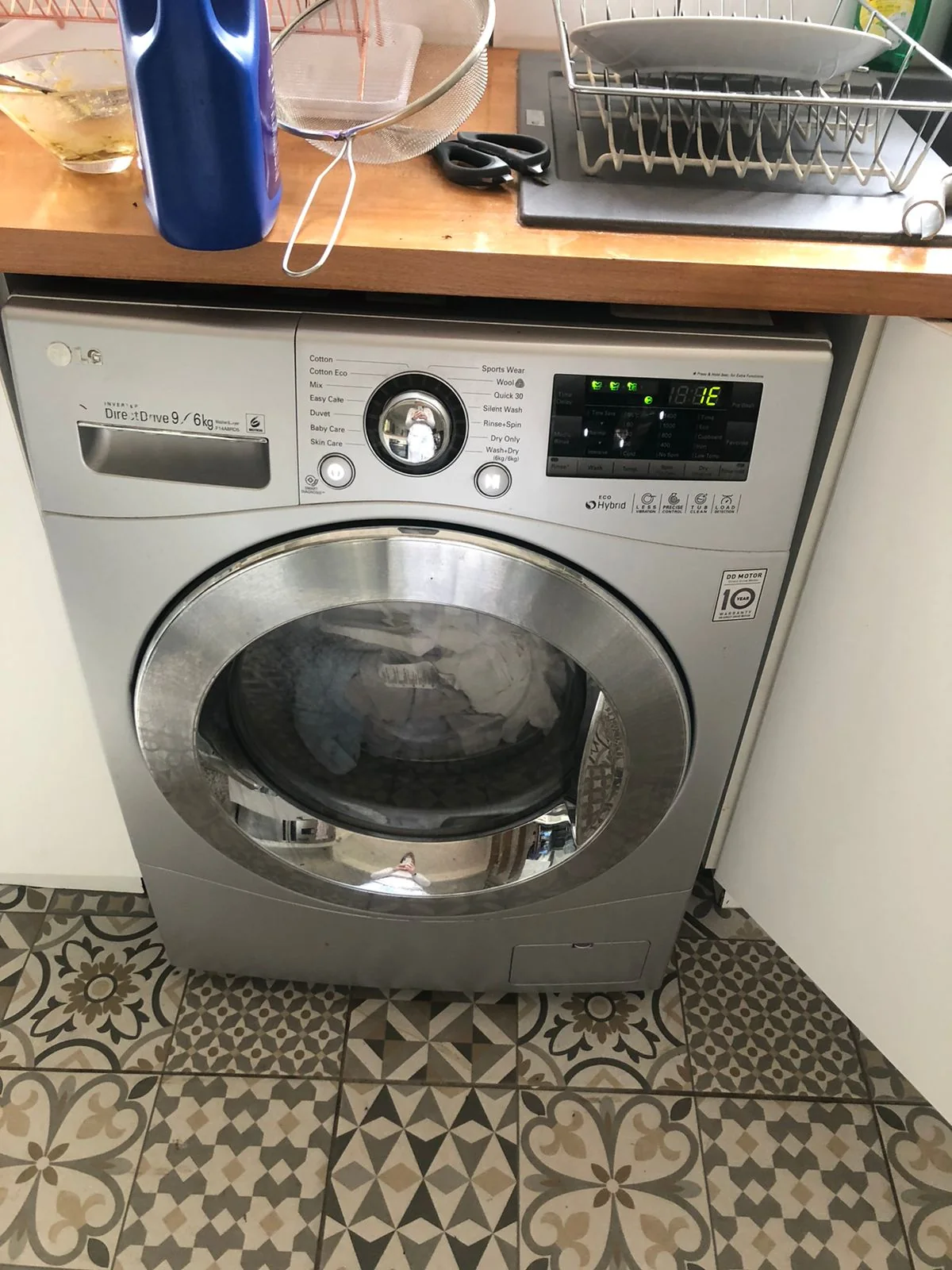
It may be possible if the supply valve, hose route and waste connection suit the appliance. Share the model and photos of the existing connections before booking.
Tell us before the visit. We can inspect the nearby supply and quote for a suitable local valve if a new connection is needed.
It depends on the appliance and the manufacturer’s instructions. A washing machine or dishwasher needs a suitable waste route, while some water-fed appliances only need a supply connection.
A supply connection can leak whenever it remains under pressure. Note whether the leak starts while filling, draining or while the appliance stands idle.
Give us the model, where you want it fitted and any photos of the planned supply and waste points. Mention tight cupboard space or a long hose route.
Knowing what to expect makes it easier to arrange the service with confidence. Here is how we assess, complete and verify the work from first contact through to completion. Related professional help is available through Safe and Reliable Geyser Installation.
We confirm space, floor stability, hose reach and access to the required services. Related professional help is available through JoJo Tank Plumbing and Installation.
The supply valves, inlet hoses, standpipe or trap connection are assessed. Related professional help is available through Geyser Installation Requirements South Africa.
Required valves, drainage fittings or pipe alterations are quoted before installation. Related professional help is available through Fridge Water Point Installation.
The appliance is placed securely and adjusted to reduce movement during operation. Related professional help is available through Dishwasher Installation.
Hoses are routed without kinks, strain or insecure waste positioning.
Water is introduced gradually while valves and hose connections are checked. Related professional help is available through Bidet Installation.
Filling, agitation and draining are observed for leaks and correct discharge. More information is available on Installation policy and customer responsibilities.
We show you the shut-off valves, drainage arrangement and basic connection checks.
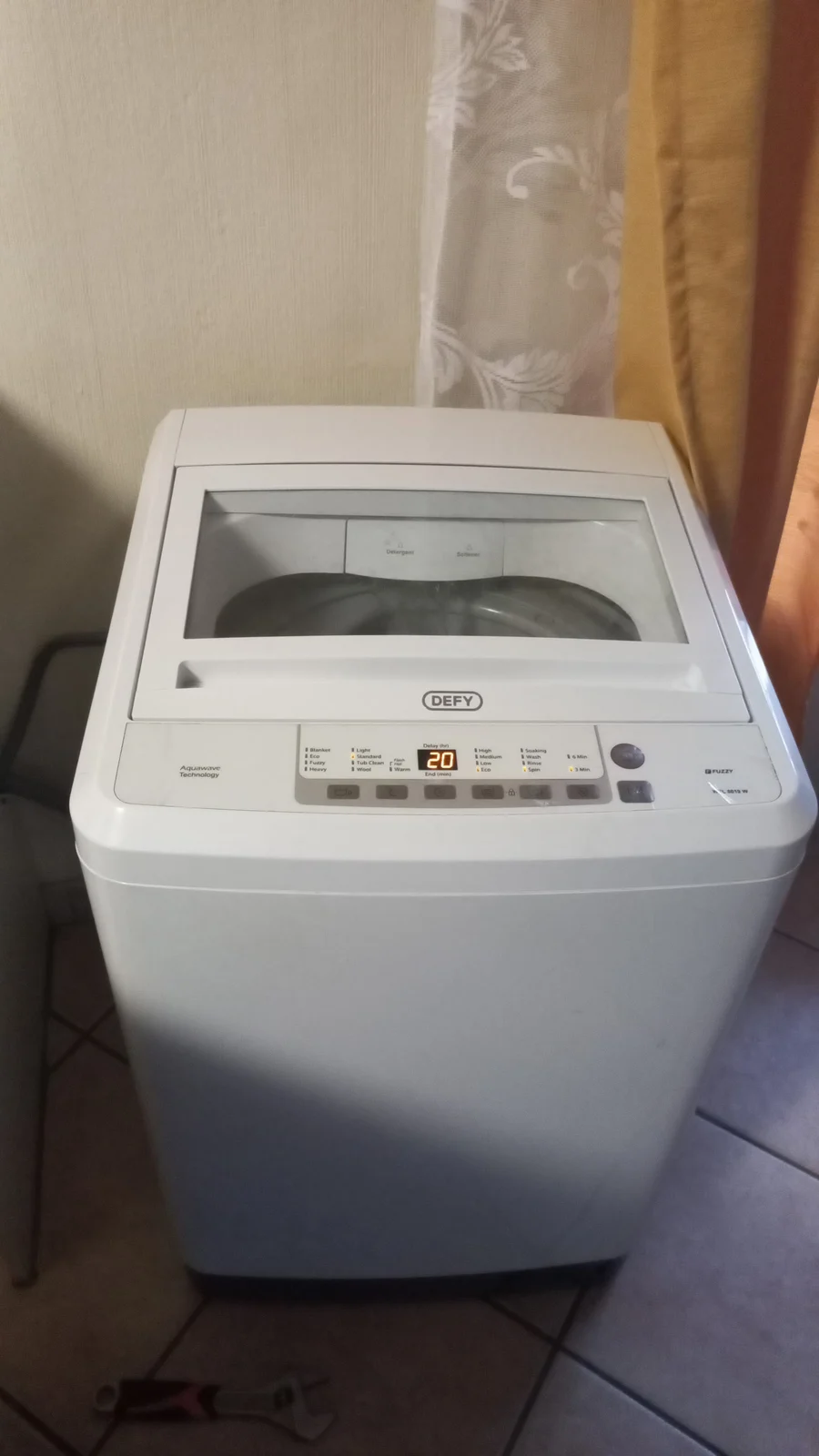
An appliance installation needs an accessible water supply, a suitable waste route and space for the hoses. Identify the appliance position and existing connection points when requesting installation help.
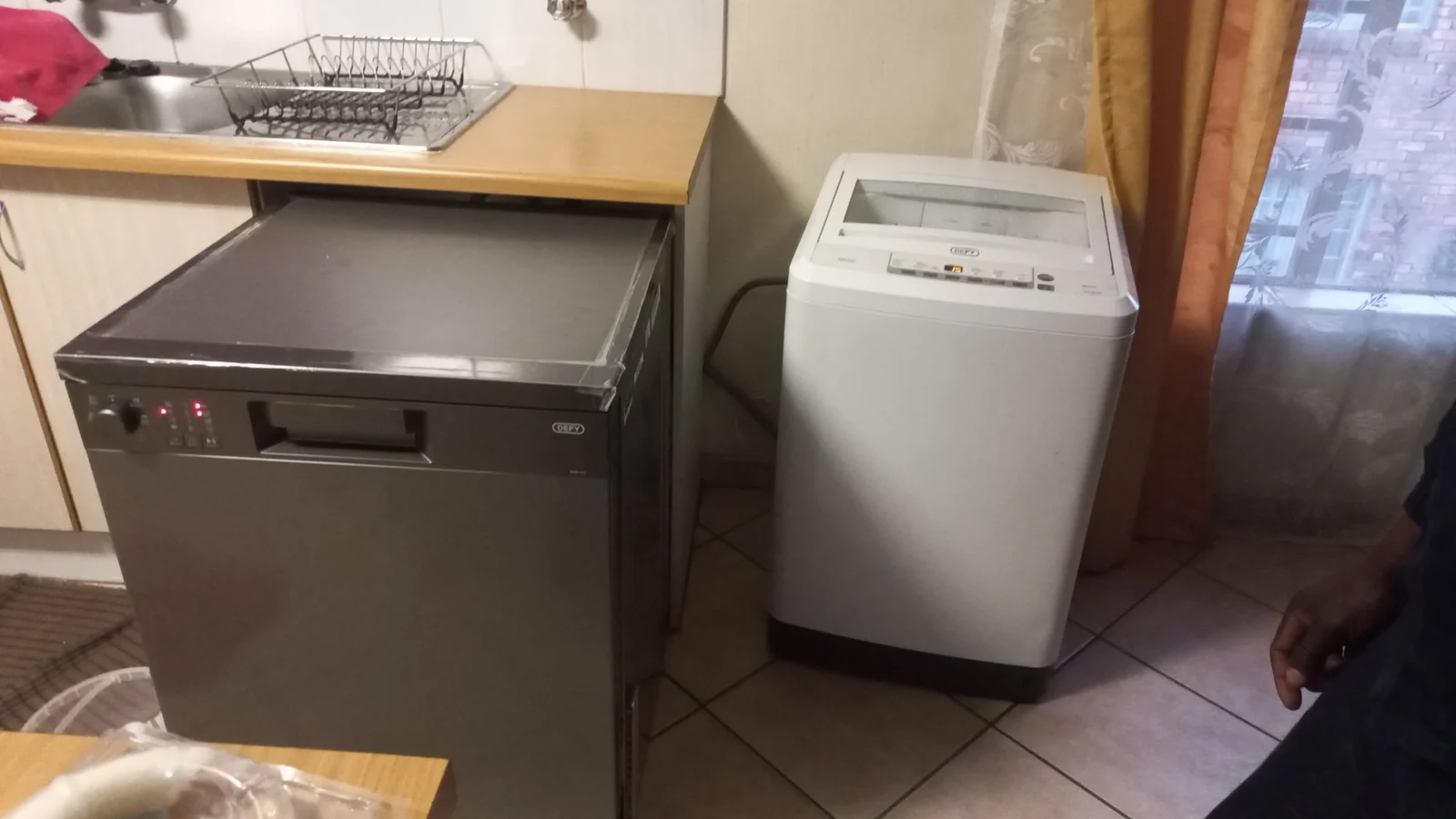
A washing machine connection assessment includes hose condition, isolation and the drainage arrangement. Checks during operation help confirm that the agreed water and waste connections work as intended.
Professional washing machine installation starts with a clear understanding of a washing machine water and waste connection. We focus on what the service covers and why a correct first assessment matters, because a rushed assumption can leave the real cause unresolved and allow leaking hoses, poor drainage, vibration or an appliance that cannot fill to continue.
How Washing Machine Installation Works in Practice is important because leaking hoses, poor drainage, vibration or an appliance that cannot fill can develop quickly when loose connectors, unsuitable valves, incorrect waste height or poor appliance levelling. We check the relevant components and explain what the findings mean before recommending the next step.
In practice, why professional washing machine installation matters involves checking the inlet valve, hose condition, standpipe or trap connection and appliance position. This prevents unnecessary replacement and helps ensure the proposed work addresses the actual source of the fault.
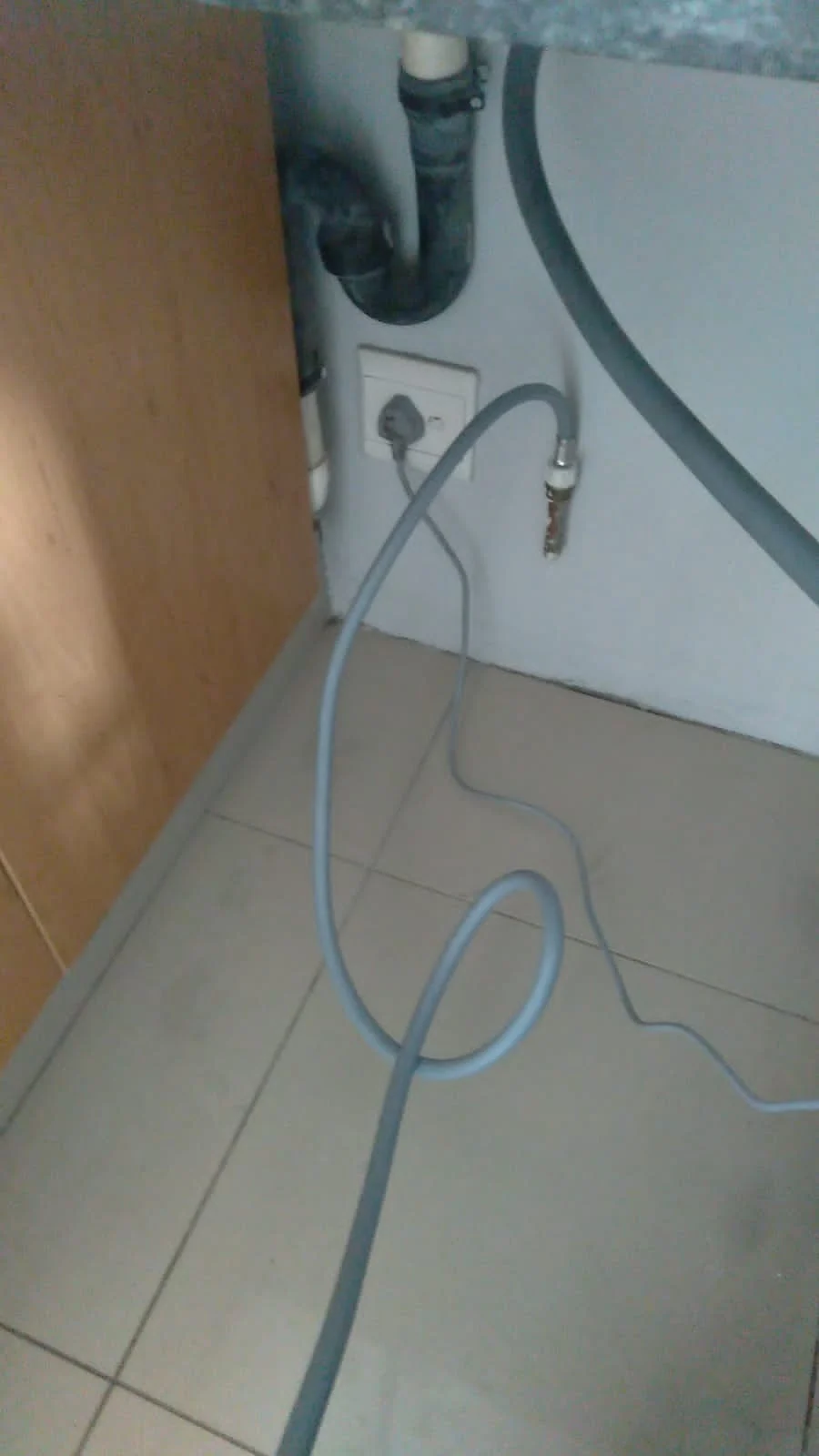
An appliance installation needs an accessible water supply, a suitable waste route and space for the hoses. Identify the appliance position and existing connection points when requesting installation help.
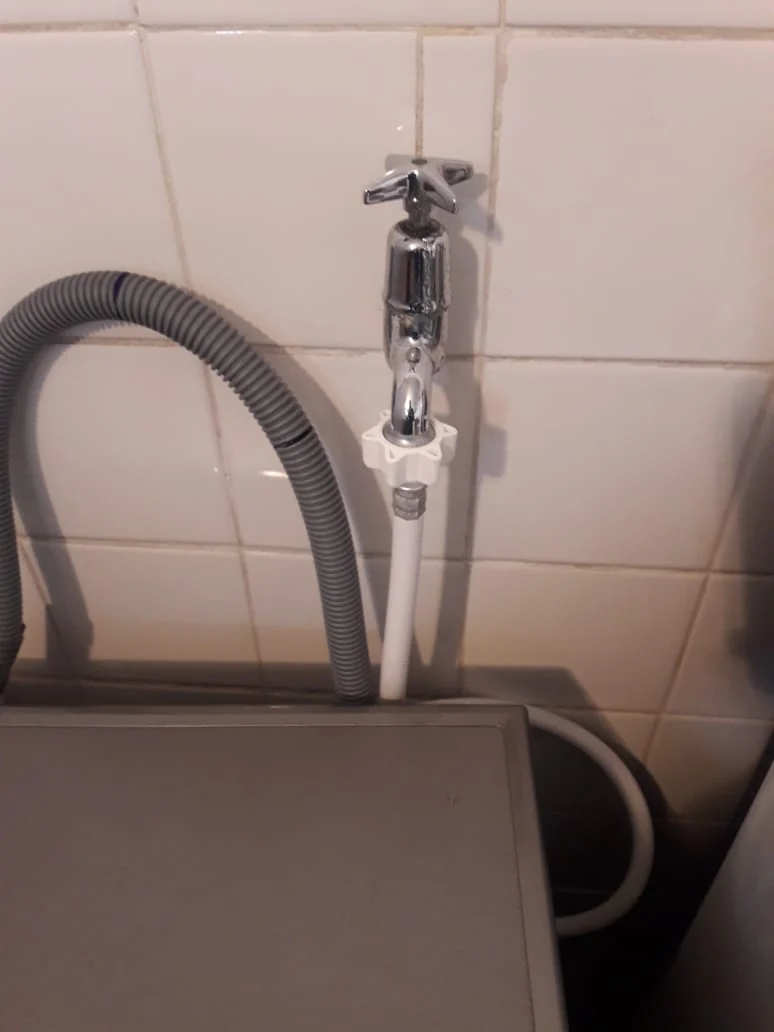
A washing machine connection assessment includes hose condition, isolation and the drainage arrangement. Checks during operation help confirm that the agreed water and waste connections work as intended.
The most reliable approach to washing machine installation is to confirm the condition of the complete connection or system, not only the most visible symptom. This section explains the symptoms that indicate attention is needed before the fault becomes more disruptive and how the work is planned for laundries, kitchens, utility rooms and apartment installations.
Initial Assessment of the Washing Machine is important because leaking hoses, poor drainage, vibration or an appliance that cannot fill can develop quickly when loose connectors, unsuitable valves, incorrect waste height or poor appliance levelling. We check the relevant components and explain what the findings mean before recommending the next step.
In practice, confirming the cause before installation involves checking the inlet valve, hose condition, standpipe or trap connection and appliance position. This prevents unnecessary replacement and helps ensure the proposed work addresses the actual source of the fault.
Where repair is suitable, the work may involve connecting the machine securely, routing the waste correctly and completing a test cycle. All accessible connections are checked and the system is tested before it is returned to normal use.
Delaying attention can lead to flooding, floor damage and avoidable appliance errors. Early action usually limits secondary damage, improves access to the fault and gives the customer more practical repair choices.
For laundries, kitchens, utility rooms and apartment installations, protecting the property during the work must account for usage, access and the condition of existing services. We select compatible materials and avoid changes that could place unnecessary strain on other parts of the installation.
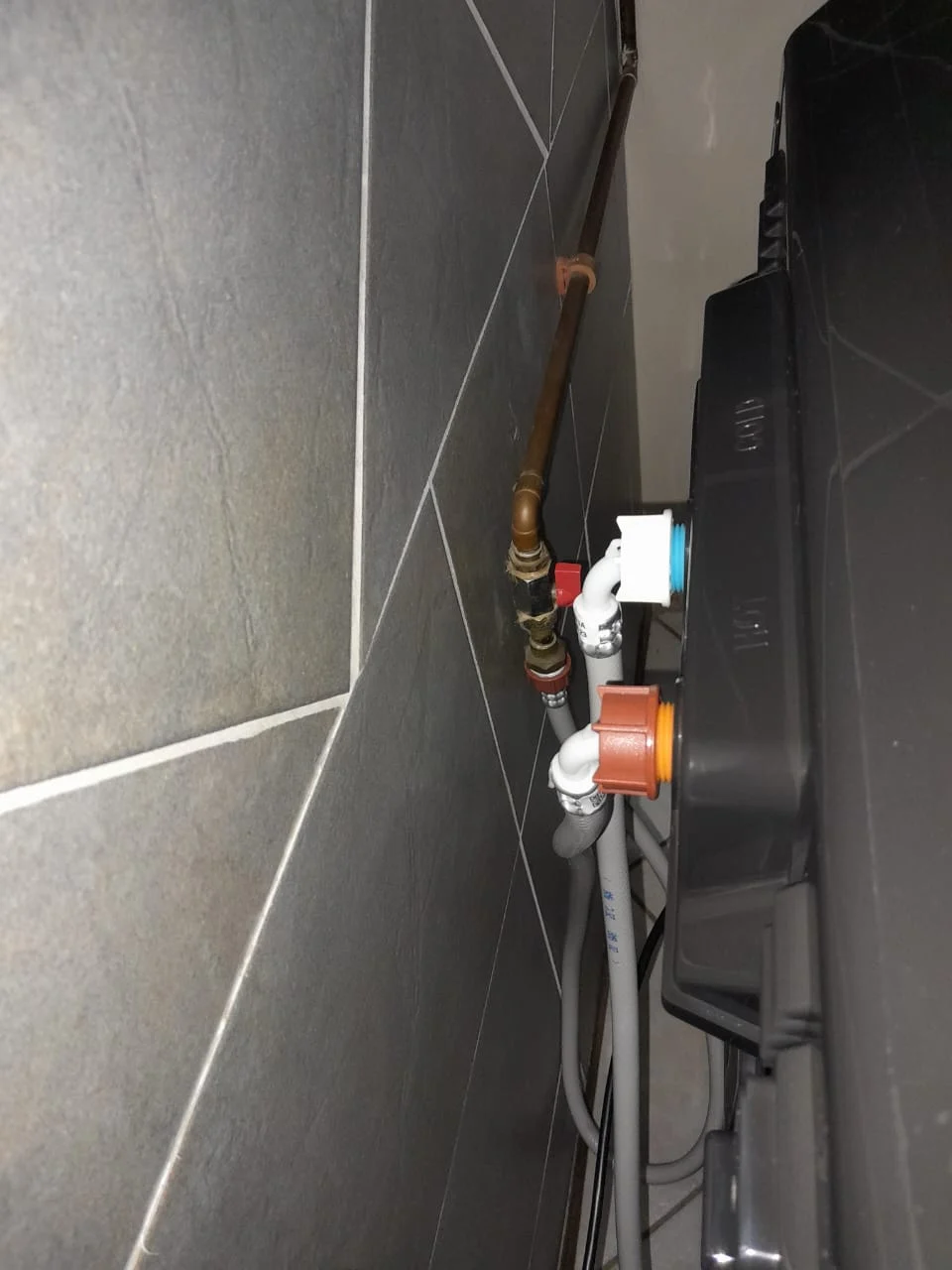
Water connections, valves and accessible pipe joints are useful details to include in a plumbing enquiry. Describe whether the concern is a visible leak, reduced flow or a new connection so the assessment can address the right fitting.
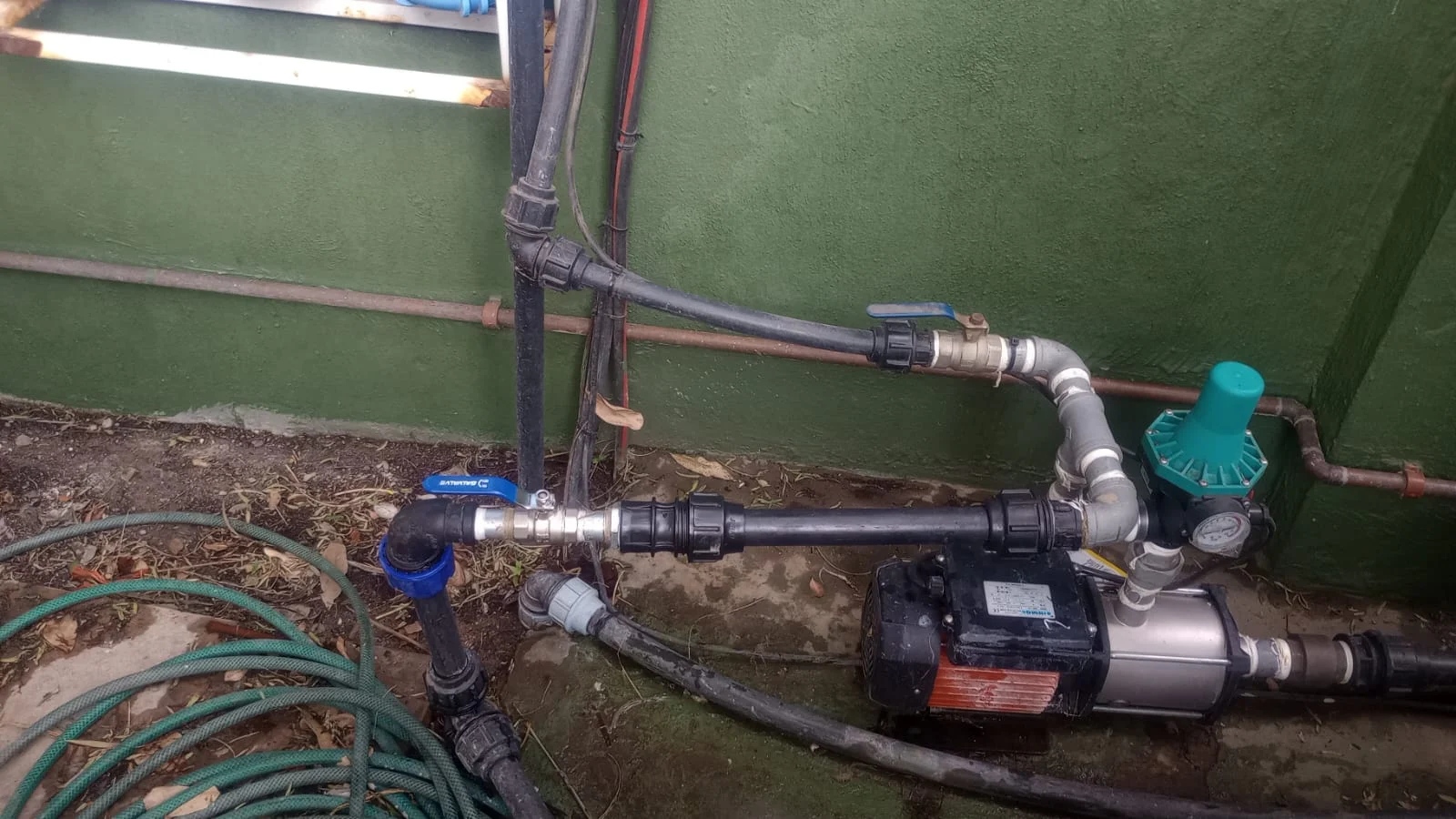
Accessible isolation and sound supply connections help with installation and future maintenance. The relevant joint or fitting should be checked under operating conditions after the agreed work.
Customers usually request washing machine installation after noticing leaking hoses, poor drainage, vibration or an appliance that cannot fill. A structured inspection helps distinguish a local fault from a wider system issue and supports a repair that is practical, safe and suited to the property.
Early Warning Signs of a Washing Machine is important because leaking hoses, poor drainage, vibration or an appliance that cannot fill can develop quickly when loose connectors, unsuitable valves, incorrect waste height or poor appliance levelling. We check the relevant components and explain what the findings mean before recommending the next step.
In practice, visible symptoms that need attention involves checking the inlet valve, hose condition, standpipe or trap connection and appliance position. This prevents unnecessary replacement and helps ensure the proposed work addresses the actual source of the fault.
Where repair is suitable, the work may involve connecting the machine securely, routing the waste correctly and completing a test cycle. All accessible connections are checked and the system is tested before it is returned to normal use.
Delaying attention can lead to flooding, floor damage and avoidable appliance errors. Early action usually limits secondary damage, improves access to the fault and gives the customer more practical repair choices.
For laundries, kitchens, utility rooms and apartment installations, preventing secondary water damage must account for usage, access and the condition of existing services. We select compatible materials and avoid changes that could place unnecessary strain on other parts of the installation.
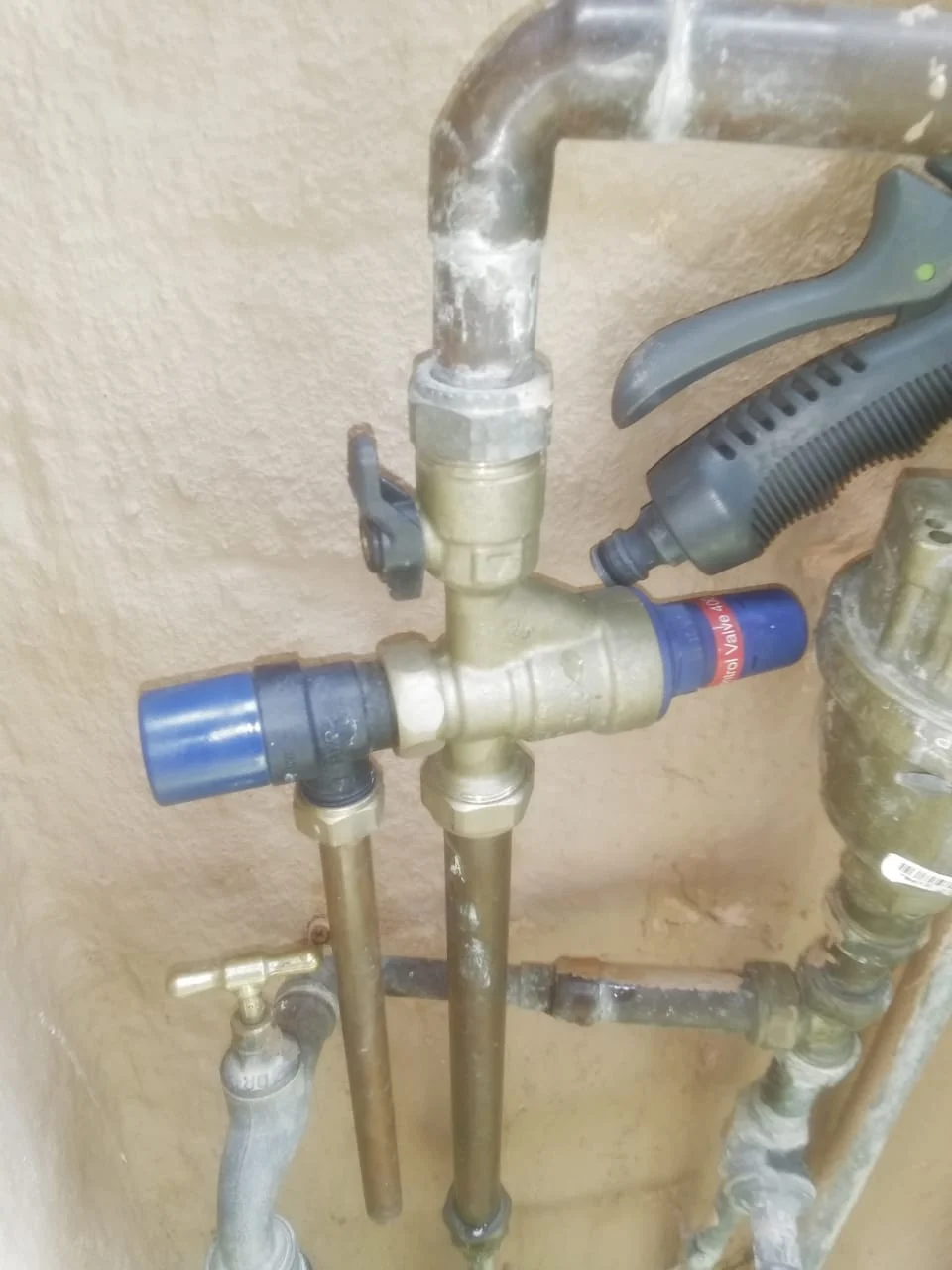
Water connections, valves and accessible pipe joints are useful details to include in a plumbing enquiry. Describe whether the concern is a visible leak, reduced flow or a new connection so the assessment can address the right fitting.
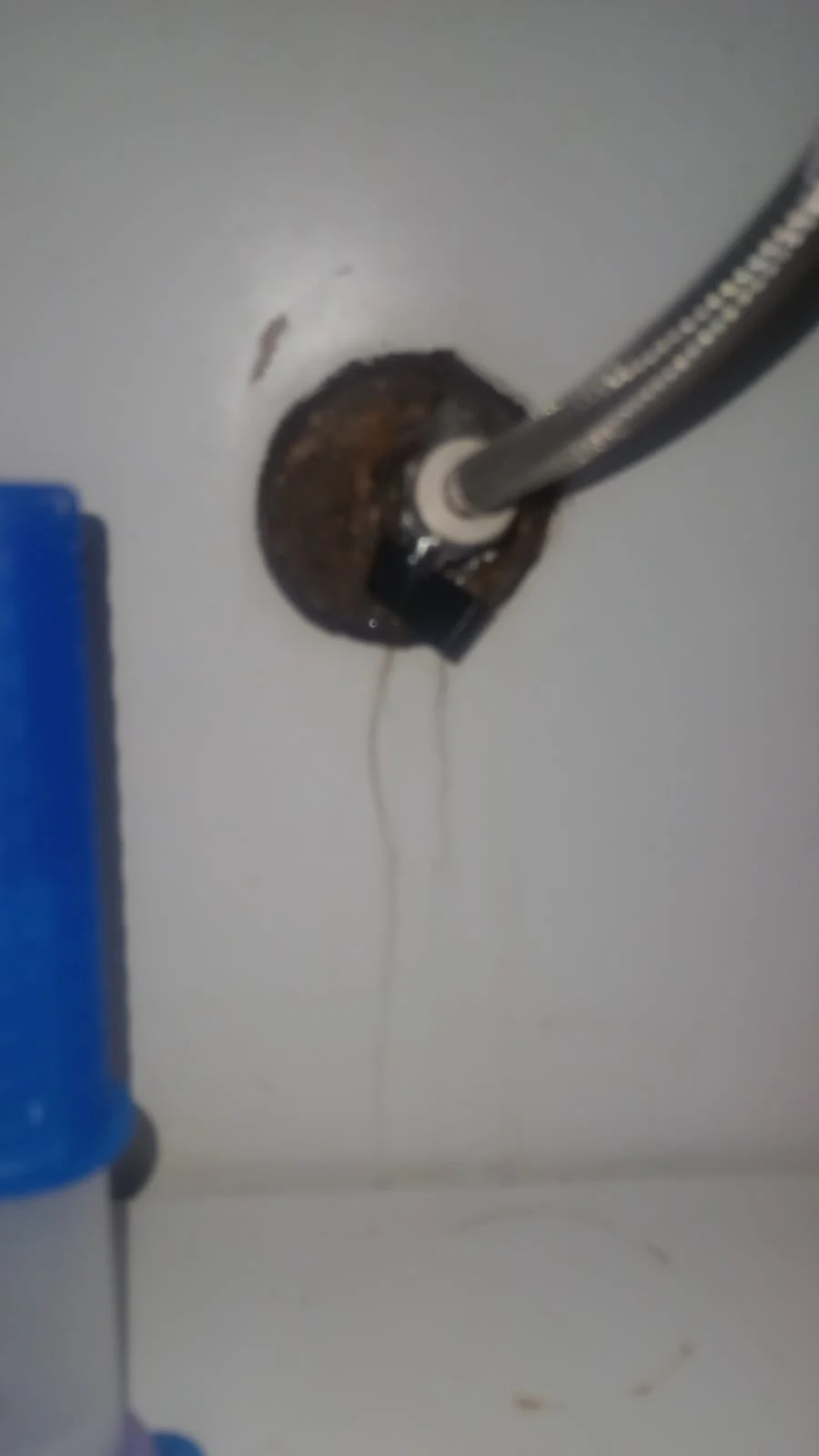
Accessible isolation and sound supply connections help with installation and future maintenance. The relevant joint or fitting should be checked under operating conditions after the agreed work.
The correct solution for a washing machine water and waste connection varies according to age, condition, layout and use. We explain the findings, define the work required and obtain approval before proceeding with the agreed repair or installation.
Repair Options for the Washing Machine is important because leaking hoses, poor drainage, vibration or an appliance that cannot fill can develop quickly when loose connectors, unsuitable valves, incorrect waste height or poor appliance levelling. We check the relevant components and explain what the findings mean before recommending the next step.
In practice, when component replacement is more reliable involves checking the inlet valve, hose condition, standpipe or trap connection and appliance position. This prevents unnecessary replacement and helps ensure the proposed work addresses the actual source of the fault.
Where repair is suitable, the work may involve connecting the machine securely, routing the waste correctly and completing a test cycle. All accessible connections are checked and the system is tested before it is returned to normal use.
Delaying attention can lead to flooding, floor damage and avoidable appliance errors. Early action usually limits secondary damage, improves access to the fault and gives the customer more practical repair choices.
For laundries, kitchens, utility rooms and apartment installations, confirming the work before work begins must account for usage, access and the condition of existing services. We select compatible materials and avoid changes that could place unnecessary strain on other parts of the installation.
Our approach to washing machine installation combines careful diagnosis with clear communication. The aim is to restore dependable operation while protecting surrounding finishes, limiting water loss and reducing the likelihood of repeat faults.
Our Step-by-Step Washing Machine Installation Process is important because leaking hoses, poor drainage, vibration or an appliance that cannot fill can develop quickly when loose connectors, unsuitable valves, incorrect waste height or poor appliance levelling. We check the relevant components and explain what the findings mean before recommending the next step.
In practice, isolating water and securing the work area involves checking the inlet valve, hose condition, standpipe or trap connection and appliance position. This prevents unnecessary replacement and helps ensure the proposed work addresses the actual source of the fault.
Where repair is suitable, the work may involve connecting the machine securely, routing the waste correctly and completing a test cycle. All accessible connections are checked and the system is tested before it is returned to normal use.
Delaying attention can lead to flooding, floor damage and avoidable appliance errors. Early action usually limits secondary damage, improves access to the fault and gives the customer more practical repair choices.
For laundries, kitchens, utility rooms and apartment installations, cleaning the area and explaining the result must account for usage, access and the condition of existing services. We select compatible materials and avoid changes that could place unnecessary strain on other parts of the installation.
Reliable plumbing work should solve the immediate problem and improve confidence in the system. For laundries, kitchens, utility rooms and apartment installations, we consider both the present fault and the conditions that may affect long-term performance.
Protecting the Washing Machine From Repeat Problems is important because leaking hoses, poor drainage, vibration or an appliance that cannot fill can develop quickly when loose connectors, unsuitable valves, incorrect waste height or poor appliance levelling. We check the relevant components and explain what the findings mean before recommending the next step.
In practice, routine checks that reduce future faults involves checking the inlet valve, hose condition, standpipe or trap connection and appliance position. This prevents unnecessary replacement and helps ensure the proposed work addresses the actual source of the fault.
Where repair is suitable, the work may involve connecting the machine securely, routing the waste correctly and completing a test cycle. All accessible connections are checked and the system is tested before it is returned to normal use.
Delaying attention can lead to flooding, floor damage and avoidable appliance errors. Early action usually limits secondary damage, improves access to the fault and gives the customer more practical repair choices.
For laundries, kitchens, utility rooms and apartment installations, keeping valves and connections accessible must account for usage, access and the condition of existing services. We select compatible materials and avoid changes that could place unnecessary strain on other parts of the installation.
Contact our plumbers for washing machine installation or new connection points. We assess the water supply, waste route and appliance position, complete the plumbing work and test the connections.
Check whether there are suitable water valves and a waste standpipe or approved connection. Note any leaks from the old machine’s hoses or water backing up during draining.
Don’t leave a drain hose loose where it can fall out or force a seized supply valve. Keep clear of wet plugs and electrical sockets.
Clear access to the valves and drain connection, and have the machine’s instructions ready. Leave enough room to inspect the hoses before the appliance is pushed back.
Tell us the model, whether it needs hot and cold feeds, and where the waste discharges. Send photos of the existing plumbing and mention any earlier overflow.
We agree the connections and any alterations, then check the machine’s filling and discharge. Hoses and joints are checked for leaks before handover.
Before you book washing machine installation, explore trusted advice on symptoms, prevention, and when DIY stops being safe. Our guides explain what matters so you can call with confidence.
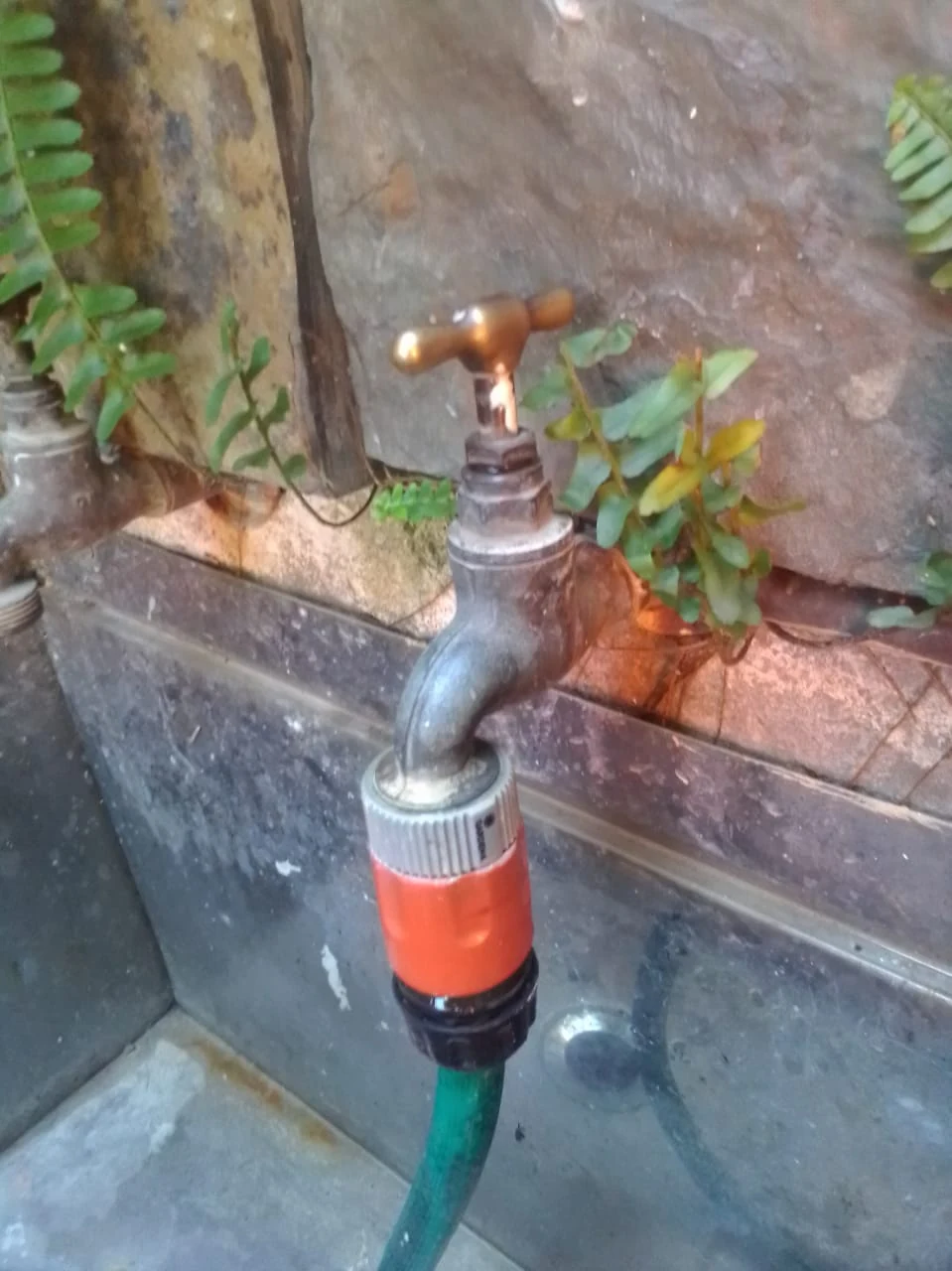
Learn whether leaky tap repair DIY or call plumber is best for your situation. Expert guidance on fixing dripping taps and when professional help is needed.
Read guide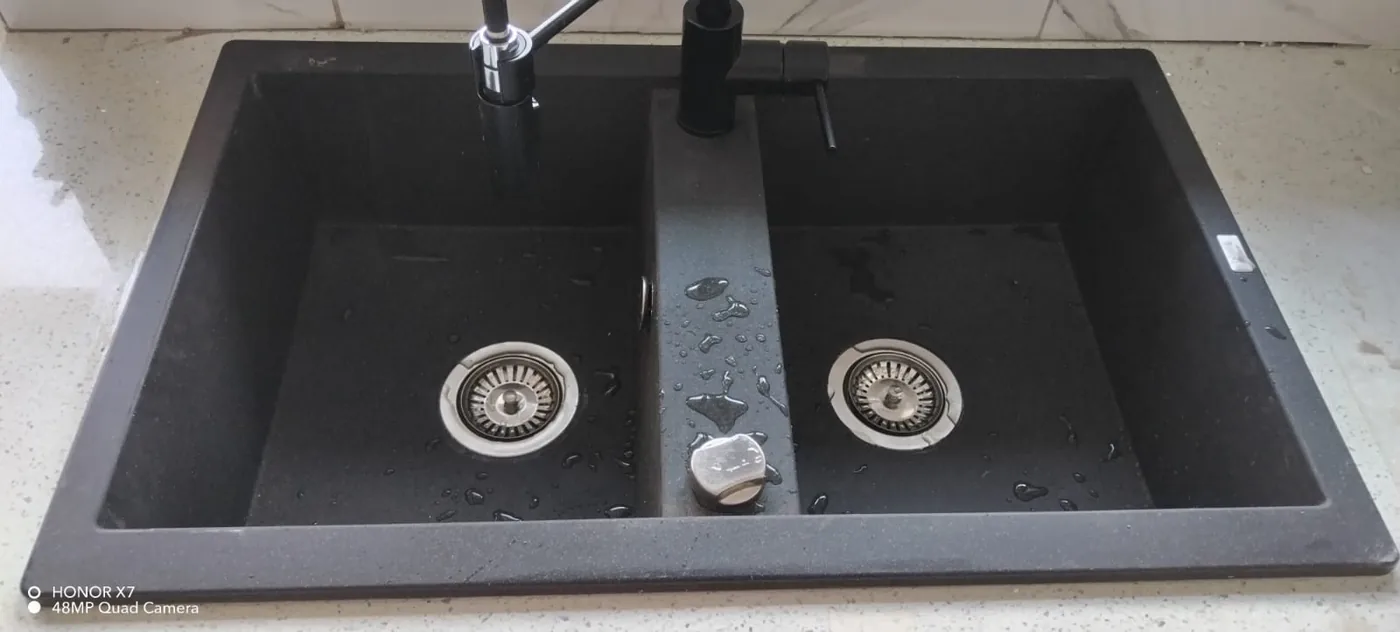
Water saving plumbing fixtures South Africa reduce consumption and lower bills. Explore low-flow options, dual-flush toilets, and greywater systems for 2026.
Read guide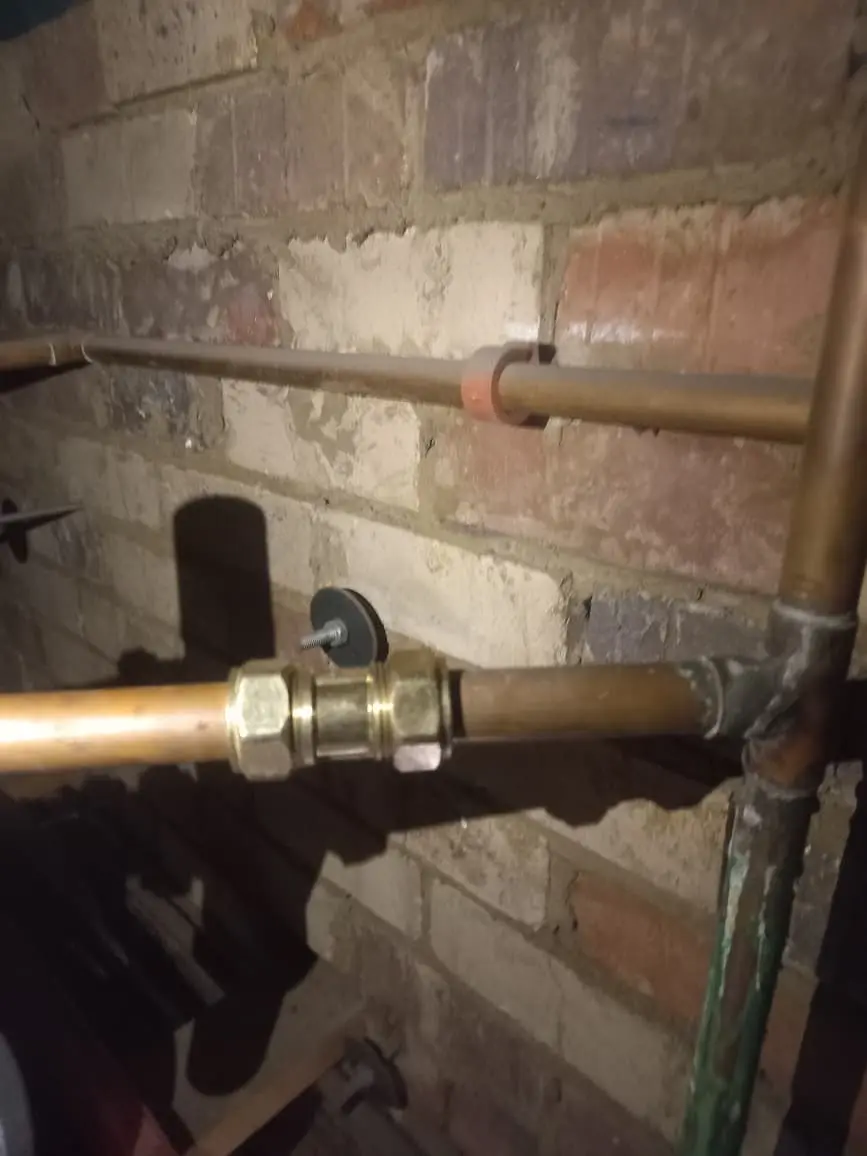
How to find a reliable plumber in South Africa with a practical checklist. Learn PIRB registration, credentials to check, and red flags to avoid.
Read guide
When it comes to maintaining your home, plumbing is often overlooked—until something goes wrong. While most homeowners regularly check their roofs,…
Read guide