
A removable drain strainer may be easy to check. Repeated blockages, hidden leaks or water near electrics need a different response. Tell the plumber what you have already tried so they can assess the fault safely.
Start here
When faced with a plumbing issue, the first instinct for many homeowners is to panic. However, it's essential to take a step back and assess the situation calmly. Not every plumbing problem requires immediate professional attention. Sometimes, you can resolve minor issues yourself with a little bit of knowledge and the right tools. Understanding your plumbing system and knowing what can be fixed or what needs an expert can save you time, stress, and money. So before you worry, take a moment to evaluate the problem.
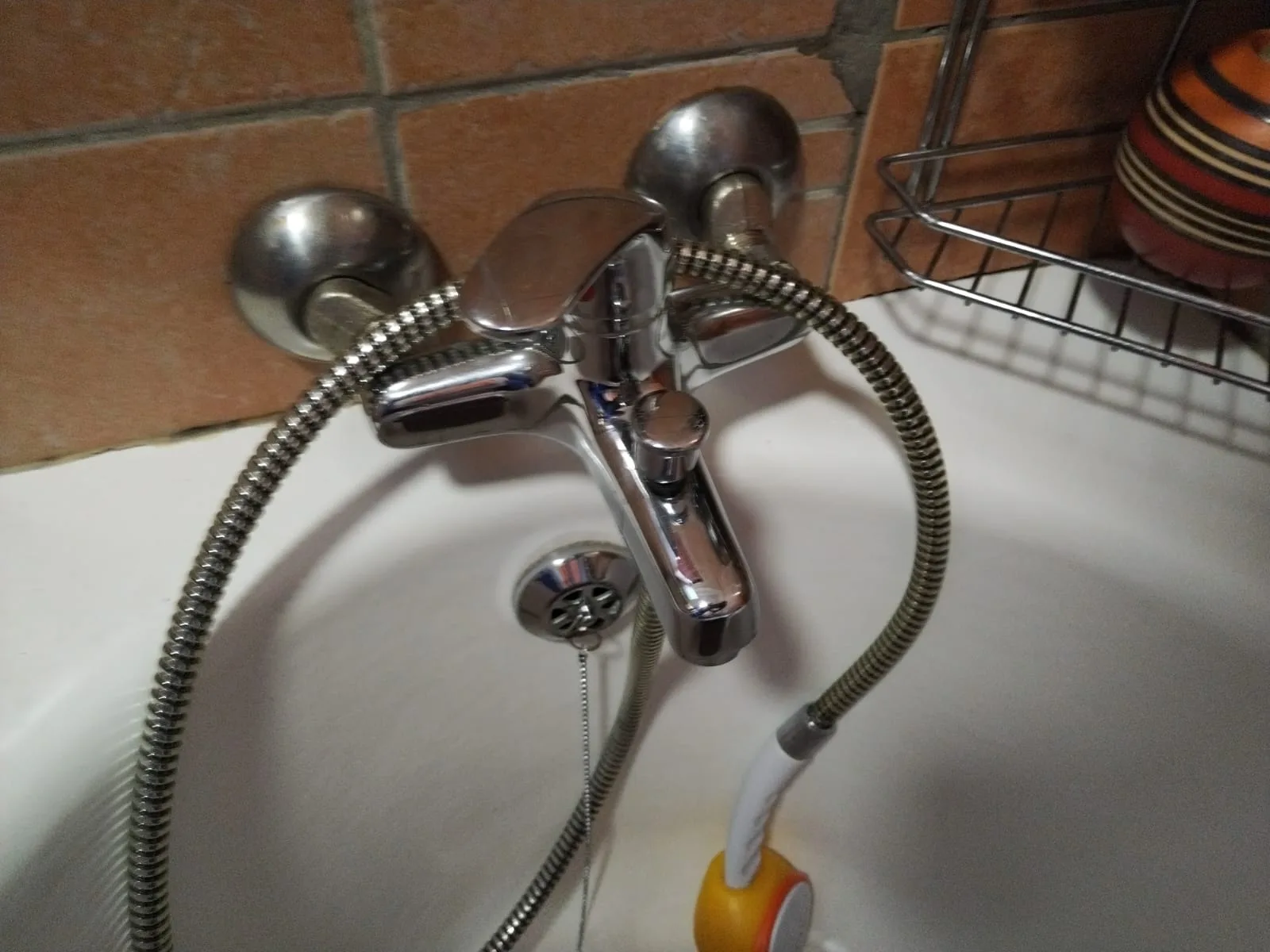
What you need to know
Plumbing is a complex system that involves numerous components, from pipes and fixtures to drainage and sewage systems. In South Africa, where water scarcity is a pressing issue, being aware of how your plumbing functions is crucial. Many homeowners may feel overwhelmed by the prospect of tackling plumbing repairs on their own. However, understanding the basics can empower you to take charge of minor repairs and maintenance tasks.
Problems such as leaky taps, slow drains, or running toilets are common and can often be managed without a plumber's help. On the other hand, issues like burst pipes or significant blockages can lead to severe water damage and should always be addressed by professionals. Familiarising yourself with the most common plumbing issues and their solutions is the first step in deciding whether you can fix it yourself or if you need to call in the experts.
Common Questions
As you consider whether you can tackle a plumbing issue yourself, you may have several questions. Here are some of the most common:
What types of plumbing issues can I fix myself?
Minor issues like changing a washer in a leaky tap, unclogging a sink with a plunger, or tightening loose fittings can generally be managed by homeowners. However, if the problem persists or escalates, it’s time to seek professional help.
Do I need special tools?
Yes, some basic plumbing tools can make your repairs easier. A plunger, adjustable wrench, pipe wrench, and a set of screwdrivers are essential for tackling most minor plumbing tasks.
How can I avoid plumbing disasters?
Regular maintenance is key. Familiarise yourself with your plumbing system, check for leaks, and clear drains periodically. Additionally, knowing the location of your main shut-off valve can save you from potential disasters in case of a major leak.
What You Can Safely Check Yourself
There are several plumbing issues that you can safely check and potentially fix yourself. Here are a few examples:
Leaky Taps
Leaky taps are not only annoying but can also waste significant amounts of water. Start by checking the tap's aerator for blockages, and if that doesn't solve the issue, you may need to replace the washer or O-ring.
Clogged Drains
Slow or clogged drains are common household issues. You can often resolve them using a plunger or a mixture of baking soda and vinegar. If the blockage persists, it may be time to call in a plumber.
Toilet Issues
Running toilets can waste litres of water. Check the flapper valve inside the tank for wear and replace it if necessary. Also, ensure that the float arm is correctly adjusted to prevent continuous running.
What You Should Never Do
While it’s great to be proactive about plumbing issues, there are situations you should never attempt to fix yourself. Here are some examples:
Electrical Components
If your plumbing issue involves electrical components, such as a hot water heater, do not attempt repairs unless you are a qualified electrician. Mixing water and electricity can lead to severe hazards.
Major Pipe Repairs
Attempting to replace or repair major pipes can lead to catastrophic leaks and water damage. If you suspect a significant pipe issue, it's best to leave this to the professionals.
Gas Plumbing
If you suspect a gas leak or need to work on gas pipes, do not attempt to fix this yourself. Call a certified gas plumber immediately, as gas leaks can pose serious health and safety risks.
When to Call a Plumber
Knowing when to call a plumber can save you time, money, and potential disaster. Here are some clear indicators that professional help is needed:
Persistent Leaks
If you have tried to fix a leak multiple times and it continues to reappear, it’s time to call an expert. Persistent leaks can lead to extensive water damage and mould growth.
Low Water Pressure
Low water pressure can indicate a larger issue within your plumbing system, such as a hidden leak or a problem with your municipal supply. A plumber can diagnose and solve these issues effectively.
Multiple Clogged Drains
If multiple drains in your home are clogged, this may suggest a blockage in the main sewer line, which requires professional attention to avoid further complications.
How our plumbers help
At Plumb A Nator, our experienced team is ready to assist you with all your plumbing needs. Whether you’re facing a minor issue that needs a quick fix or a significant problem requiring expert intervention, we’re here to help. Our plumbers are equipped with the latest tools and knowledge to handle any plumbing challenge, ensuring your home’s systems run smoothly and efficiently.
We also offer preventative maintenance services to help you avoid plumbing emergencies in the first place. By scheduling regular check-ups, you can identify potential issues before they escalate, saving you time and money in the long run. Our commitment to customer satisfaction means we’ll work with you to find cost-effective solutions that meet your specific needs.
Planning Ahead
Being proactive with your plumbing can save you from unexpected issues down the line. Here are some tips for planning ahead:
Regular Maintenance
Schedule regular plumbing inspections and maintenance. This will help catch minor issues before they become major problems. Our team at Plumb A Nator offers comprehensive maintenance packages tailored to your needs.
Know Your System
Familiarise yourself with your plumbing system, including the location of shut-off valves and the type of piping used in your home. This knowledge will empower you to make informed decisions when issues arise.
Emergency Contacts
Keep our contact information handy for when plumbing emergencies occur. The sooner you call, the quicker we can help mitigate damage and resolve the issue.
Your questions answered
Can I fix plumbing problems myself?
Minor jobs such as a dripping tap washer, a simple plunger clear, or tightening a loose fitting are often safe for homeowners. Burst pipes, gas work, electrical geyser faults and main-line blockages are not.
What tools do I need for basic DIY plumbing?
A plunger, adjustable wrench, pipe wrench, screwdrivers, PTFE tape and a bucket cover most simple household checks.
What should I never attempt myself?
Do not work on gas lines, major pipe replacements, electrical geyser components, or any job where water cannot be fully isolated and controlled.
How do I stop water in an emergency?
Locate and close the main stop valve first, then close fixture isolation valves if fitted. Knowing the valve location before an emergency is essential.
When is a leak too serious for DIY?
Call a plumber when the leak is hidden, keeps returning, involves a geyser or underfloor pipe, or water is spreading into ceilings and walls.
Can I clear every blocked drain myself?
No. A single basin may respond to plunging; repeated clogs, multiple fixtures, or toilet and floor-drain backup usually need professional tools.
Is chemical drain cleaner a good DIY fix?
Often not. Harsh chemicals can damage pipes and seals and rarely clear solid blockages as reliably as mechanical clearing.
How much does a plumber typically charge in South Africa?
Rates vary by region, urgency and job complexity. Ask for a written itemised quote that states call-out, labour, materials and VAT before work starts.
What maintenance reduces DIY emergencies?
Clear slow drains early, replace worn tap washers, check for damp patches, and run water through rarely used fixtures so traps stay sealed.
When should I call Plumb A Nator instead of continuing DIY?
Call when the problem is unclear, water damage is starting, multiple fixtures fail together, or you are unsure the isolation is complete.
Need professional plumbing assistance?
Speak directly to our team for practical advice, a free quotation and help arranging the right plumbing service.