Tell us what the toilet is doing
We discuss leaking, constant running, weak flushing, movement, noise or blockage symptoms.

From first call to final test, our approach to toilet repair is built on trust: safe isolation, honest findings, and completion you can see working. No repair without your approval — speak to our team on 067 657 6109 or WhatsApp your suburb and symptoms.
A running cistern, a leaking pan connector and a blocked drain need different work. We identify the fault, explain the repair and quote first, then check filling, flushing and the repaired connections.
Choose Gauteng, Cape Town or Durban for local booking information and area pages.
Often. We check whether the inlet shuts off, the float moves freely and the flush seal holds water. Those parts can often be serviced separately.
It could be from the cistern, supply hose or waste connection. Note whether it appears during a flush or even when the toilet is unused.
If another toilet, shower or gully is also slow or backing up, the blockage may be in the shared drain. Stop flushing repeatedly and report the other affected outlets.
Say whether the cistern fills, whether the handle operates, and whether water rises in the bowl. These details help distinguish a cistern fault from a blockage.
It depends on the waste outlet position, water connection and space around the pan. Share photos or the proposed model so the connections can be checked.
Knowing what to expect makes it easier to arrange the service with confidence. Here is how we assess, complete and verify the work from first contact through to completion.
We discuss leaking, constant running, weak flushing, movement, noise or blockage symptoms.
The cistern, inlet, flush valve, pan, seals and waste connection are checked. For more background, read Why does my toilet keep clogging repeatedly?.
We identify the faulty part or connection instead of replacing unrelated components. For more background, read What should I do if my toilet overflows in the middle of the night?.
Available parts, replacement options and the quotation are discussed clearly. For more background, read What should I do if my toilet is blocked?.
The selected components, seals or connections are repaired or replaced.
Water levels, fill rates and flush operation are set correctly.
The toilet is flushed repeatedly and checked for leaks, movement and proper drainage.
We show you the result and identify any signs that would justify another inspection.
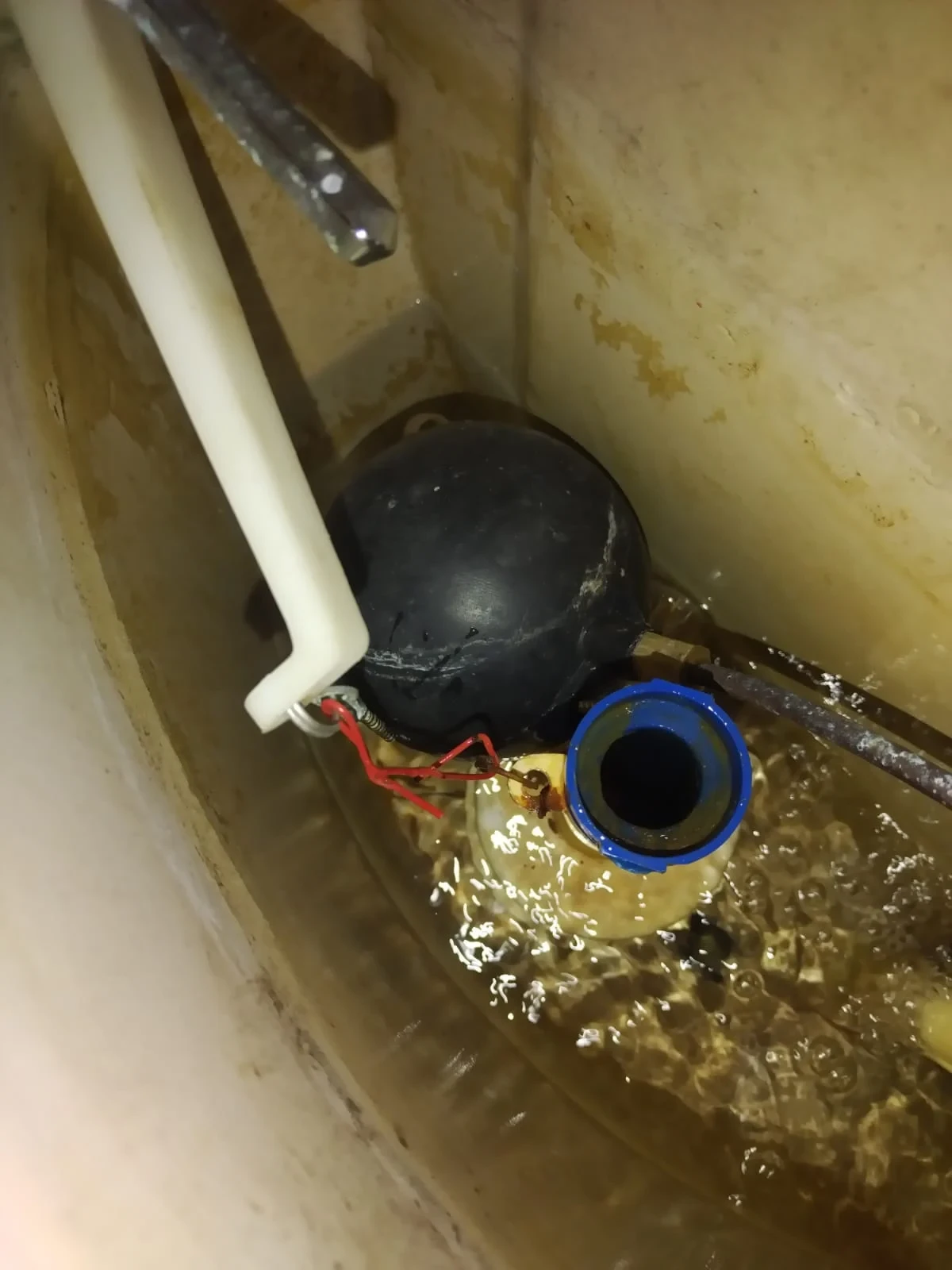
We work on the flush outlet when water continues to pass into the pan after flushing. The seal, seating and mechanism need checking together. A leak here can waste water quietly without leaving a puddle outside the toilet.
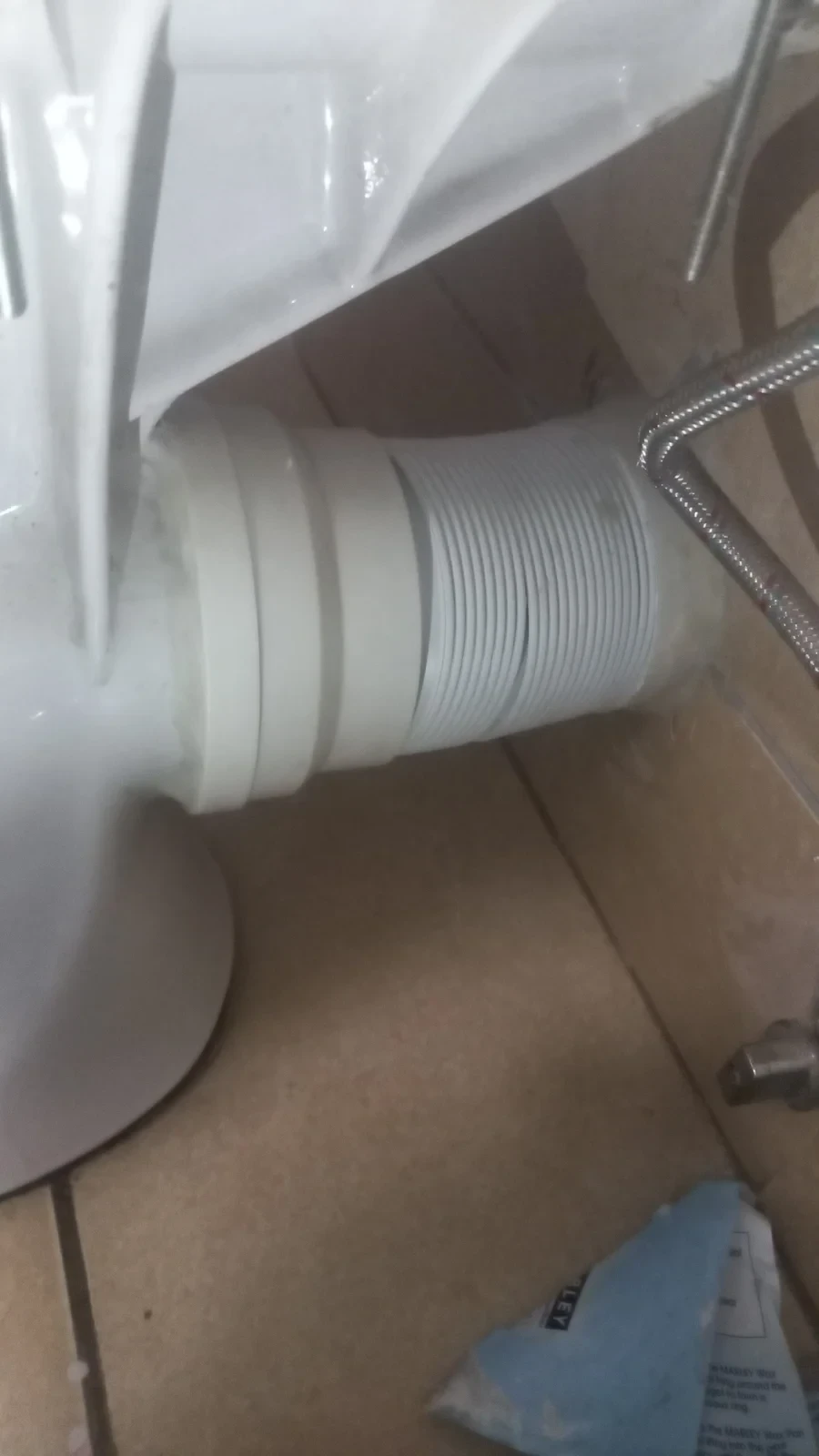
We repair the connection between the toilet pan and waste pipe when its seal leaks. Water appearing behind the pan during flushing needs tracing to this joint and the nearby connections. If moving the pan is required, we include the access and refitting in the proposed work.
Professional toilet repair starts with a clear understanding of a toilet pan, cistern or flush system. We focus on what the service covers and why a correct first assessment matters, because a rushed assumption can leave the real cause unresolved and allow constant running, weak flushing, leaks or instability to continue.
How Toilet Repair Works in Practice is important because constant running, weak flushing, leaks or instability can develop quickly when worn valves, damaged seals, blocked passages, loose fixings or cracked components. We check the relevant components and explain what the findings mean before recommending the next step.
In practice, why professional toilet repair matters involves checking the cistern, inlet, flush mechanism, pan connection and downstream drainage. This prevents unnecessary replacement and helps ensure the proposed work addresses the actual source of the fault.
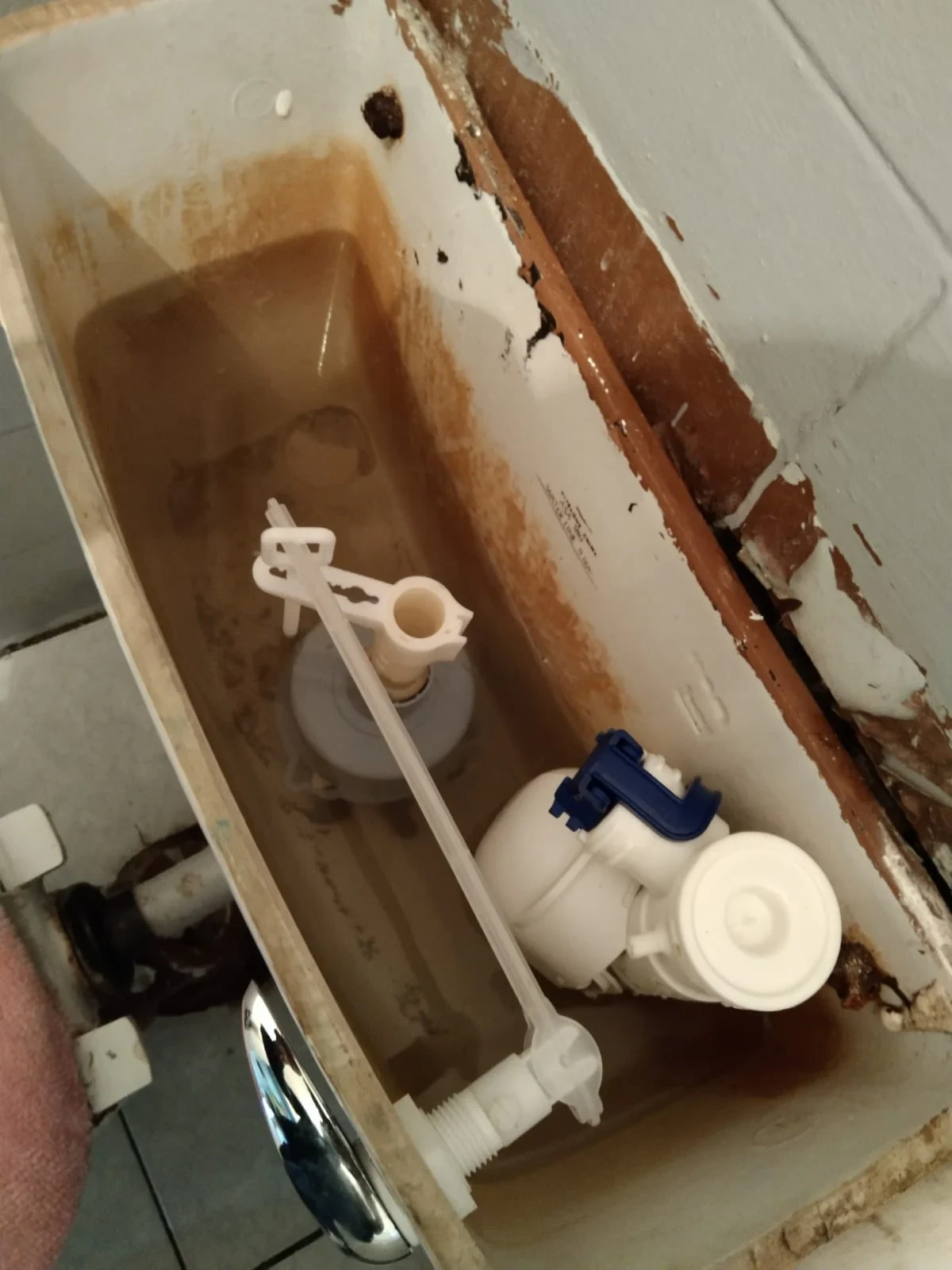
We service or replace a faulty inlet valve when the cistern does not shut off properly. The float movement and shut-off action need checking before the water level is set. Tell us if the noise continues long after a flush or starts again without anyone using the toilet.
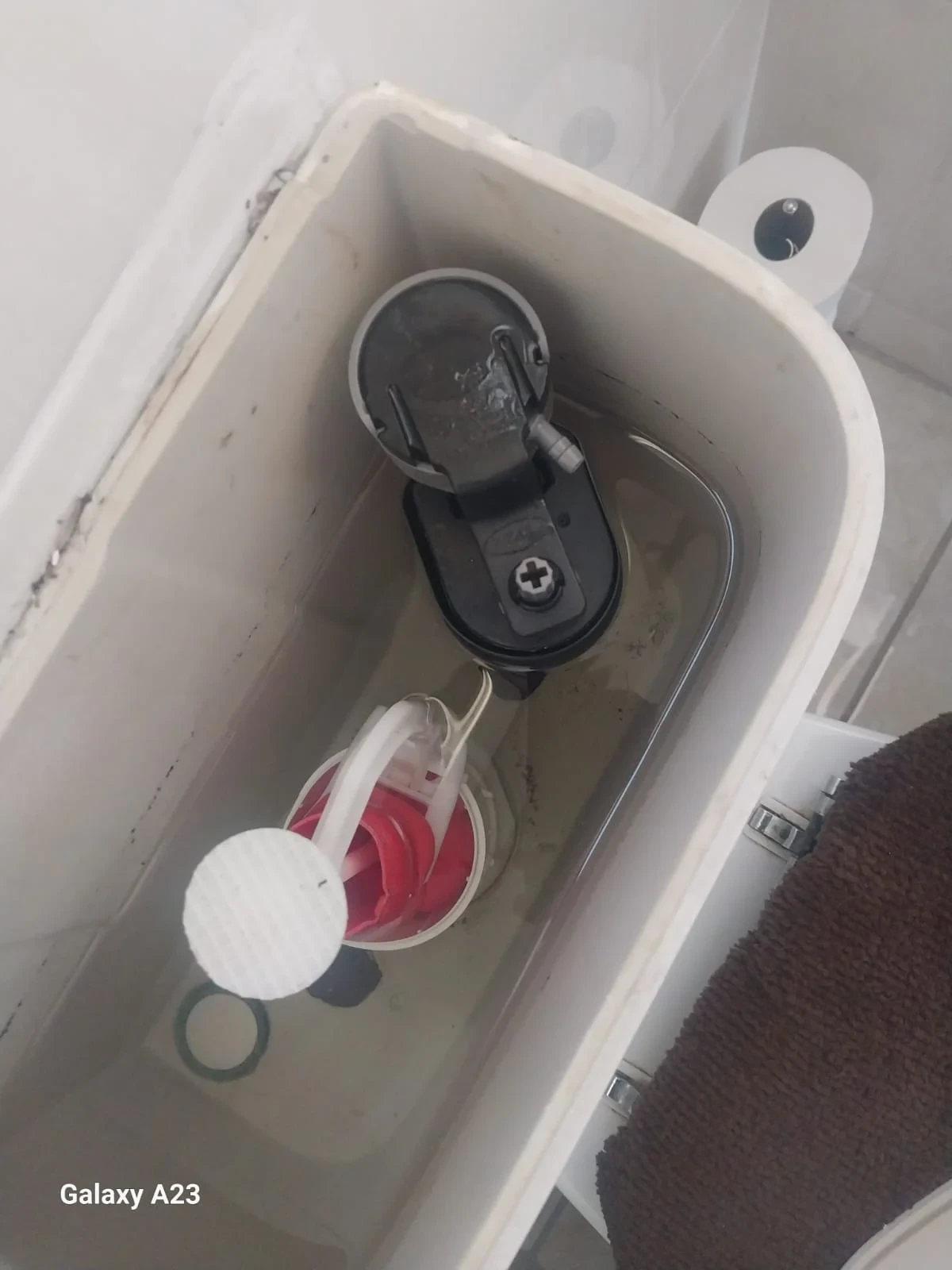
We check the cistern type before selecting replacement parts. The available space, outlet arrangement and operating button or handle affect what will fit. Send a photograph with the lid safely removed if it is readily accessible; do not dismantle the mechanism to obtain one.
The most reliable approach to toilet repair is to confirm the condition of the complete connection or system, not only the most visible symptom. This section explains the symptoms that indicate attention is needed before the fault becomes more disruptive and how the work is planned for homes, offices, complexes and hospitality properties.
Initial Assessment of the Toilet Fault is important because constant running, weak flushing, leaks or instability can develop quickly when worn valves, damaged seals, blocked passages, loose fixings or cracked components. We check the relevant components and explain what the findings mean before recommending the next step.
In practice, confirming the cause before repair involves checking the cistern, inlet, flush mechanism, pan connection and downstream drainage. This prevents unnecessary replacement and helps ensure the proposed work addresses the actual source of the fault.
Where repair is suitable, the work may involve servicing or replacing faulty parts and testing filling, sealing and flushing. All accessible connections are checked and the system is tested before it is returned to normal use.
Delaying attention can lead to water waste, floor damage and loss of reliable bathroom use. Early action usually limits secondary damage, improves access to the fault and gives the customer more practical repair choices.
For homes, offices, complexes and hospitality properties, protecting the property during the work must account for usage, access and the condition of existing services. We select compatible materials and avoid changes that could place unnecessary strain on other parts of the installation.
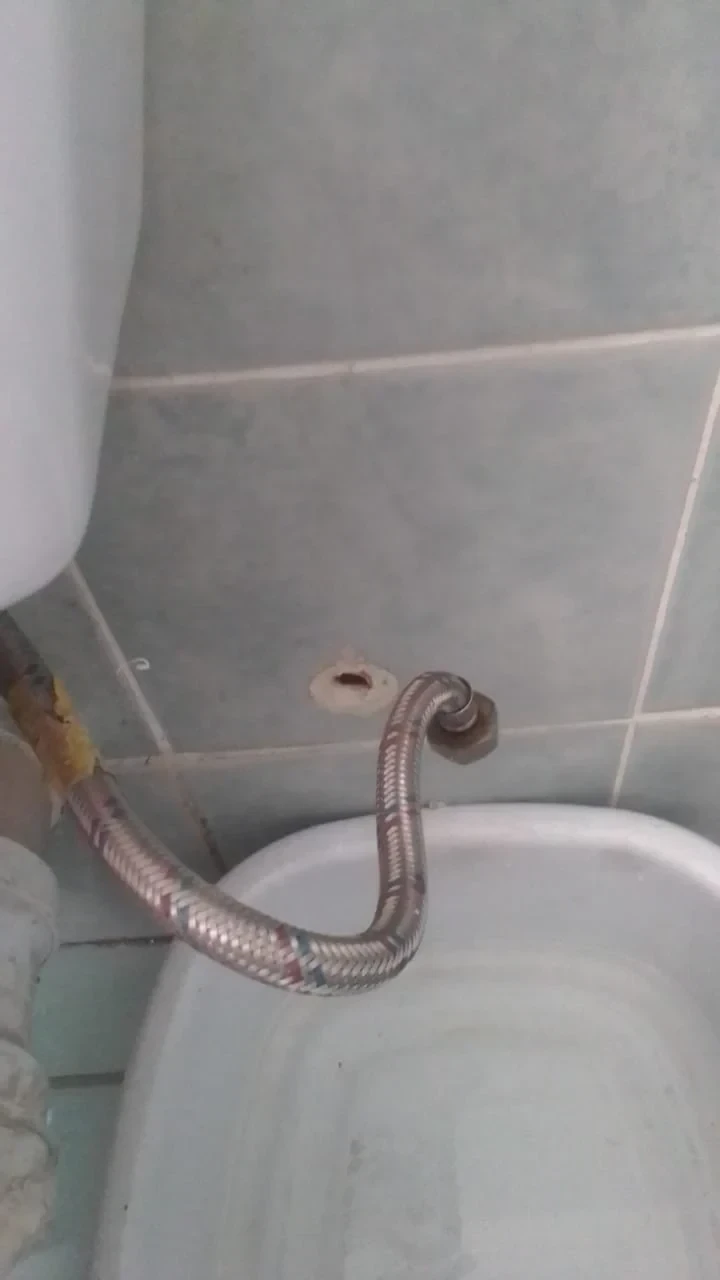
We repair leaking toilet flexi hoses and their supply connections. A hose fault can leak even when the toilet is not being flushed. We isolate the fitting, replace the affected hose or connection where needed and check for leakage when the supply is restored.
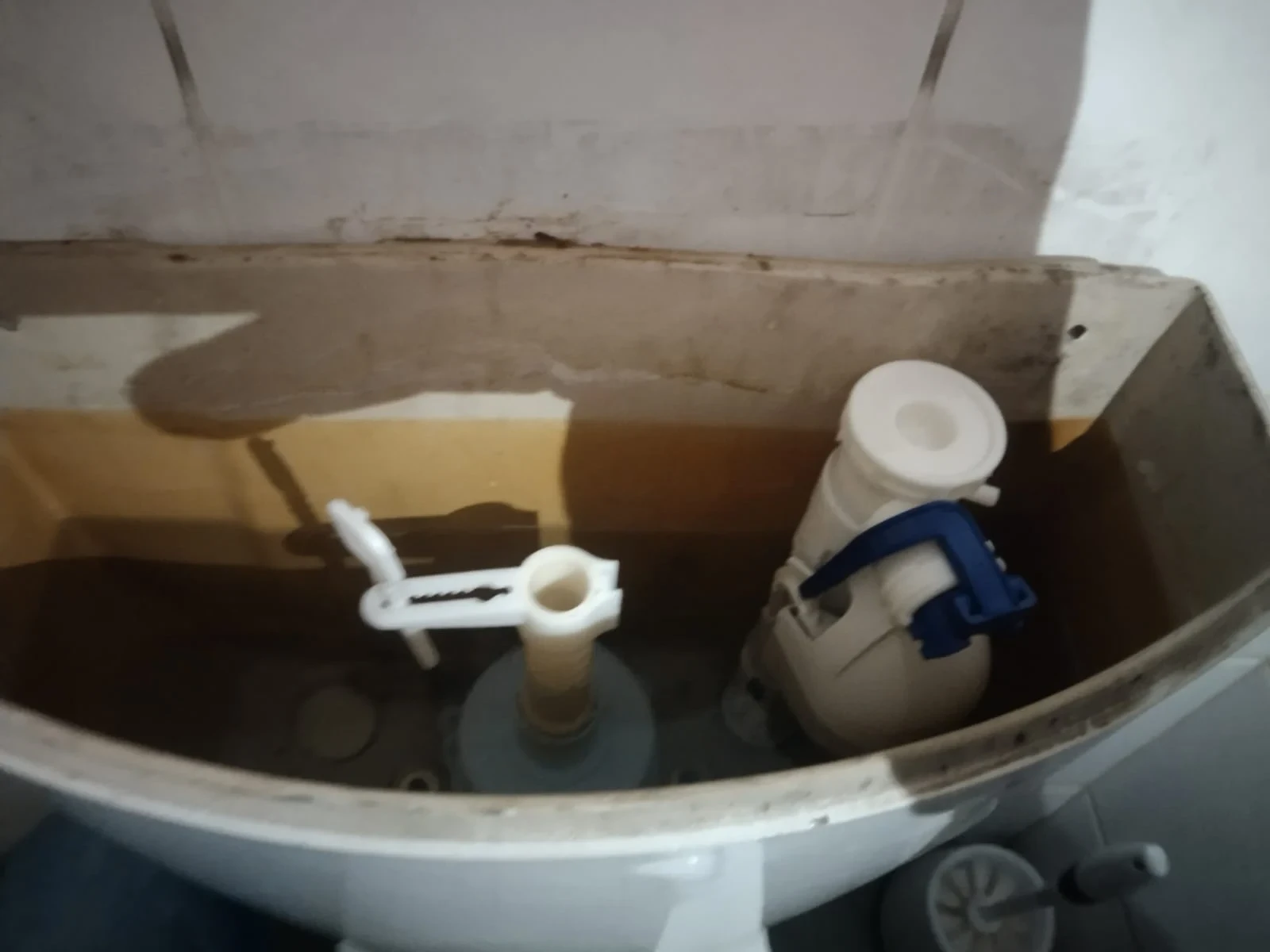
We check the handle or button linkage when the toilet fails to flush or the mechanism sticks open. A sound valve can still misbehave if its operating parts bind or do not return properly. We explain whether adjustment, servicing or replacement is required.
Customers usually request toilet repair after noticing constant running, weak flushing, leaks or instability. A structured inspection helps distinguish a local fault from a wider system issue and supports a repair that is practical, safe and suited to the property.
Early Warning Signs of a Toilet Fault is important because constant running, weak flushing, leaks or instability can develop quickly when worn valves, damaged seals, blocked passages, loose fixings or cracked components. We check the relevant components and explain what the findings mean before recommending the next step.
In practice, visible symptoms that need attention involves checking the cistern, inlet, flush mechanism, pan connection and downstream drainage. This prevents unnecessary replacement and helps ensure the proposed work addresses the actual source of the fault.
Where repair is suitable, the work may involve servicing or replacing faulty parts and testing filling, sealing and flushing. All accessible connections are checked and the system is tested before it is returned to normal use.
Delaying attention can lead to water waste, floor damage and loss of reliable bathroom use. Early action usually limits secondary damage, improves access to the fault and gives the customer more practical repair choices.
For homes, offices, complexes and hospitality properties, preventing secondary water damage must account for usage, access and the condition of existing services. We select compatible materials and avoid changes that could place unnecessary strain on other parts of the installation.
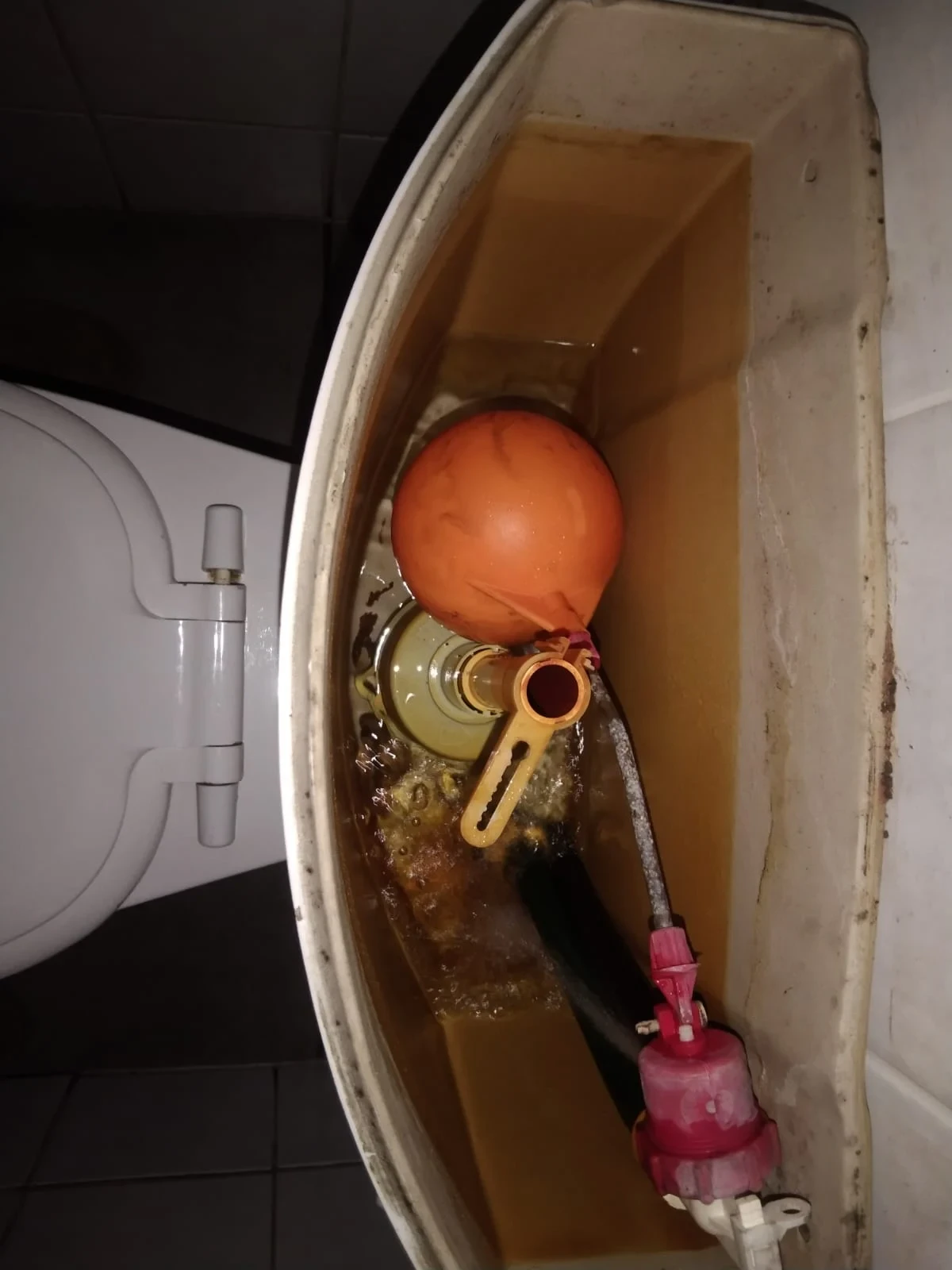
We service older cisterns with ball-float mechanisms as well as newer designs. The condition of the valve, seals and cistern determines whether a repair is practical. We discuss any parts limitations before recommending replacement of a larger assembly.
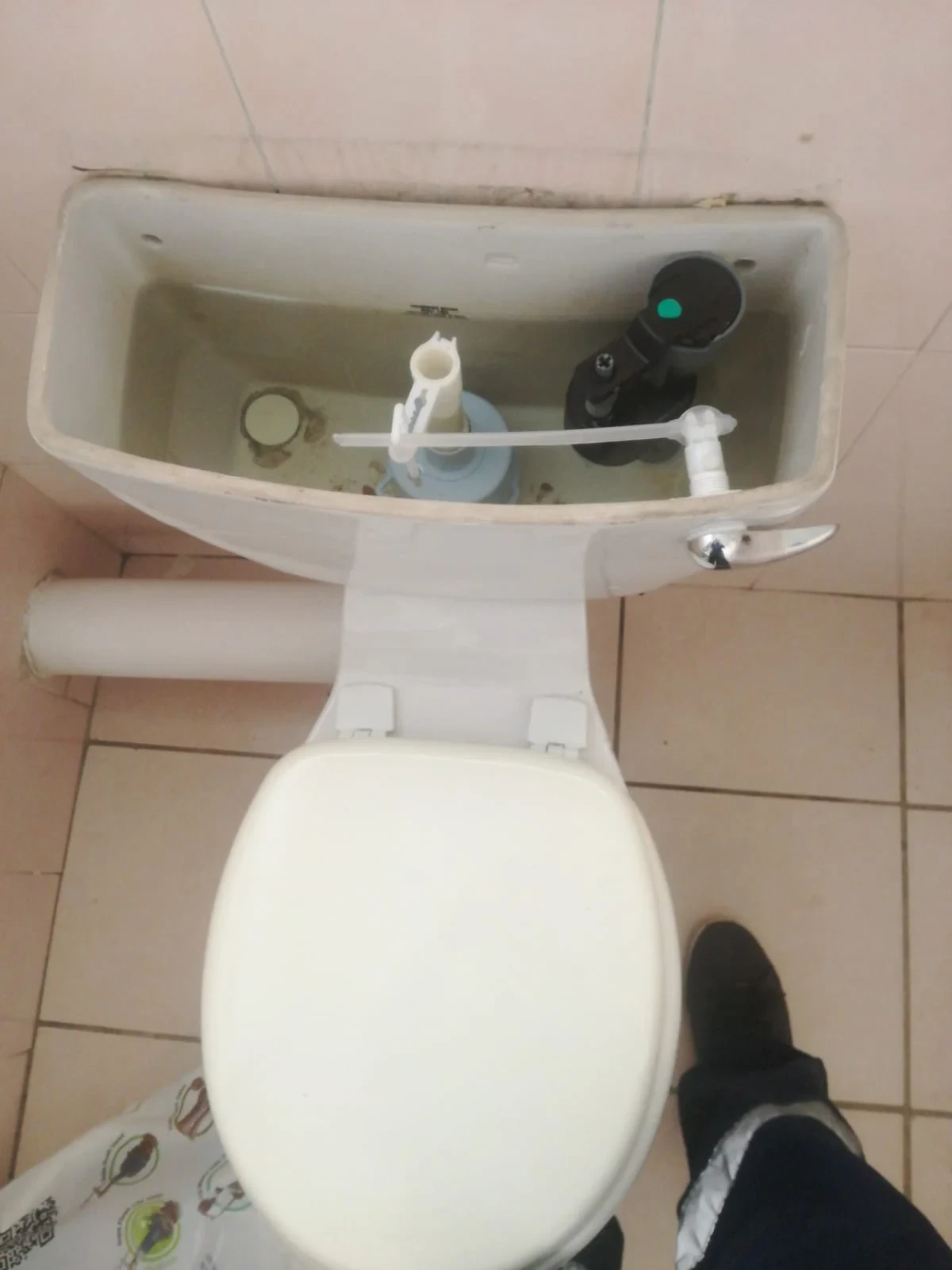
We check filling, flushing and the accessible connections together before the repair is handed over. If the pan drains poorly despite normal cistern operation, the waste route needs attention separately. We explain that finding before adding drain-clearing work to the job.
The correct solution for a toilet pan, cistern or flush system varies according to age, condition, layout and use. We explain the findings, define the work required and obtain approval before proceeding with the agreed repair or installation.
Repair Options for the Toilet is important because constant running, weak flushing, leaks or instability can develop quickly when worn valves, damaged seals, blocked passages, loose fixings or cracked components. We check the relevant components and explain what the findings mean before recommending the next step.
In practice, when component replacement is more reliable involves checking the cistern, inlet, flush mechanism, pan connection and downstream drainage. This prevents unnecessary replacement and helps ensure the proposed work addresses the actual source of the fault.
Where repair is suitable, the work may involve servicing or replacing faulty parts and testing filling, sealing and flushing. All accessible connections are checked and the system is tested before it is returned to normal use.
Delaying attention can lead to water waste, floor damage and loss of reliable bathroom use. Early action usually limits secondary damage, improves access to the fault and gives the customer more practical repair choices.
For homes, offices, complexes and hospitality properties, confirming the work before work begins must account for usage, access and the condition of existing services. We select compatible materials and avoid changes that could place unnecessary strain on other parts of the installation.
Our approach to toilet repair combines careful diagnosis with clear communication. The aim is to restore dependable operation while protecting surrounding finishes, limiting water loss and reducing the likelihood of repeat faults.
Our Step-by-Step Toilet Repair Process is important because constant running, weak flushing, leaks or instability can develop quickly when worn valves, damaged seals, blocked passages, loose fixings or cracked components. We check the relevant components and explain what the findings mean before recommending the next step.
In practice, isolating water and securing the work area involves checking the cistern, inlet, flush mechanism, pan connection and downstream drainage. This prevents unnecessary replacement and helps ensure the proposed work addresses the actual source of the fault.
Where repair is suitable, the work may involve servicing or replacing faulty parts and testing filling, sealing and flushing. All accessible connections are checked and the system is tested before it is returned to normal use.
Delaying attention can lead to water waste, floor damage and loss of reliable bathroom use. Early action usually limits secondary damage, improves access to the fault and gives the customer more practical repair choices.
For homes, offices, complexes and hospitality properties, cleaning the area and explaining the result must account for usage, access and the condition of existing services. We select compatible materials and avoid changes that could place unnecessary strain on other parts of the installation.
Reliable plumbing work should solve the immediate problem and improve confidence in the system. For homes, offices, complexes and hospitality properties, we consider both the present fault and the conditions that may affect long-term performance.
Protecting the Toilet From Repeat Problems is important because constant running, weak flushing, leaks or instability can develop quickly when worn valves, damaged seals, blocked passages, loose fixings or cracked components. We check the relevant components and explain what the findings mean before recommending the next step.
In practice, routine checks that reduce future faults involves checking the cistern, inlet, flush mechanism, pan connection and downstream drainage. This prevents unnecessary replacement and helps ensure the proposed work addresses the actual source of the fault.
Where repair is suitable, the work may involve servicing or replacing faulty parts and testing filling, sealing and flushing. All accessible connections are checked and the system is tested before it is returned to normal use.
Delaying attention can lead to water waste, floor damage and loss of reliable bathroom use. Early action usually limits secondary damage, improves access to the fault and gives the customer more practical repair choices.
For homes, offices, complexes and hospitality properties, keeping valves and connections accessible must account for usage, access and the condition of existing services. We select compatible materials and avoid changes that could place unnecessary strain on other parts of the installation.
Contact our plumbers for a leaking, running, blocked or poorly flushing toilet. We inspect the cistern, pan, seals and waste connection, then explain the most practical repair or replacement option.
Notice whether the pan is backing up, the cistern keeps filling or water appears around the base. Say whether nearby drains are also slow.
Don’t keep flushing a rising pan or add drain chemicals. Don’t overtighten cistern bolts or try to move the toilet to reach the connection.
Stop using a blocked toilet. If the cistern is leaking, close its readily accessible supply valve gently and keep the floor clear where safe.
Tell us whether the fault is filling, flushing, blockage or a leak. A photo of the toilet and cistern helps us identify the type and access.
We check the actual fault and explain whether a valve, seal, pan connector or drain needs attention. We quote first, then check flushing, filling and visible joints after the repair.
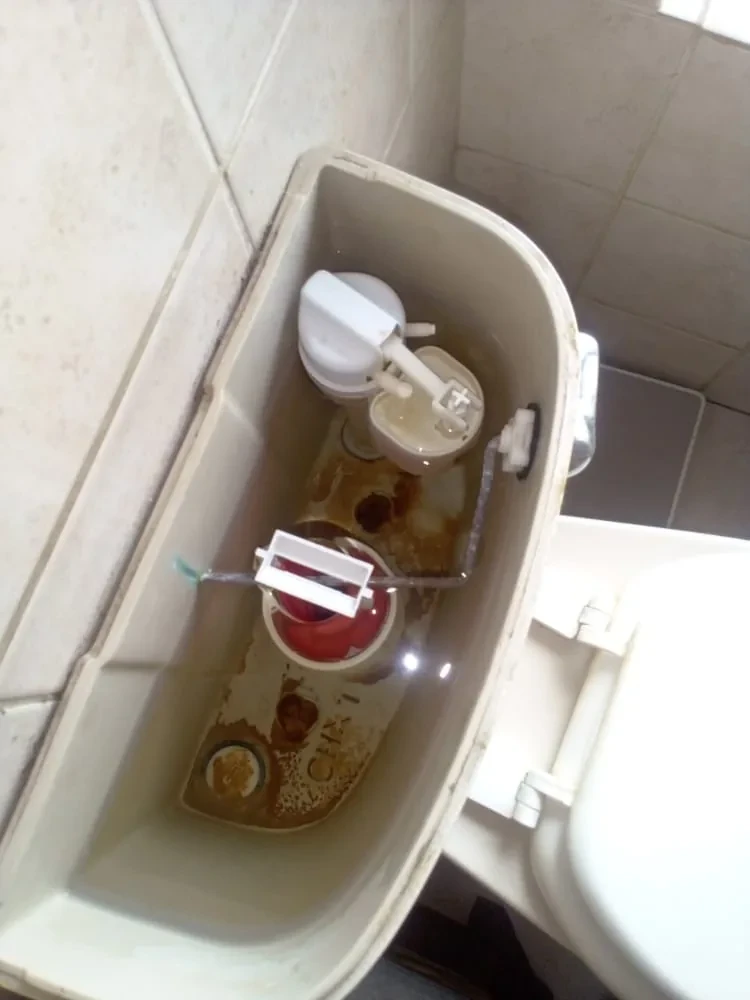
We service the inlet and flushing components inside toilet cisterns. Tell us whether the toilet keeps filling, runs into the pan or struggles to flush. Those are different faults, and checking the affected mechanism helps us quote for the repair the toilet actually needs.
Use these articles to Learn more about toilet repair — from emergency steps and maintenance tips to repair options and cost factors. Each guide focuses on real situations we see on site across Gauteng.
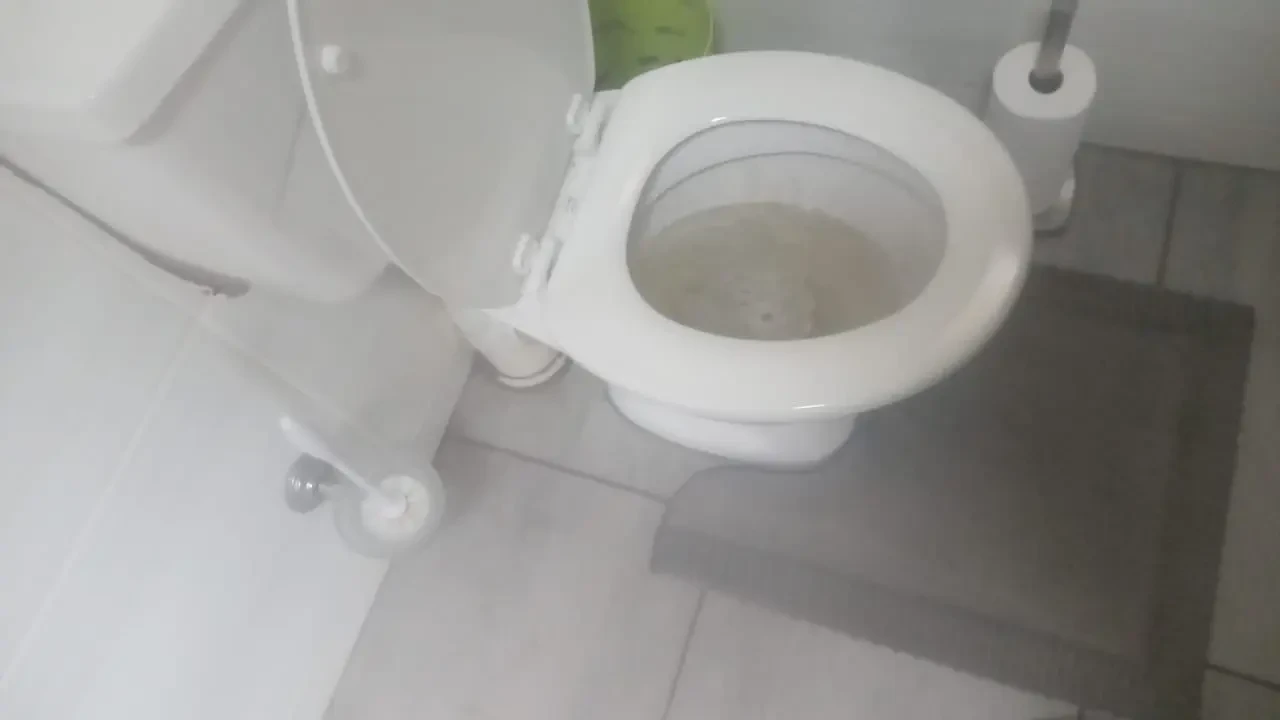
Stop repeated flushing when the bowl rises or drains slowly. Tell the plumber whether other outlets are backing up and whether anything unusual may have been flushed.
Read guide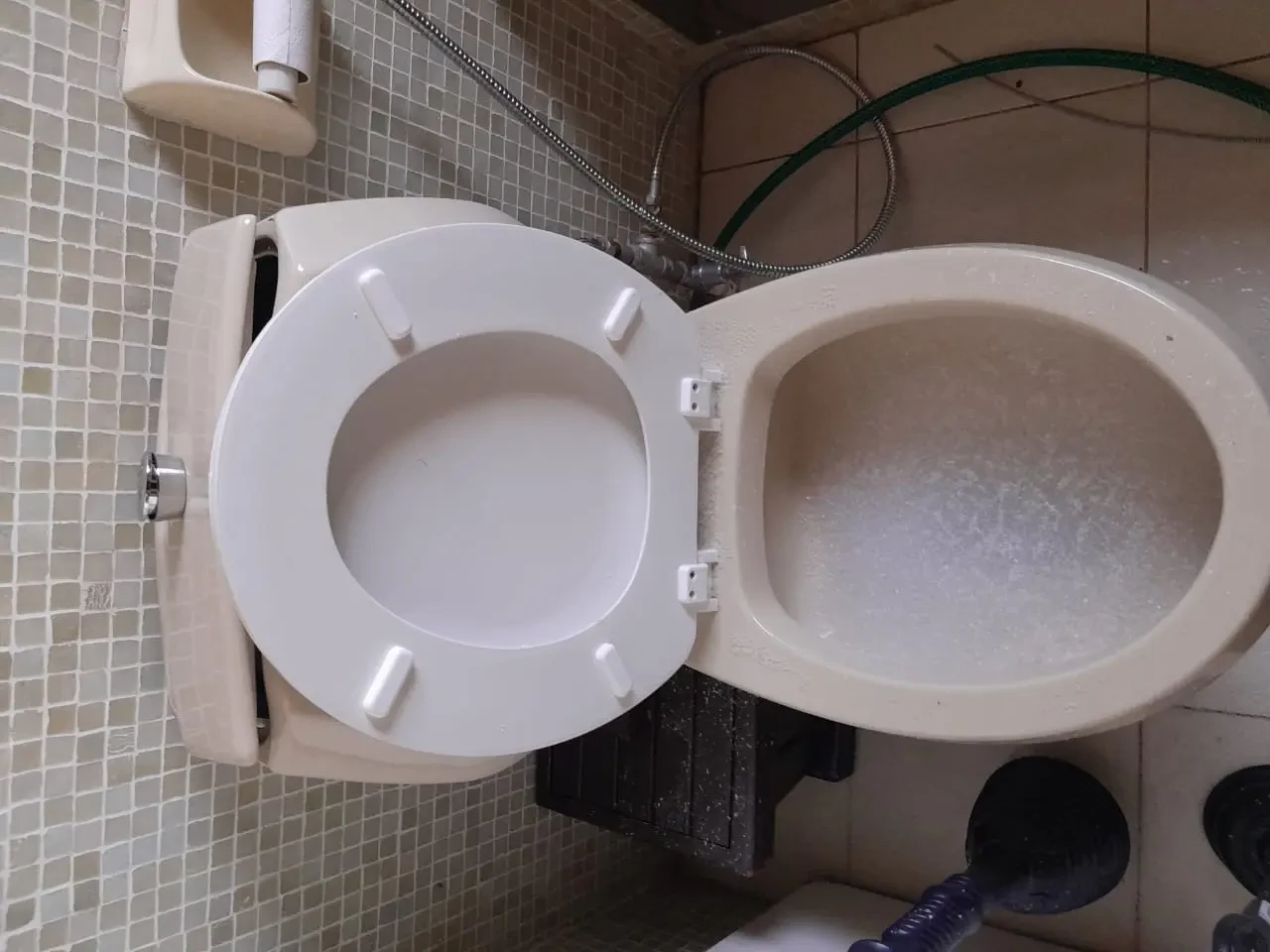
Recurring blockage needs investigation beyond a temporary improvement. Ask whether the pan, branch drain or shared line is causing the restriction.
Read guide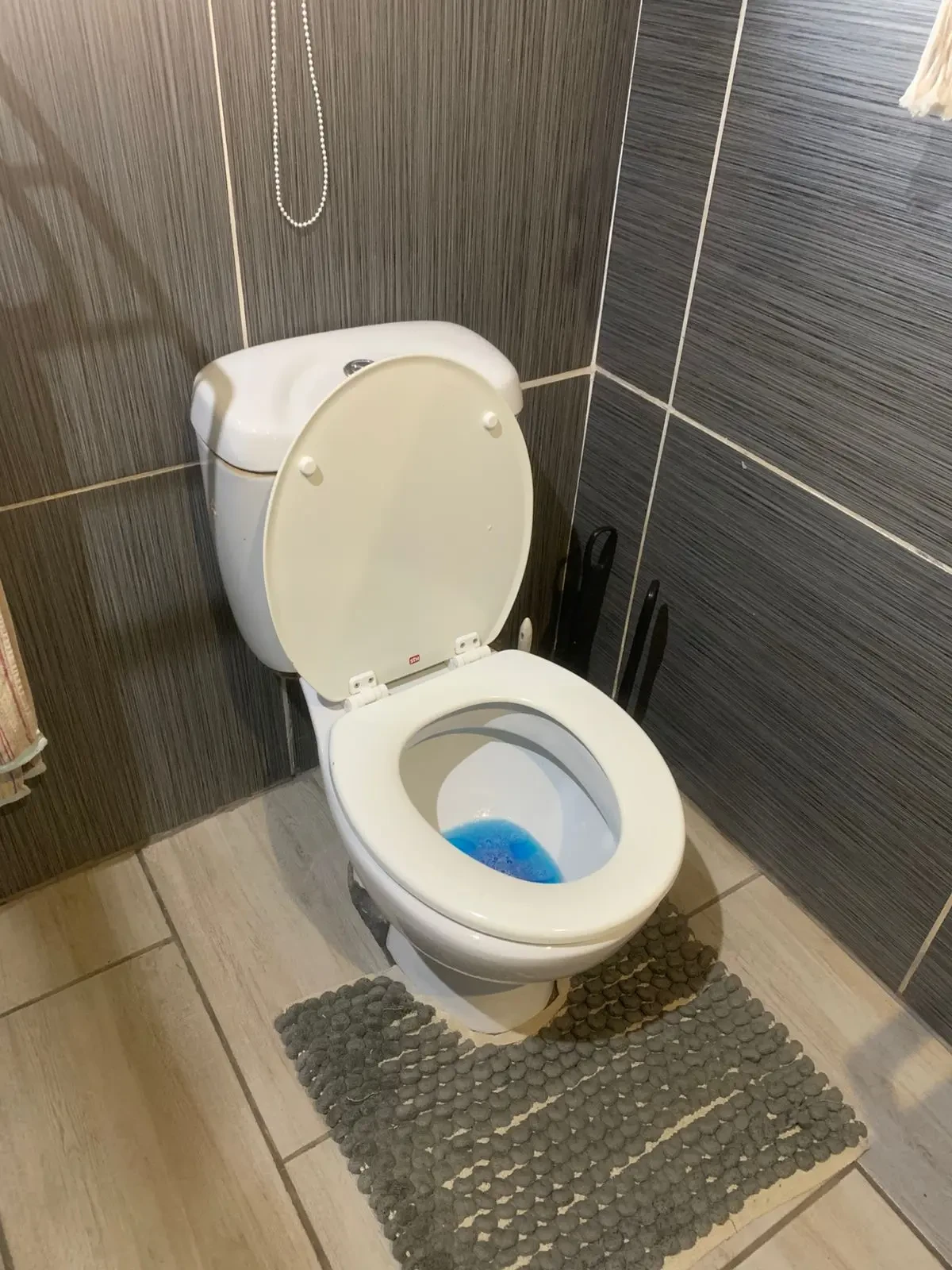
Arrange help for sewage backup, repeated blockage or water escaping at the pan connection. Tell the plumber about any products already added to the toilet.
Read guide
Ask which toilet components or connections are included in the quotation and which guarantee applies to the agreed repair.
Read guide