✓ No call-out fee✓ Free quotes✓ 24/7/365 service✓ Same-day service
What can I find on this page?
Plumbing services for urgent faults and planned work. Quality workmanship, free call-outs, guaranteed repairs and dependable 24/7 plumbing support.
Questions before you book
How do I book a plumbing assessment?
Use the contact details on this page and explain what you’ve noticed. Include the property address, urgency and any gate or access instructions.
Can I ask who will attend before I book?
Yes. Contact the team with the type of work you need and ask what can be confirmed about the visit and the trade required.
How do I find the page for my suburb or plumbing service?
Use the service-area directory for your suburb or browse the service list for the problem you need help with. Contact the team if you’re unsure which page applies.
What should I ask before approving a plumbing repair?
Ask what caused the fault, what the proposed repair covers, which parts are included and how the team will check the work.
Can I book for a property I manage for someone else?
Yes. Provide the property address, who will let the plumber in and who can approve the quotation or a change in scope.
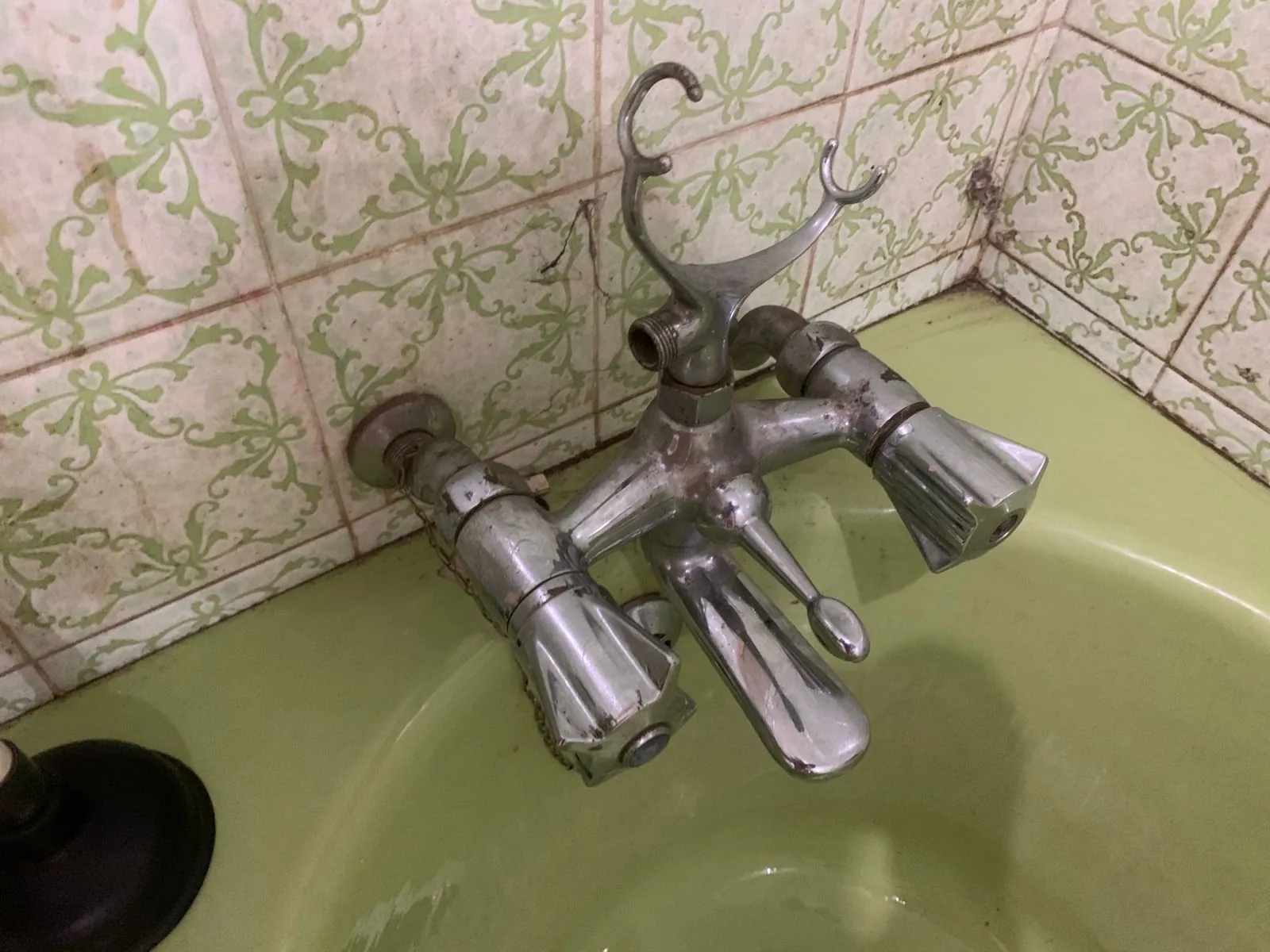
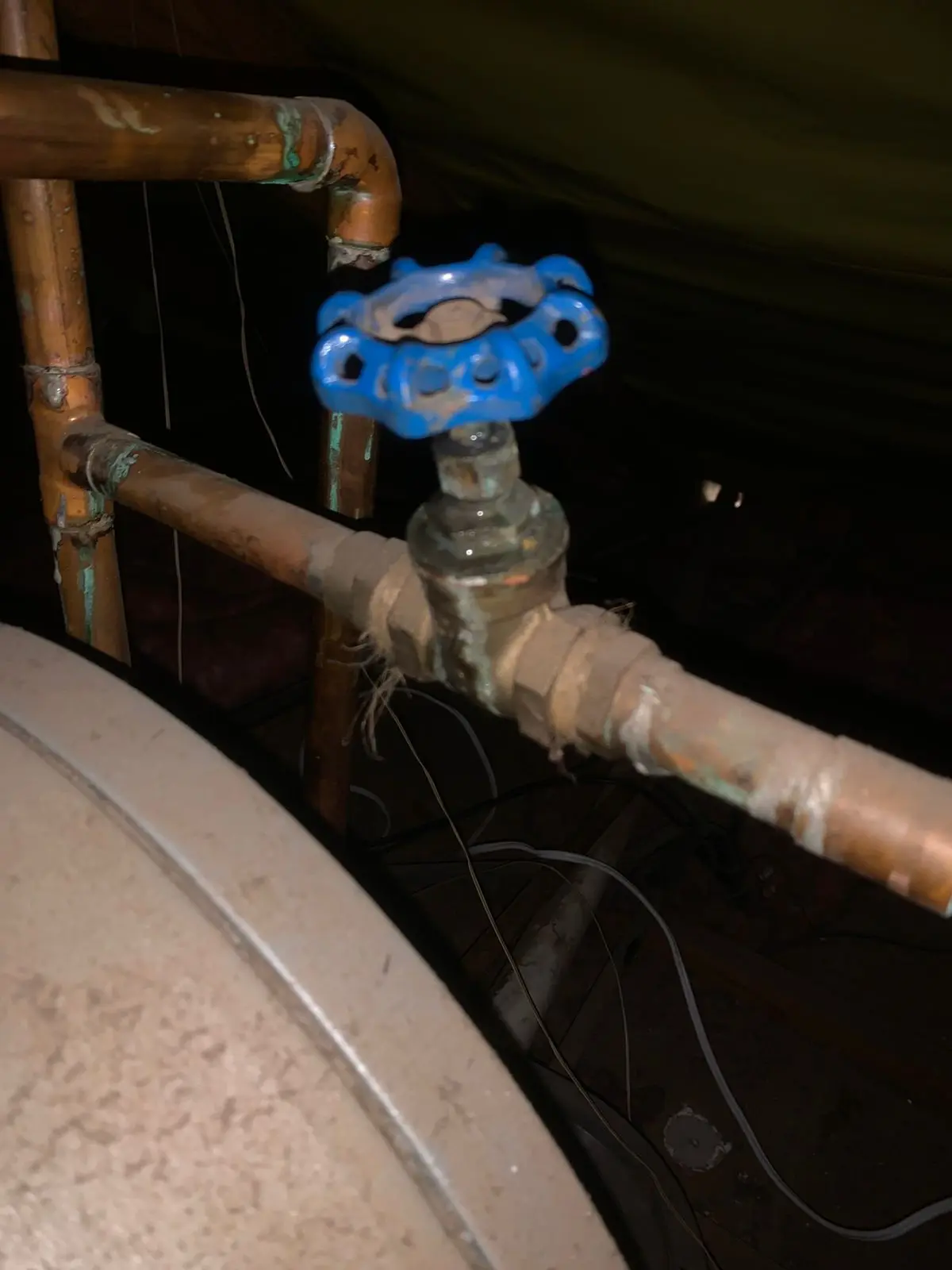
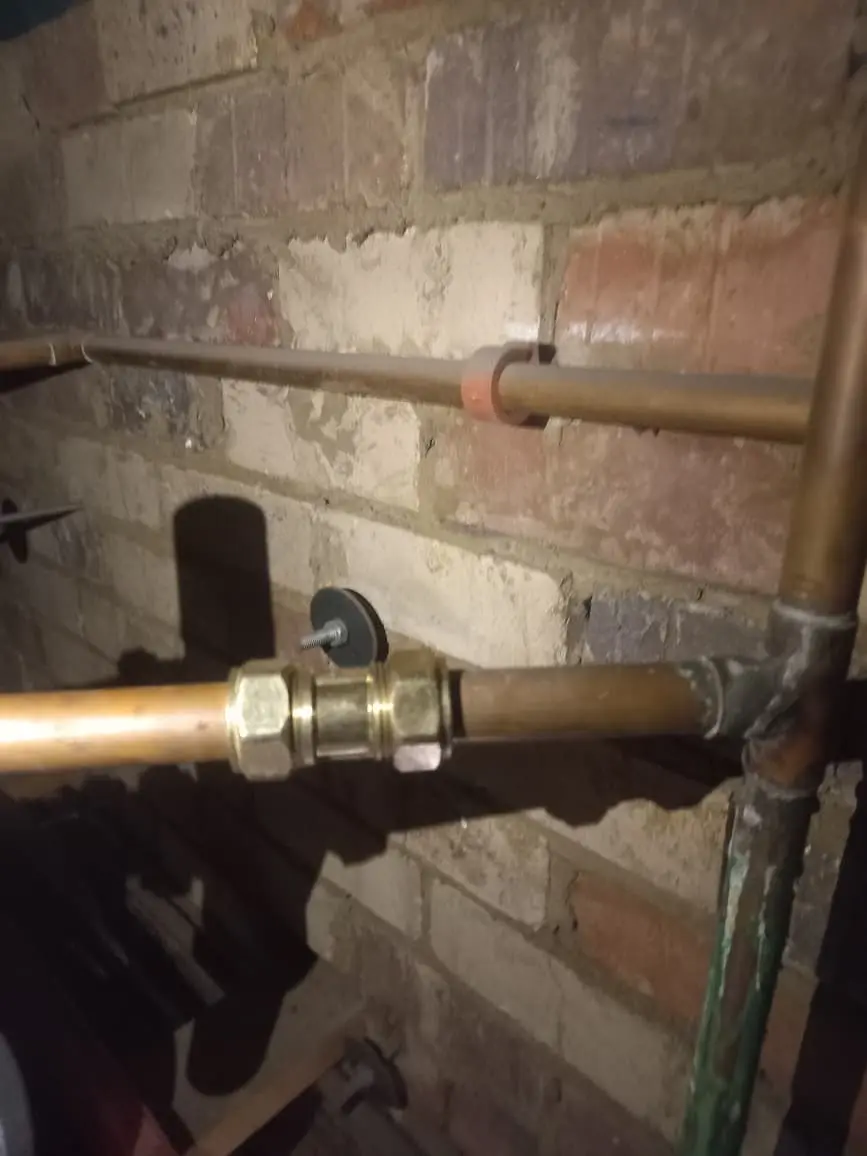
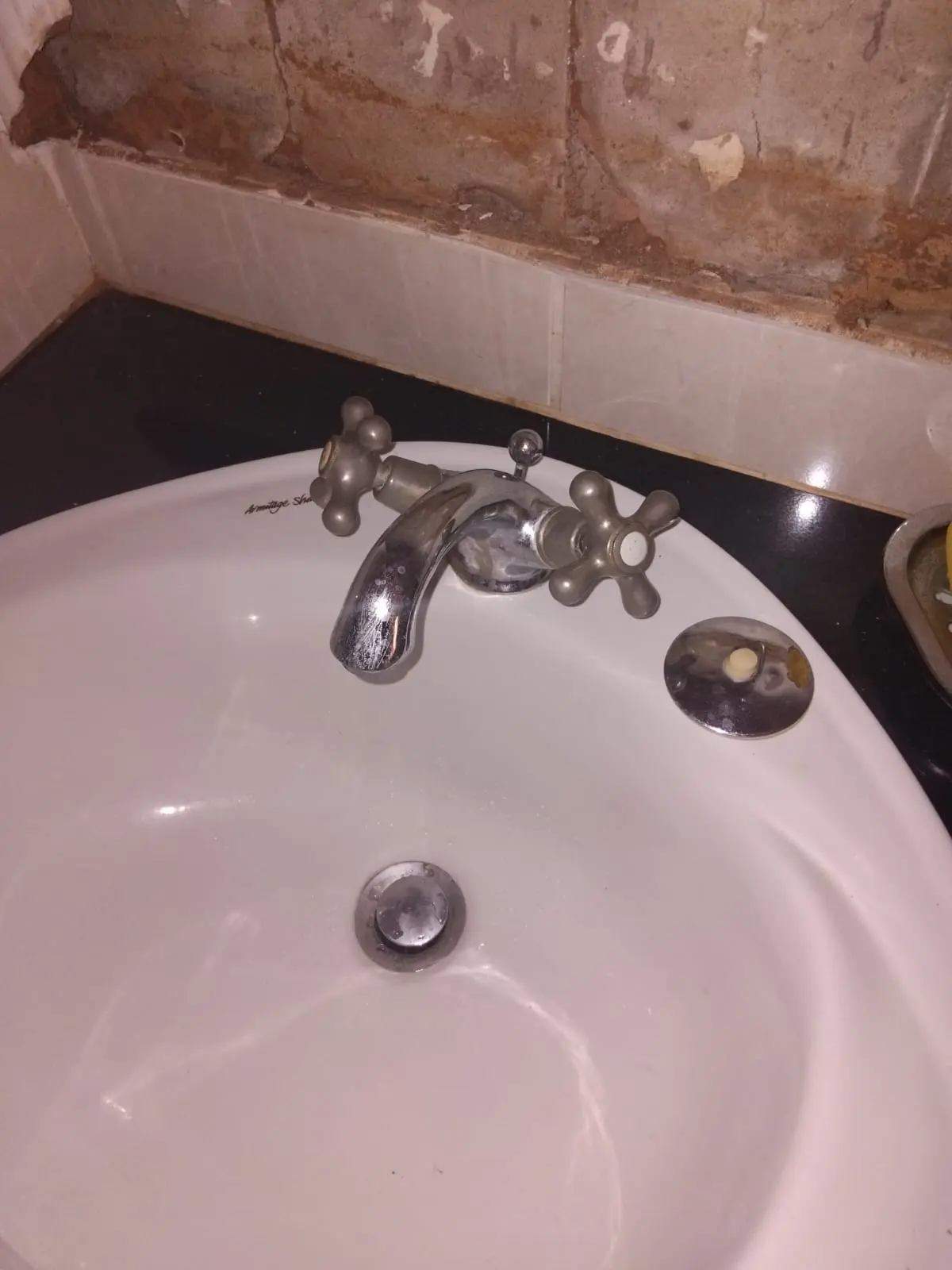
These photographs show common plumbing components and access points. Use the examples to describe your problem and open the relevant service page. The conditions and work required at your property can then be assessed.
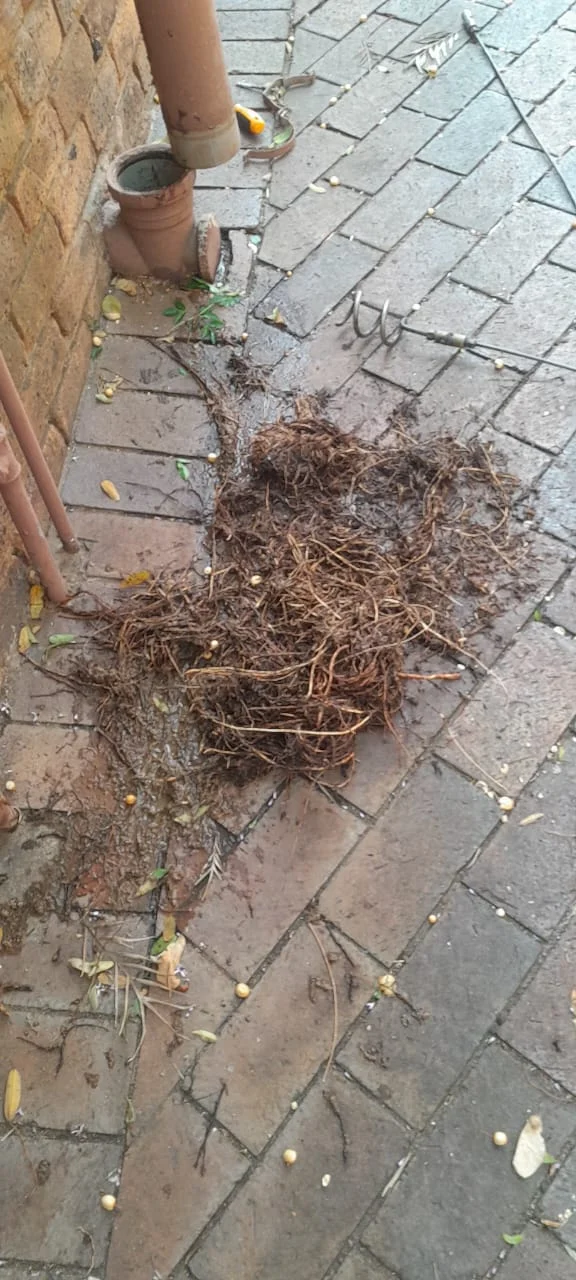
Tree roots and drain access
Root material beside an exterior drain connection and paved access area
Root material around a drain connection is a useful detail to include when reporting recurring blockages. Inspection helps establish the route and condition of the affected pipe and whether roots are involved inside it.
The proposed work should explain the access required, the clearing method and whether any damaged pipe sections also need attention. The photograph provides context for a drain-access enquiry.
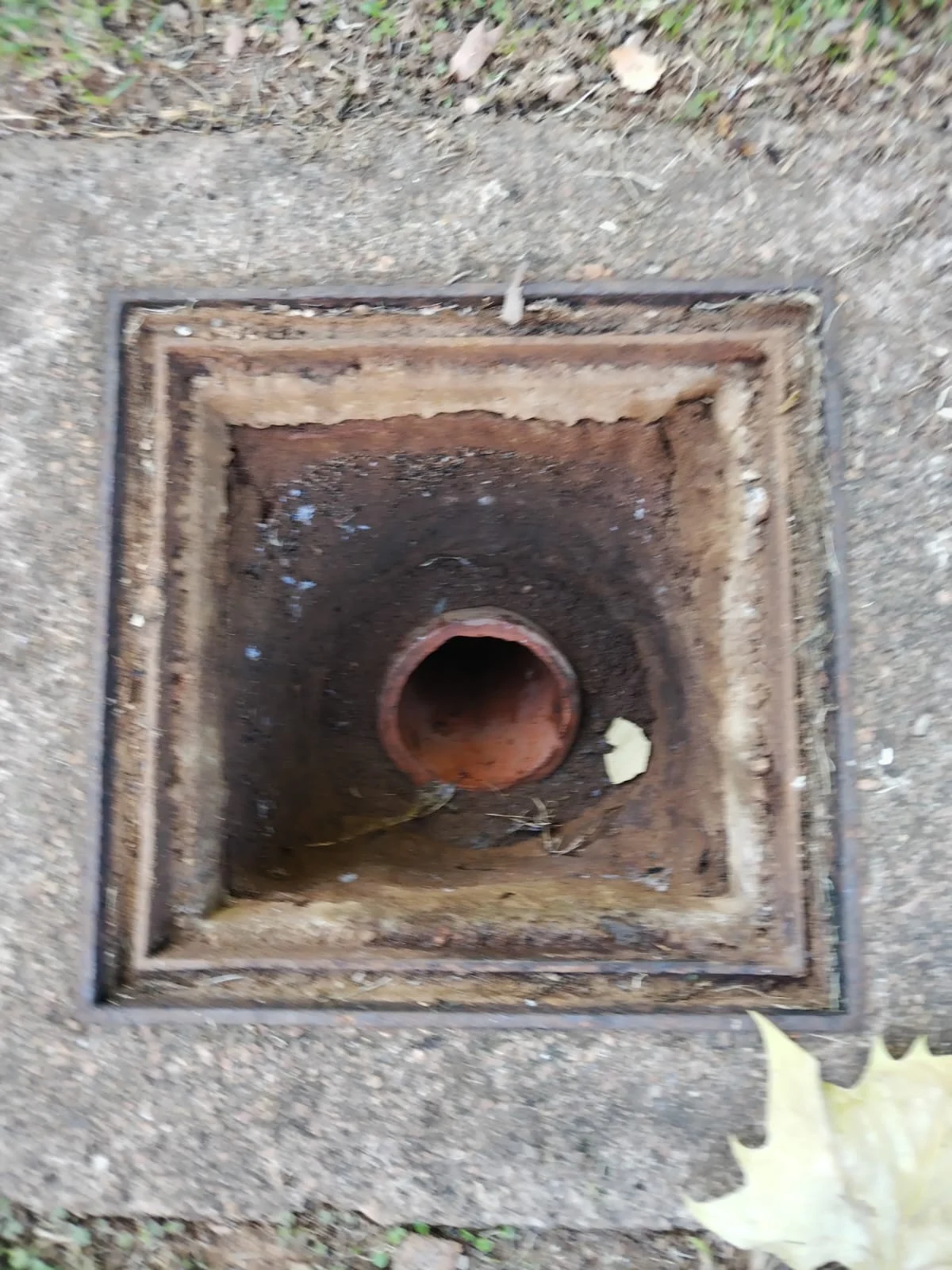
Open drainage inspection chamber with a visible pipe opening
An accessible inspection chamber gives a plumber a place to investigate a restriction and observe drainage. Which fixtures are affected, whether water backs up, and how often the problem returns all help narrow the enquiry.
The condition and route of the pipe influence the work required. A clear photograph of the access point helps the team plan an assessment and explain the proposed clearing or further investigation.
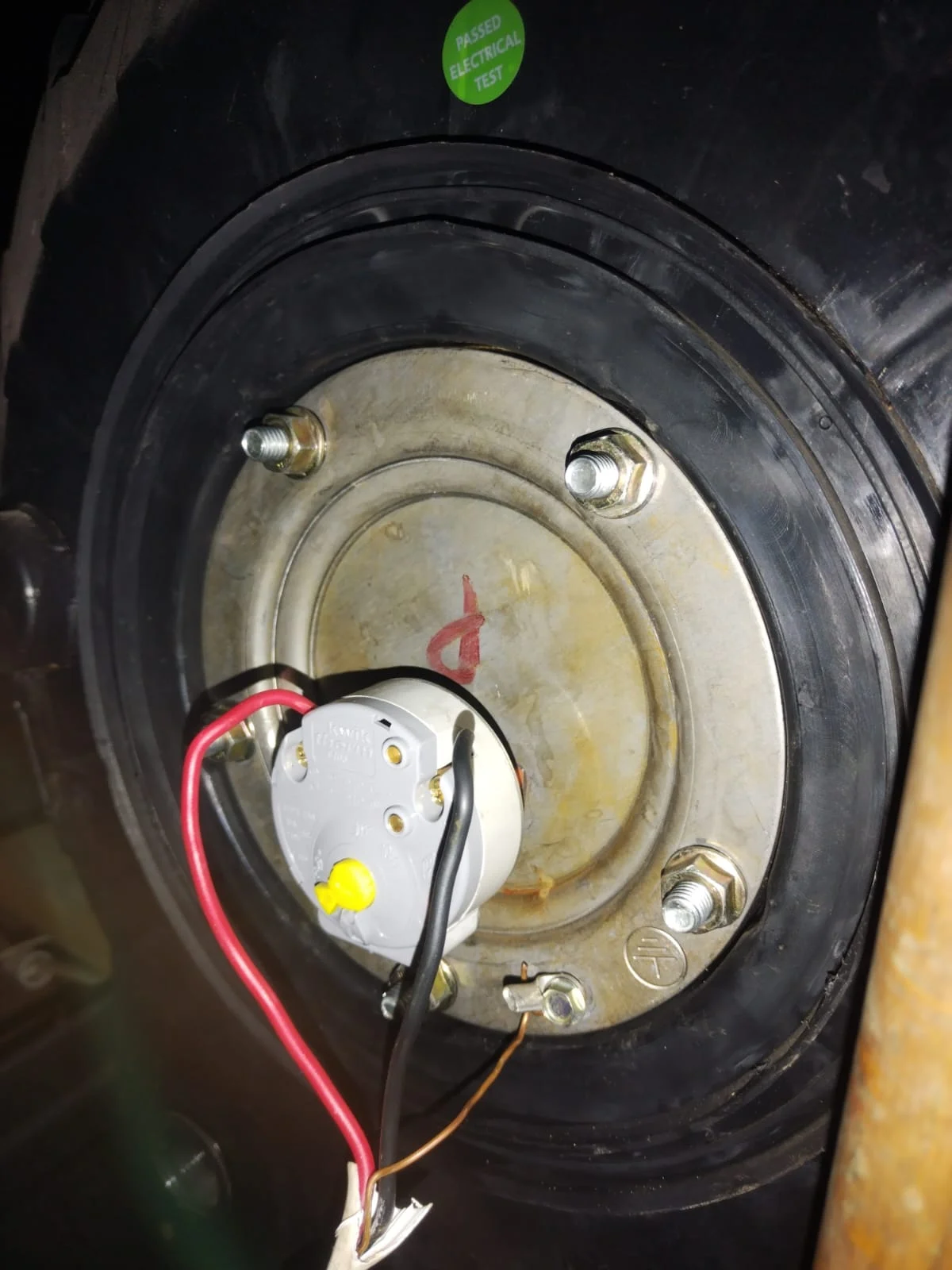
Geyser heating flange with electrical service connections exposed
A geyser brings together a storage cylinder, heating components, water connections and control equipment. The exposed service area in this photograph shows why the symptom and the condition of related components need to be assessed together.
A repair recommendation should identify the fault being addressed, the parts involved and how operation will be checked afterwards. Useful enquiry details include the visible leak location, heating behaviour and any accessible model information.
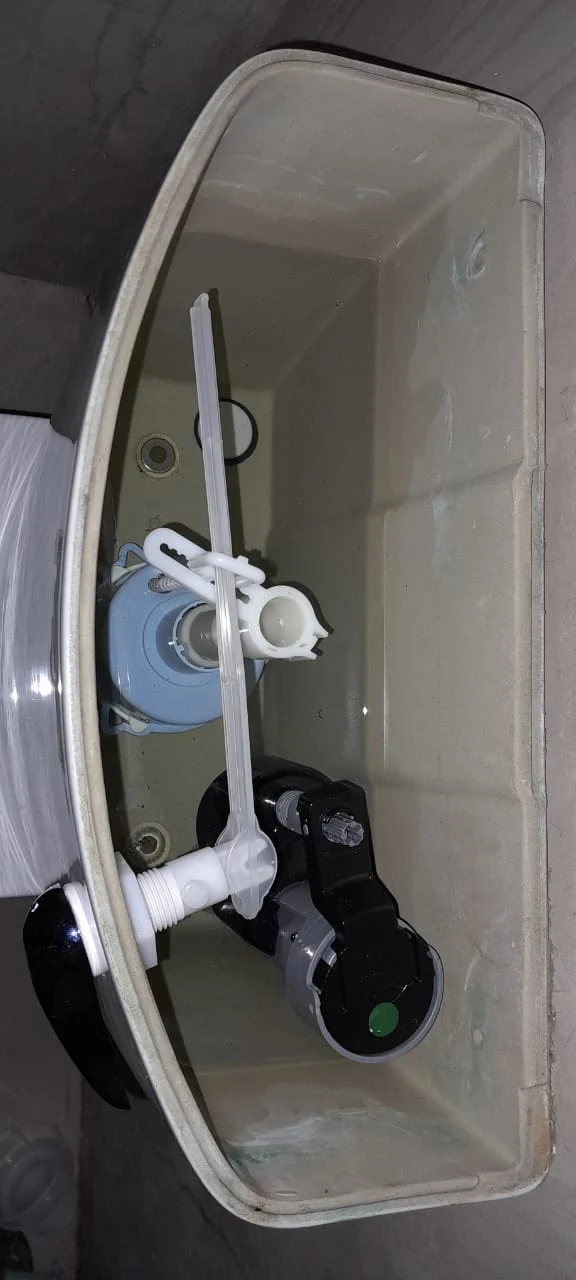
Toilet cistern showing the inlet valve and central flush mechanism
The inlet valve, flush mechanism and seals perform different jobs inside a cistern. Water running into the bowl, slow refilling and an unreliable flush can have different causes, even when the toilet looks similar from outside.
An assessment checks the mechanism and accessible connections before recommending parts or replacement. A photo of the cistern layout, together with a description of the symptom, helps explain which fixture needs attention.
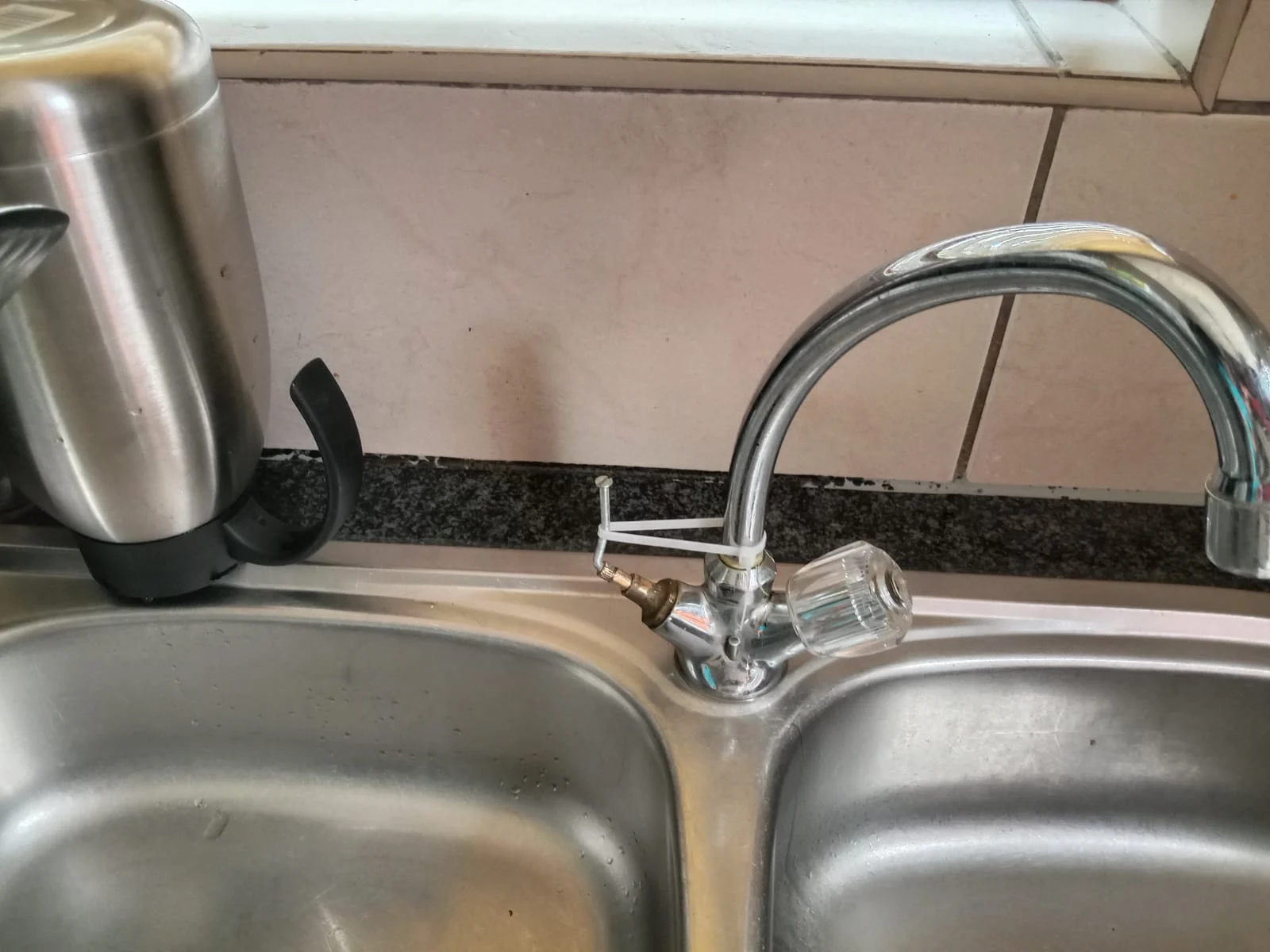
Double-bowl stainless steel kitchen sink with a curved mixer tap
A kitchen sink combines the mixer or taps, water connections, waste outlets and a trap beneath the cabinet. A leak or slow drain should be assessed alongside the condition of accessible joints and the surrounding cabinet.
Planned sink or mixer changes also need practical access to valves and waste connections. This helps define a sensible installation work and leaves the plumbing accessible for future maintenance.
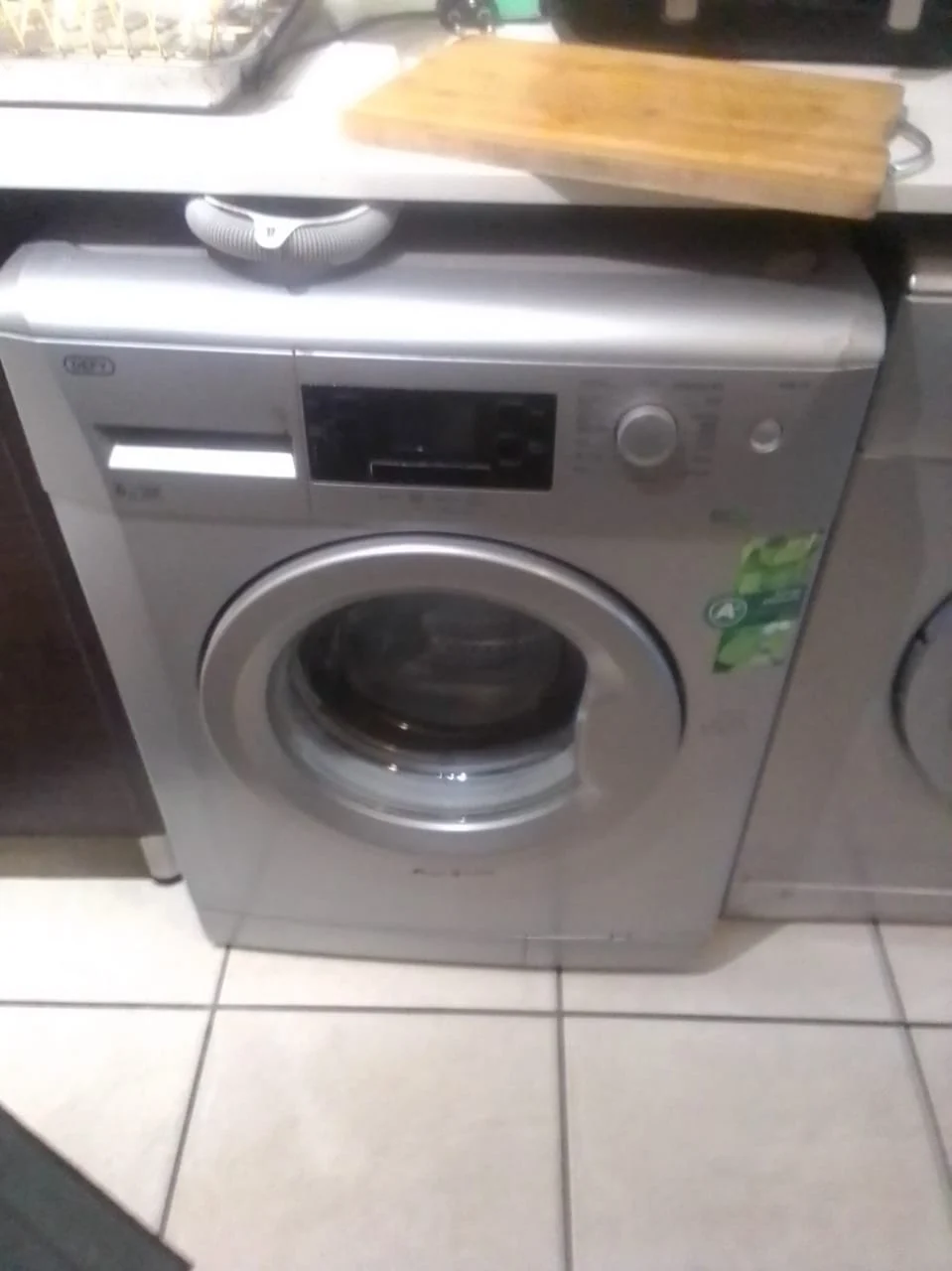
Front-loading washing machine positioned beneath a kitchen worktop
A washing machine needs a suitable water connection and a practical waste route within the available installation space. Hose condition, accessible isolation and the existing drainage arrangement form part of the connection assessment.
After installation or repair, the water and waste connections should be checked during operation. Include the appliance position and existing connection points when asking for installation help so the proposed work can be explained clearly.
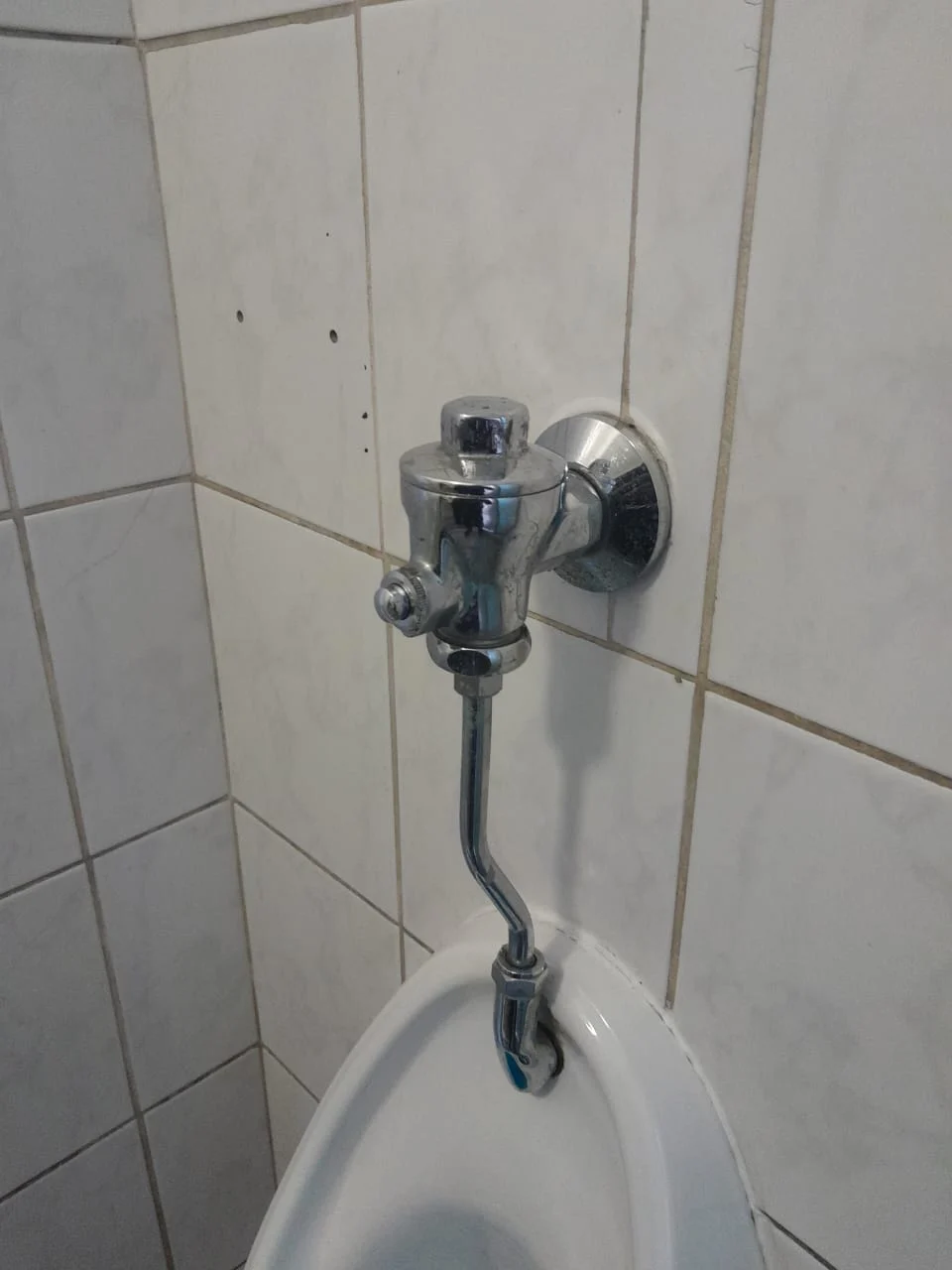
Chrome flush valve and pipework above a wall-mounted urinal
The flush valve and connected pipework shown here are typical components to identify when reporting a washroom fixture problem. Continuous flow, unreliable flushing and leaks at a connection each provide useful information for an assessment.
Access to water controls and the effect of taking fixtures out of use also matter in shared washrooms. A planned repair work should explain the affected fittings and how the work will be checked before the fixture returns to use.
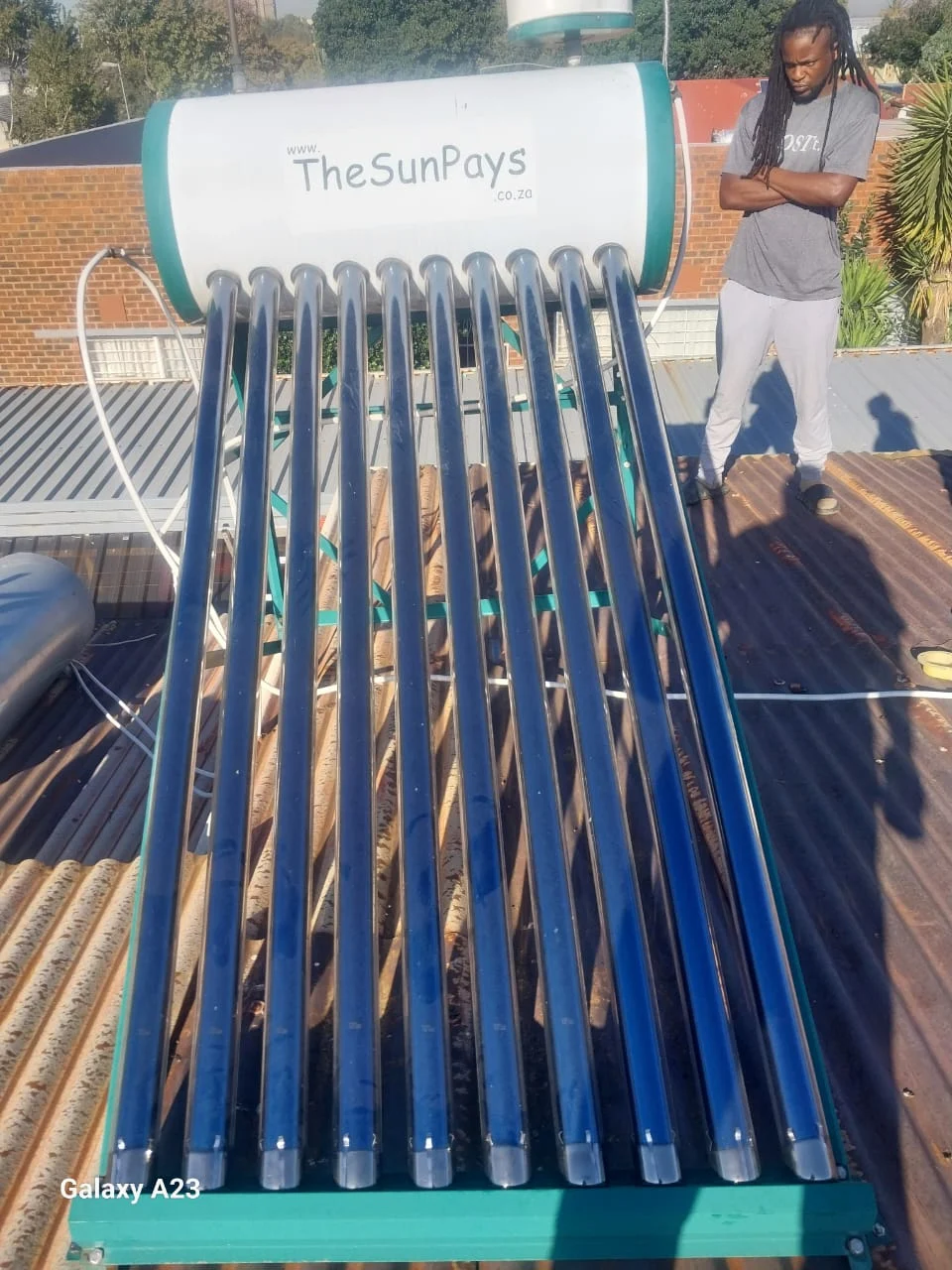
Evacuated-tube solar water-heating assembly with a storage cylinder
A solar water-heating system includes a collector, storage, connecting pipework and associated controls. This photograph shows an evacuated-tube collector and cylinder arrangement, which helps identify the kind of system involved in an enquiry.
Repair and conversion enquiries should describe the existing installation and the fault or improvement required. Compatibility, condition and the proposed connection work need assessment before recommending changes to the system.
Start with the symptom: leaking water, a blocked outlet, weak flow or unreliable hot water. Note whether one fitting or several parts of the property are affected.
What should I be careful of?
Leave wet electrical fittings, hot components and stiff valves alone. Don’t keep using outlets that are backing up or dismantle plumbing to identify the part.
Can I do anything useful now?
Limit further water use where there is a leak or backup. Keep the affected area accessible and take a safe photo if it helps show the problem.
What details should I send you?
Send your address, the symptom, when it began and any earlier repair. For installation work, include the fitting or appliance details and what you want to change.
What happens next?
We explain the proposed work and quotation before starting. The call-out and quote are free, and repair work and parts are priced separately.
Helpful plumbing guides
Learn more about Plumbing services for urgent faults and planned work
When it comes to plumbing repairs in your home, peace of mind matters just as much as the repair itself. One of the most common questions homeowners ask…
When it comes to maintaining your home's plumbing system, one of the most critical decisions you can make is to hire professional plumbers for repairs and…