Check the installation space
We confirm that the appliance fits the available opening and can be levelled correctly.

From first call to final test, our approach to dishwasher installation is built on trust: safe isolation, honest findings, and completion you can see working. No repair without your approval — speak to our team on 067 657 6109 or WhatsApp your suburb and symptoms.
We check the appliance requirements, water valve, hose route and waste connection before fitting. After installation, we check filling and discharge and inspect the joints for leaks before the machine goes back into position.
It may be possible if the supply valve, hose route and waste connection suit the appliance. Share the model and photos of the existing connections before booking.
Tell us before the visit. We can inspect the nearby supply and quote for a suitable local valve if a new connection is needed.
It depends on the appliance and the manufacturer’s instructions. A washing machine or dishwasher needs a suitable waste route, while some water-fed appliances only need a supply connection.
A supply connection can leak whenever it remains under pressure. Note whether the leak starts while filling, draining or while the appliance stands idle.
Give us the model, where you want it fitted and any photos of the planned supply and waste points. Mention tight cupboard space or a long hose route.
Only if the installation manual for your exact model allows it. Bosch specifies a maximum of 60 °C for models that accept warm water, while some models are limited to a cold-water supply. Have the installer check the model’s requirements before using the hot-water point.
Check the new dishwasher’s installation instructions. Bosch requires a new inlet hose when replacing a dishwasher, even if the old hose looks intact.
Check whether the plug will remain accessible once the dishwasher is fitted. Bosch calls for an accessible socket after installation. If the existing socket will be hidden behind the machine, ask an electrician to assess the location and the model’s requirements before fitting.
Knowing what to expect makes it easier to arrange the service with confidence. Here is how we assess, complete and verify the work from first contact through to completion.
We confirm that the appliance fits the available opening and can be levelled correctly.
The cold-water supply, isolation valve and waste connection are checked for suitability.
Any new valve, trap connection or pipe alteration is explained before work starts.
The dishwasher is moved into place without trapping or sharply bending the hoses.
The inlet and waste hoses are connected securely to suitable plumbing points.
The appliance is levelled and secured where the manufacturer requires it. More information is available on Installation policy and customer responsibilities.
We check filling, draining and all accessible connections for leaks during operation.
You receive practical guidance on the shut-off valve, filters and safe first use.
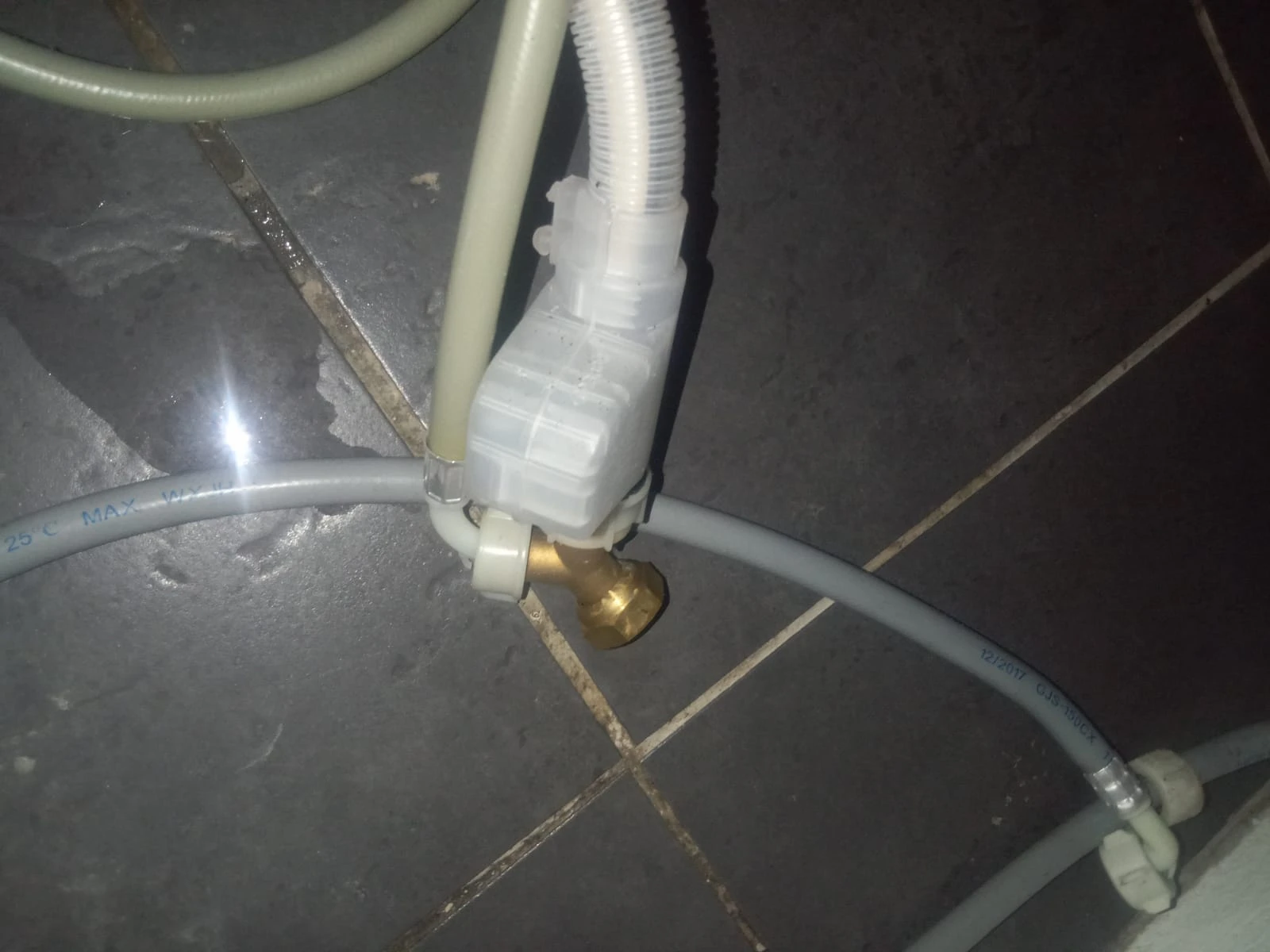
We check the available water point before connecting the appliance. The valve needs to be accessible and the hose connection suitable for the machine. If a new point or replacement valve is required, we explain that work before fitting the dishwasher.
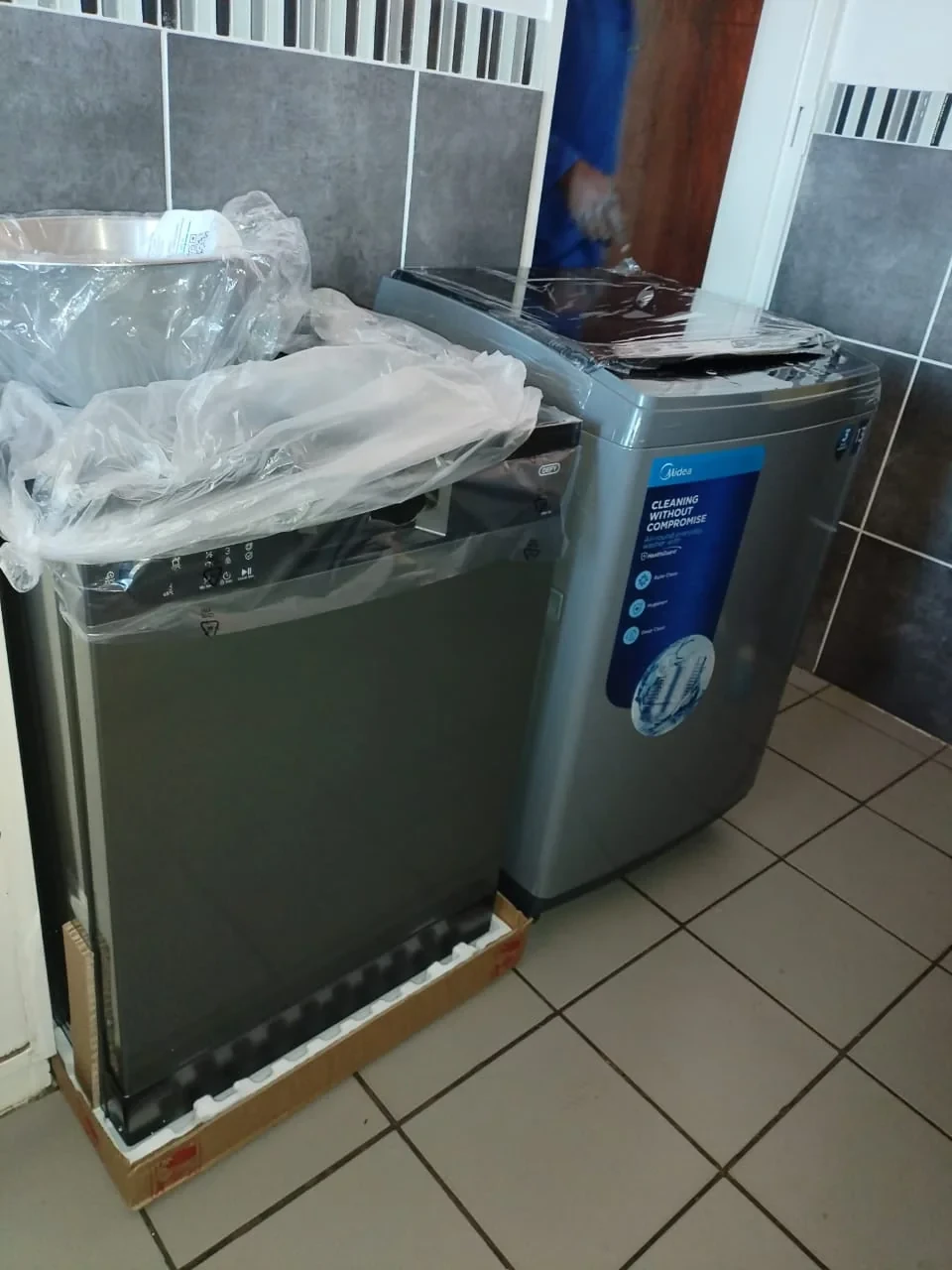
We can coordinate the appliance connection with the wider kitchen work. Tell us whether cupboards, the worktop or plumbing points are still being fitted. Agreeing the sequence helps our plumbers, builders and electricians prepare the space without leaving the connection work unresolved.
Professional dishwasher installation starts with a clear understanding of a freestanding or integrated dishwasher. We focus on what the service covers and why a correct first assessment matters, because a rushed assumption can leave the real cause unresolved and allow leaks, slow drainage, odours or an appliance that cannot fill correctly to continue.
How Dishwasher Installation Works in Practice is important because leaks, slow drainage, odours or an appliance that cannot fill correctly can develop quickly when incorrect waste connections, loose hoses, poor levelling or an unsuitable water point. We check the relevant components and explain what the findings mean before recommending the next step.
In practice, why professional dishwasher installation matters involves checking the appliance position, water inlet, waste route, trap connection and electrical access. This prevents unnecessary replacement and helps ensure the proposed work addresses the actual source of the fault.
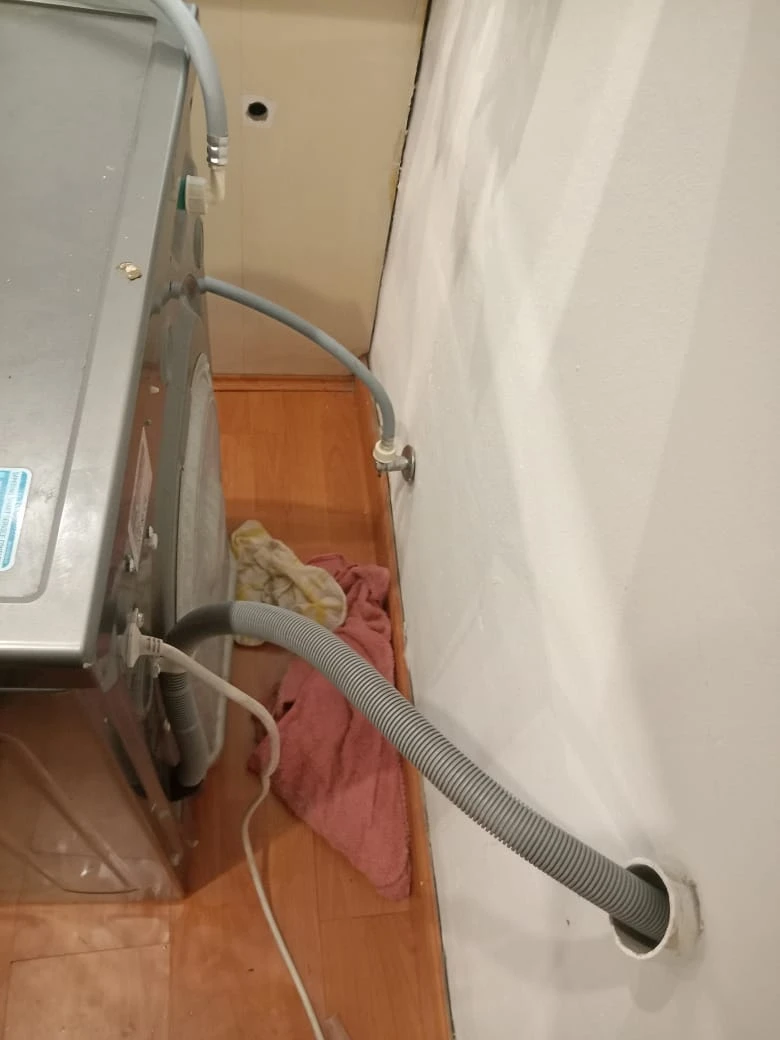
We route the water and waste hoses with space for the appliance to slide into position. A hose trapped or pulled tight behind the unit can cause problems after installation. The available route and the appliance instructions guide the connection arrangement.
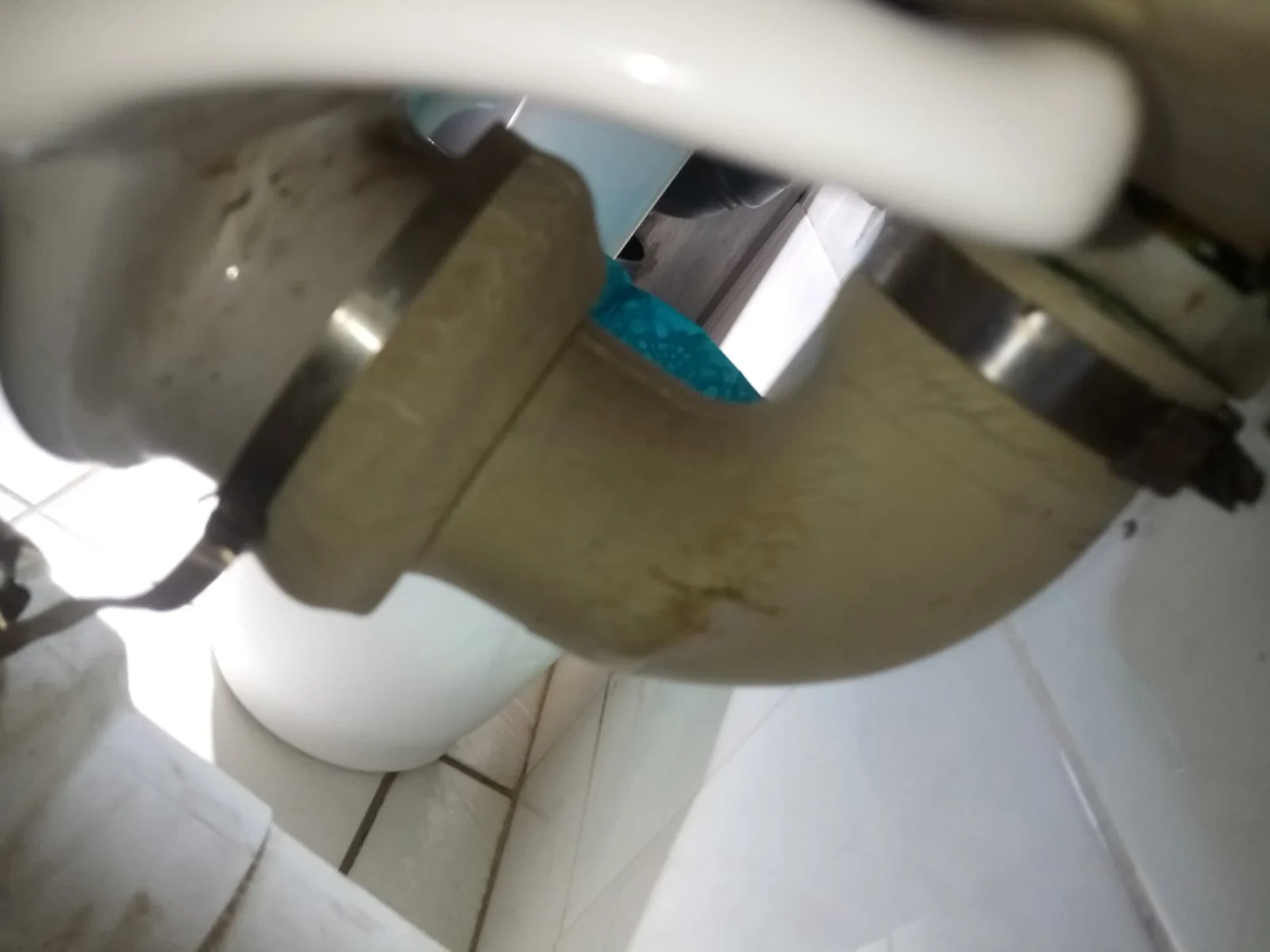
We check the existing sink waste arrangement before connecting an appliance discharge. A leaking or unsuitable trap connection should be corrected as part of the quoted work. We also check that the combined discharge can drain without backing up into the cupboard.
The most reliable approach to dishwasher installation is to confirm the condition of the complete connection or system, not only the most visible symptom. This section explains the symptoms that indicate attention is needed before the fault becomes more disruptive and how the work is planned for kitchens, sculleries and utility areas.
Initial Assessment of the Dishwasher is important because leaks, slow drainage, odours or an appliance that cannot fill correctly can develop quickly when incorrect waste connections, loose hoses, poor levelling or an unsuitable water point. We check the relevant components and explain what the findings mean before recommending the next step.
In practice, confirming the cause before installation involves checking the appliance position, water inlet, waste route, trap connection and electrical access. This prevents unnecessary replacement and helps ensure the proposed work addresses the actual source of the fault.
Where repair is suitable, the work may involve providing a secure water connection, correctly routed waste hose and final leak testing. All accessible connections are checked and the system is tested before it is returned to normal use.
Delaying attention can lead to cabinet damage, floor damage and repeated appliance faults. Early action usually limits secondary damage, improves access to the fault and gives the customer more practical repair choices.
For kitchens, sculleries and utility areas, protecting the property during the work must account for usage, access and the condition of existing services. We select compatible materials and avoid changes that could place unnecessary strain on other parts of the installation.
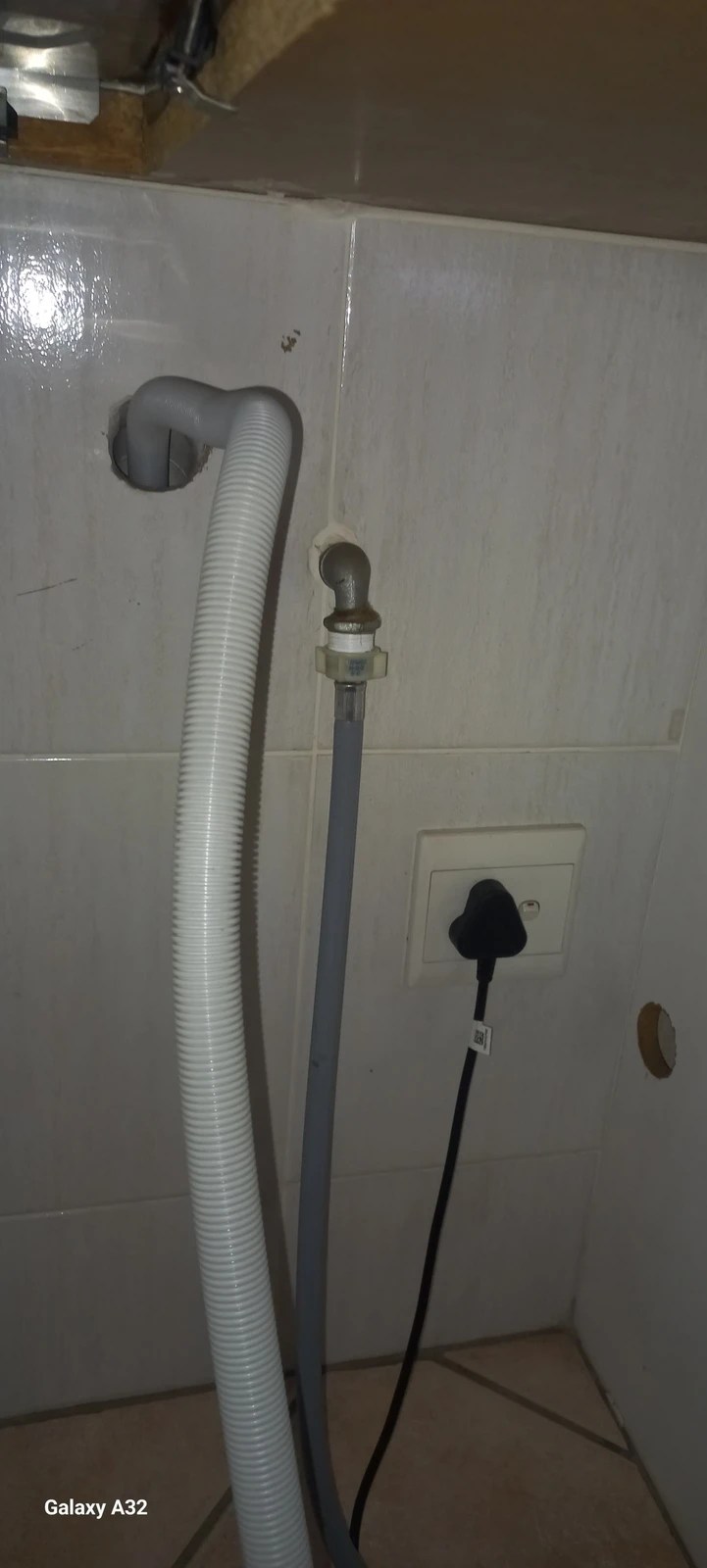
We check where the water, waste and electrical points sit in relation to the appliance. Our plumbers handle the water and drainage, and our electricians can quote for changes to the electrical point where needed. Tell us about missing or inaccessible connections before the visit.
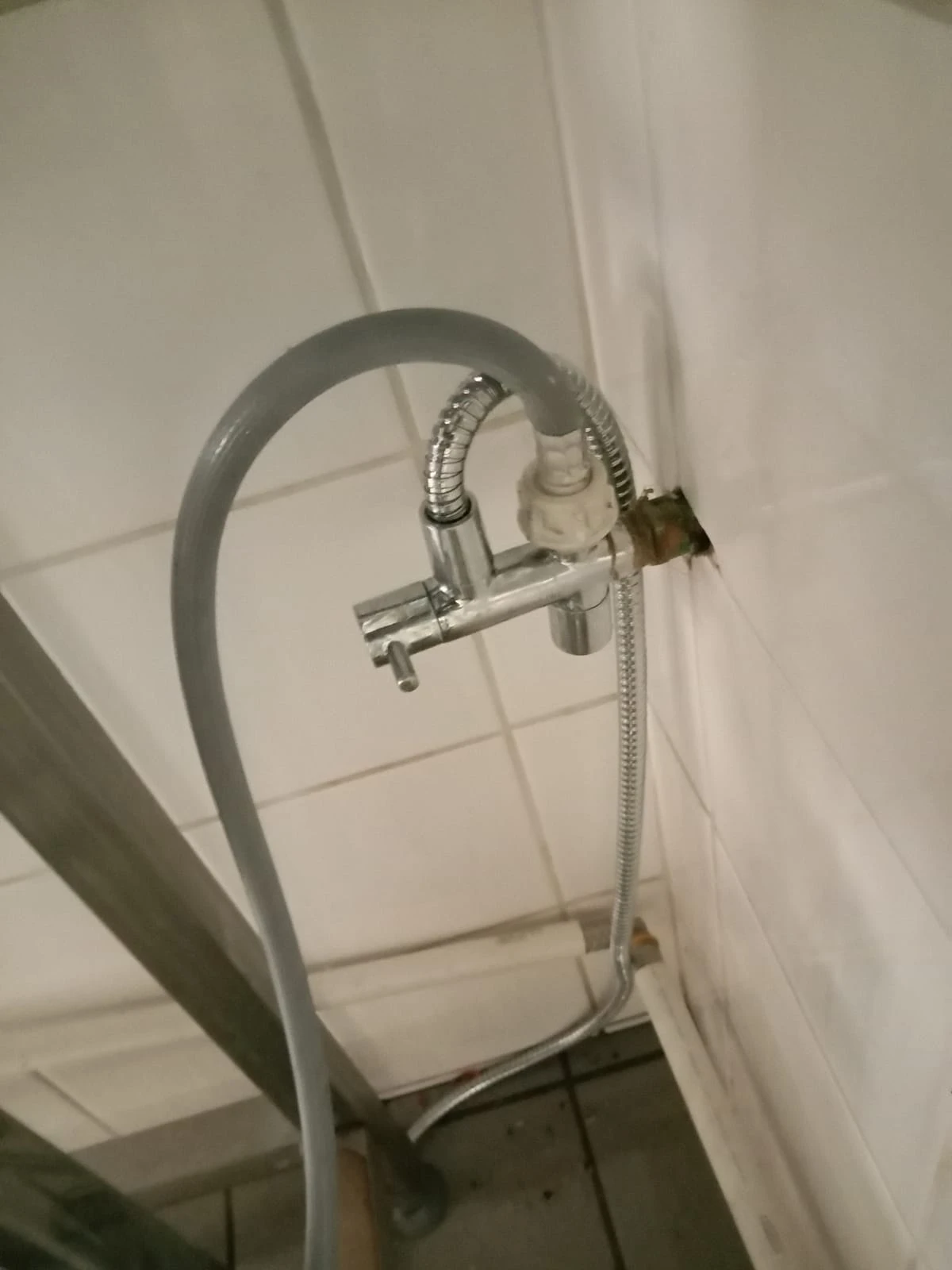
We investigate leaks at the appliance supply and its connections. Water on the floor can come from a joint, a damaged hose or the appliance itself, so the source needs checking before parts are replaced. Send a safe photograph of where the water first appears.
Customers usually request dishwasher installation after noticing leaks, slow drainage, odours or an appliance that cannot fill correctly. A structured inspection helps distinguish a local fault from a wider system issue and supports a repair that is practical, safe and suited to the property.
Early Warning Signs of a Dishwasher is important because leaks, slow drainage, odours or an appliance that cannot fill correctly can develop quickly when incorrect waste connections, loose hoses, poor levelling or an unsuitable water point. We check the relevant components and explain what the findings mean before recommending the next step.
In practice, visible symptoms that need attention involves checking the appliance position, water inlet, waste route, trap connection and electrical access. This prevents unnecessary replacement and helps ensure the proposed work addresses the actual source of the fault.
Where repair is suitable, the work may involve providing a secure water connection, correctly routed waste hose and final leak testing. All accessible connections are checked and the system is tested before it is returned to normal use.
Delaying attention can lead to cabinet damage, floor damage and repeated appliance faults. Early action usually limits secondary damage, improves access to the fault and gives the customer more practical repair choices.
For kitchens, sculleries and utility areas, preventing secondary water damage must account for usage, access and the condition of existing services. We select compatible materials and avoid changes that could place unnecessary strain on other parts of the installation.
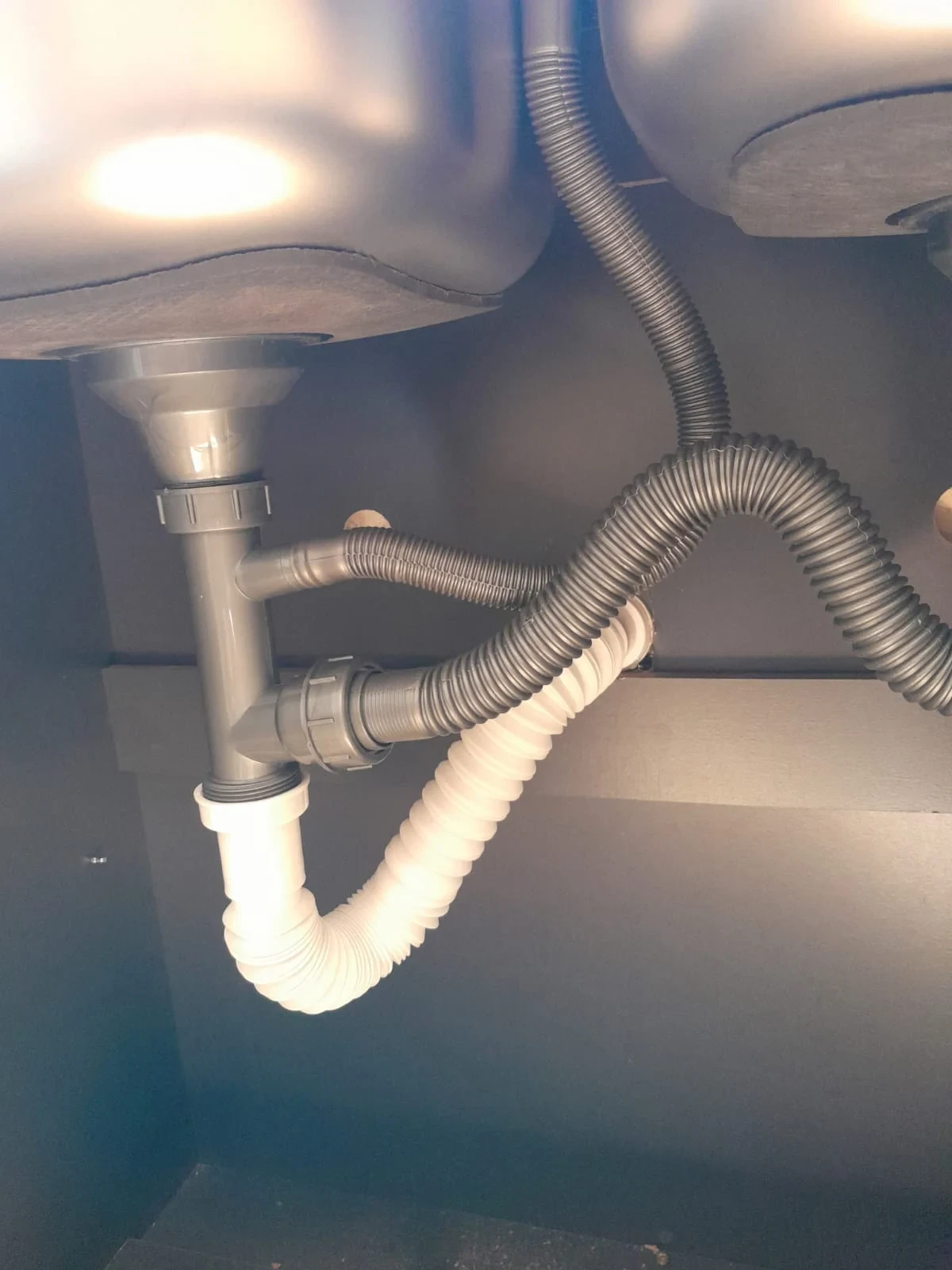
We connect the appliance alongside the existing sink drainage where the arrangement is suitable. Cupboard space, waste fittings and the hose route all matter. We check for leakage and discharge problems as part of the installation before the unit is left in position.
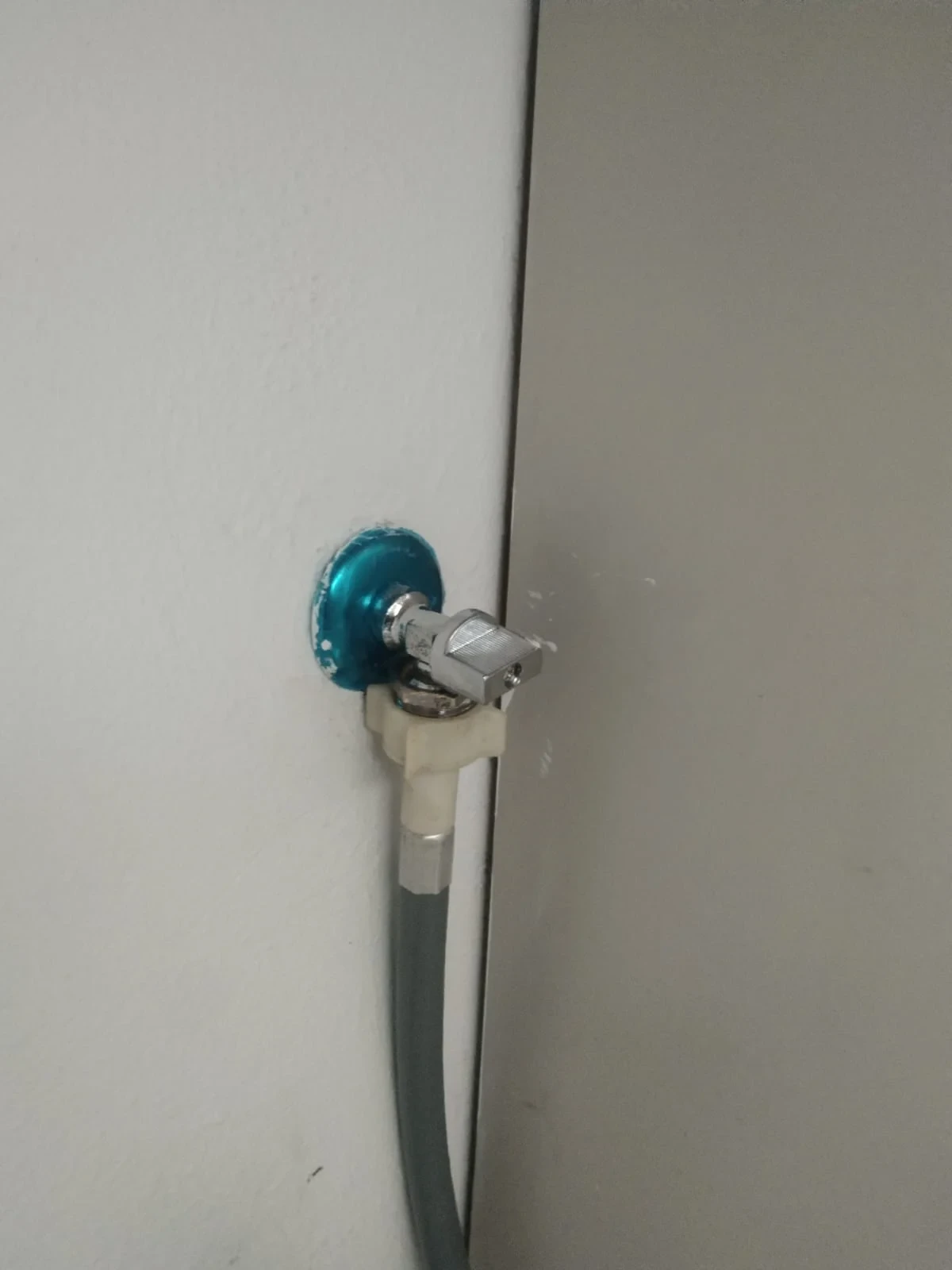
We arrange the appliance water connection so the supply can be isolated for servicing. If the valve leaks or cannot close, we include the required repair or replacement in the discussion. You should know where that isolation point is after the installation.
The correct solution for a freestanding or integrated dishwasher varies according to age, condition, layout and use. We explain the findings, define the work required and obtain approval before proceeding with the agreed repair or installation.
Repair Options for the Dishwasher is important because leaks, slow drainage, odours or an appliance that cannot fill correctly can develop quickly when incorrect waste connections, loose hoses, poor levelling or an unsuitable water point. We check the relevant components and explain what the findings mean before recommending the next step.
In practice, when component replacement is more reliable involves checking the appliance position, water inlet, waste route, trap connection and electrical access. This prevents unnecessary replacement and helps ensure the proposed work addresses the actual source of the fault.
Where repair is suitable, the work may involve providing a secure water connection, correctly routed waste hose and final leak testing. All accessible connections are checked and the system is tested before it is returned to normal use.
Delaying attention can lead to cabinet damage, floor damage and repeated appliance faults. Early action usually limits secondary damage, improves access to the fault and gives the customer more practical repair choices.
For kitchens, sculleries and utility areas, confirming the work before work begins must account for usage, access and the condition of existing services. We select compatible materials and avoid changes that could place unnecessary strain on other parts of the installation.
Our approach to dishwasher installation combines careful diagnosis with clear communication. The aim is to restore dependable operation while protecting surrounding finishes, limiting water loss and reducing the likelihood of repeat faults.
Our Step-by-Step Dishwasher Installation Process is important because leaks, slow drainage, odours or an appliance that cannot fill correctly can develop quickly when incorrect waste connections, loose hoses, poor levelling or an unsuitable water point. We check the relevant components and explain what the findings mean before recommending the next step.
In practice, isolating water and securing the work area involves checking the appliance position, water inlet, waste route, trap connection and electrical access. This prevents unnecessary replacement and helps ensure the proposed work addresses the actual source of the fault.
Where repair is suitable, the work may involve providing a secure water connection, correctly routed waste hose and final leak testing. All accessible connections are checked and the system is tested before it is returned to normal use.
Delaying attention can lead to cabinet damage, floor damage and repeated appliance faults. Early action usually limits secondary damage, improves access to the fault and gives the customer more practical repair choices.
For kitchens, sculleries and utility areas, cleaning the area and explaining the result must account for usage, access and the condition of existing services. We select compatible materials and avoid changes that could place unnecessary strain on other parts of the installation.
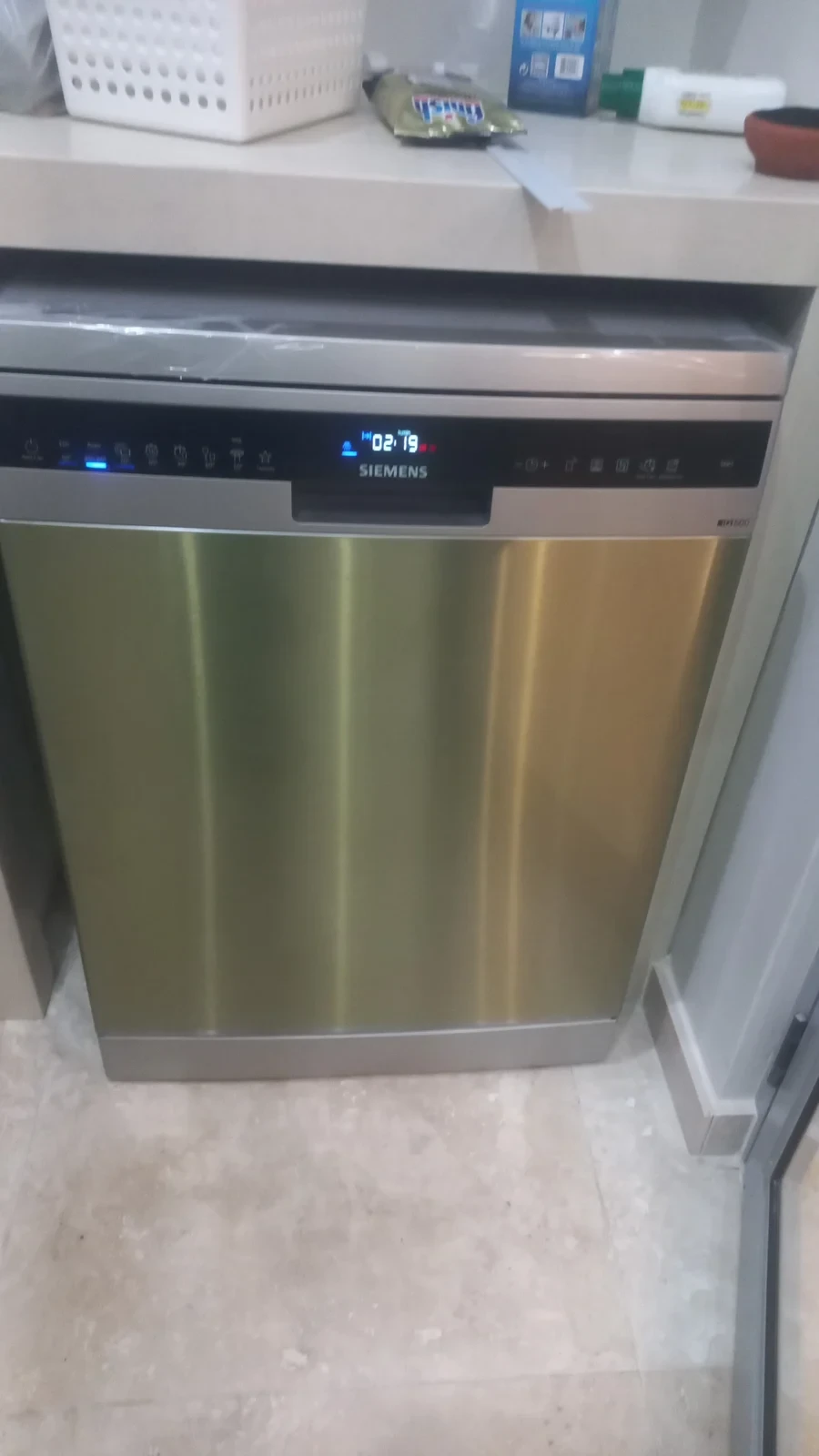
We fit dishwashers and connect the water supply and waste at the prepared points. Before booking, send the appliance dimensions and a photograph of the space and nearby sink cupboard. Our team can quote for new connections or alterations if the existing points are unsuitable.
Reliable plumbing work should solve the immediate problem and improve confidence in the system. For kitchens, sculleries and utility areas, we consider both the present fault and the conditions that may affect long-term performance.
Protecting the Dishwasher From Repeat Problems is important because leaks, slow drainage, odours or an appliance that cannot fill correctly can develop quickly when incorrect waste connections, loose hoses, poor levelling or an unsuitable water point. We check the relevant components and explain what the findings mean before recommending the next step.
In practice, routine checks that reduce future faults involves checking the appliance position, water inlet, waste route, trap connection and electrical access. This prevents unnecessary replacement and helps ensure the proposed work addresses the actual source of the fault.
Where repair is suitable, the work may involve providing a secure water connection, correctly routed waste hose and final leak testing. All accessible connections are checked and the system is tested before it is returned to normal use.
Delaying attention can lead to cabinet damage, floor damage and repeated appliance faults. Early action usually limits secondary damage, improves access to the fault and gives the customer more practical repair choices.
For kitchens, sculleries and utility areas, keeping valves and connections accessible must account for usage, access and the condition of existing services. We select compatible materials and avoid changes that could place unnecessary strain on other parts of the installation.
Contact our plumbers for a dishwasher installation assessment. We check the available water supply, waste connection and appliance position, then provide a clear quotation for the required plumbing work.
Check the appliance model, its position and whether there is an accessible water valve and waste connection nearby. Let us know if this replaces an existing dishwasher.
Don’t force a hose onto an unsuitable fitting, use a visibly damaged flexi hose or push the machine back while a connection is still leaking.
Clear the space beside the appliance and under the sink. Keep the installation instructions handy; leave any new water, waste or electrical work for the relevant tradesperson.
Send the model, photos of the existing connections and the distance to the sink. Mention whether the machine has arrived and whether the old one needs disconnecting.
We check the connections, quote for any alterations and install the dishwasher. We check filling and draining, then look for leaks before it goes back into position.
Practical guides to help you understand dishwasher installation, spot warning signs early, and decide when professional help is the safest choice. Written for homeowners and property managers who want clear answers before calling a plumber.
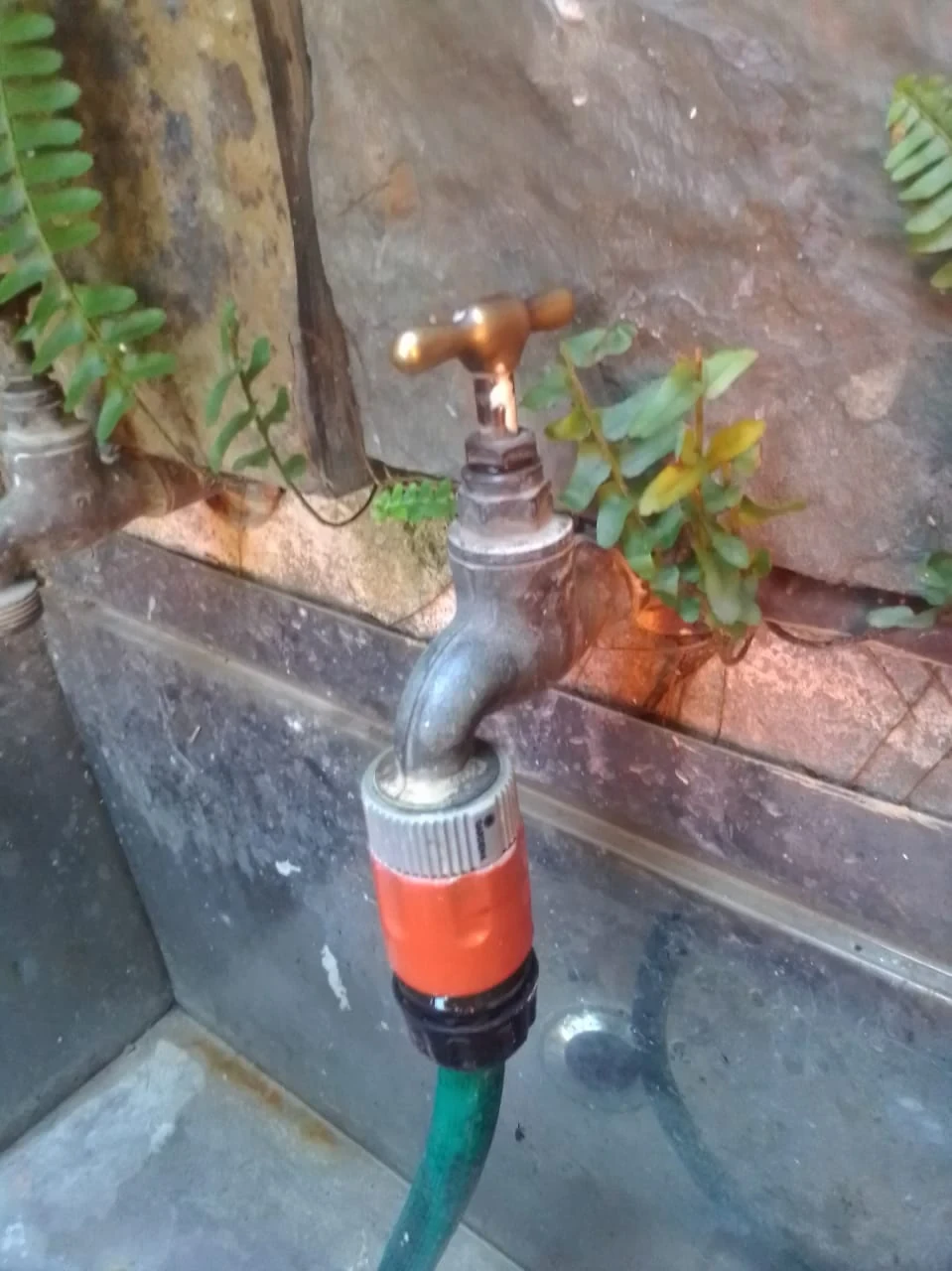
Read when a leaking tap or valve needs repair and what information helps the plumber prepare for the correct fitting.
Read guide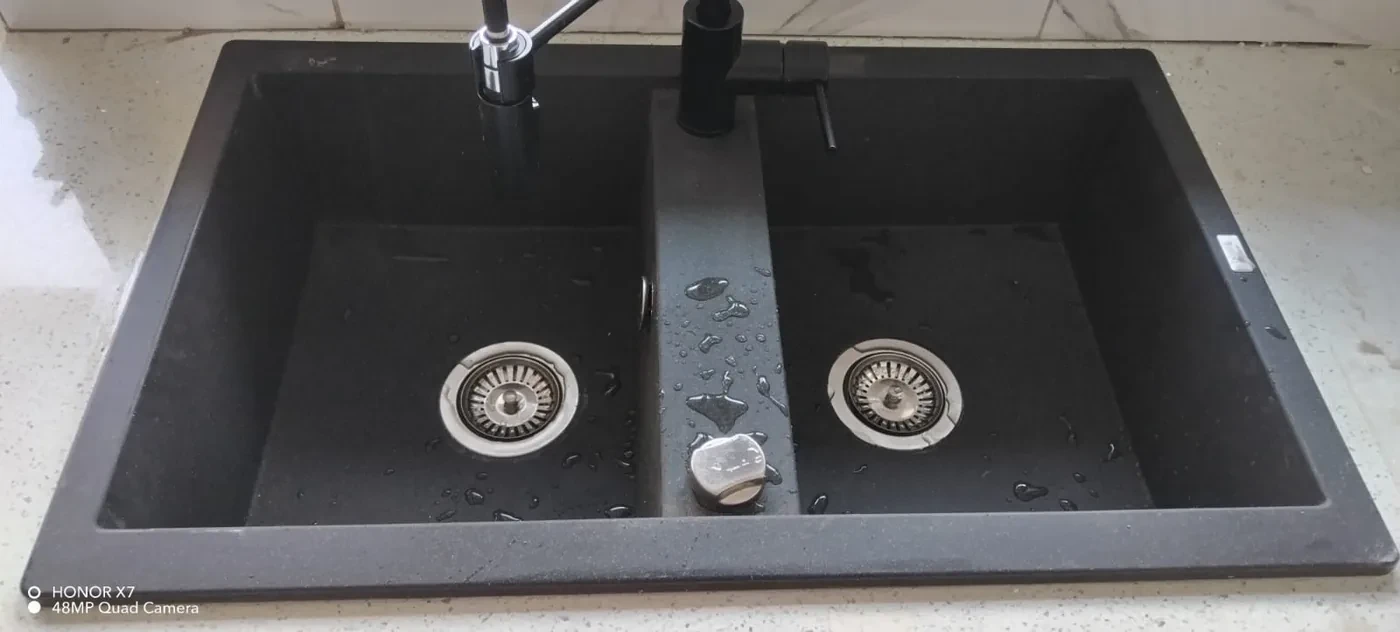
Consider the kitchen fittings and water-use needs alongside appliance changes. Ask which upgrades suit the existing plumbing rather than replacing sound parts unnecessarily.
Read guide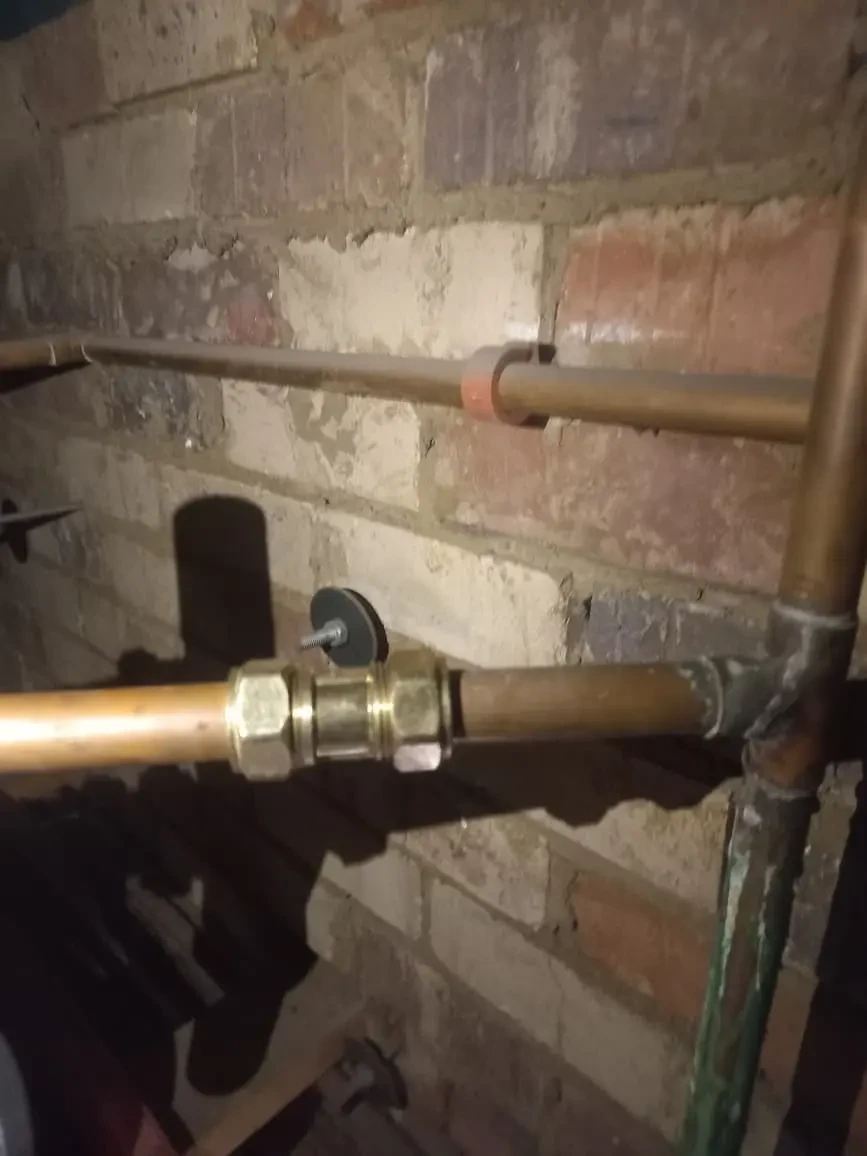
Ask whether your quote covers the appliance connection only or also new water points, waste alterations, electrical work and finishing.
Read guide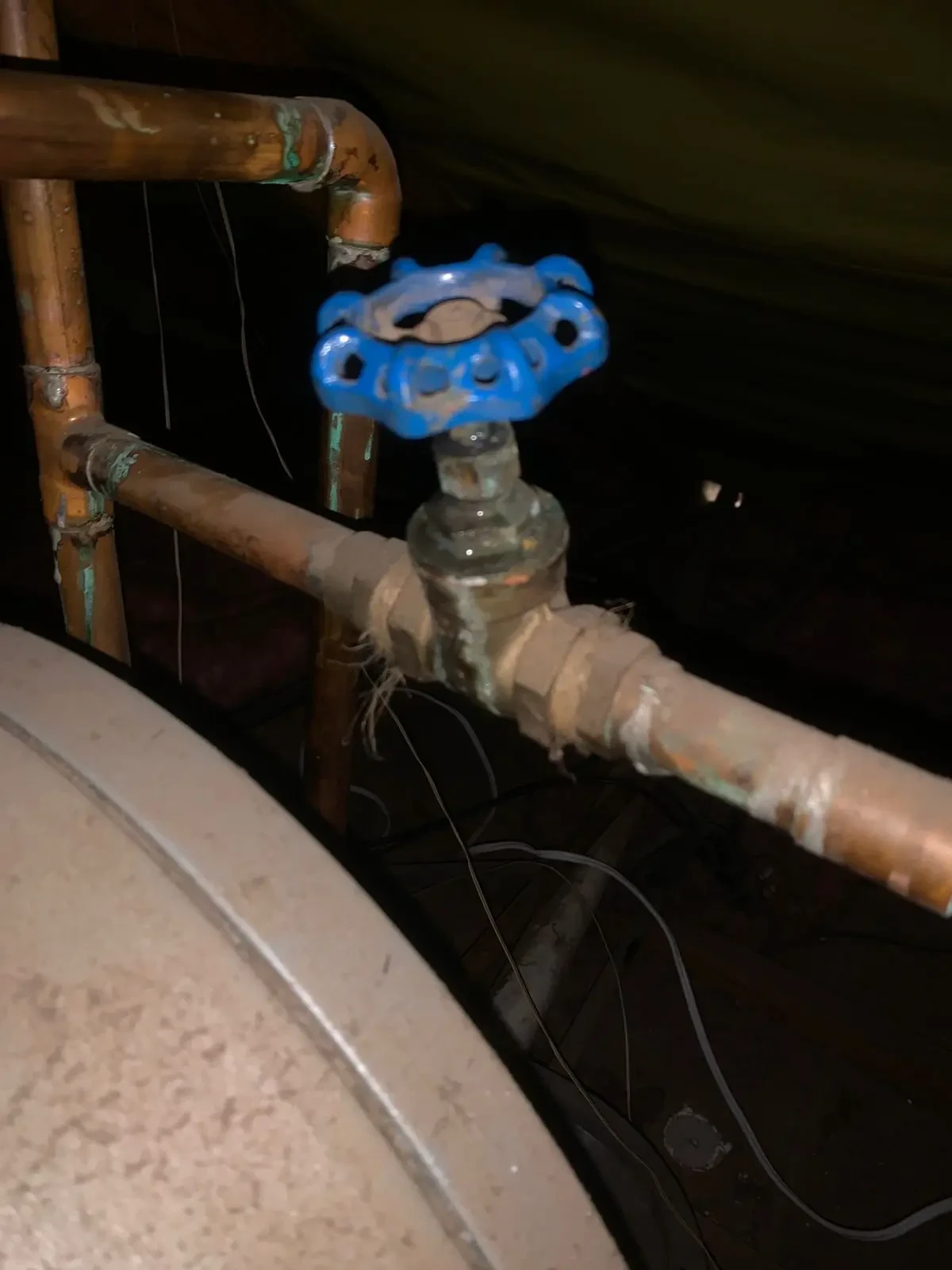
Include accessible appliance valves and visible hoses in maintenance checks. Report leaks and arrange attention for a valve that is seized or will not close.
Read guide