Confirm the tap symptoms
We establish whether the tap drips, leaks at the base, is stiff or has poor flow.

Need dependable help with leaking tap in gauteng? We combine local response with careful testing — leaks traced, drains cleared, geysers repaired, and installations completed to code. Call our emergency line or book a free assessment online.
A leak at the spout, handle or supply connection can need a different repair. We check where the fault starts, identify the suitable component and explain whether servicing or replacing the fitting is more practical.
Choose Gauteng, Cape Town or Durban for local booking information and area pages.
Yes, if the body is sound and the right replacement part is available. We check whether the drip comes from the cartridge, a connection or the spout before quoting.
That pattern can help locate the leak around a moving seal or connection. Tell the plumber whether it also drips when the tap is completely off.
Confirm whether it mounts on the wall, sink or counter, and how many mounting holes or wall outlets it needs. The new fitting needs to suit the existing connections and space.
The supply hose, local shut-off, waste fitting or trap can leak below the sink. Note whether water appears only while the tap is running or also when it is off.
A working local valve can often isolate that fitting. If the valve is missing or faulty, the main supply may need to be shut off for part of the job.
Yes. Water left in a high-arc spout can drip out for a few minutes after you close the tap. If the dripping continues after that, ask a plumber to check whether the tap is sealing properly.
Yes. Turn off all taps and make sure water-using appliances and fixtures are idle. If your property's meter still registers water use, there may be another leak worth investigating.
Yes. A responsible adult can meet the plumber if they can provide access, explain the problem and approve the agreed work. Keep the property owner reachable by phone if decisions may be needed.
Knowing what to expect makes it easier to arrange the service with confidence. Here is how we assess, complete and verify the work from first contact through to completion.
We establish whether the tap drips, leaks at the base, is stiff or has poor flow.
The tap body, cartridge, washers, seals, flexi-hoses and valves are checked.
We determine whether a serviceable internal part or the complete tap is responsible.
The practical options are discussed based on condition, parts availability and reliability. For more background, read Is a leaking geyser considered an emergency?.
Suitable washers, cartridges, seals, hoses or the tap itself are replaced as agreed.
Water is reopened carefully while the repaired tap is observed.
Hot and cold flow, shut-off and all accessible joints are checked.
We explain what caused the leak and how to recognise an early recurrence.
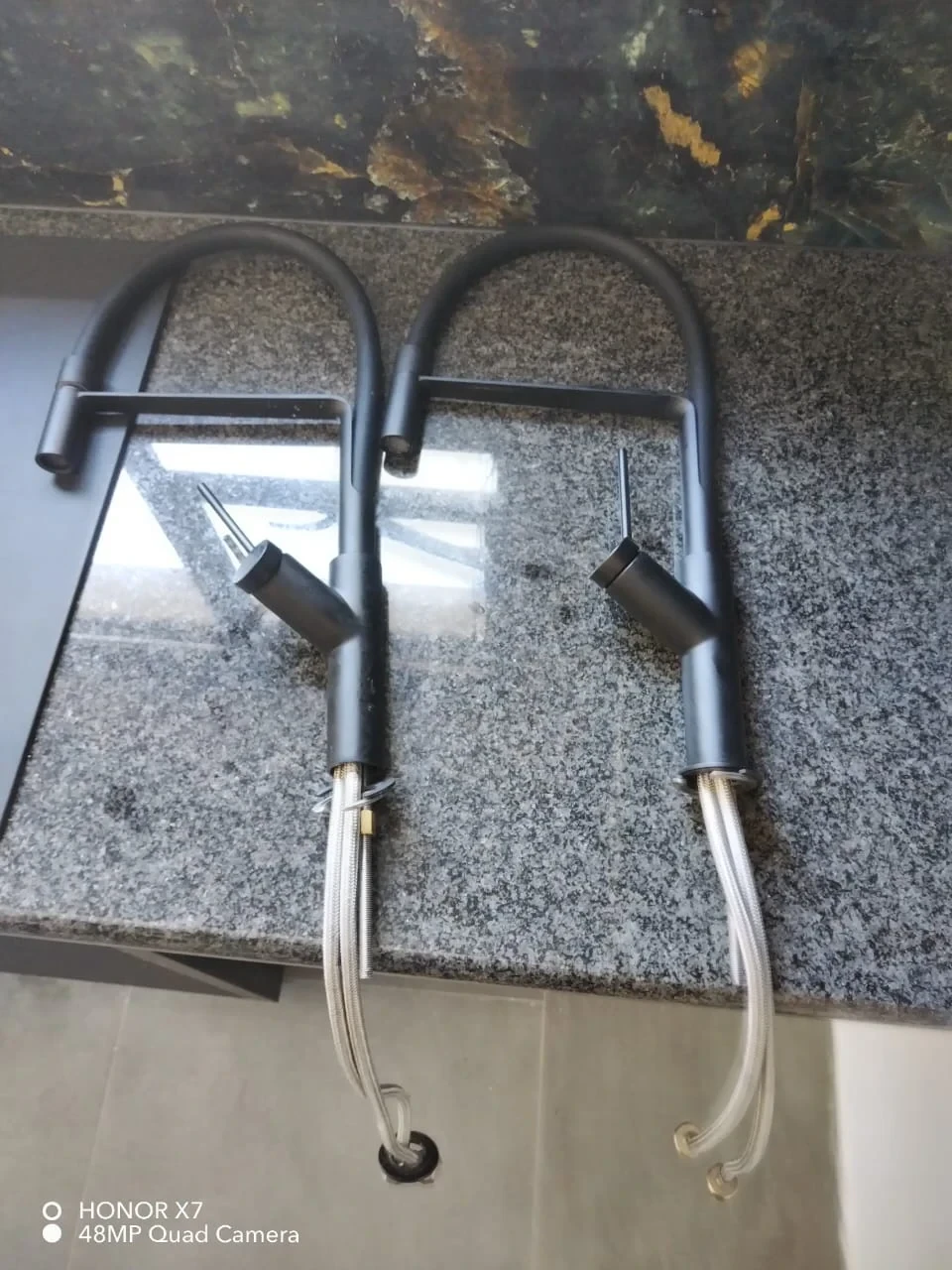
We remove a mixer where access to its mounting, hoses or internal repair requires it. The condition of the tap and connected parts determines what can be serviced. We discuss the repair options before fitting a replacement mixer or changing the water connections.
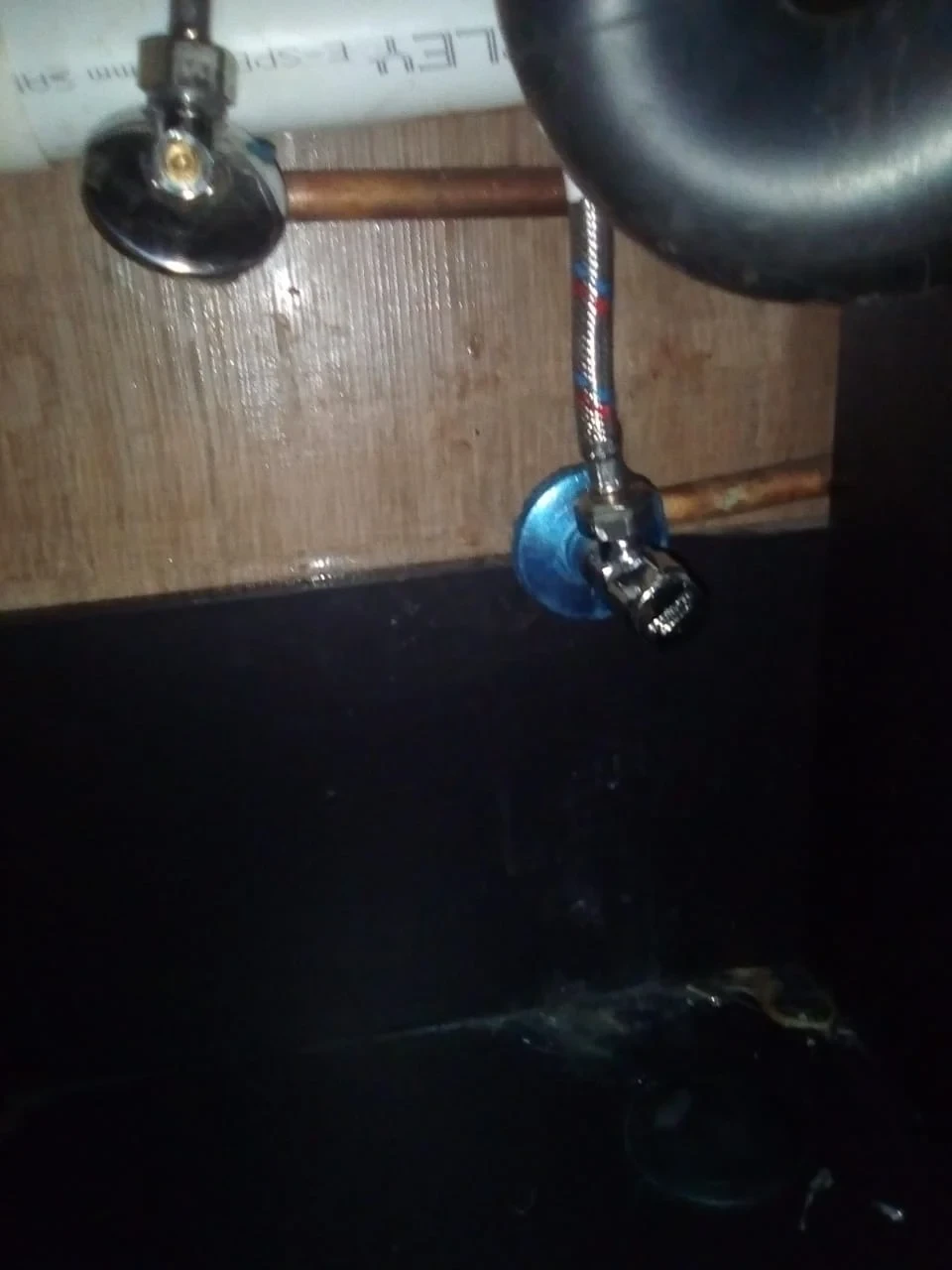
We check the local isolation valves and flexi hoses when a tap-area leak appears inside the cupboard. A sound tap can still have a leaking supply connection below it. If the valve also leaks or will not close, we include that repair in the discussion.
Professional leaking tap repair starts with a clear understanding of a dripping or leaking tap or mixer. We focus on what the service covers and why a correct first assessment matters, because a rushed assumption can leave the real cause unresolved and allow water waste, staining, noise and damage around basins or sinks to continue.
How Leaking Tap Repair Works in Practice is important because water waste, staining, noise and damage around basins or sinks can develop quickly when worn washers, damaged cartridges, loose connections, corrosion or excessive pressure. We check the relevant components and explain what the findings mean before recommending the next step.
In practice, why professional leaking tap repair matters involves identifying the tap type, leak point and condition of the valve body and supply connections. This prevents unnecessary replacement and helps ensure the proposed work addresses the actual source of the fault.
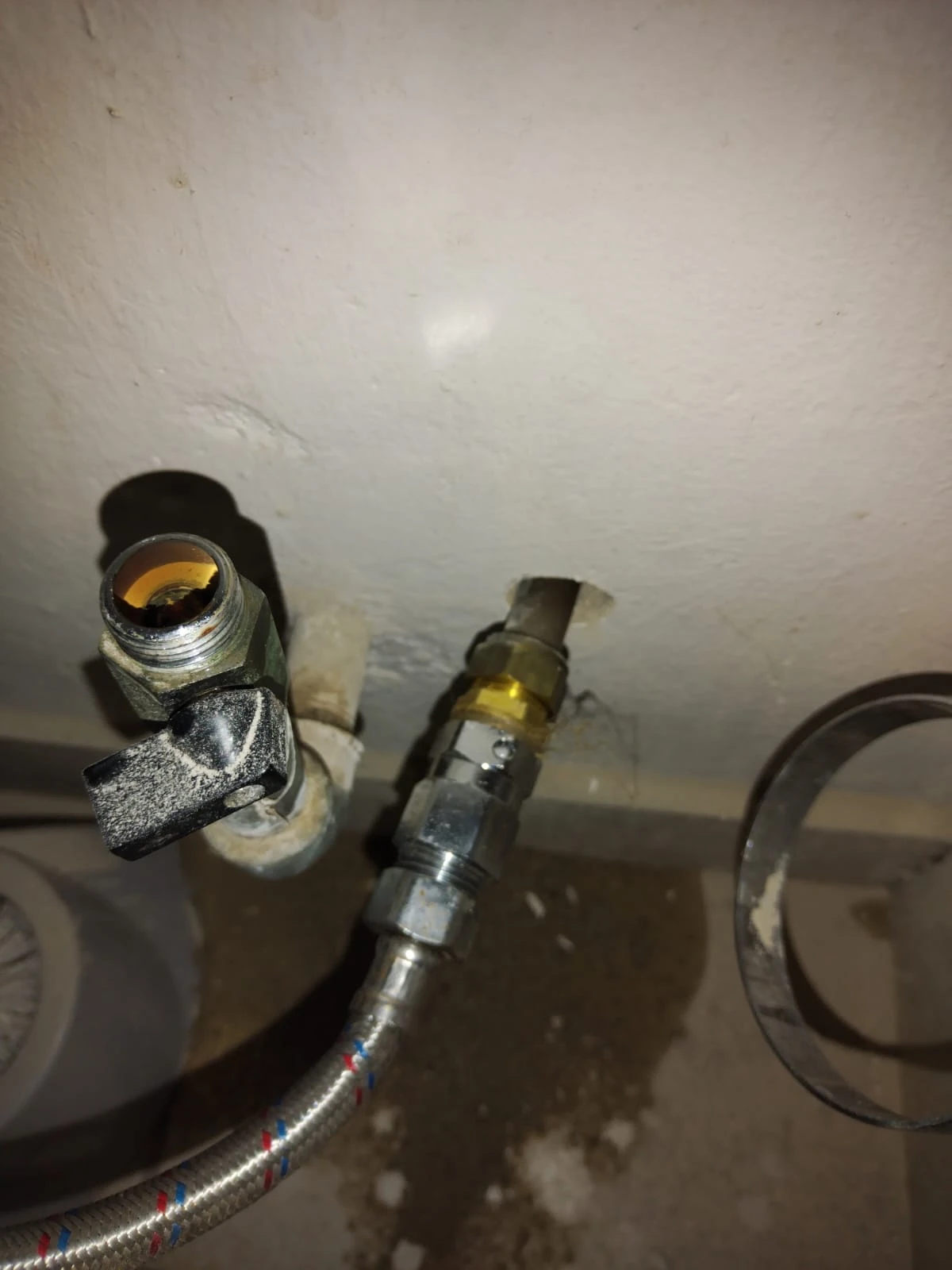
We repair the water points feeding a kitchen tap as well as the tap itself. The fittings need to be accessible and the hose route should avoid pulling on the joint. We explain whether the work calls for a new valve, hose or pipe connection before proceeding.
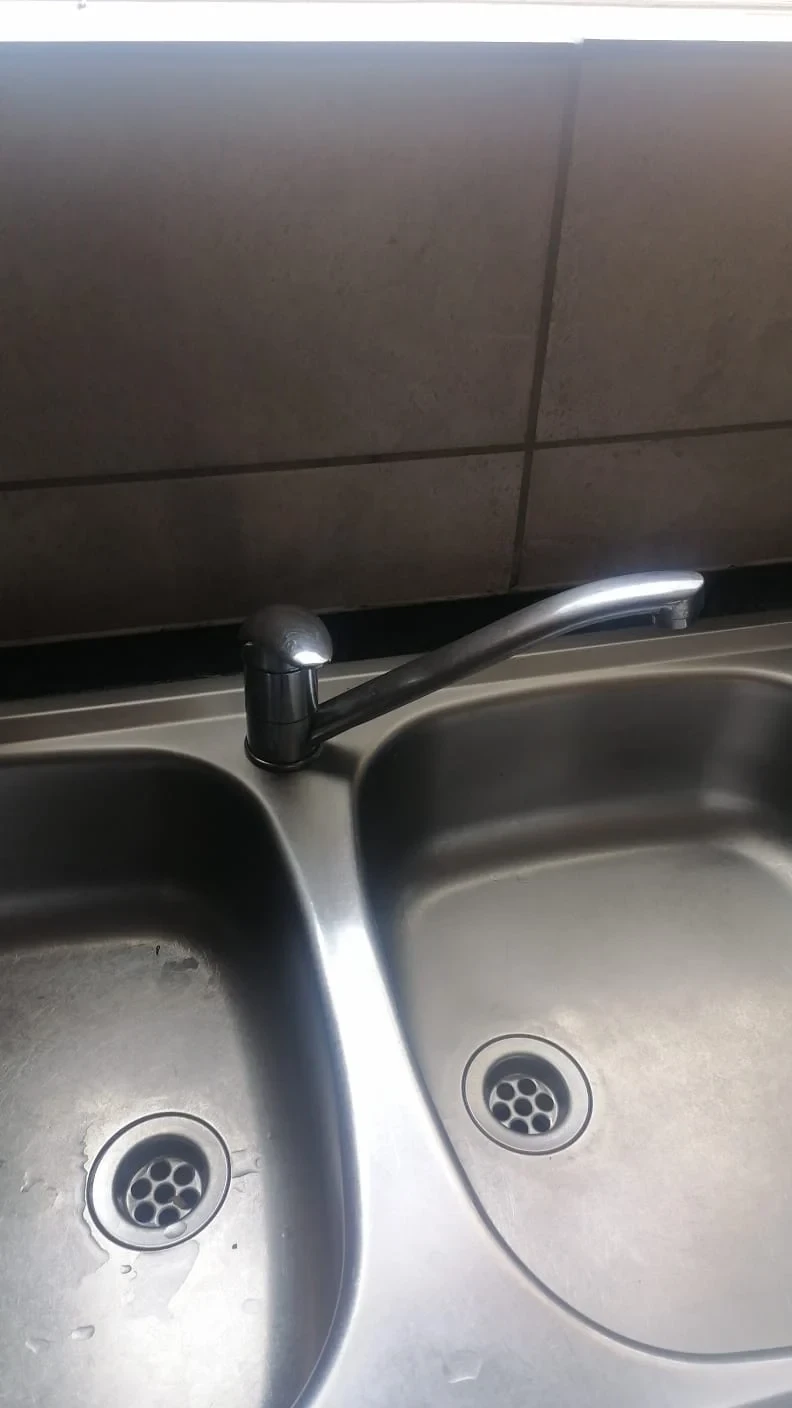
We investigate drips and leaks on single-lever kitchen mixers. The cartridge, body seals and supply joints have different roles, so the source of the water needs checking. Send the mixer details if available so we can prepare for the appropriate parts.
The most reliable approach to leaking tap repair is to confirm the condition of the complete connection or system, not only the most visible symptom. This section explains the symptoms that indicate attention is needed before the fault becomes more disruptive and how the work is planned for kitchens, bathrooms, laundries and commercial wash areas.
Initial Assessment of the Leaking Tap is important because water waste, staining, noise and damage around basins or sinks can develop quickly when worn washers, damaged cartridges, loose connections, corrosion or excessive pressure. We check the relevant components and explain what the findings mean before recommending the next step.
In practice, confirming the cause before repair involves identifying the tap type, leak point and condition of the valve body and supply connections. This prevents unnecessary replacement and helps ensure the proposed work addresses the actual source of the fault.
Where repair is suitable, the work may involve replacing serviceable components or fitting a suitable replacement tap where necessary. All accessible connections are checked and the system is tested before it is returned to normal use.
Delaying attention can lead to higher water bills, damaged cabinetry and worsening fixture failure. Early action usually limits secondary damage, improves access to the fault and gives the customer more practical repair choices.
For kitchens, bathrooms, laundries and commercial wash areas, protecting the property during the work must account for usage, access and the condition of existing services. We select compatible materials and avoid changes that could place unnecessary strain on other parts of the installation.
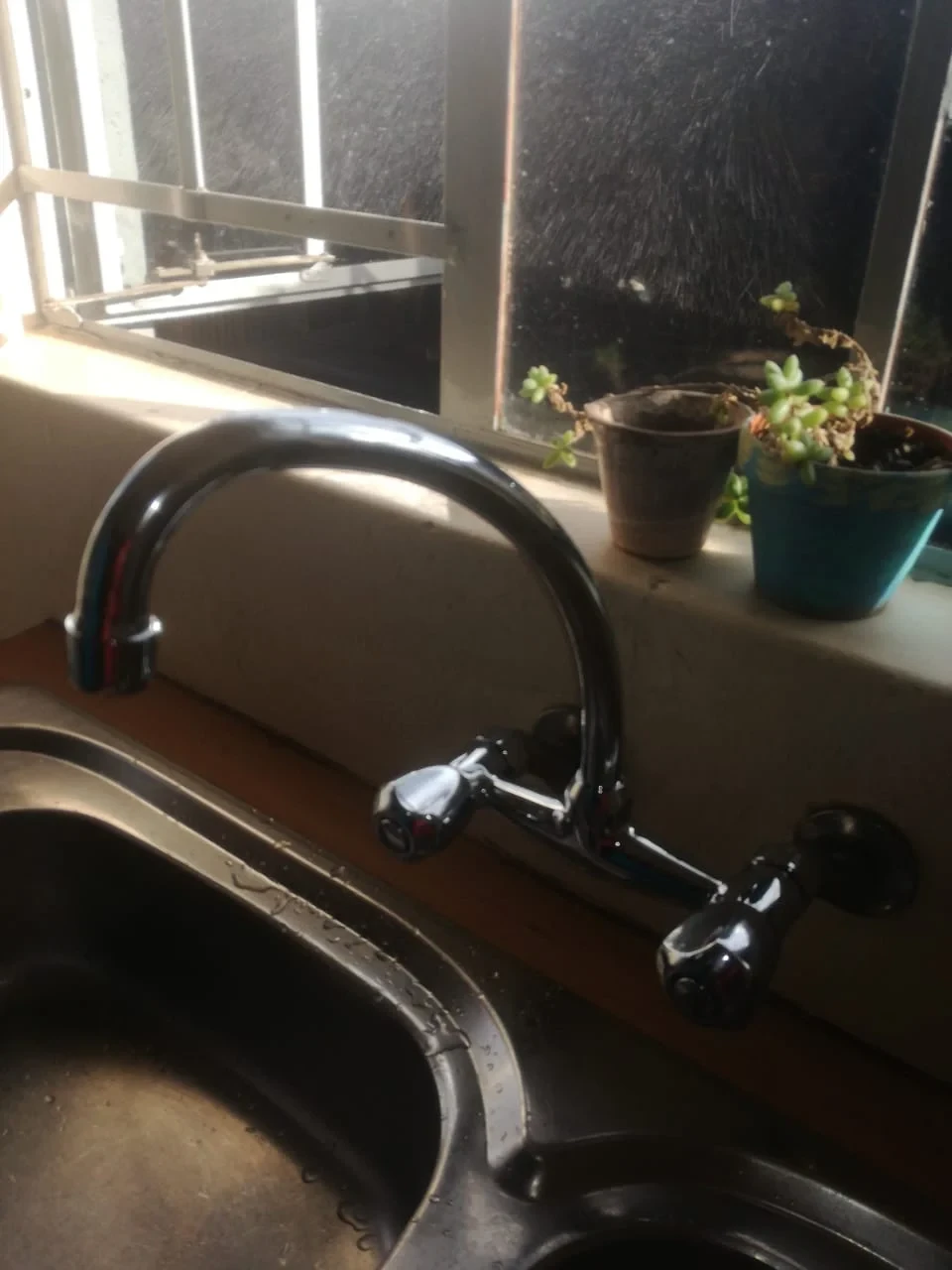
We service wall-mounted kitchen mixers and their wall connections. A leak from the spout differs from water escaping behind the fitting. If access behind the finish is needed, we explain the opening and can coordinate the agreed tiling or plaster repairs.
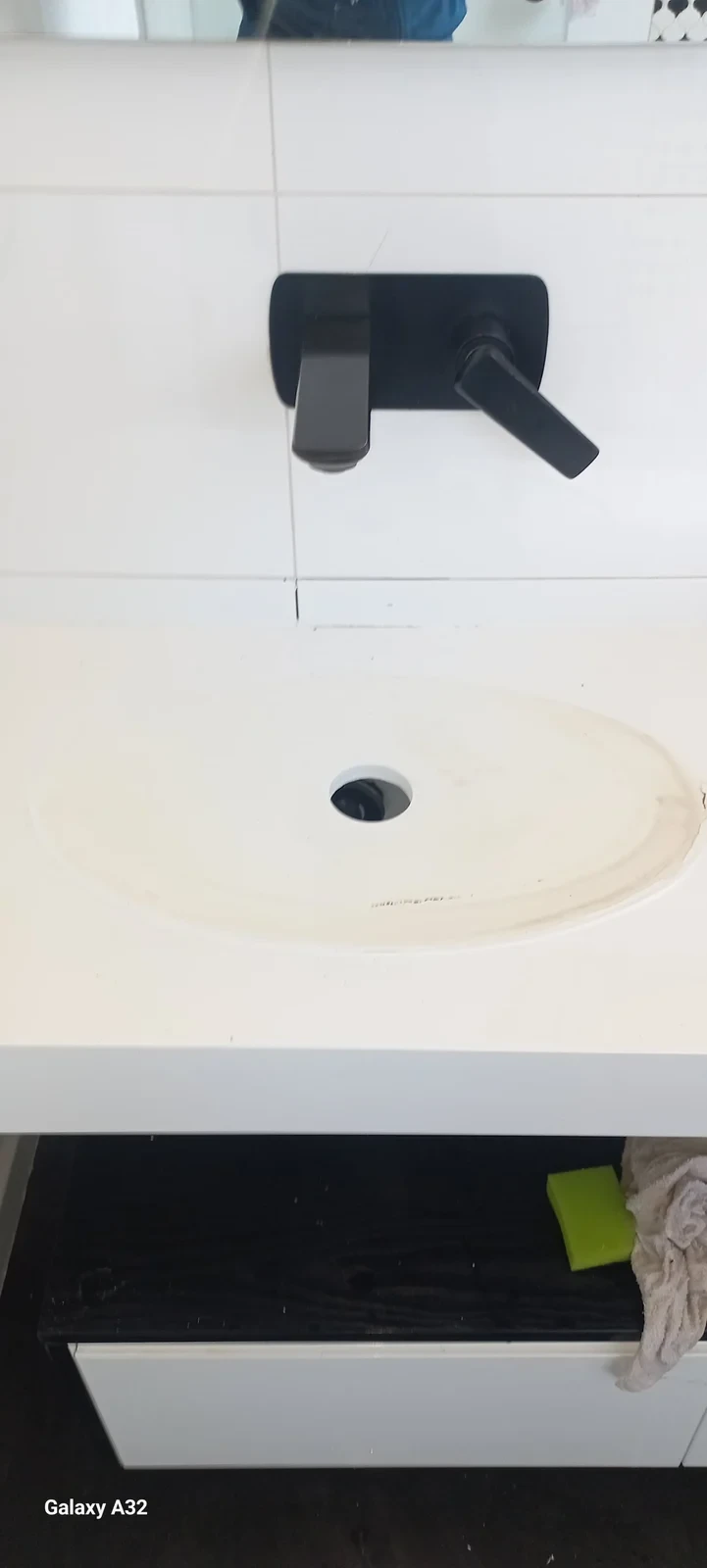
We repair wall-mounted basin mixers and investigate leaks at their concealed connections. Tell us whether the water appears at the control, spout or wall finish. The findings determine whether the fitting can be serviced from the front or additional access is required.
Customers usually request leaking tap repair after noticing water waste, staining, noise and damage around basins or sinks. A structured inspection helps distinguish a local fault from a wider system issue and supports a repair that is practical, safe and suited to the property.
Early Warning Signs of a Leaking Tap is important because water waste, staining, noise and damage around basins or sinks can develop quickly when worn washers, damaged cartridges, loose connections, corrosion or excessive pressure. We check the relevant components and explain what the findings mean before recommending the next step.
In practice, visible symptoms that need attention involves identifying the tap type, leak point and condition of the valve body and supply connections. This prevents unnecessary replacement and helps ensure the proposed work addresses the actual source of the fault.
Where repair is suitable, the work may involve replacing serviceable components or fitting a suitable replacement tap where necessary. All accessible connections are checked and the system is tested before it is returned to normal use.
Delaying attention can lead to higher water bills, damaged cabinetry and worsening fixture failure. Early action usually limits secondary damage, improves access to the fault and gives the customer more practical repair choices.
For kitchens, bathrooms, laundries and commercial wash areas, preventing secondary water damage must account for usage, access and the condition of existing services. We select compatible materials and avoid changes that could place unnecessary strain on other parts of the installation.
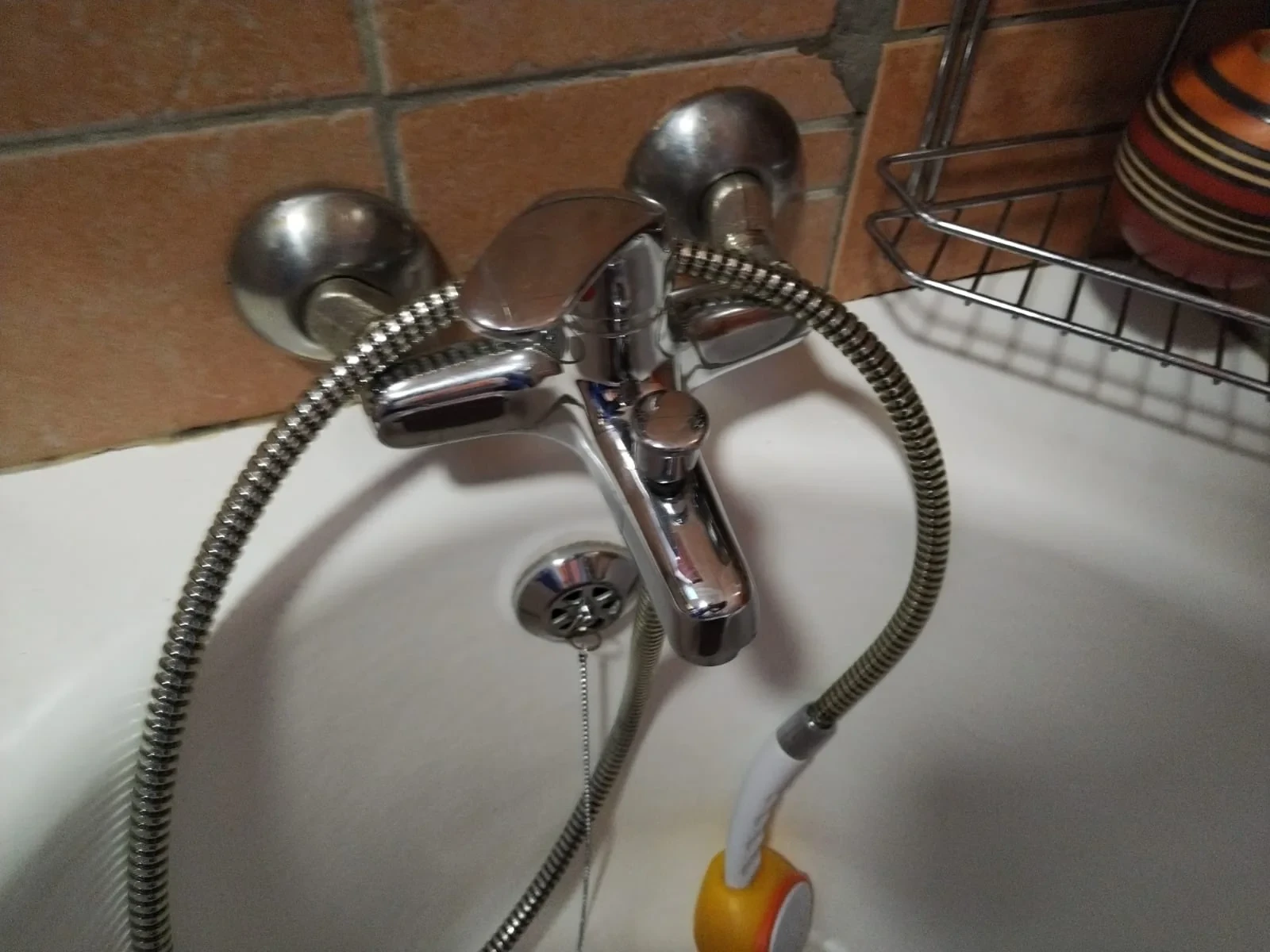
We service bath mixers and check the hand-shower hose and diverter where fitted. Report which outlet drips and whether the leak changes when switching between the bath spout and shower. That helps us investigate the right part of the assembly.
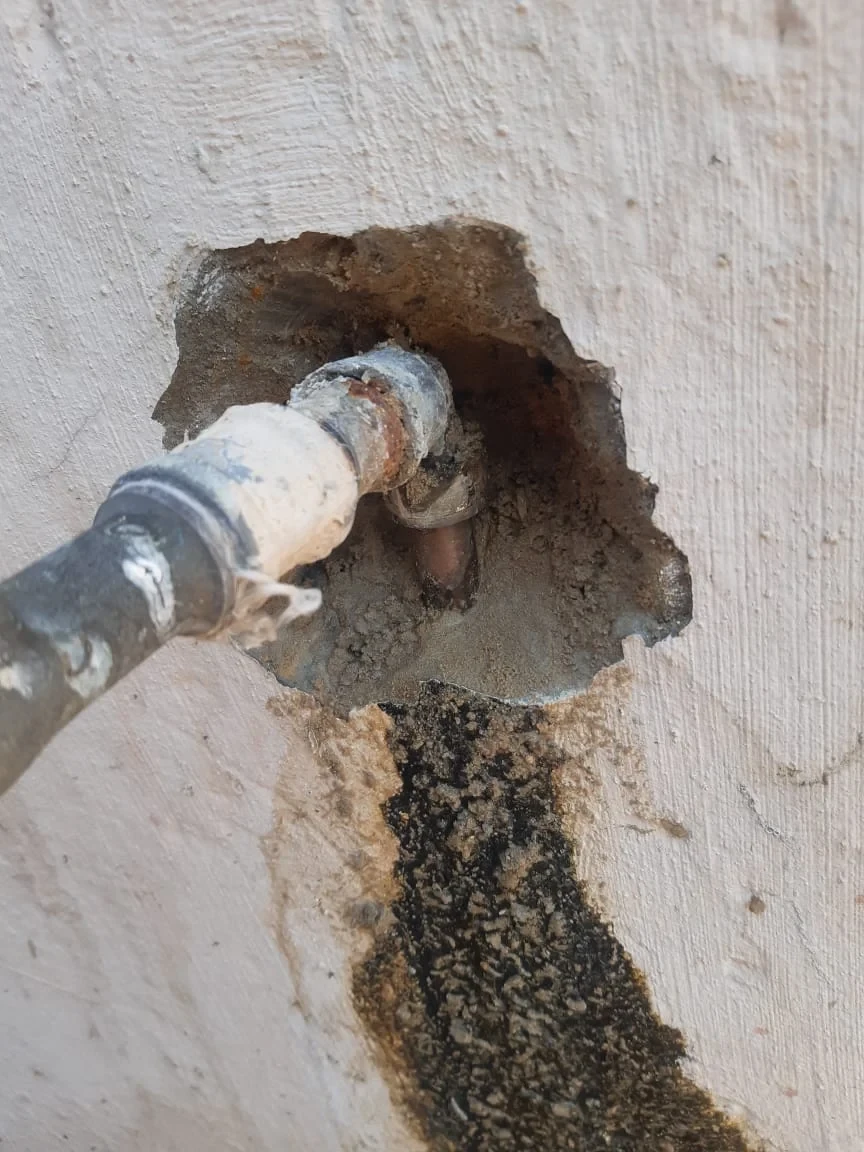
We open the wall where a leaking supply connection needs repair behind the tap point. Tightening or replacing the tap alone will not resolve a damaged pipe joint behind it. Our team can include the plumbing and agreed making good in the quotation.
The correct solution for a dripping or leaking tap or mixer varies according to age, condition, layout and use. We explain the findings, define the work required and obtain approval before proceeding with the agreed repair or installation.
Repair Options for the Tap is important because water waste, staining, noise and damage around basins or sinks can develop quickly when worn washers, damaged cartridges, loose connections, corrosion or excessive pressure. We check the relevant components and explain what the findings mean before recommending the next step.
In practice, when component replacement is more reliable involves identifying the tap type, leak point and condition of the valve body and supply connections. This prevents unnecessary replacement and helps ensure the proposed work addresses the actual source of the fault.
Where repair is suitable, the work may involve replacing serviceable components or fitting a suitable replacement tap where necessary. All accessible connections are checked and the system is tested before it is returned to normal use.
Delaying attention can lead to higher water bills, damaged cabinetry and worsening fixture failure. Early action usually limits secondary damage, improves access to the fault and gives the customer more practical repair choices.
For kitchens, bathrooms, laundries and commercial wash areas, confirming the work before work begins must account for usage, access and the condition of existing services. We select compatible materials and avoid changes that could place unnecessary strain on other parts of the installation.
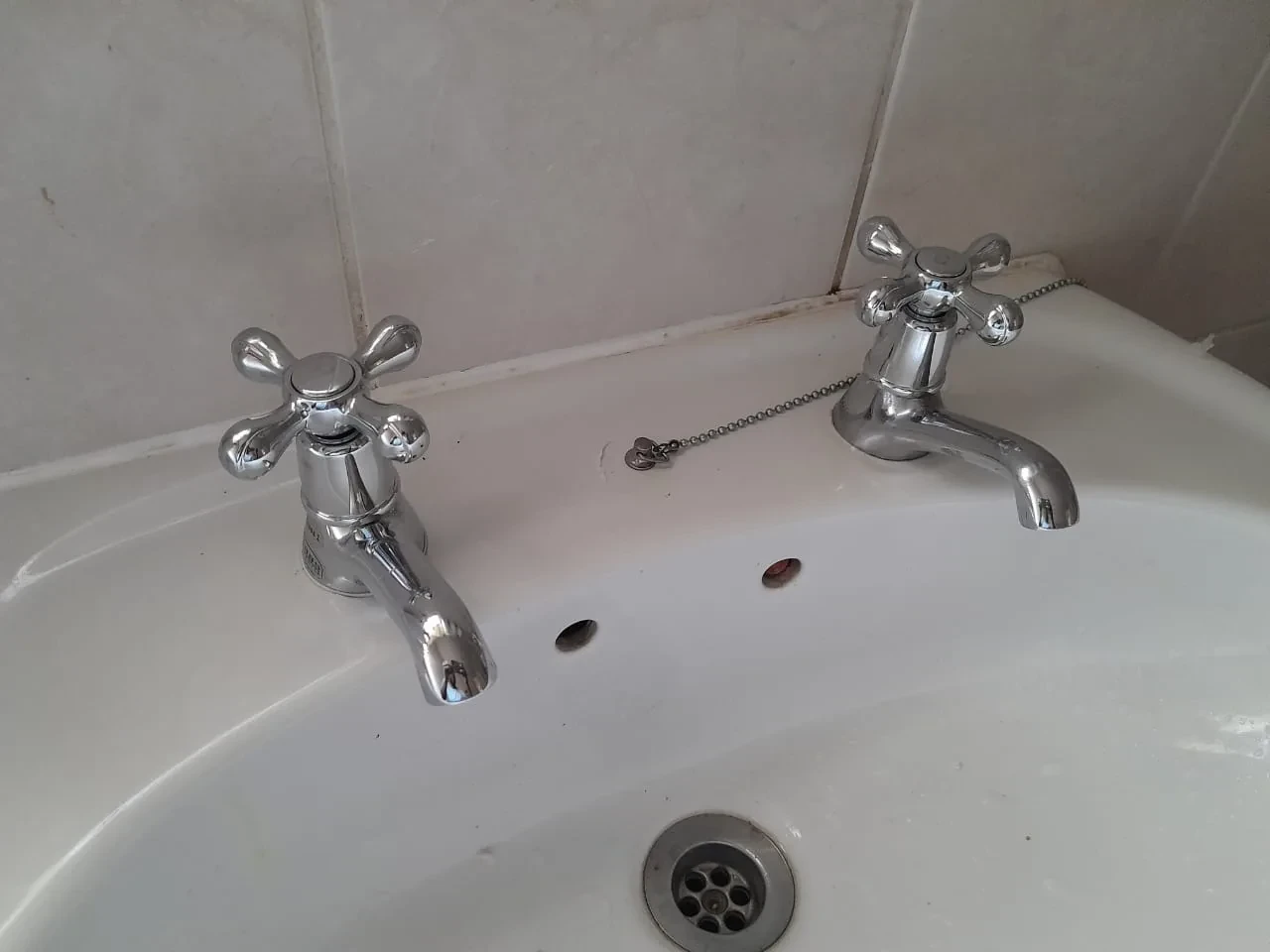
We service leaking washbasin taps and the connections below them. Tell us whether the spout drips when closed, the handle leaks when turned or water appears beneath the basin. We check the affected part and explain the repair before recommending replacement of the whole fitting.
Our approach to leaking tap repair combines careful diagnosis with clear communication. The aim is to restore dependable operation while protecting surrounding finishes, limiting water loss and reducing the likelihood of repeat faults.
Our Step-by-Step Leaking Tap Repair Process is important because water waste, staining, noise and damage around basins or sinks can develop quickly when worn washers, damaged cartridges, loose connections, corrosion or excessive pressure. We check the relevant components and explain what the findings mean before recommending the next step.
In practice, isolating water and securing the work area involves identifying the tap type, leak point and condition of the valve body and supply connections. This prevents unnecessary replacement and helps ensure the proposed work addresses the actual source of the fault.
Where repair is suitable, the work may involve replacing serviceable components or fitting a suitable replacement tap where necessary. All accessible connections are checked and the system is tested before it is returned to normal use.
Delaying attention can lead to higher water bills, damaged cabinetry and worsening fixture failure. Early action usually limits secondary damage, improves access to the fault and gives the customer more practical repair choices.
For kitchens, bathrooms, laundries and commercial wash areas, cleaning the area and explaining the result must account for usage, access and the condition of existing services. We select compatible materials and avoid changes that could place unnecessary strain on other parts of the installation.
Reliable plumbing work should solve the immediate problem and improve confidence in the system. For kitchens, bathrooms, laundries and commercial wash areas, we consider both the present fault and the conditions that may affect long-term performance.
Protecting the Tap From Repeat Problems is important because water waste, staining, noise and damage around basins or sinks can develop quickly when worn washers, damaged cartridges, loose connections, corrosion or excessive pressure. We check the relevant components and explain what the findings mean before recommending the next step.
In practice, routine checks that reduce future faults involves identifying the tap type, leak point and condition of the valve body and supply connections. This prevents unnecessary replacement and helps ensure the proposed work addresses the actual source of the fault.
Where repair is suitable, the work may involve replacing serviceable components or fitting a suitable replacement tap where necessary. All accessible connections are checked and the system is tested before it is returned to normal use.
Delaying attention can lead to higher water bills, damaged cabinetry and worsening fixture failure. Early action usually limits secondary damage, improves access to the fault and gives the customer more practical repair choices.
For kitchens, bathrooms, laundries and commercial wash areas, keeping valves and connections accessible must account for usage, access and the condition of existing services. We select compatible materials and avoid changes that could place unnecessary strain on other parts of the installation.
Contact our Gauteng plumbers for a dripping, stiff or leaking tap. We assess the tap mechanism and connections, explain whether repair or replacement is more practical, and quote before proceeding.
Check whether the drip comes from the spout, handle, base or connection below the fitting. Note whether it happens with the tap closed or only during use.
Don’t force the handle shut or dismantle the mixer while the supply is on. A tighter turn can damage worn components further.
If the drip has become an active leak, close an accessible isolating valve gently. Leave the fitting assembled and keep the cupboard below it clear.
Send a photo of the tap, where it leaks and any known brand or model. Mention whether the hot side, cold side or both are affected.
We check whether a washer, cartridge, seal or connection needs repair. If replacement is more practical, we explain the options and price before starting.
Practical guides to help you understand leaking tap in gauteng, spot warning signs early, and decide when professional help is the safest choice. Written for homeowners and property managers who want clear answers before calling a plumber. Related reading on this topic includes installing new sinks, kitchen tap repairs, mixer tap repairs.
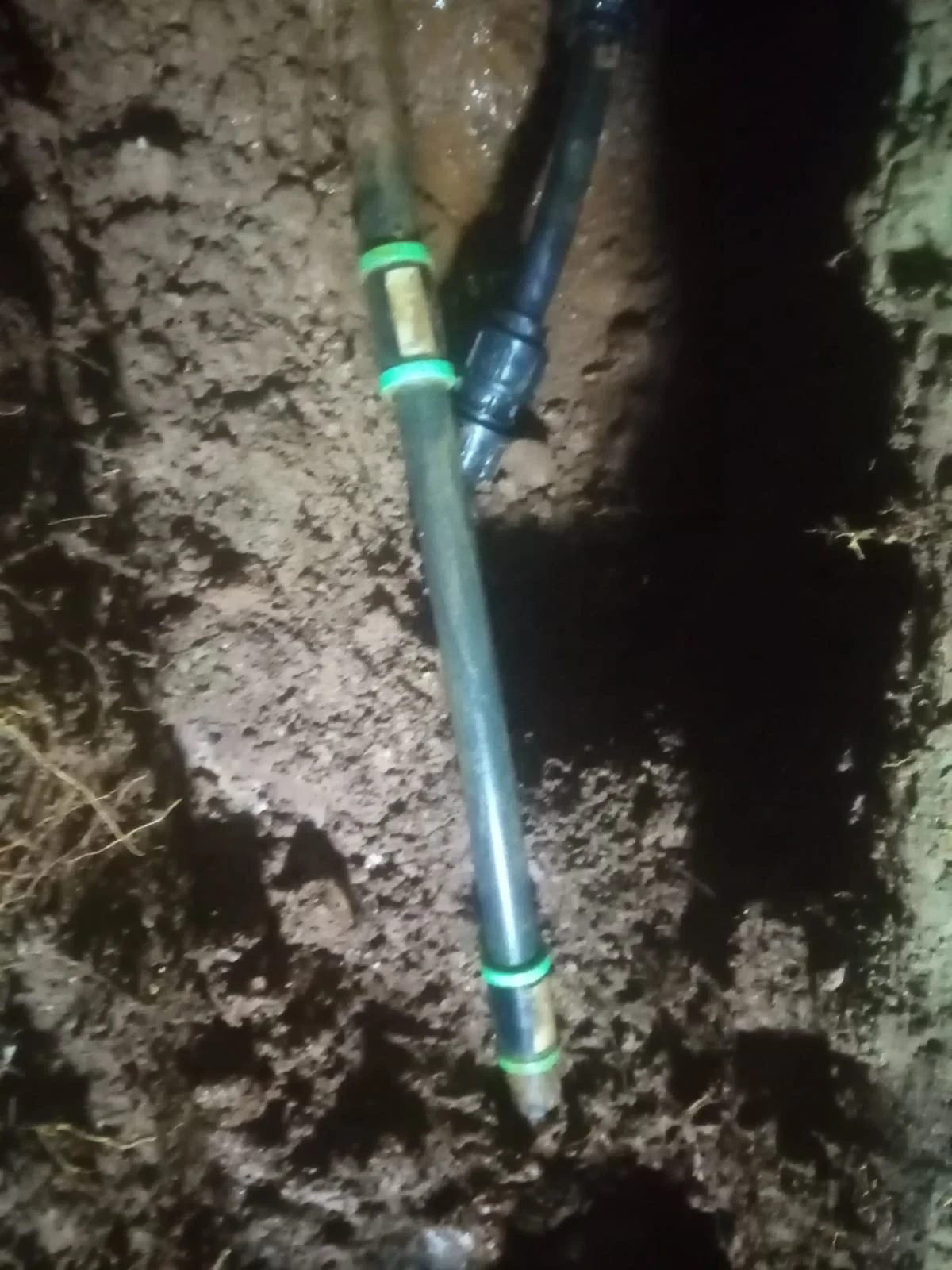
If water loss continues after visible tap leaks are addressed, the supply needs further investigation. Read how isolation and leak checks guide the next step.
Read guide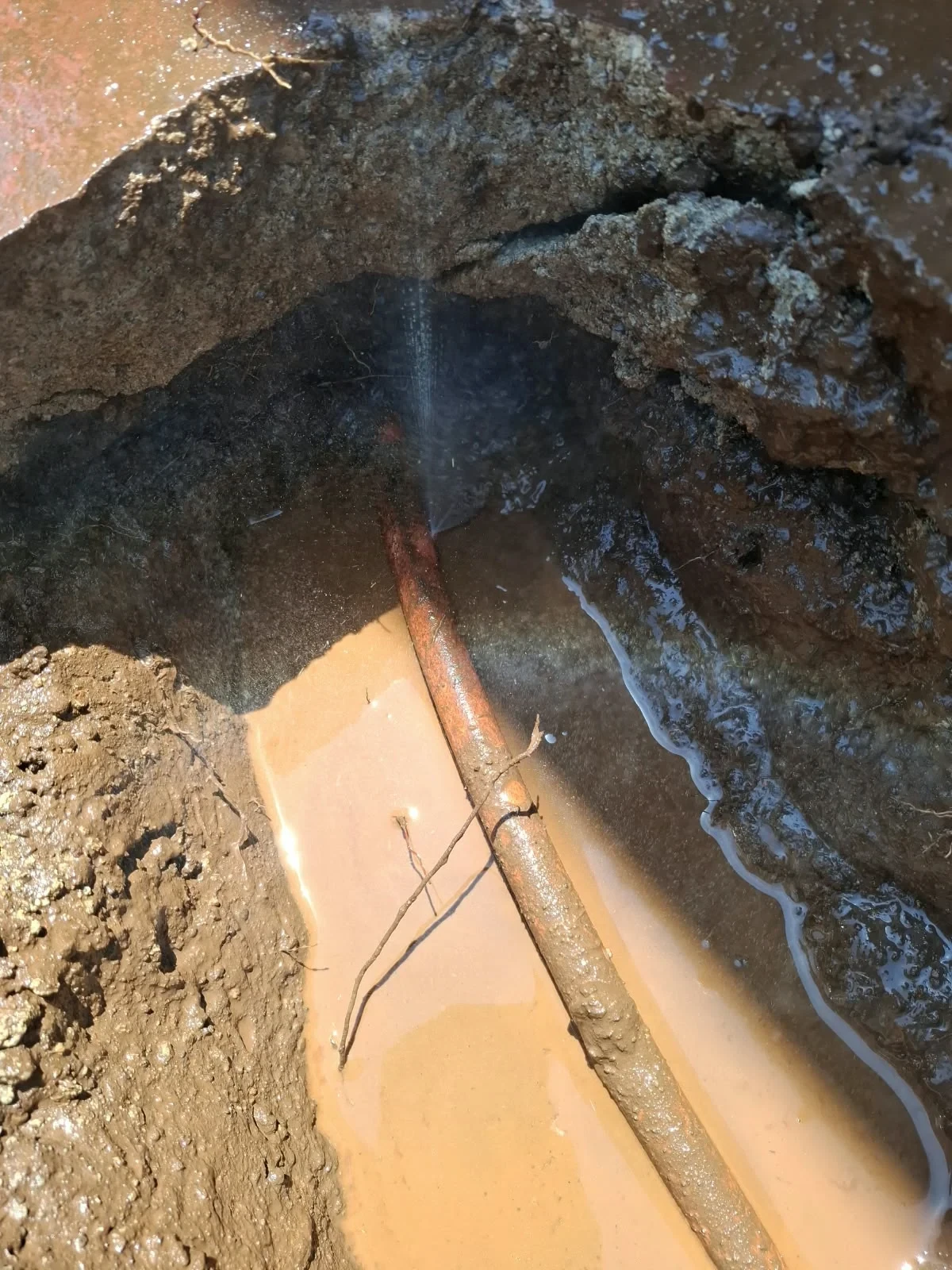
Tell the plumber where water is collecting and whether the supply can be safely isolated. Keep clear of wet electrical equipment and unstable openings.
Read guide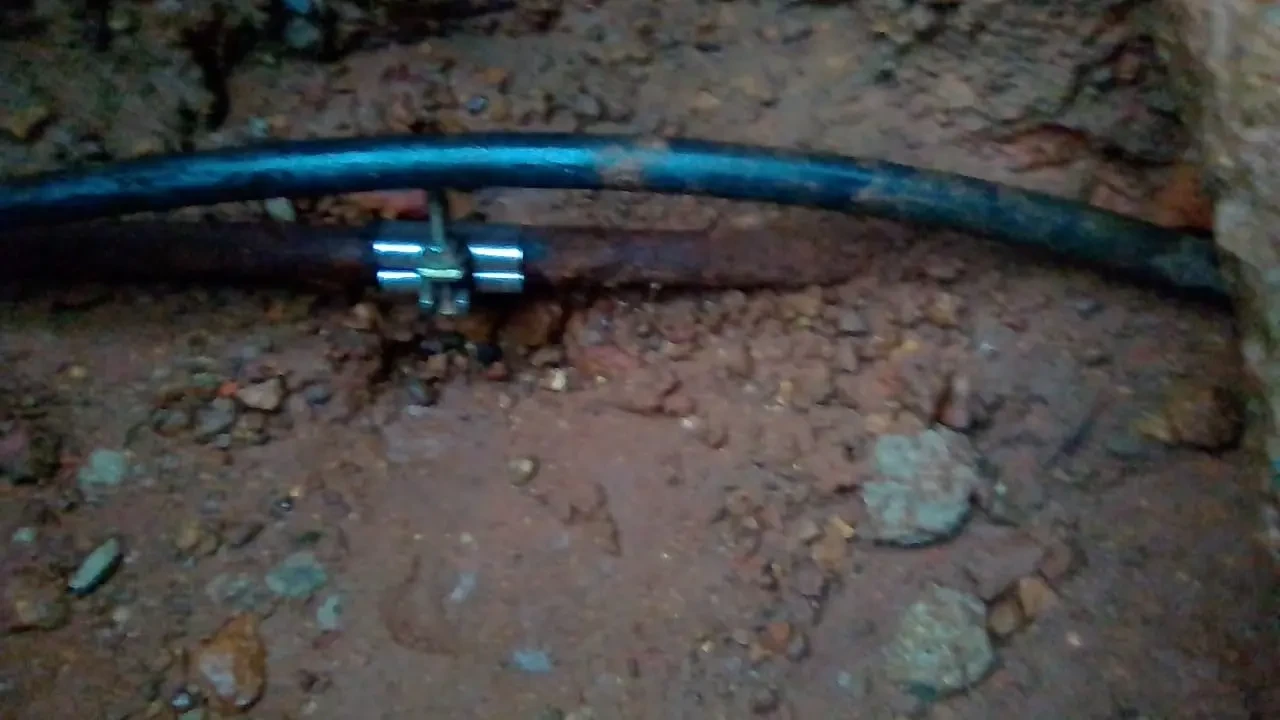
A leak quotation depends on the fault and access required. A tap service, valve replacement and buried pipe repair involve different work.
Read guide
Ask which fittings and connection work are included and which guarantee applies to the repair you approve.
Read guide