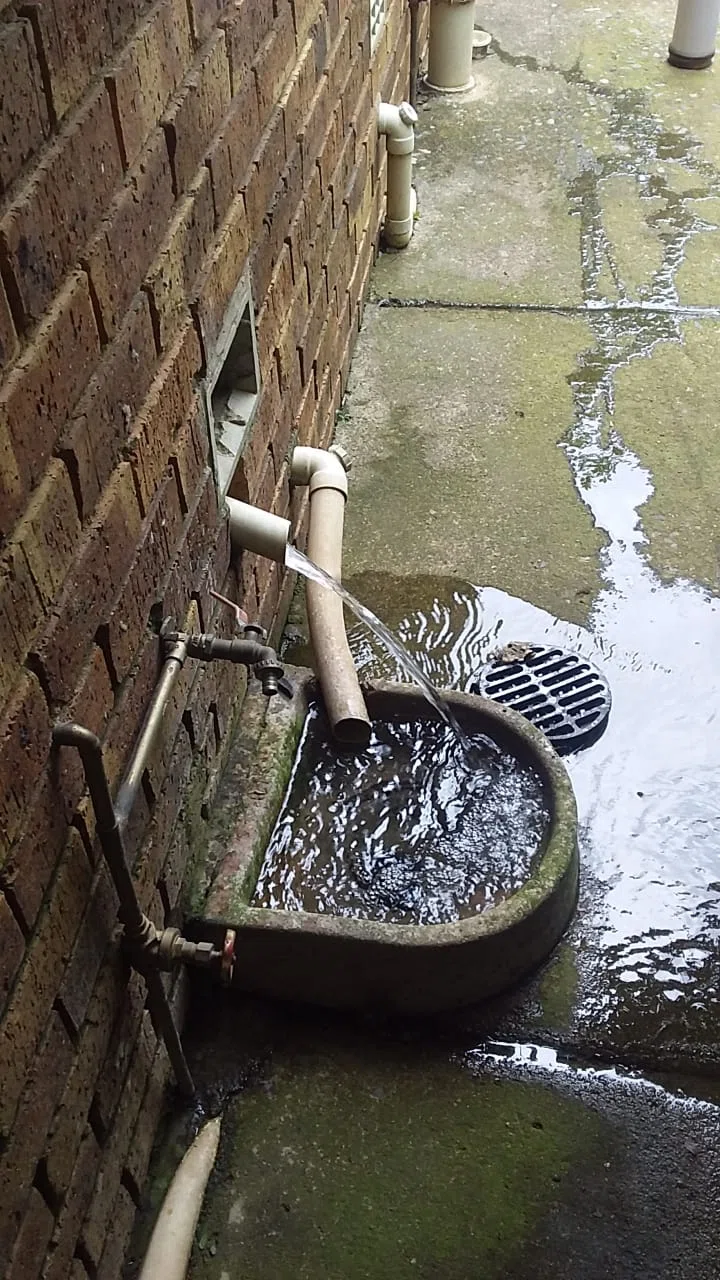
Most drain blockages develop gradually. Small amounts of grease, hair, soap, food, leaves or foreign material accumulate until the pipe can no longer carry normal flow. Prevention focuses on controlling what enters the drain and acting early when flow begins to change.
Start here
No household can guarantee that a drain will never block, especially where old or damaged pipework is involved. Good habits still reduce avoidable blockages and make structural problems easier to identify.
How to recognise the problem
- A drain becomes slower over several weeks.
- Gurgling starts after appliances discharge.
- Odours return from a regularly used drain.
- Outdoor channels hold water after rain.
- A blockage has occurred more than once in the same line.
Common causes
- Grease and food waste.
- Hair and soap.
- Wipes, sanitary products and foreign objects.
- Leaves, sand and building debris.
- Roots entering defective sewer pipes.
- Poor gradients or damaged pipework.
What you can safely check yourself
- Use strainers in sinks, basins and showers.
- Dispose of fats and oils in sealed containers.
- Remove leaves from outdoor channels.
- Teach household members what must not be flushed.
- Arrange early inspection for recurring slow drainage.
What you should never do
- Do not use the toilet as a rubbish bin.
- Do not wash cement, grout or paint into drains.
- Do not ignore repeated gurgling or sewer smells.
- Do not rely on strong chemicals as routine maintenance.
When to call a plumber
Call a plumber when more than one fixture is slow, wastewater backs up, outdoor drains overflow, or the same line repeatedly blocks. Preventive camera inspection or cleaning may be more economical than emergency response and water damage.
How we can help
A plumber can identify high-risk sections, clean grease or root deposits, inspect older pipes and recommend repairs or maintenance intervals. Commercial and high-use properties may need scheduled drain servicing.
Reducing the chance of another problem
- Kitchen: scrape plates and collect grease.
- Bathroom: remove hair from strainers.
- Toilets: flush only waste and toilet paper.
- Outdoor areas: control leaves, sand and construction debris.
- Sewers: repair root entry and damaged joints.
Frequently asked questions
Should I use drain cleaner every month?
Routine chemical use is generally unnecessary and can create safety and pipe risks. Prevention at source is better.
Do drain strainers really help?
Yes. They stop a significant amount of hair, food and debris before it reaches the pipe.
How often should commercial drains be cleaned?
The interval depends on usage, grease load and history. A plumber can establish a maintenance schedule based on actual conditions.
Need help with preventing drain blockages?
Send details about preventing drain blockages and our team will recommend the most appropriate service.