Initial operational consultation
We establish the production, maintenance, safety and shutdown requirements of the site. Related professional help is available through Professional Geyser Repair for Reliable Hot Water.

Professional Industrial Plumbers with the standards you should expect: prepared technicians, accurate diagnosis, and repairs proven under normal use. We offer free call-out and quotation before work starts, so you always know work and price upfront.
We agree access, isolation and operating constraints with the responsible person before starting. The proposed work sets out which system is affected, the repair required and how it will be checked before we leave.
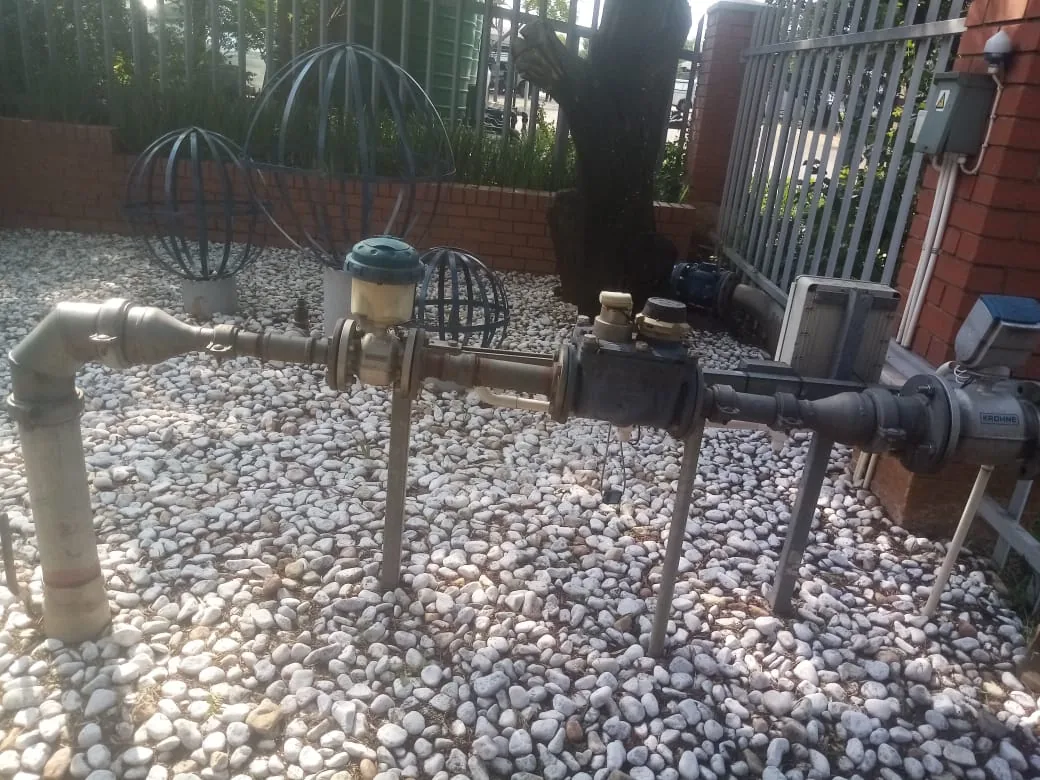
Agree the systems and fixtures to be checked first. Accessible valves, visible connections, recurring blockages and known problem areas help set the scope.
Keep notes on repeated faults, shut-off locations and repair dates. Photos taken safely can help show whether a damp mark or fitting has changed.
Yes. Ask which defects are active or likely to cause damage, and which can be planned. An itemised report or quotation makes those decisions easier.
Confirm who manages the affected pipe or common area and who can approve the quote. Share access and shut-off arrangements before the visit.
Keep a list of accessible shut-offs and previous repair locations. Tell the team about blocked access or restricted hours when booking.
Yes. If the wastewater is industrial effluent, apply to the City of Johannesburg for written permission before discharging it into the municipal sewer. The City may ask for additional information or a sample. If a plumbing alteration will change the amount or nature of an already permitted discharge, notify the City in writing before the change.
If your site has a reduced-pressure or double-check backflow preventer, the property owner must arrange inspection and servicing at least every 12 months and replacement or a complete overhaul every five years. Keep records of the contractor’s name and address, the service date and any repairs or replacements for municipal inspection.
Check whether your suburb is listed in Plumb A Nator’s service areas, then contact the team with the site address to confirm whether they can take on the industrial work and ask for an estimated arrival time. Availability can depend on emergency demand, staffing and site access.
Knowing what to expect makes it easier to arrange the service with confidence. Here is how we assess, complete and verify the work from first contact through to completion. Related professional help is available through Professional Plumbing Services.
We establish the production, maintenance, safety and shutdown requirements of the site. Related professional help is available through Professional Geyser Repair for Reliable Hot Water.
Pipework, plant connections, drainage, access and operating conditions are inspected. Related professional help is available through Plumbing services for urgent faults and planned work.
The work method, interfaces, exclusions and required approvals are documented clearly. Related professional help is available through Leak Detection.
Work is coordinated with site procedures to limit risk and operational disruption. Related professional help is available through 24/7 Emergency Plumbers.
The team, materials and tools are matched to the approved industrial work. Related professional help is available through Blocked Drain Cleaning.
Repairs or installations are completed with progress communication and site coordination. Related professional help is available through Your enquiry cart.
Relevant pressure, flow, drainage and operational checks are completed before we leave.
Findings, completed work and applicable maintenance recommendations are recorded.
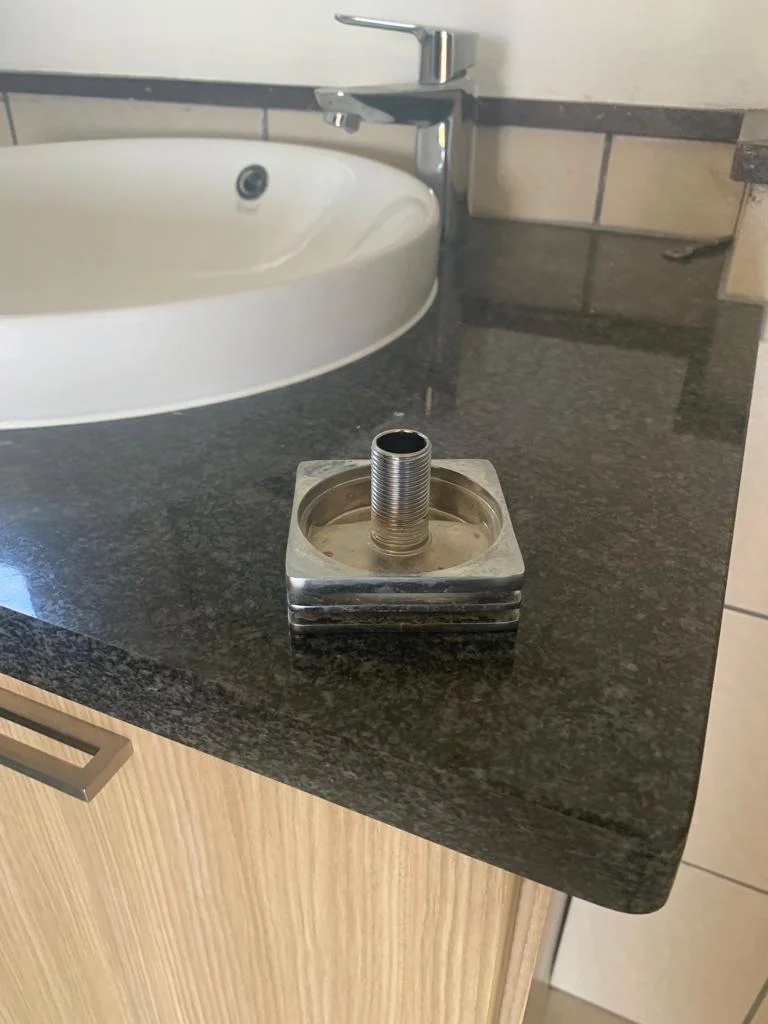
A basin combines water outlet fittings with a waste connection beneath the fixture. Checking where water appears and whether drainage is affected helps separate a supply issue from a waste or fixture problem.
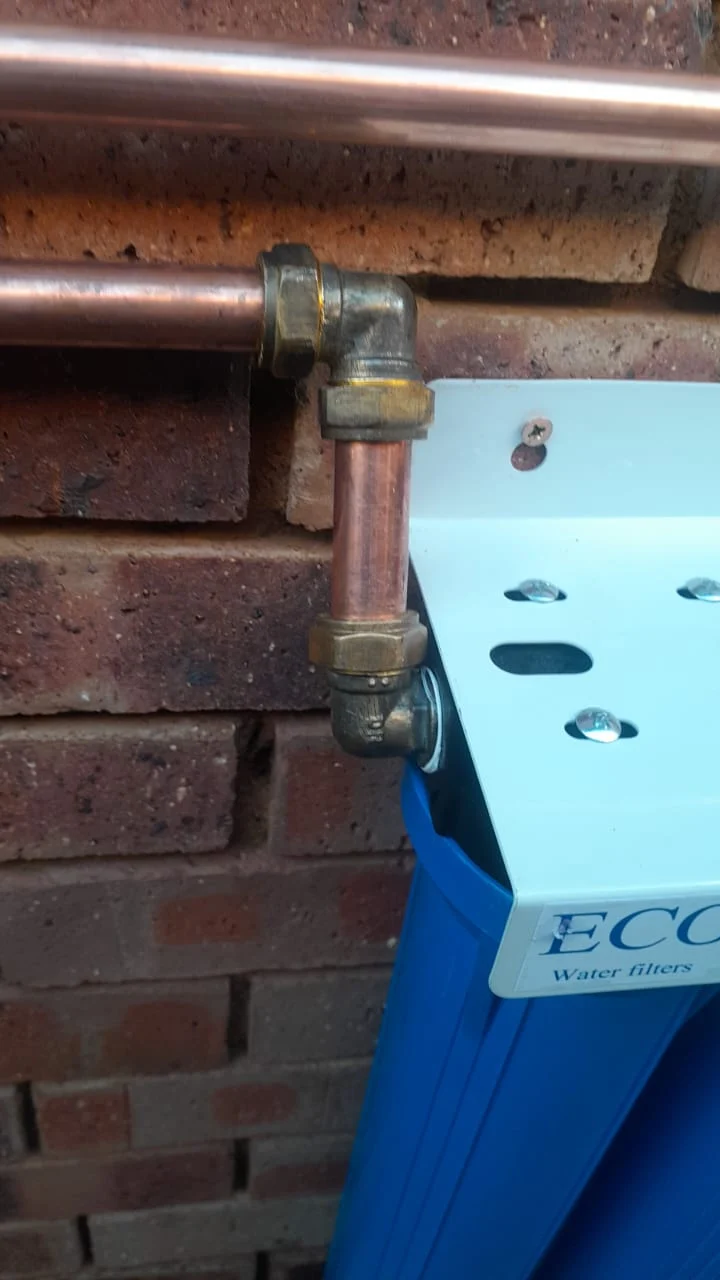
Accessible isolation and sound supply connections help with installation and future maintenance. The relevant joint or fitting should be checked under operating conditions after the agreed work.
Professional industrial plumbing starts with a clear understanding of industrial water, drainage and process pipework. We focus on what the service covers and why a correct first assessment matters, because a rushed assumption can leave the real cause unresolved and allow downtime, leaks, restricted flow or unreliable plant services to continue.
How Industrial Plumbing Works in Practice is important because downtime, leaks, restricted flow or unreliable plant services can develop quickly when wear, corrosion, vibration, pressure fluctuations or inadequate maintenance. We check the relevant components and explain what the findings mean before recommending the next step.
In practice, why professional industrial plumbing matters involves reviewing the system, operational demands, isolation points and the condition of critical pipework. This prevents unnecessary replacement and helps ensure the proposed work addresses the actual source of the fault.
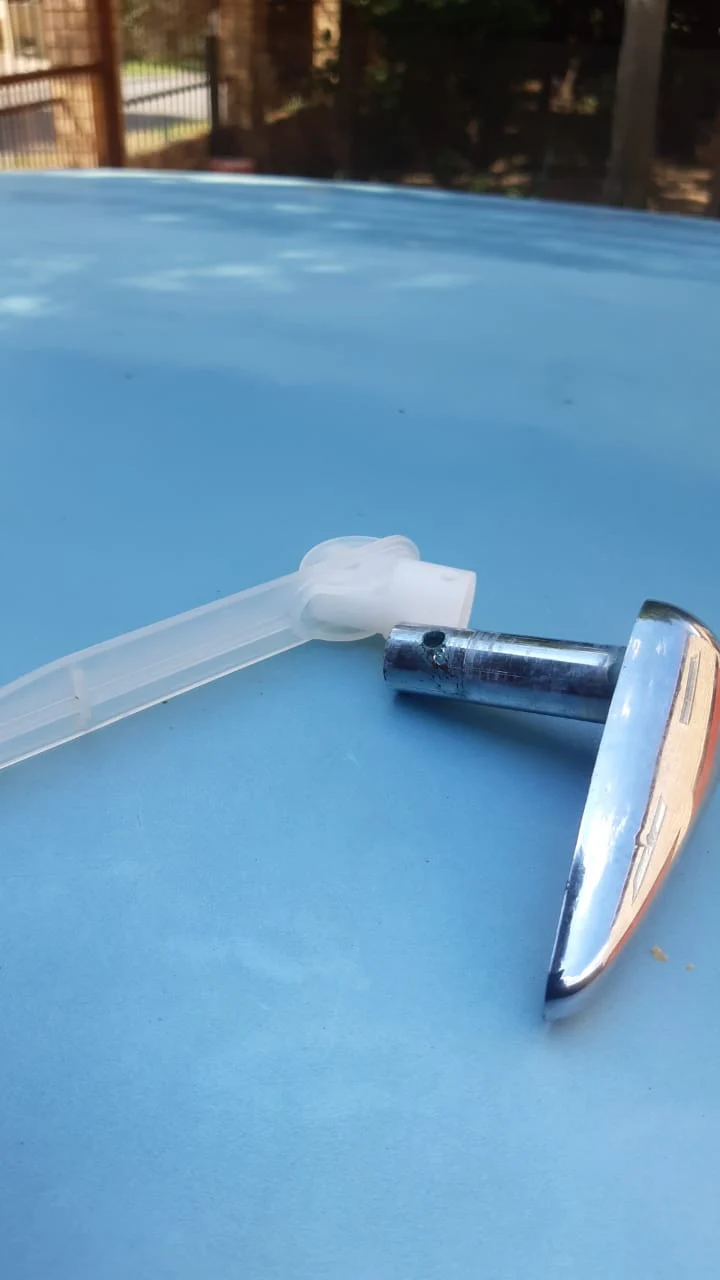
Water connections, valves and accessible pipe joints are useful details to include in a plumbing enquiry. Describe whether the concern is a visible leak, reduced flow or a new connection so the assessment can address the right fitting.
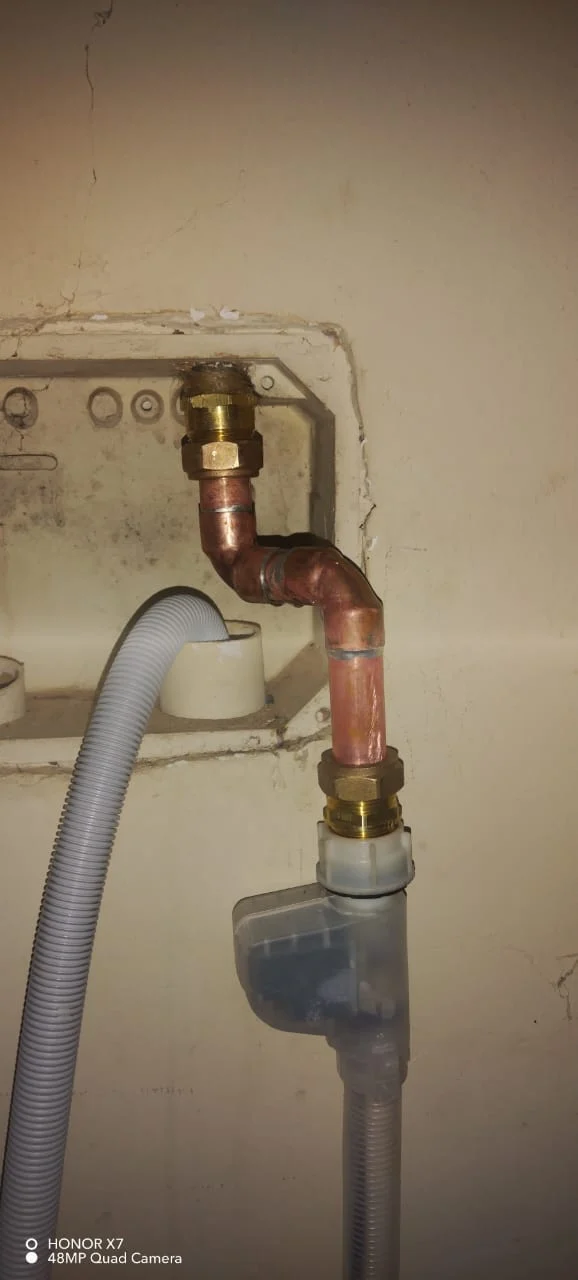
Accessible isolation and sound supply connections help with installation and future maintenance. The relevant joint or fitting should be checked under operating conditions after the agreed work.
The most reliable approach to industrial plumbing is to confirm the condition of the complete connection or system, not only the most visible symptom. This section explains the symptoms that indicate attention is needed before the fault becomes more disruptive and how the work is planned for factories, warehouses, workshops and manufacturing facilities.
Initial Assessment of the Industrial Plumbing System is important because downtime, leaks, restricted flow or unreliable plant services can develop quickly when wear, corrosion, vibration, pressure fluctuations or inadequate maintenance. We check the relevant components and explain what the findings mean before recommending the next step.
In practice, confirming the cause before maintenance and repair involves reviewing the system, operational demands, isolation points and the condition of critical pipework. This prevents unnecessary replacement and helps ensure the proposed work addresses the actual source of the fault.
Where repair is suitable, the work may involve planning repairs, replacements or maintenance around operational and safety requirements. All accessible connections are checked and the system is tested before it is returned to normal use.
Delaying attention can lead to production losses, safety incidents and costly equipment or building damage. Early action usually limits secondary damage, improves access to the fault and gives the customer more practical repair choices.
For factories, warehouses, workshops and manufacturing facilities, protecting the property during the work must account for usage, access and the condition of existing services. We select compatible materials and avoid changes that could place unnecessary strain on other parts of the installation.
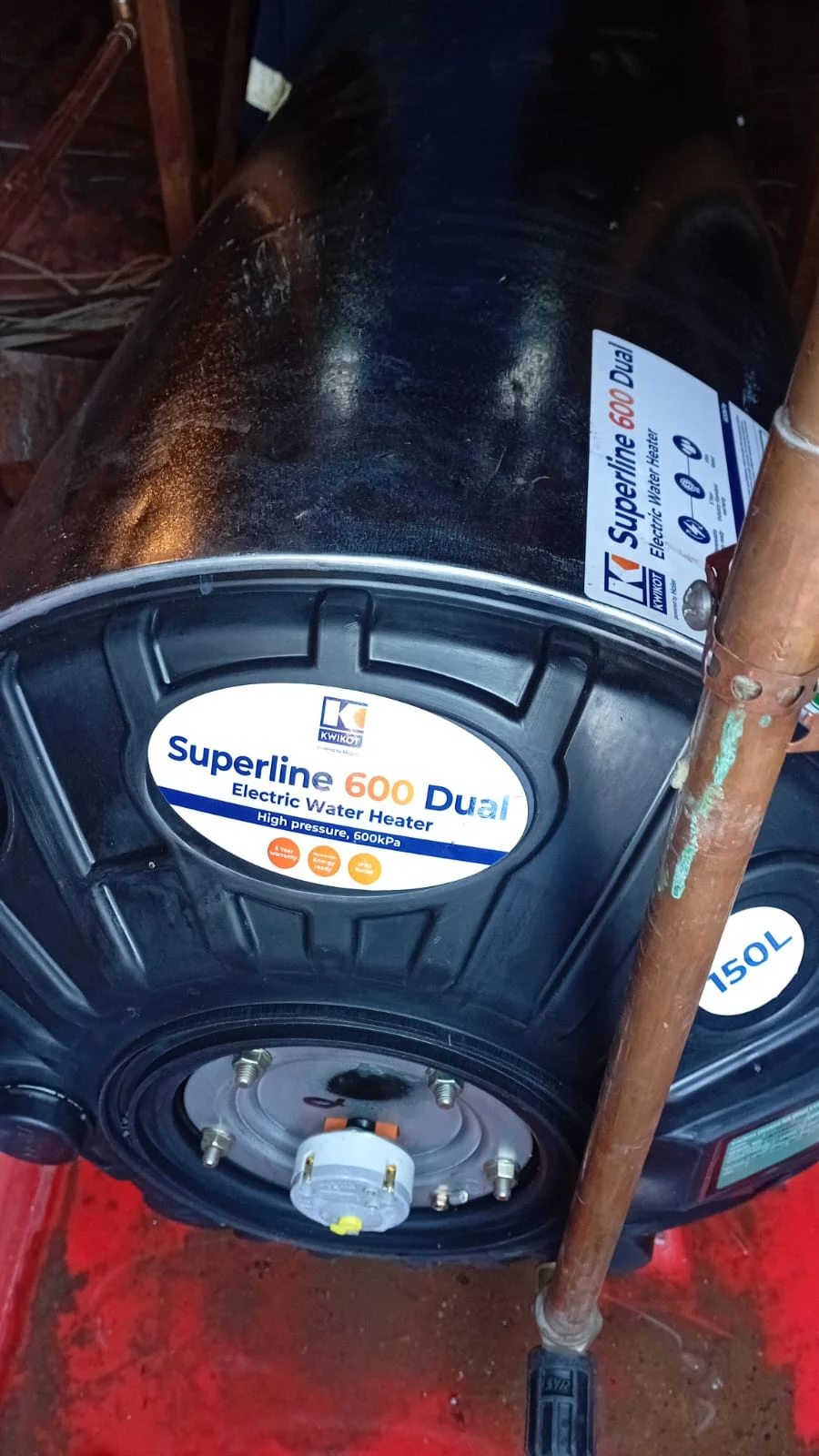
The cylinder, its connections and the available installation space need to be considered together. A photograph of accessible components helps explain the layout, while the condition of the system determines the work required.
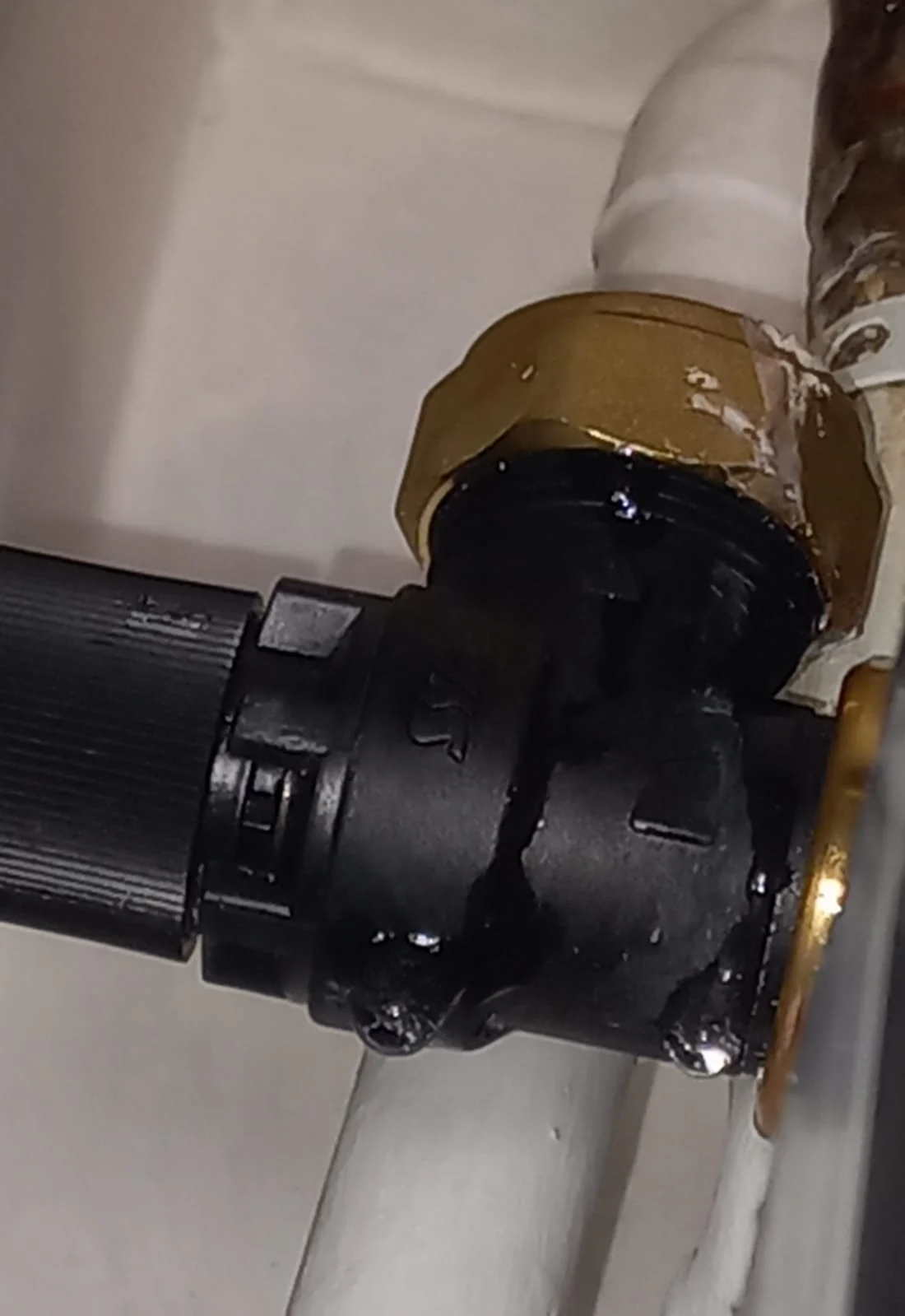
Under-fixture drainage needs a suitable connection route and practical maintenance access. After installation or repair, the affected joints should be observed while water runs through the fixture.
Customers usually request industrial plumbing after noticing downtime, leaks, restricted flow or unreliable plant services. A structured inspection helps distinguish a local fault from a wider system issue and supports a repair that is practical, safe and suited to the property.
Early Warning Signs of a Industrial Plumbing System is important because downtime, leaks, restricted flow or unreliable plant services can develop quickly when wear, corrosion, vibration, pressure fluctuations or inadequate maintenance. We check the relevant components and explain what the findings mean before recommending the next step.
In practice, visible symptoms that need attention involves reviewing the system, operational demands, isolation points and the condition of critical pipework. This prevents unnecessary replacement and helps ensure the proposed work addresses the actual source of the fault.
Where repair is suitable, the work may involve planning repairs, replacements or maintenance around operational and safety requirements. All accessible connections are checked and the system is tested before it is returned to normal use.
Delaying attention can lead to production losses, safety incidents and costly equipment or building damage. Early action usually limits secondary damage, improves access to the fault and gives the customer more practical repair choices.
For factories, warehouses, workshops and manufacturing facilities, preventing secondary water damage must account for usage, access and the condition of existing services. We select compatible materials and avoid changes that could place unnecessary strain on other parts of the installation.
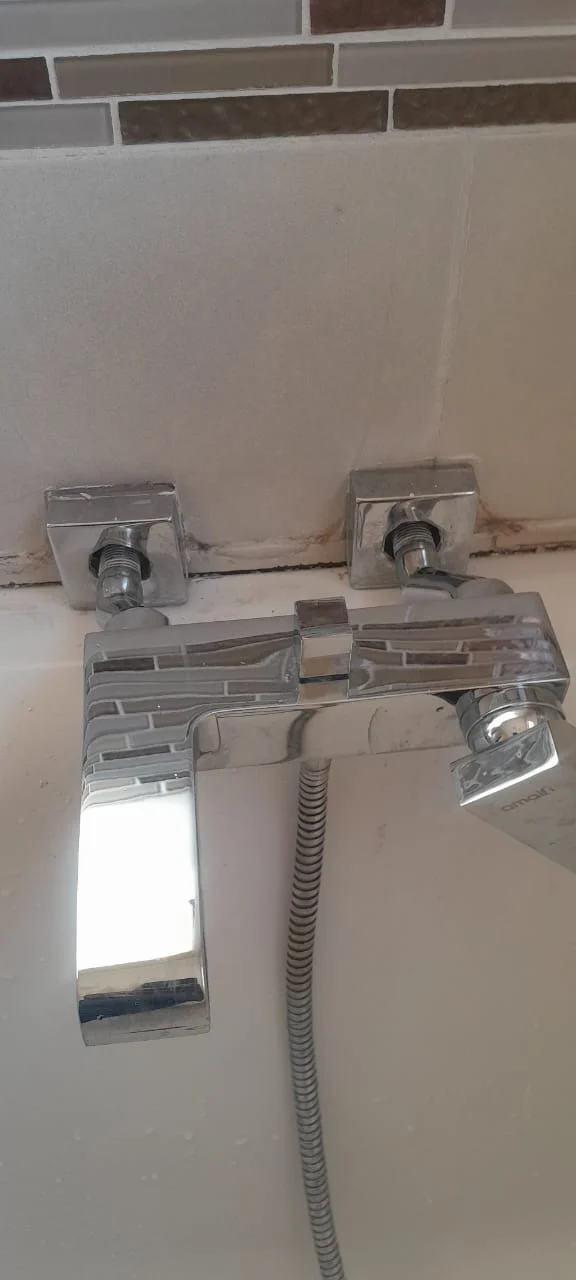
Water connections, valves and accessible pipe joints are useful details to include in a plumbing enquiry. Describe whether the concern is a visible leak, reduced flow or a new connection so the assessment can address the right fitting.
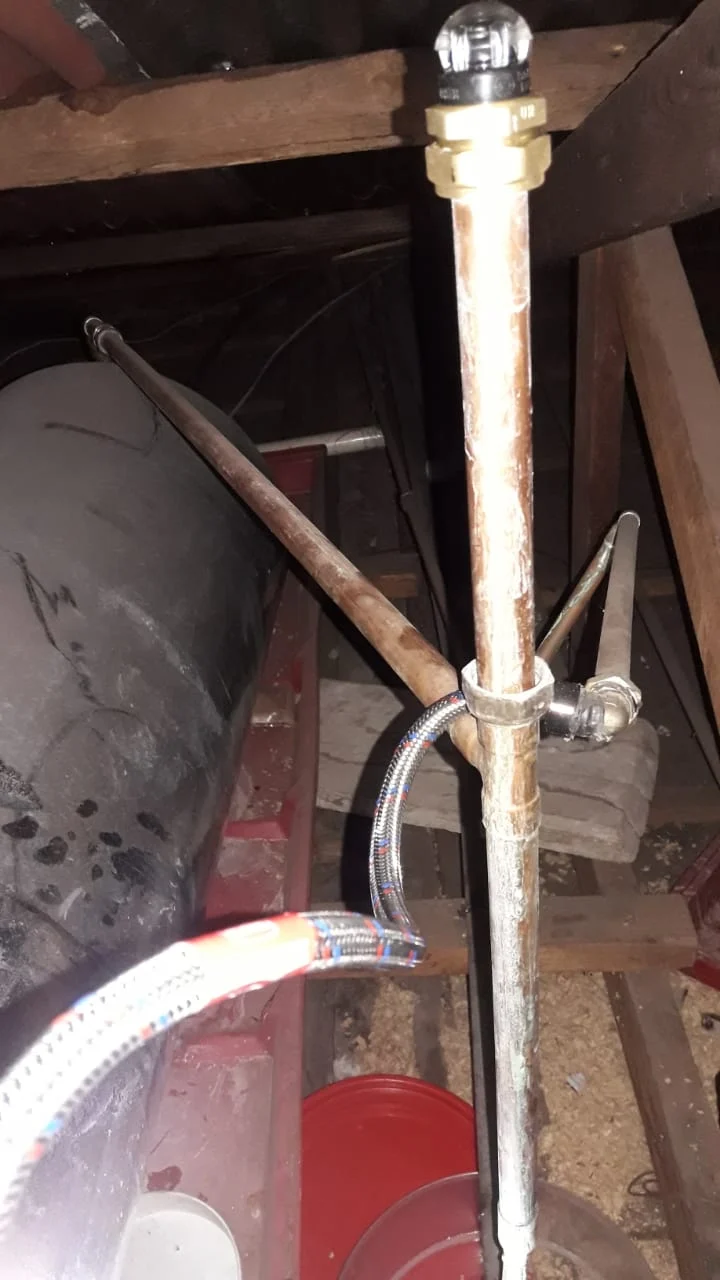
A hot water service assessment should include accessible water connections and the surrounding installation space. Report where water is visible and whether heating or supply has changed so the enquiry can be directed appropriately.
The correct solution for industrial water, drainage and process pipework varies according to age, condition, layout and use. We explain the findings, define the work required and obtain approval before proceeding with the agreed repair or installation.
Repair Options for the Industrial Plumbing Installation is important because downtime, leaks, restricted flow or unreliable plant services can develop quickly when wear, corrosion, vibration, pressure fluctuations or inadequate maintenance. We check the relevant components and explain what the findings mean before recommending the next step.
In practice, when component replacement is more reliable involves reviewing the system, operational demands, isolation points and the condition of critical pipework. This prevents unnecessary replacement and helps ensure the proposed work addresses the actual source of the fault.
Where repair is suitable, the work may involve planning repairs, replacements or maintenance around operational and safety requirements. All accessible connections are checked and the system is tested before it is returned to normal use.
Delaying attention can lead to production losses, safety incidents and costly equipment or building damage. Early action usually limits secondary damage, improves access to the fault and gives the customer more practical repair choices.
For factories, warehouses, workshops and manufacturing facilities, confirming the work before work begins must account for usage, access and the condition of existing services. We select compatible materials and avoid changes that could place unnecessary strain on other parts of the installation.
Our approach to industrial plumbing combines careful diagnosis with clear communication. The aim is to restore dependable operation while protecting surrounding finishes, limiting water loss and reducing the likelihood of repeat faults.
Our Step-by-Step Industrial Plumbing Process is important because downtime, leaks, restricted flow or unreliable plant services can develop quickly when wear, corrosion, vibration, pressure fluctuations or inadequate maintenance. We check the relevant components and explain what the findings mean before recommending the next step.
In practice, isolating water and securing the work area involves reviewing the system, operational demands, isolation points and the condition of critical pipework. This prevents unnecessary replacement and helps ensure the proposed work addresses the actual source of the fault.
Where repair is suitable, the work may involve planning repairs, replacements or maintenance around operational and safety requirements. All accessible connections are checked and the system is tested before it is returned to normal use.
Delaying attention can lead to production losses, safety incidents and costly equipment or building damage. Early action usually limits secondary damage, improves access to the fault and gives the customer more practical repair choices.
For factories, warehouses, workshops and manufacturing facilities, cleaning the area and explaining the result must account for usage, access and the condition of existing services. We select compatible materials and avoid changes that could place unnecessary strain on other parts of the installation.
Reliable plumbing work should solve the immediate problem and improve confidence in the system. For factories, warehouses, workshops and manufacturing facilities, we consider both the present fault and the conditions that may affect long-term performance.
Protecting the Industrial Plumbing Installation From Repeat Problems is important because downtime, leaks, restricted flow or unreliable plant services can develop quickly when wear, corrosion, vibration, pressure fluctuations or inadequate maintenance. We check the relevant components and explain what the findings mean before recommending the next step.
In practice, routine checks that reduce future faults involves reviewing the system, operational demands, isolation points and the condition of critical pipework. This prevents unnecessary replacement and helps ensure the proposed work addresses the actual source of the fault.
Where repair is suitable, the work may involve planning repairs, replacements or maintenance around operational and safety requirements. All accessible connections are checked and the system is tested before it is returned to normal use.
Delaying attention can lead to production losses, safety incidents and costly equipment or building damage. Early action usually limits secondary damage, improves access to the fault and gives the customer more practical repair choices.
For factories, warehouses, workshops and manufacturing facilities, keeping valves and connections accessible must account for usage, access and the condition of existing services. We select compatible materials and avoid changes that could place unnecessary strain on other parts of the installation.
Contact our industrial plumbing team for system faults, maintenance, alterations or new installations. We assess site conditions, operational requirements and the technical work before preparing a clear quotation.
Identify which water line, fixture or process is affected and whether the problem interrupts operations. Record pressure changes, leaks and any alarms already shown.
Don’t bypass safety controls, operate unfamiliar valves or enter restricted plant areas. Follow the site’s isolation and access procedures.
Alert the responsible facilities person and keep people clear of the affected area. Have available pipe layouts, maintenance notes and earlier repair information ready.
Tell us the site address, affected equipment, operating constraints and required access arrangements. Mention whether the line can be isolated without stopping other essential services.
We agree access, isolation and the proposed repair with the responsible person. The quotation and testing plan reflect the site requirements before the work proceeds.
Before you book industrial plumbers, explore trusted advice on symptoms, prevention, and when DIY stops being safe. Our guides explain what matters so you can call with confidence.
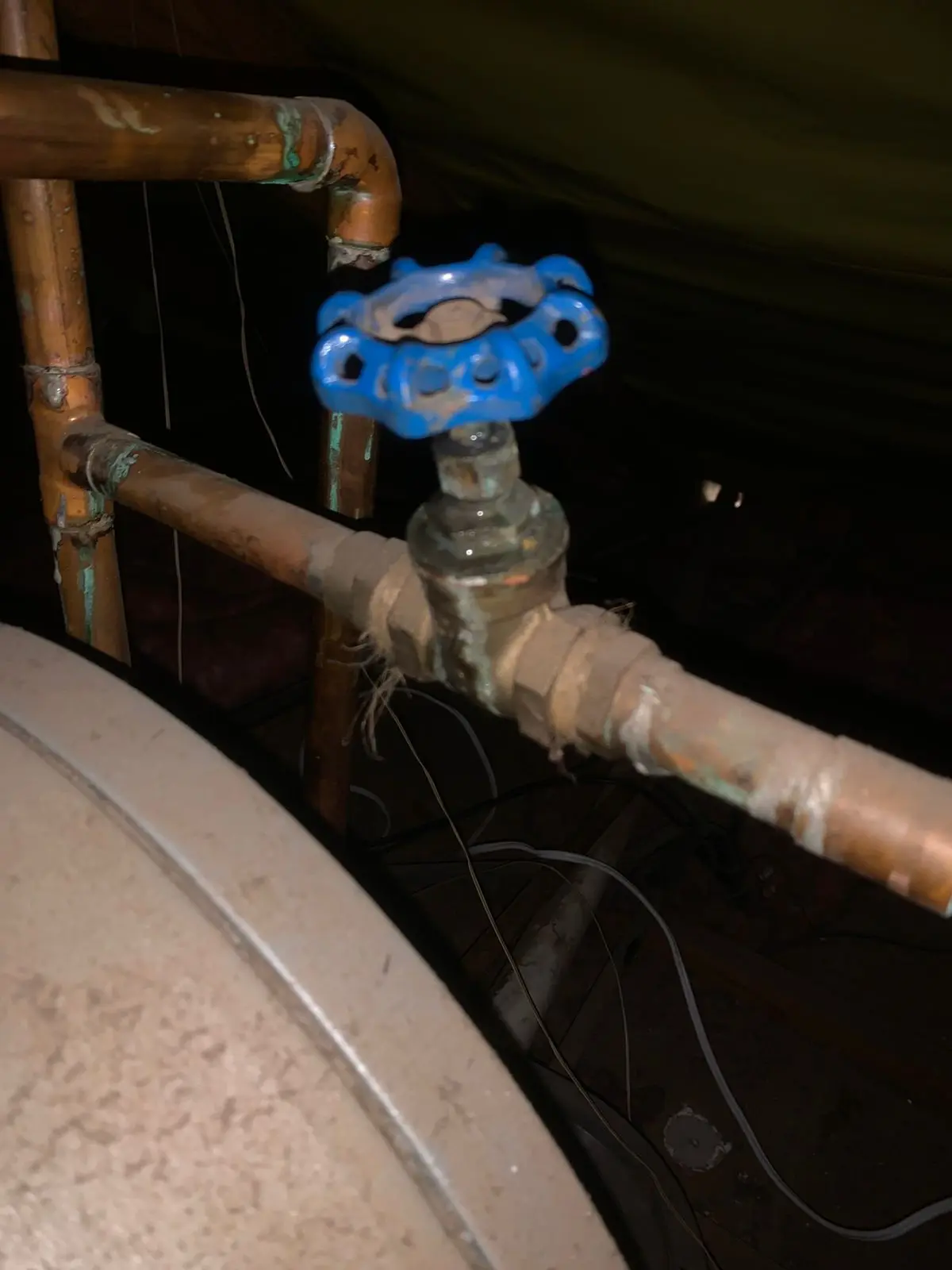
When it comes to maintaining your home, plumbing is often overlooked—until something goes wrong. While most homeowners regularly check their roofs,…
Read guide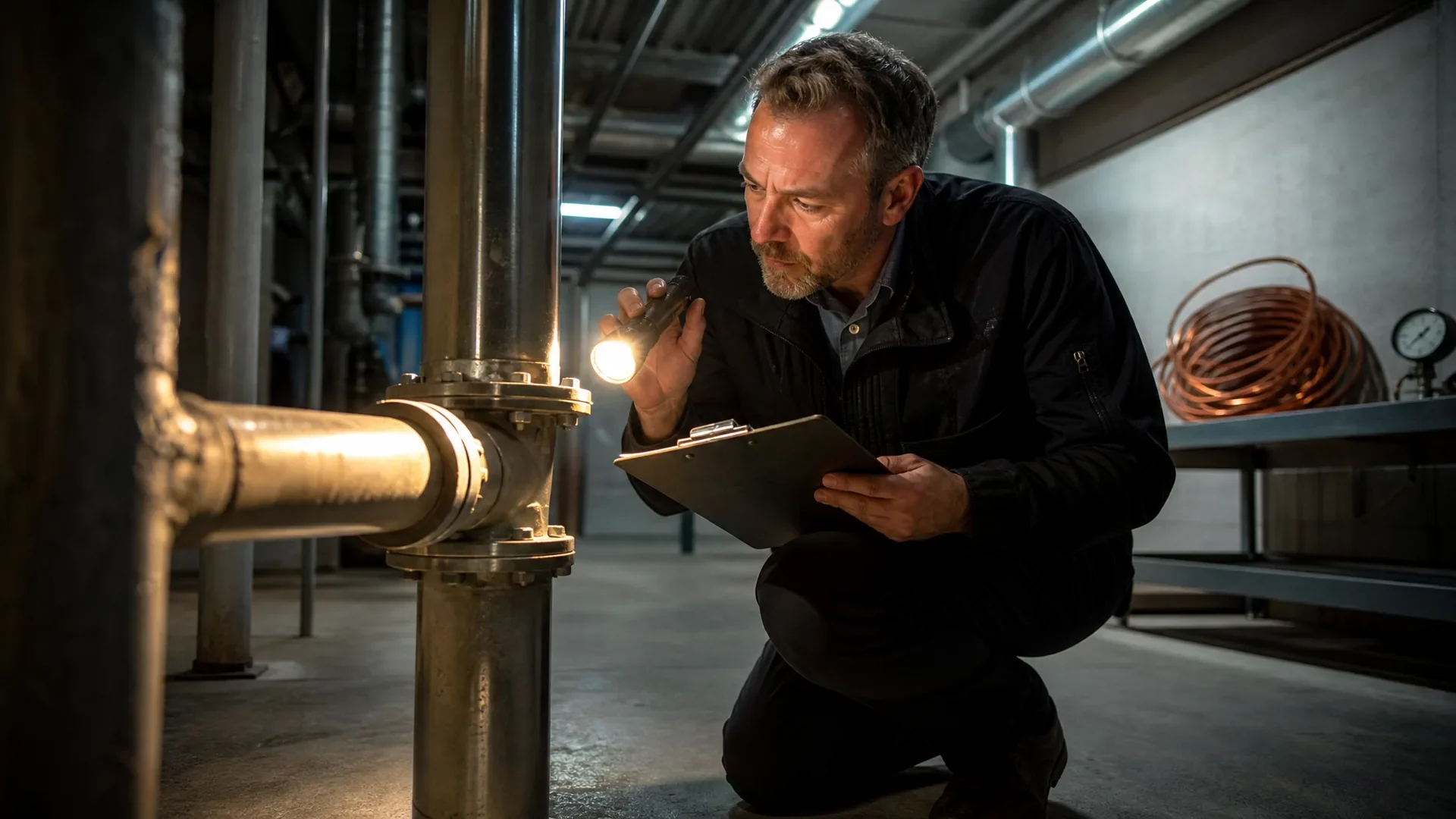
Learn how commercial plumbing maintenance contracts protect your property. Compare coverage tiers and response times to find the right plan.
Read guide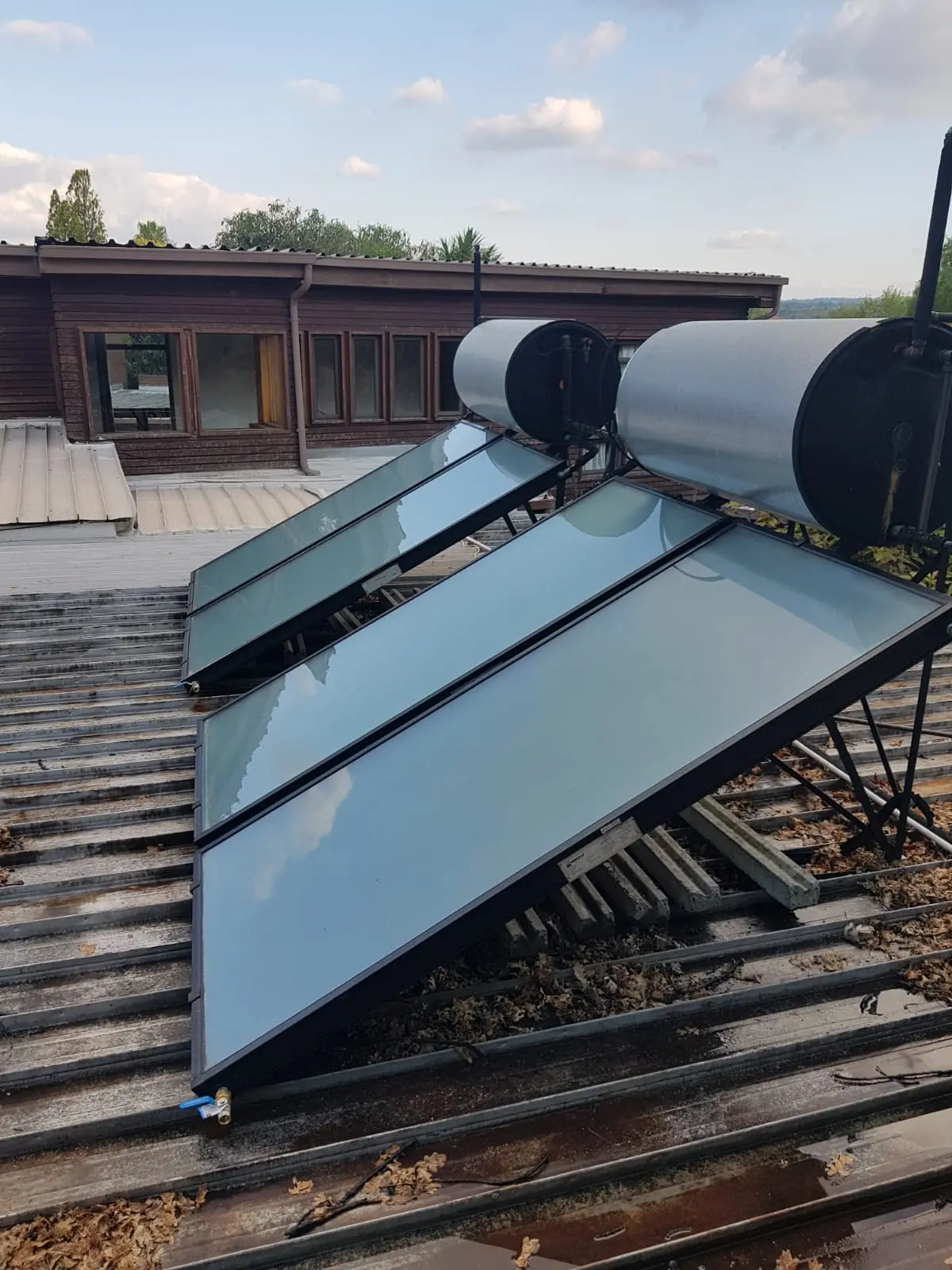
Plumbing permit requirements South Africa explained: when permits are required, municipal processes, COC certificates, costs, and penalties for non-compliance.
Read guide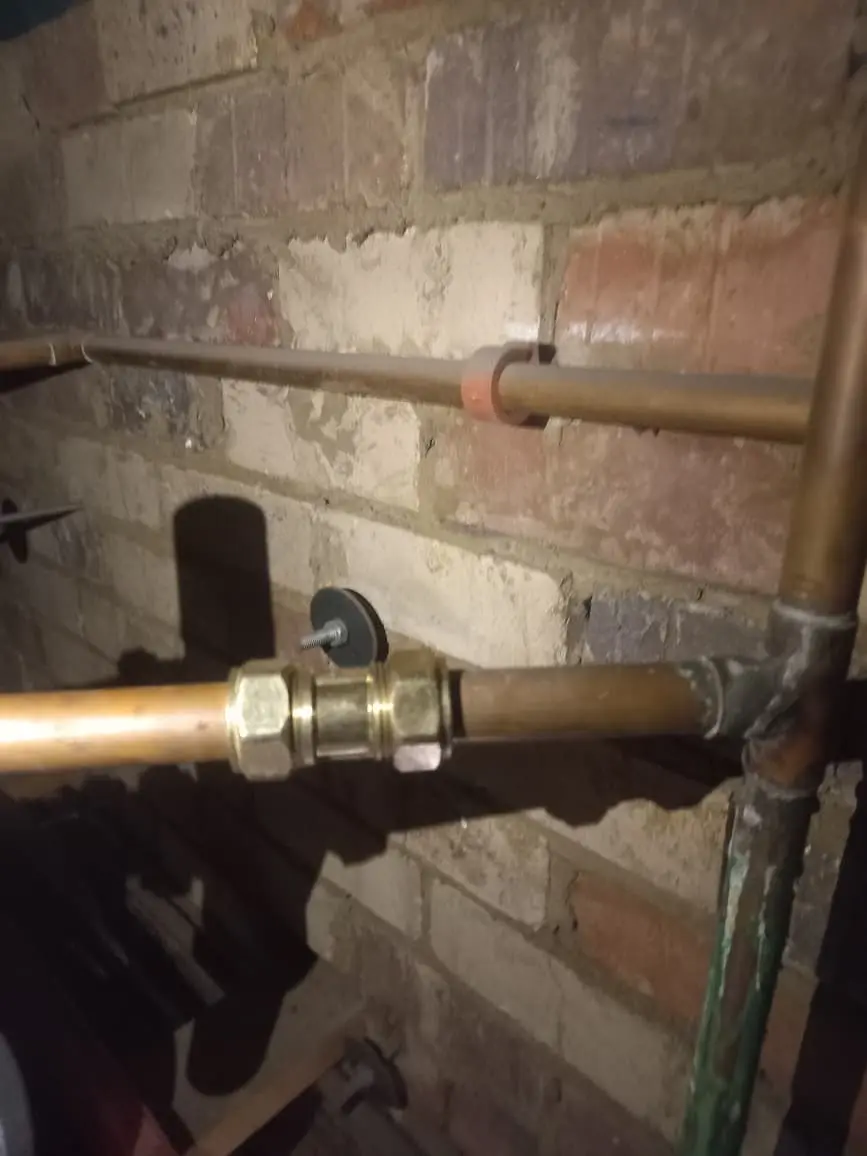
How to find a reliable plumber in South Africa with a practical checklist. Learn PIRB registration, credentials to check, and red flags to avoid.
Read guide