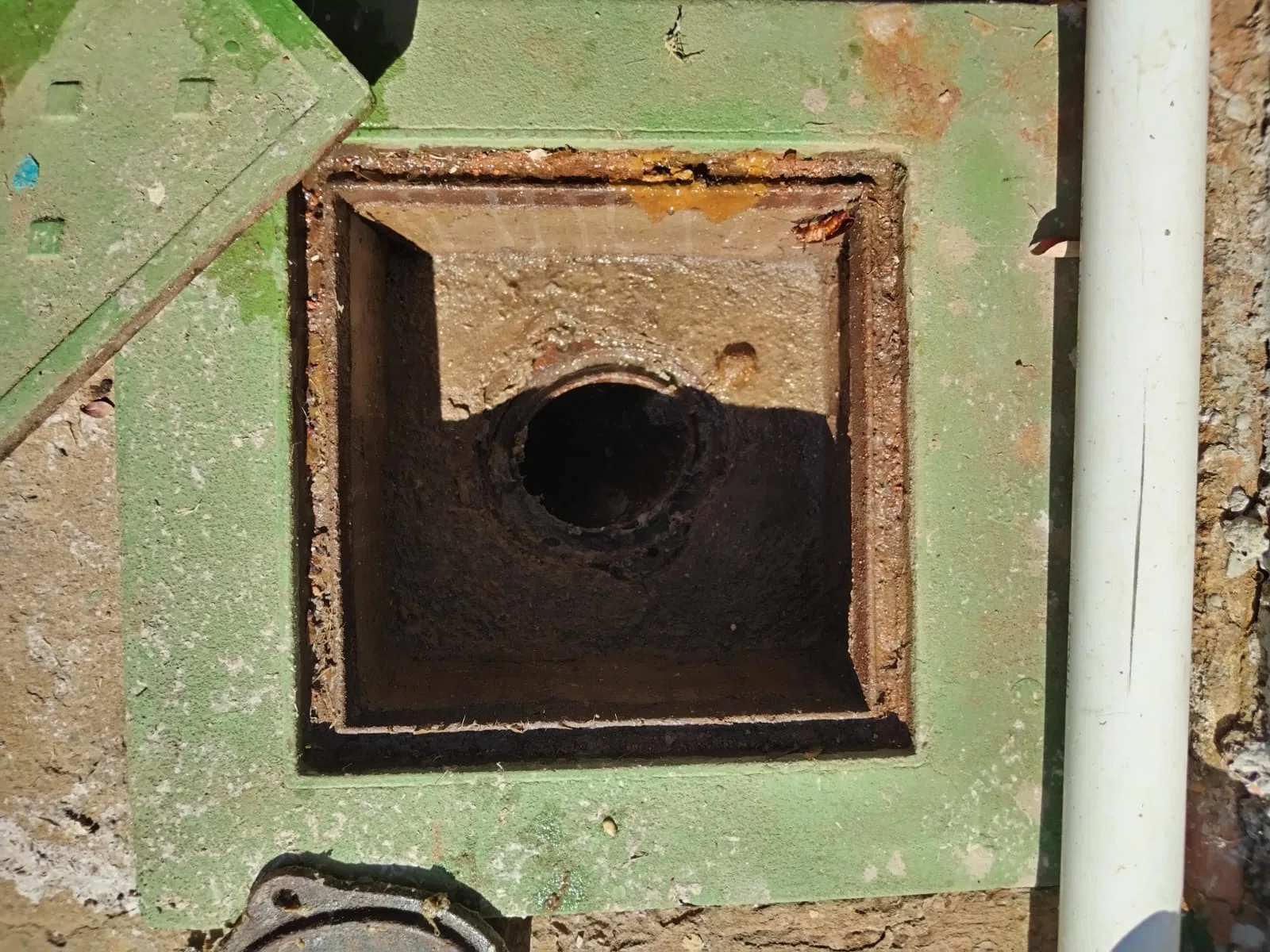
There is no single drain-cleaning method that suits every blockage. A soft obstruction close to a fixture, a root-filled sewer and a grease-coated commercial line require different tools. Good drain work begins with understanding the symptoms, access and likely cause.
Start here
Opening a small passage through a blockage is not always the same as cleaning the pipe. A drain may flow temporarily while heavy deposits remain on the walls and cause another blockage soon afterwards.
How to recognise the problem
- One fixture is slow or completely blocked.
- Several fixtures gurgle or back up together.
- Outside drains overflow during use.
- A blockage returns after previous clearing.
- Bad odours remain after flow is restored.
Common causes
- Local hair, soap or food debris.
- Grease coating inside the pipe.
- Foreign objects.
- Tree roots.
- Scale, silt or mineral deposits.
- Collapsed or displaced pipe sections.
What you can safely check yourself
- Use a suitable plunger on a simple fixture blockage.
- Remove accessible strainers and visible debris.
- Check whether nearby fixtures are also affected.
- Stop using the line if wastewater is overflowing.
What you should never do
- Do not combine chemicals with mechanical tools.
- Do not use excessive force that may damage traps or fittings.
- Do not jet a pipe without suitable equipment and control.
- Do not assume a cleared line is structurally sound.
When to call a plumber
Professional cleaning is appropriate when the blockage is deep, recurring, connected to toilets or sewers, or causing overflow. It is also recommended when the pipe material or layout is uncertain.
How we can help
Plumbers may use plunging, hand augers, powered snakes, root cutters, hydro jetting, vacuum recovery and CCTV inspection. The chosen method depends on pipe size, material, access, obstruction type and structural condition.
Reducing the chance of another problem
- Keep foreign objects and grease out of drains.
- Clean strainers and traps before deposits move deeper.
- Maintain outdoor drains.
- Use scheduled cleaning where commercial usage is heavy.
- Investigate recurring problems with a camera.
Frequently asked questions
Is hydro jetting always better than a drain snake?
No. Jetting cleans pipe walls well, while snakes can be more suitable for certain local obstructions or fragile conditions.
Should a camera inspection happen before cleaning?
Sometimes. If the line is fully blocked, flow may need to be restored first. A camera is particularly useful after clearing recurrent blockages.
How do plumbers know the drain is clean?
They test flow, observe the discharge and may use a camera to confirm the condition where appropriate.
Questions about drain cleaning methods?
Send details about drain cleaning methods and our team will recommend the most appropriate service.