When drain camera inspection is needed, the first priority is to understand the exact symptom, protect the property and choose a repair that addresses the cause rather than disguising it. We provide clear guidance, practical workmanship and testing before the job is treated as complete. Related professional help is available through Blocked Drain Cleaning.
A drain camera can show roots, damaged joints and other visible problems inside an accessible line. We explain what the footage shows, any limits to the inspection and whether clearing or pipe repair is the useful next step.
A camera shows what is inside a reachable section of pipe. Clearing the obstruction and repairing pipe damage are separate steps that can be quoted once the findings are clear.
Can a drain camera go through a completely blocked line?
A blockage or standing water can limit what the camera sees. The team may need to clear the line or find a different access point before it can inspect the affected section.
What should I ask for after the camera inspection?
Ask which section was inspected, what the camera could reach and where any defect was seen. That helps you compare options for clearing, a local repair or replacement.
Why does my drain block again after it’s cleared?
A returning blockage can come from roots, a damaged pipe, or debris farther down the run. Tell us how soon it returned and which outlets back up so we can plan the next inspection.
Is the blockage in one fixture or the main drain?
If only one outlet is slow, the restriction may be close to that fixture. If several outlets gurgle or back up together, we check the shared line.
◴
Fast ResponseHelp when it matters most.
24
Available 24/7Day or night, we’re ready.
◇
Trusted ApproachClear, honest and professional.
SERVICE-SPECIFIC SUPPORT
Drain Video Camera Inspections
Need dependable help with video camera pipe and drain inspections? We combine local response with careful testing — leaks traced, drains cleared, geysers repaired, and installations completed to code. Call our emergency line or book a free assessment online.
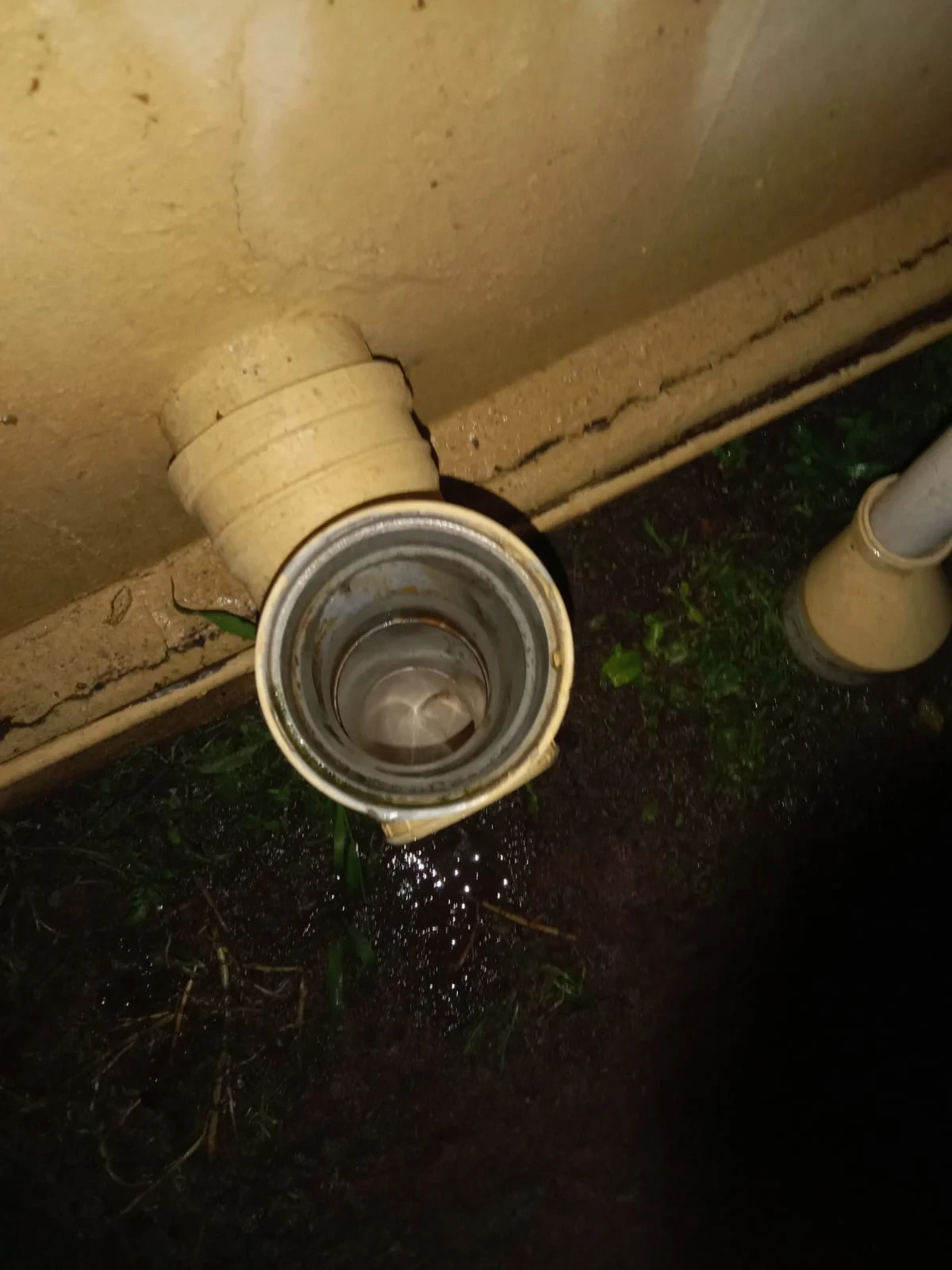
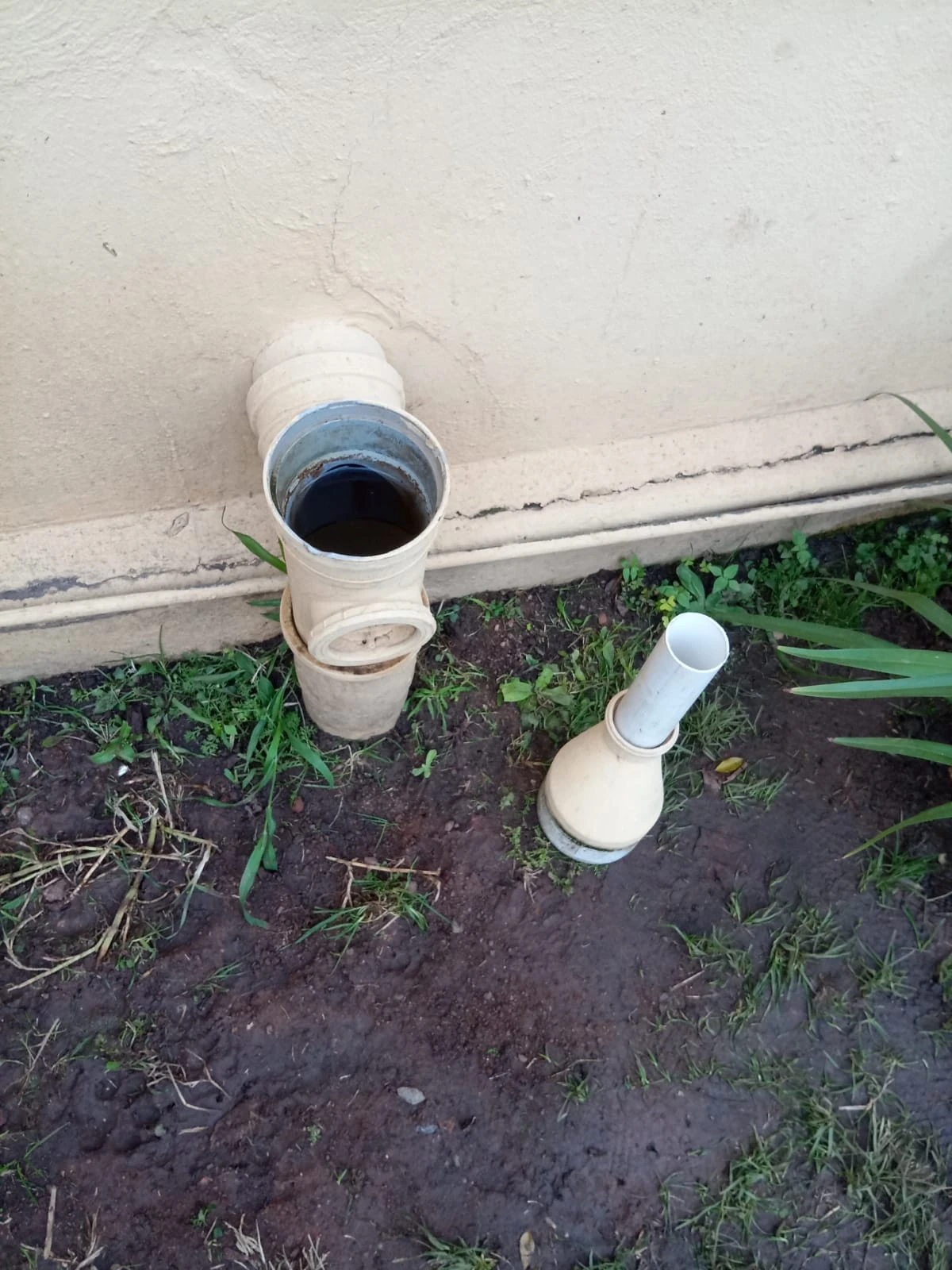
We opened this drain connection to reach the line during drainage work. For a camera inspection, the entry point must let the camera travel towards the affected section; a sharp bend or the wrong branch can stop it short. We check the available access before deciding how to inspect the run.
From locating a drain fault to repairing the affected section
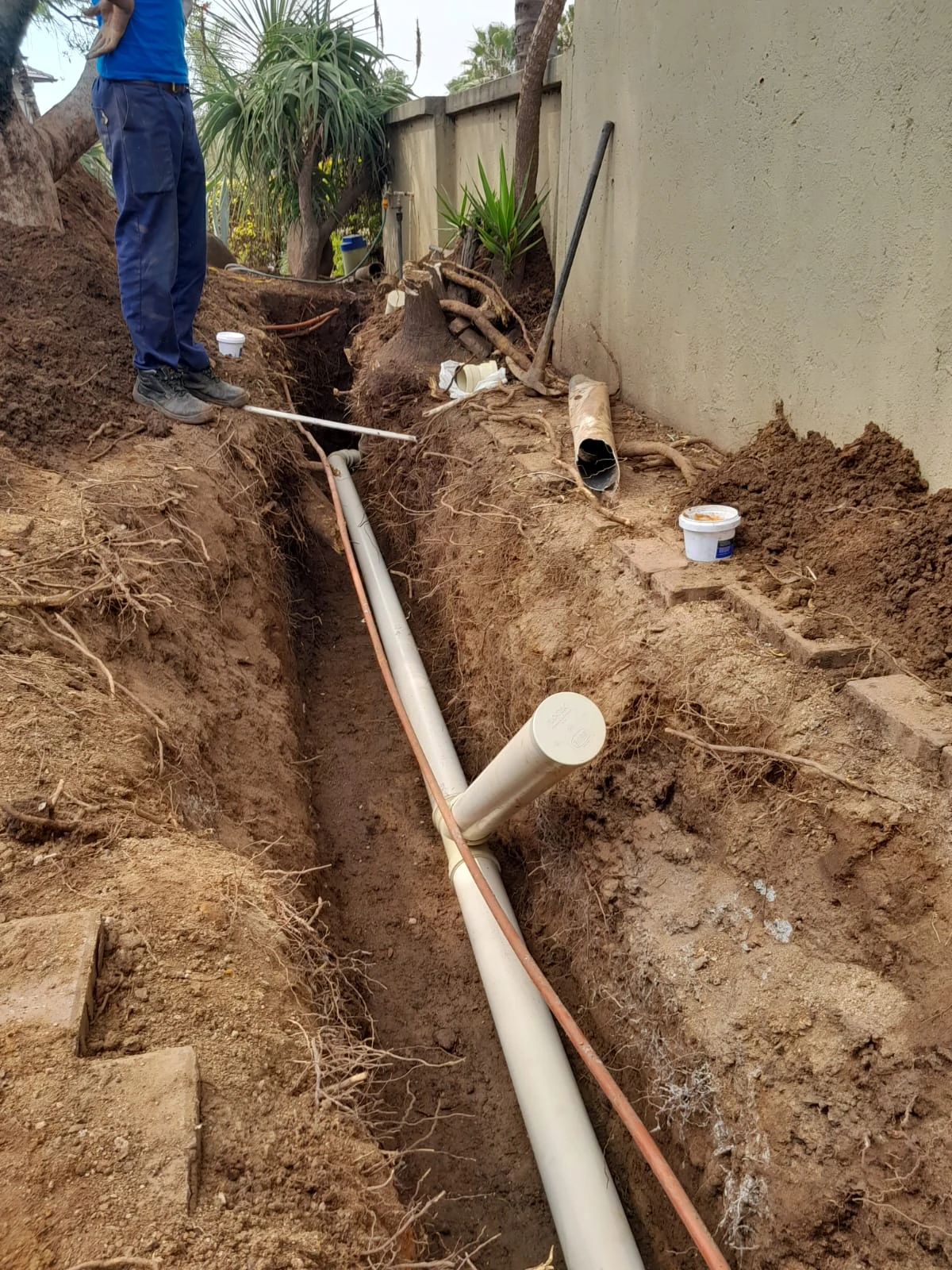
We repaired this sewer line with the pipe route exposed in a trench. A drain inspection helps separate a blockage that can be cleared from damaged pipework that needs opening up. Where excavation is required, we explain the affected section, access and making good before extending the job.
Drain camera set up to inspect the pipe
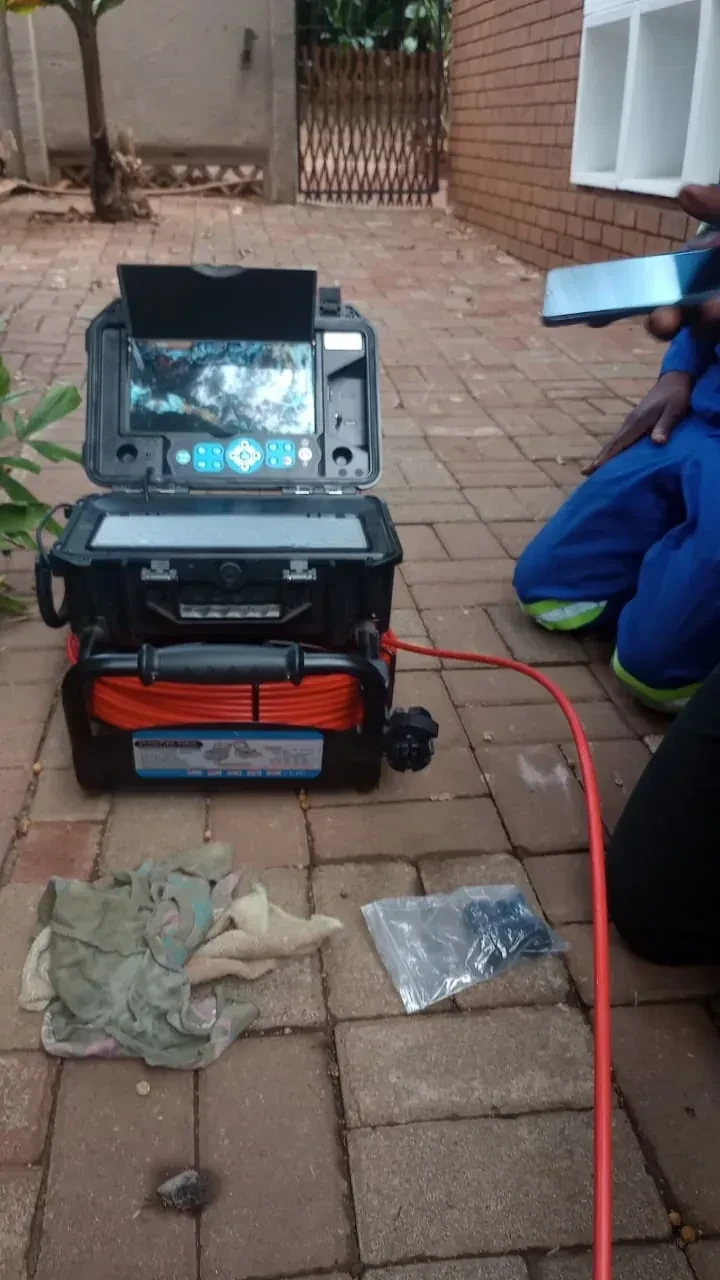
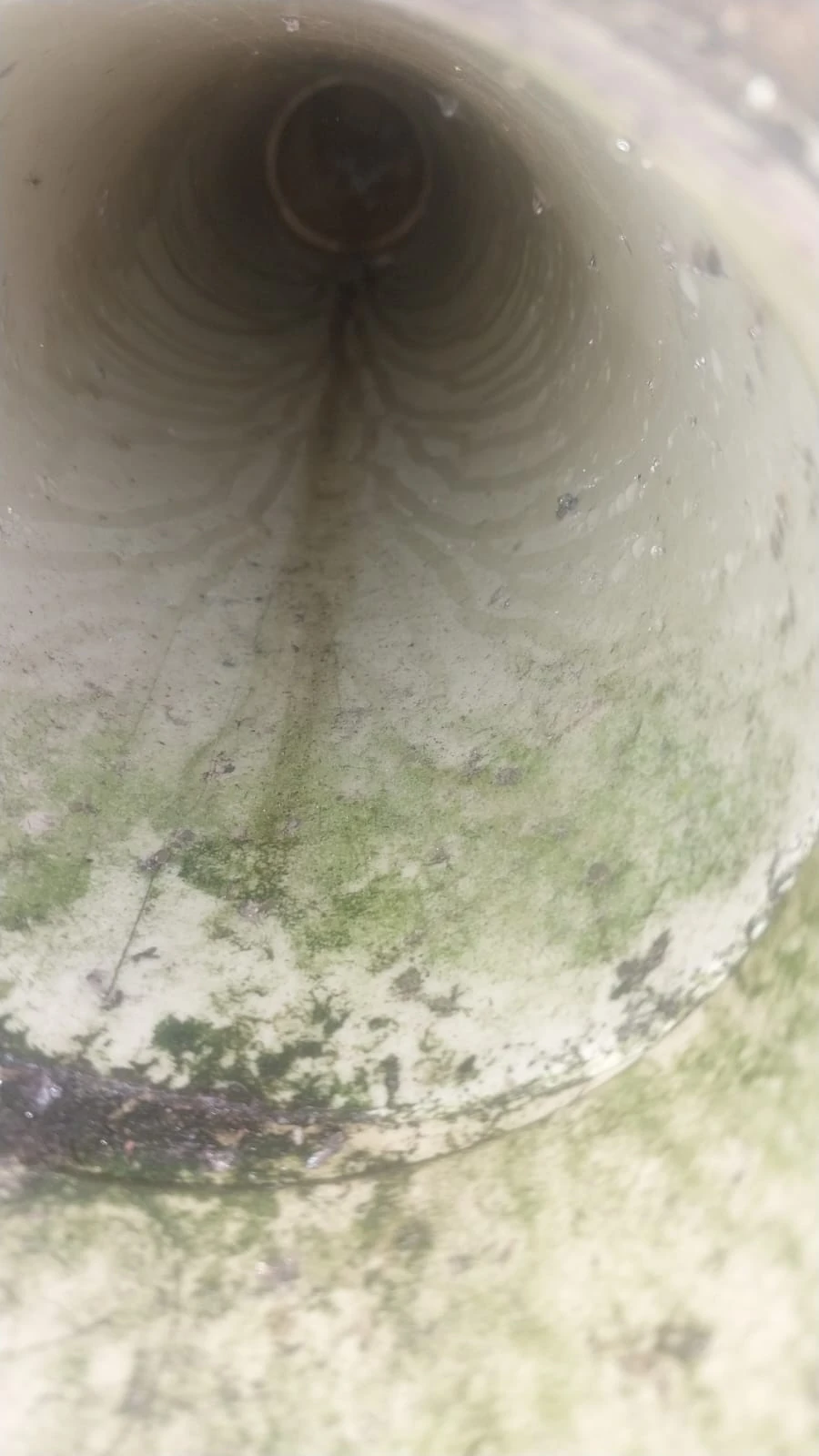
We set up the drain camera at a suitable access point and advance the camera head along the accessible pipe. The monitor lets us examine the line and explain the findings. Where an obstruction or bend stops progress, we discuss the clearing or access needed to continue the inspection.
URGENT PROBLEM?
Do not wait while damage is increasing
If water is actively escaping, drainage is rising, electrical components are wet or the problem is damaging ceilings, walls or floors, isolate the water or power only where it is safe to do so and request urgent assistance. For more background, read Why is Timely Drain Cleaning Very Important for Homeowners?.
ReviewReview the blockage history and identify the best access point.
02
CleanClean the line sufficiently for a useful camera view.
03
AdvanceAdvance the camera while recording important observations.
04
LocateLocate defects and explain what the footage shows.
A PRACTICAL START
Understanding the problem
A clear diagnosis prevents repeated repairs and unnecessary damage. With drain camera inspection, several faults can create similar symptoms, so a careful inspection is more valuable than replacing the first component that appears suspicious. For more background, read Why drain cleaning helps you stay healthy.
Start with what you can see
Tell us when the problem started, whether it is constant or intermittent, and whether it affects one fixture or the wider system. Details such as blockages that return soon after clearing or slow drainage affecting several fixtures help us prepare for the likely fault. For more background, read Why Annual Plumbing Inspections Are Important.
Photos and short videos can be useful, especially where roof access, damp areas or hidden pipe routes are involved. They do not replace an inspection, but they help establish urgency and likely access requirements. Related professional help is available through Hidden Pipe Leaks.
Protect the property first
Where safe, stop using the affected fixture or system until the cause is known. With drain camera inspection, continued use can turn a manageable repair into wider damage, higher water loss or repeated disruption. Related professional help is available through Grease in Your Drain: Clearing and Preventing Blockages.
Do not dismantle pressurised, electrical or roof-level components without the correct knowledge. Safe isolation is useful; uncontrolled opening or temporary sealing can conceal evidence and make the final repair harder. Related professional help is available through Emergency Leaking Pipe Repair.
Expect a cause-based recommendation
The aim is not simply to make the symptom disappear for a day. We consider the failed component, the condition of surrounding parts, access, previous work and the likelihood of recurrence before recommending a repair.
Customers receive an explanation of what was found and what the proposed work is intended to achieve. Where more than one option is practical, the differences should be clear before approval.
Following the bathroom waste pipe to the outside gully
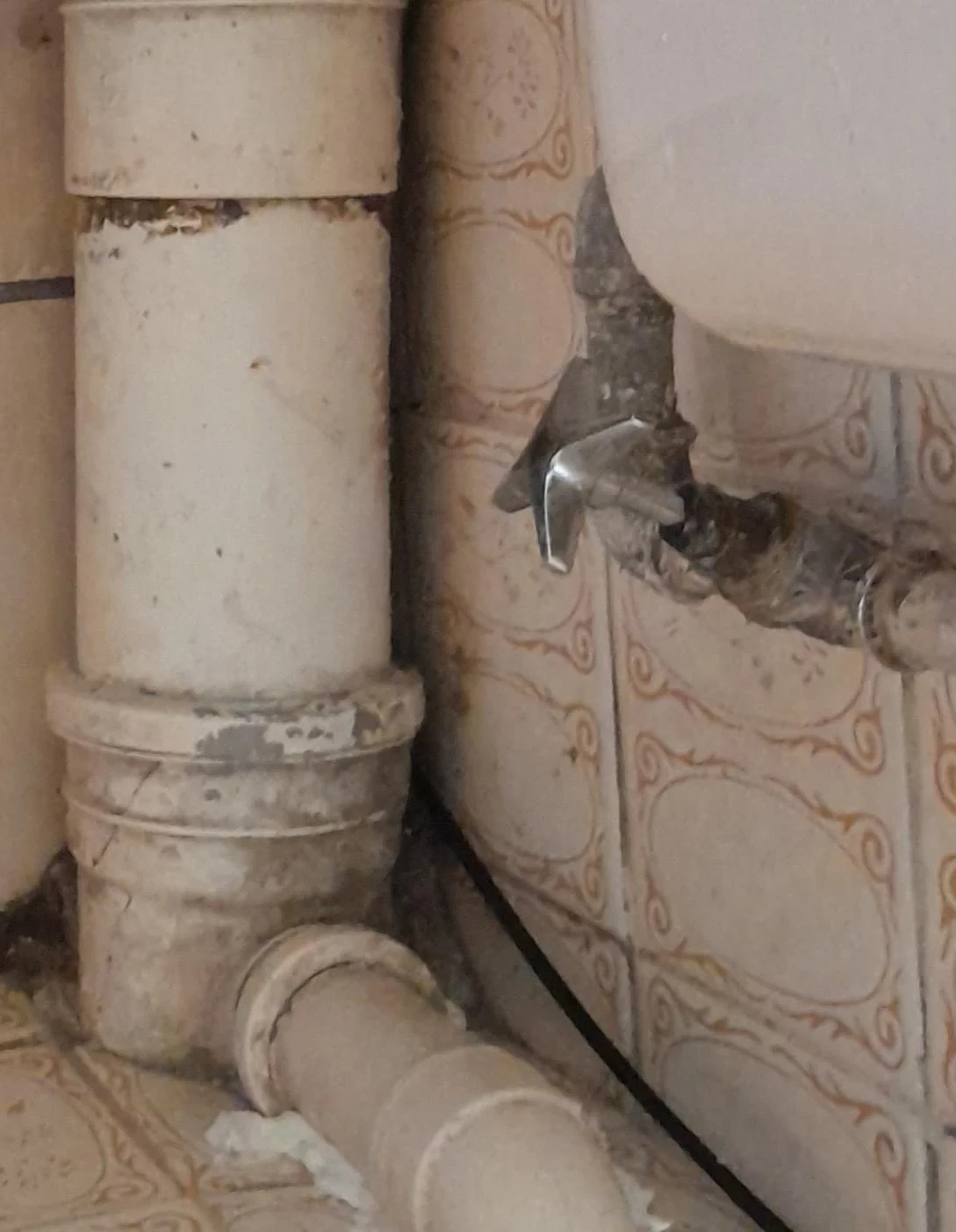
We worked on the drainage at this outside gully. Following the waste pipe from the fixture helps establish whether the restriction is in a small branch or farther along the shared drain. That distinction matters when deciding where clearing or camera access will be useful.
Opening an inspection chamber to reach the sewer run
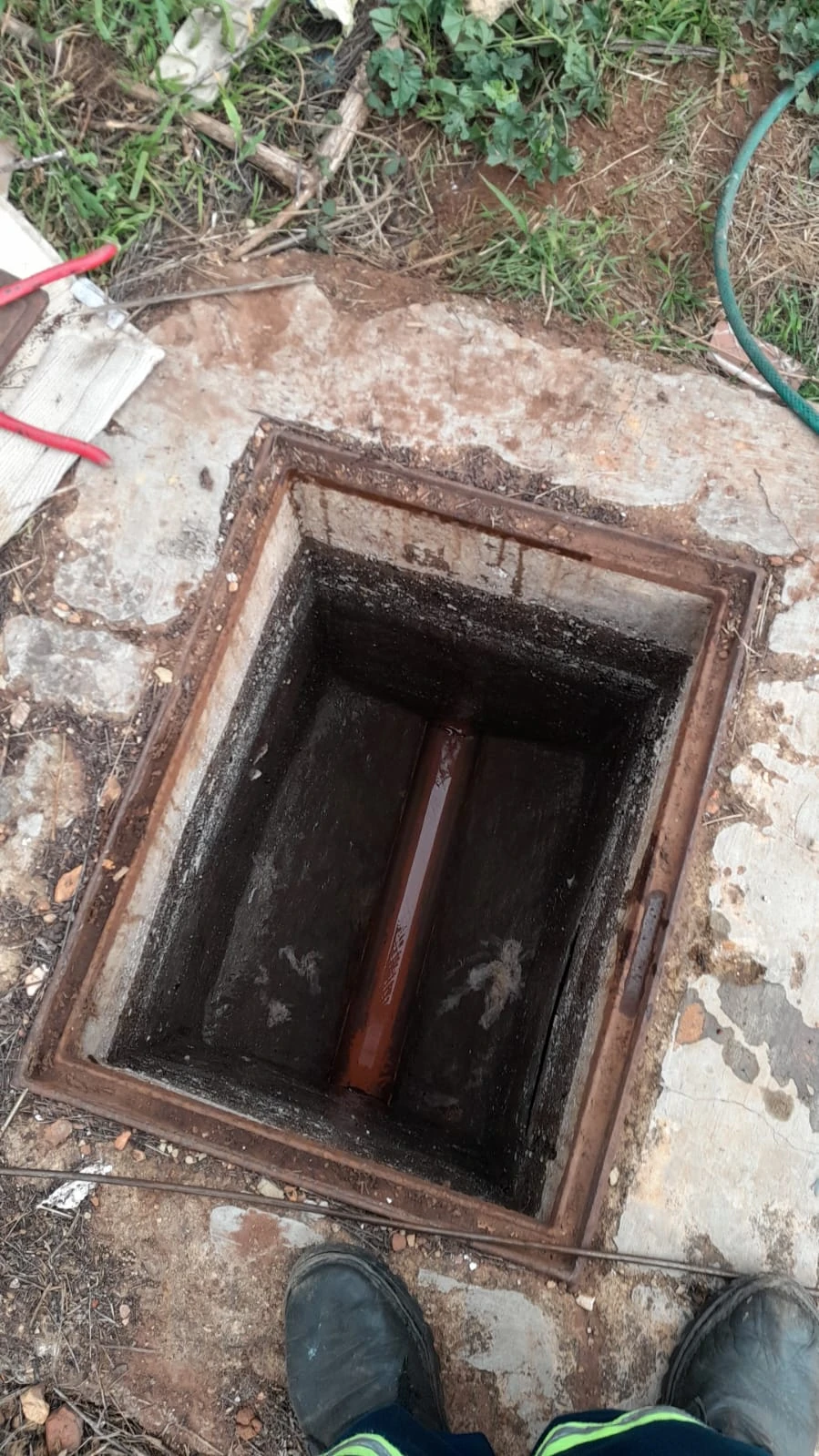
We opened this inspection chamber during sewer work. A chamber can provide access to the main drain without removing a toilet or opening a floor, depending on the pipe layout. We inspect the available channels and choose the direction that reaches the reported problem.
EARLY WARNING SIGNS
Signs that should not be ignored
Early symptoms often reveal the fault before the damage becomes more expensive. Acting early can reduce water loss, protect finishes and keep the repair work smaller.
Blockages that return after clearing
Blockages that return soon after clearing should be investigated when it persists or returns. It may indicate a local component failure, a restricted route, pressure imbalance or deterioration elsewhere in the system.
Also note slow drainage affecting several fixtures. The combination of symptoms often tells us more than either symptom alone and helps separate an isolated fault from a wider system problem.
Suspected roots or damaged pipe joints
Suspected roots, collapse or displaced pipe joints should be investigated when it persists or returns. It may indicate a local component failure, a restricted route, pressure imbalance or deterioration elsewhere in the system.
Also note unexplained sewer smells or wet ground near a drain route. The combination of symptoms often tells us more than either symptom alone and helps separate an isolated fault from a wider system problem.
Drain checks before excavation or renovation
A need to understand the drain before excavation or renovation should be investigated when it persists or returns. It may indicate a local component failure, a restricted route, pressure imbalance or deterioration elsewhere in the system.
Record when the symptom occurs and whether weather, water use or time of day changes it.
Removing debris before inspecting a blocked drain
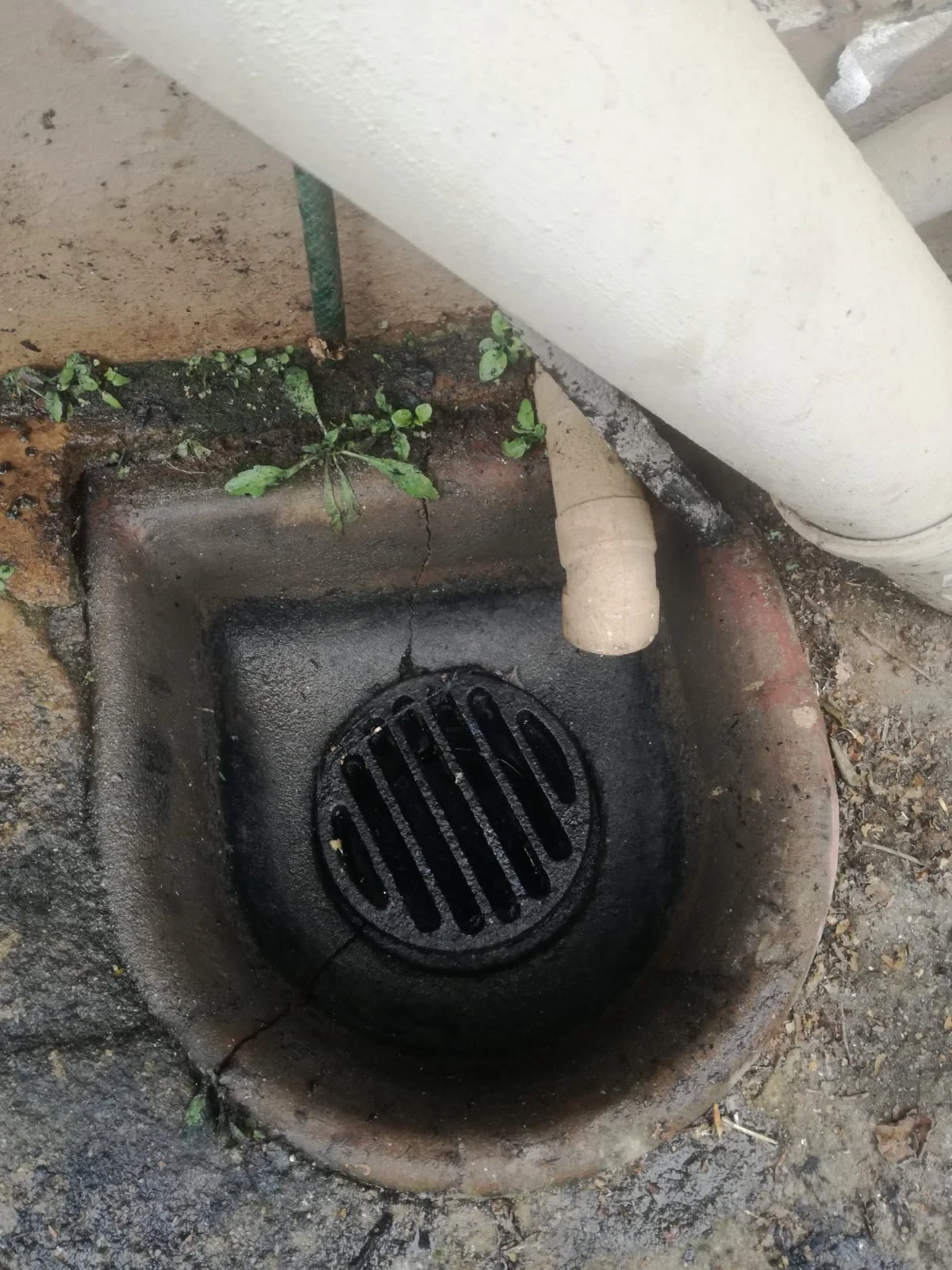
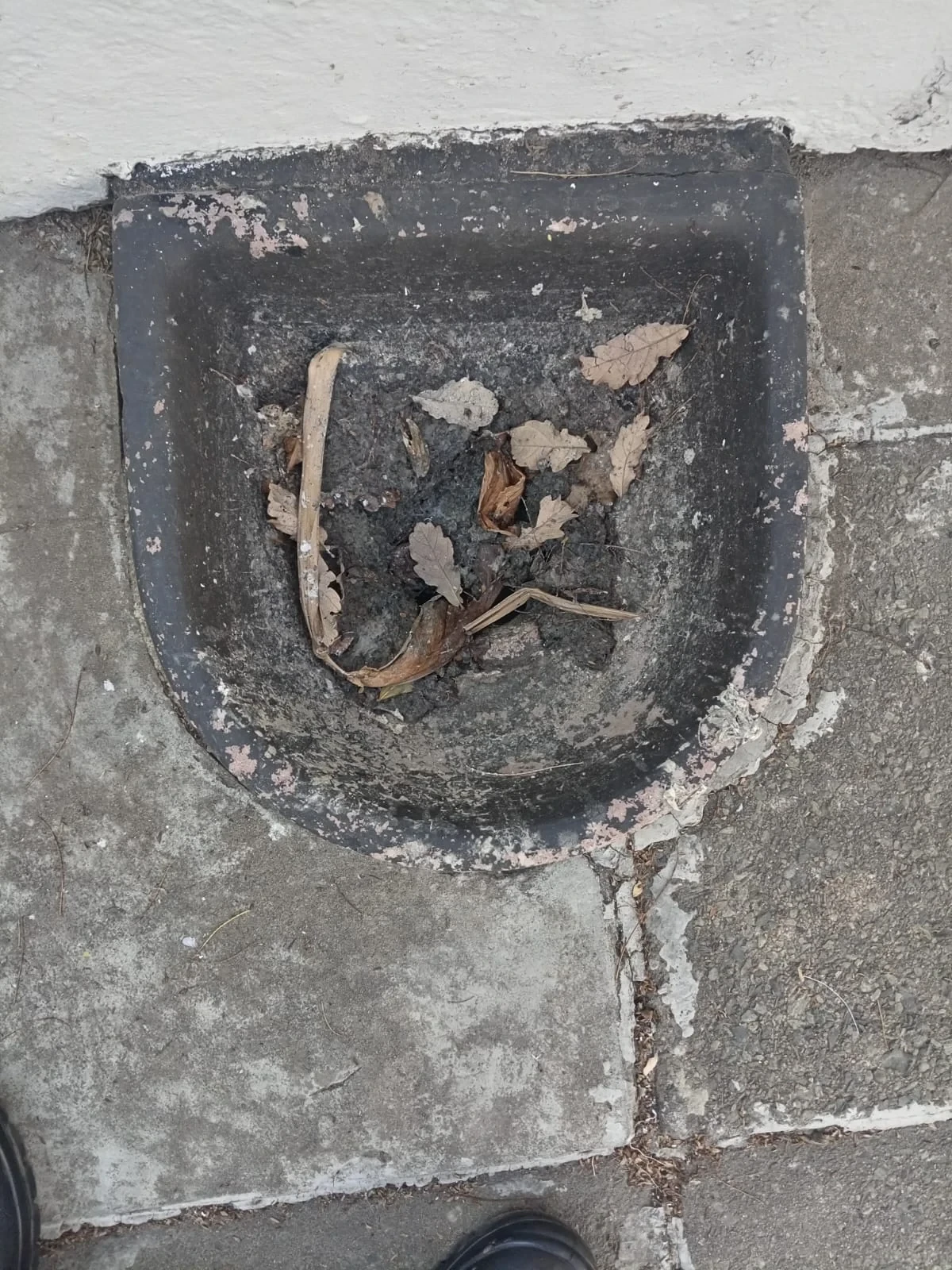
We dealt with the debris at this gully opening as part of the drainage work. Material at the entrance needs removing before we can judge what is happening farther down the line. If the drain still backs up after the local obstruction is cleared, we investigate the downstream run instead of stopping at the surface.
Checking the outlet after drain clearing
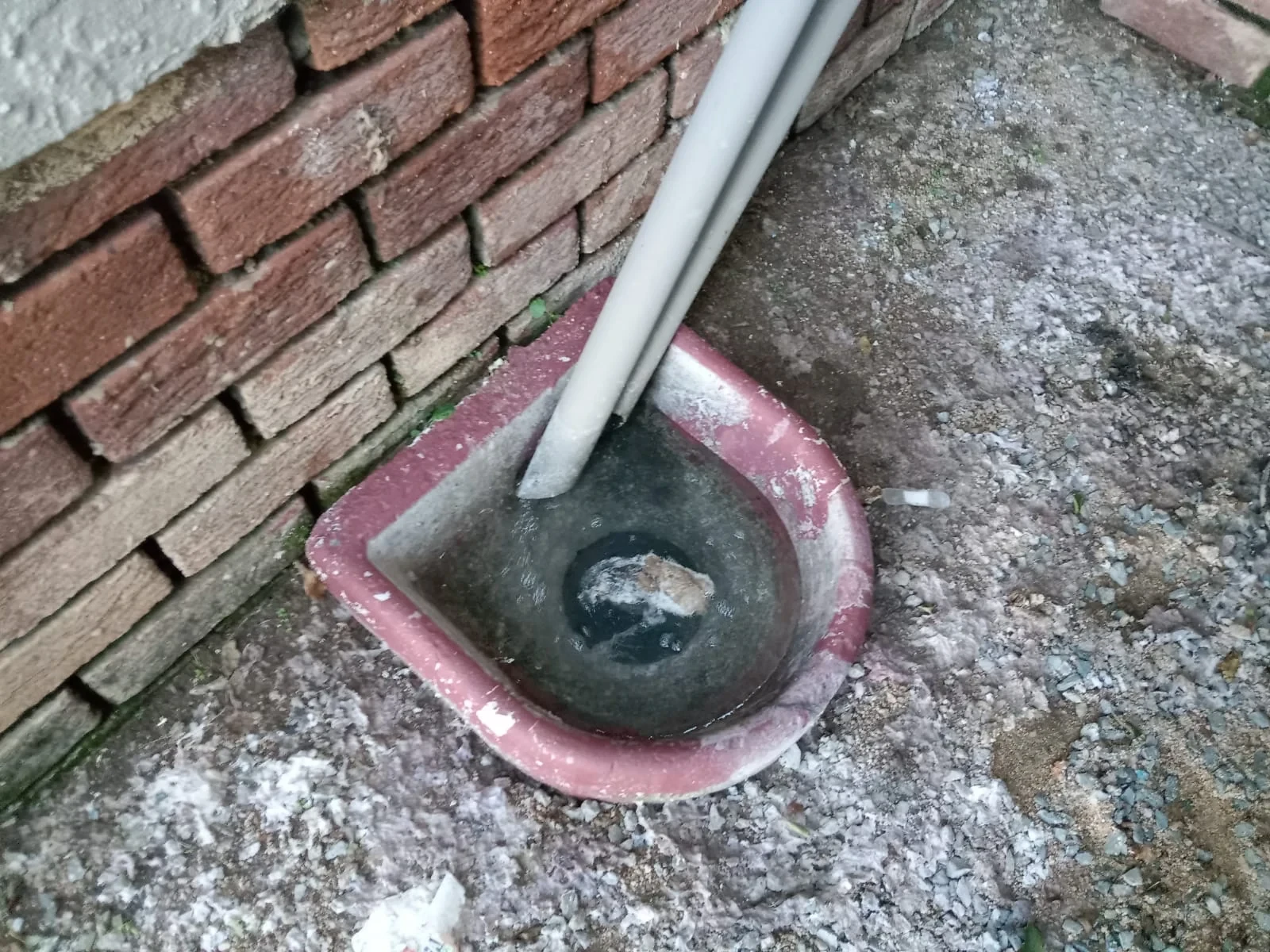
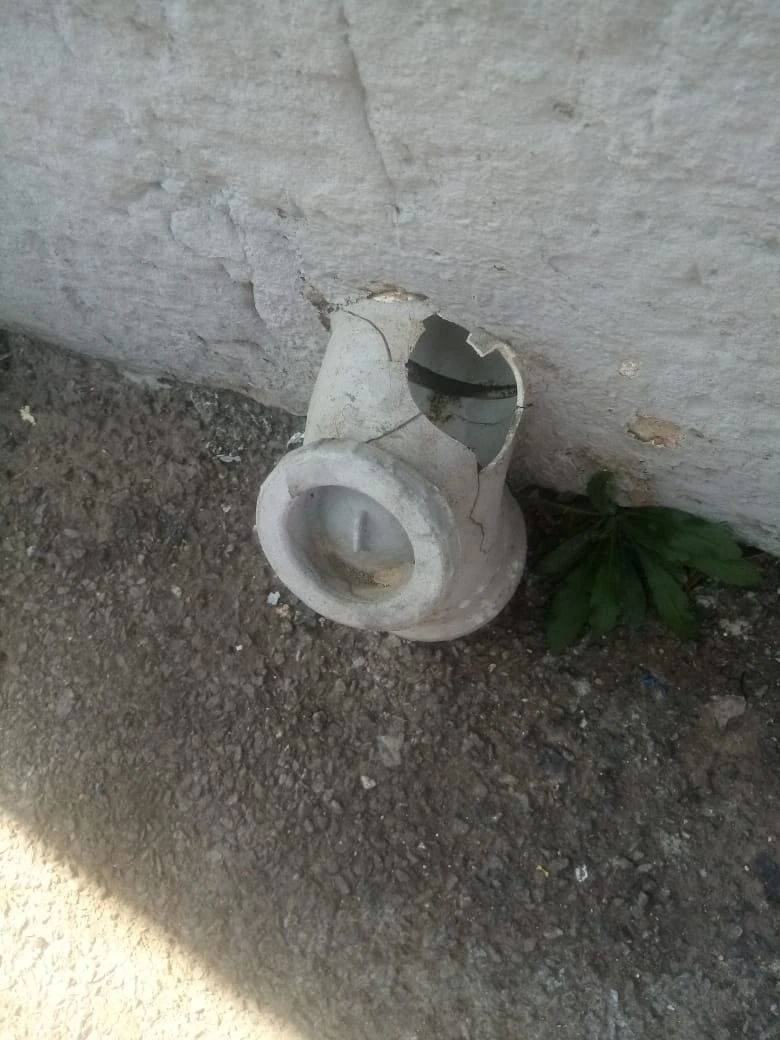
We worked on this waste-pipe outlet and gully connection. After clearing a restriction, we run water through the connected fixture and watch how the gully drains. A brief drop in water level is not enough if the same outlet fills again when the fixture is used.
WHY IT HAPPENS
Common causes
The visible symptom is not always the true source of the problem. A proper assessment considers both the failed part and the conditions that caused it to fail.
Root Intrusion Through Damaged Joints
Root intrusion through damaged joints can create unreliable performance, leaks or repeated call-outs if only the visible symptom is treated.
During drain camera inspection, we check how this cause relates to surrounding components, access and previous work so the recommendation is proportionate to the actual condition.
Collapsed, Cracked Or Deformed Underground Pipework
Collapsed, cracked or deformed underground pipework can create unreliable performance, leaks or repeated call-outs if only the visible symptom is treated.
During drain camera inspection, we check how this cause relates to surrounding components, access and previous work so the recommendation is proportionate to the actual condition.
Foreign Objects Or Heavy Deposits Inside The Line
Foreign objects or heavy deposits inside the line can create unreliable performance, leaks or repeated call-outs if only the visible symptom is treated.
During drain camera inspection, we check how this cause relates to surrounding components, access and previous work so the recommendation is proportionate to the actual condition.
Incorrect Falls, Offsets Or Poorly Completed Alterations
Incorrect falls, offsets or poorly completed alterations can create unreliable performance, leaks or repeated call-outs if only the visible symptom is treated.
During drain camera inspection, we check how this cause relates to surrounding components, access and previous work so the recommendation is proportionate to the actual condition.
Hidden Junctions And Routes That Cannot Be Confirmed Visually
Hidden junctions and routes that cannot be confirmed visually can create unreliable performance, leaks or repeated call-outs if only the visible symptom is treated.
During drain camera inspection, we check how this cause relates to surrounding components, access and previous work so the recommendation is proportionate to the actual condition.
Root blockage removed from the drain
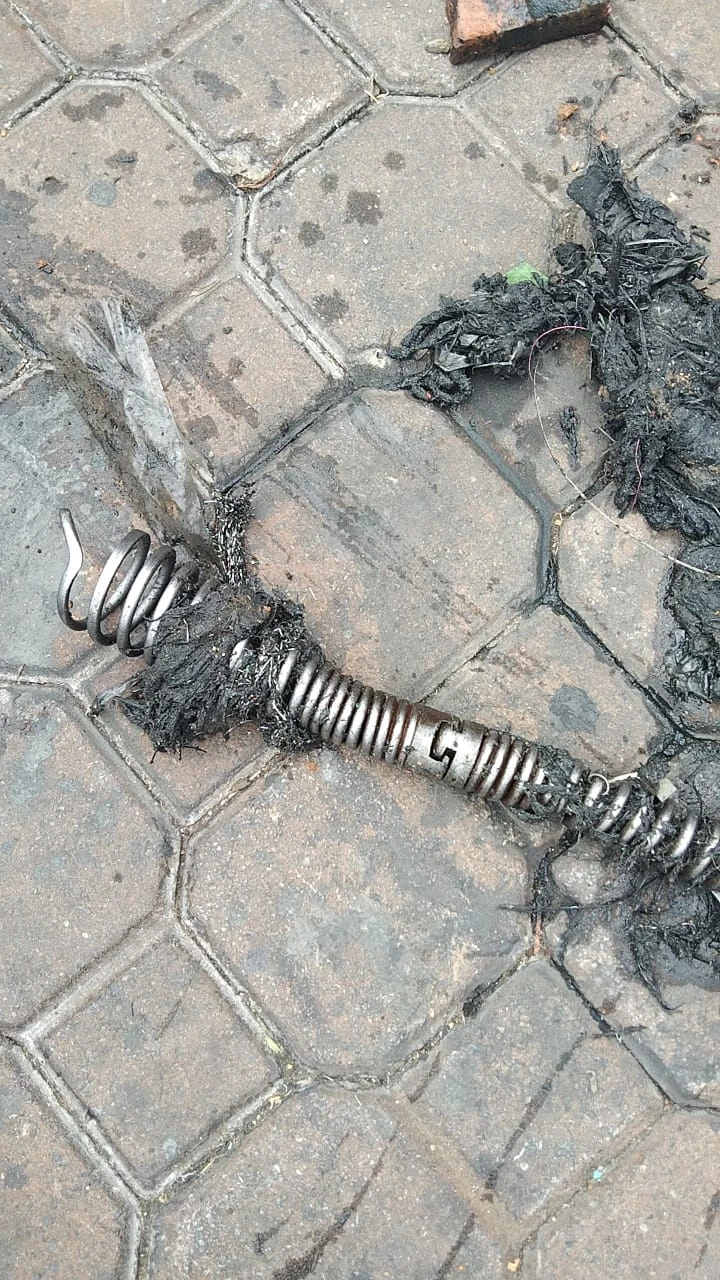
We removed this root and debris blockage from the drain. Clearing restores an opening, but roots can return through a damaged joint or crack. Camera inspection can help us identify where they are entering and explain whether targeted pipe repair is needed to address the recurring problem.
Gully opened to reach the waste connection
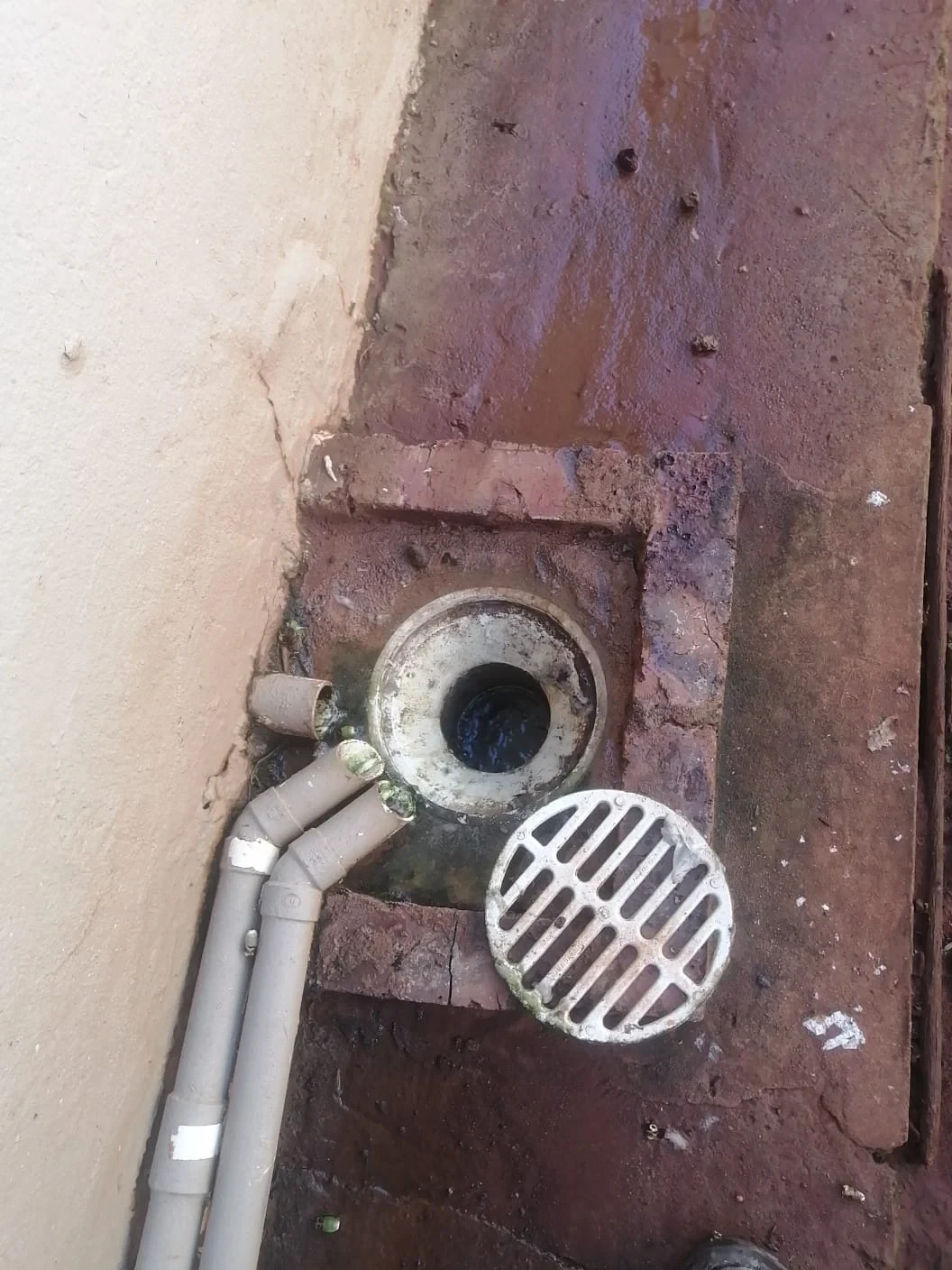
We removed this gully grate to reach and clear the waste connection. Small fixture branches and the main sewer do not always accept the same camera or clearing equipment. We check the pipe size, bends and route so the proposed inspection is suited to the line we need to examine.
FROM INSPECTION TO HANDOVER
Our inspection and repair process
A structured process keeps the work understandable and controlled. The sequence may change for emergencies, but the principles remain the same.
Review the drain history and choose an entry point
Tell us which fixtures back up, how often the drain blocks and what earlier clearing achieved. We use that history and the accessible chambers or inspection openings to choose where to enter the line.
Clear enough of the line to see the pipe
Standing wastewater, grease and loose debris can hide the pipe wall. Where needed, we clear the obstruction first so the inspection can examine the line instead of stopping at the first pool of dirty water.
Advance the camera and examine the pipe
We move the camera along the accessible run and examine joints, bends and changes in the pipe. If an obstruction stops progress, we explain the limit of the inspection and what access or clearing would be needed to continue.
Explain the defect and narrow the repair location
We explain the visible finding, such as root entry, a displaced joint or a damaged section. Where suitable locating equipment and site conditions allow, we can help mark the position so the proposed opening is based on the drain route.
Agree on the next step from the findings
A clearable obstruction, a damaged connection and a collapsed run require different work. We explain the practical options and quote for the recommended repair before proceeding; the completed work is checked for drainage and leaks.
MAKING A SOUND DECISION
Repair or replacement decisions
The best choice depends on condition, access, reliability and long-term value. A low-cost repair is valuable when it restores dependable operation; repeated patching is not economical when the wider system is already failing.
When repair is usually sensible
Repair is often appropriate when the fault is isolated, access is reasonable and the surrounding installation remains serviceable. Examples include a failed valve, seal, fitting, mechanism or short damaged section.
For drain camera inspection, a successful repair should restore the intended function and leave no unresolved safety or leakage concern. The repaired area must be tested rather than accepted on appearance alone.
When broader replacement may be wiser
Replacement may be recommended where components are severely corroded, repeatedly failing, incorrectly installed or no longer compatible with dependable repair. Access costs can also influence whether a broader solution offers better value.
The recommendation should distinguish urgent work from optional improvement. Customers should understand what must be repaired now, what may be monitored, and what could be planned for later.
Long-term value is more than the first price
The cheapest immediate option can become expensive when it causes repeated visits, water damage or poor performance. We consider expected reliability, material suitability and the effect on connected components.
A well-planned drain camera inspection job aims to reduce recurrence, protect the property and leave the customer with clear information about future maintenance.
BEFORE THE PLUMBER ARRIVES
What customers can do before arrival
A few safe actions can reduce damage without complicating the repair. Safety comes first, and no customer should take risks on a wet roof, near live electricity or around pressurised hot water.
Limit water useStop using the affected fixture or system where continued use makes the symptom worse.Request practical help ›
Isolate safelyClose a known isolation valve or switch off relevant power only when it is safe and clearly identified.Request practical help ›
Protect belongingsMove furniture, appliances and valuables away from damp or overflowing areas.Request practical help ›
Send useful detailsProvide the suburb, access instructions, symptom history and clear photos where possible.Request practical help ›
QUALITY THAT CAN BE CHECKED
Why professional workmanship matters
Correct materials, testing and completion protect the property after the repair. Good workmanship includes preparation, correct materials, neat routing or sealing, controlled testing and a clear completion.
Correct diagnosis
The repair must match the cause, not only the most obvious symptom.
For drain camera inspection, this discipline helps prevent avoidable callbacks and gives the customer a stronger basis for maintaining the system after the repair.
Suitable materials
Components and fittings should be appropriate for pressure, temperature, exposure and the existing installation.
For drain camera inspection, this discipline helps prevent avoidable callbacks and gives the customer a stronger basis for maintaining the system after the repair.
Careful testing
The repaired system should be checked under realistic operating conditions before completion.
For drain camera inspection, this discipline helps prevent avoidable callbacks and gives the customer a stronger basis for maintaining the system after the repair.
Clear communication
Customers should understand what failed, what was repaired and what warning signs to monitor.
For drain camera inspection, this discipline helps prevent avoidable callbacks and gives the customer a stronger basis for maintaining the system after the repair.
Respect for the property
Access, protection, clean-up and reinstatement planning form part of professional service.
For drain camera inspection, this discipline helps prevent avoidable callbacks and gives the customer a stronger basis for maintaining the system after the repair.
For active flooding, sewage exposure, failed isolation or water near electricity, call immediately. For a contained fault in your area, WhatsApp the location, a short description and a photo where practical. The call-out and quotation are free, and repair work only proceeds after the work and price are approved.
Notice which drains block repeatedly and whether earlier clearing restored flow. Tell us about recurring backups, suspected roots or a drain check needed before renovation.
What should I be careful of?
Don’t open chambers, climb into drains or keep using fixtures that are backing up. Tell us about any drain chemicals already used.
Can I do anything useful now?
Keep the route to known drain access points clear. Have earlier inspection footage or a drain plan ready if you have one; leave covers and pipework alone.
What details should I send you?
Tell us where the backup happens, what has been cleared before and whether you need recorded findings or the defect location explained. Mention paved areas and access restrictions.
What happens next?
We check access and whether the line needs clearing before the camera can pass. We explain the visible findings and quote separately for any clearing, repair or replacement recommended.
Helpful plumbing guides
Learn more about Video Camera Pipe and Drain Inspections
Before you book video camera pipe and drain inspections, explore trusted advice on symptoms, prevention, and when DIY stops being safe. Our guides explain what matters so you can call with confidence.
Compare local fixture blockages with restrictions in shared drainage. The affected outlets and the way water backs up help establish where to investigate.
Learn why root clearing and pipe repair can be separate parts of the job. A damaged connection needs attention when it provides a route for roots to return.
Compare drain rods, suitable mechanical clearing and high-pressure jetting. The obstruction, pipe condition and available access determine the appropriate method.