Contact our emergency team
Tell us what has happened, which fixtures are affected and whether water is still flowing. For more background, read Is sewage smell an emergency?.

Call with your address and tell us whether water is flooding, sewage is backing up or a geyser is leaking. We confirm current availability, explain any safe immediate steps and quote for the repair after checking the fault.
Choose Gauteng, Cape Town or Durban for local booking information and area pages.
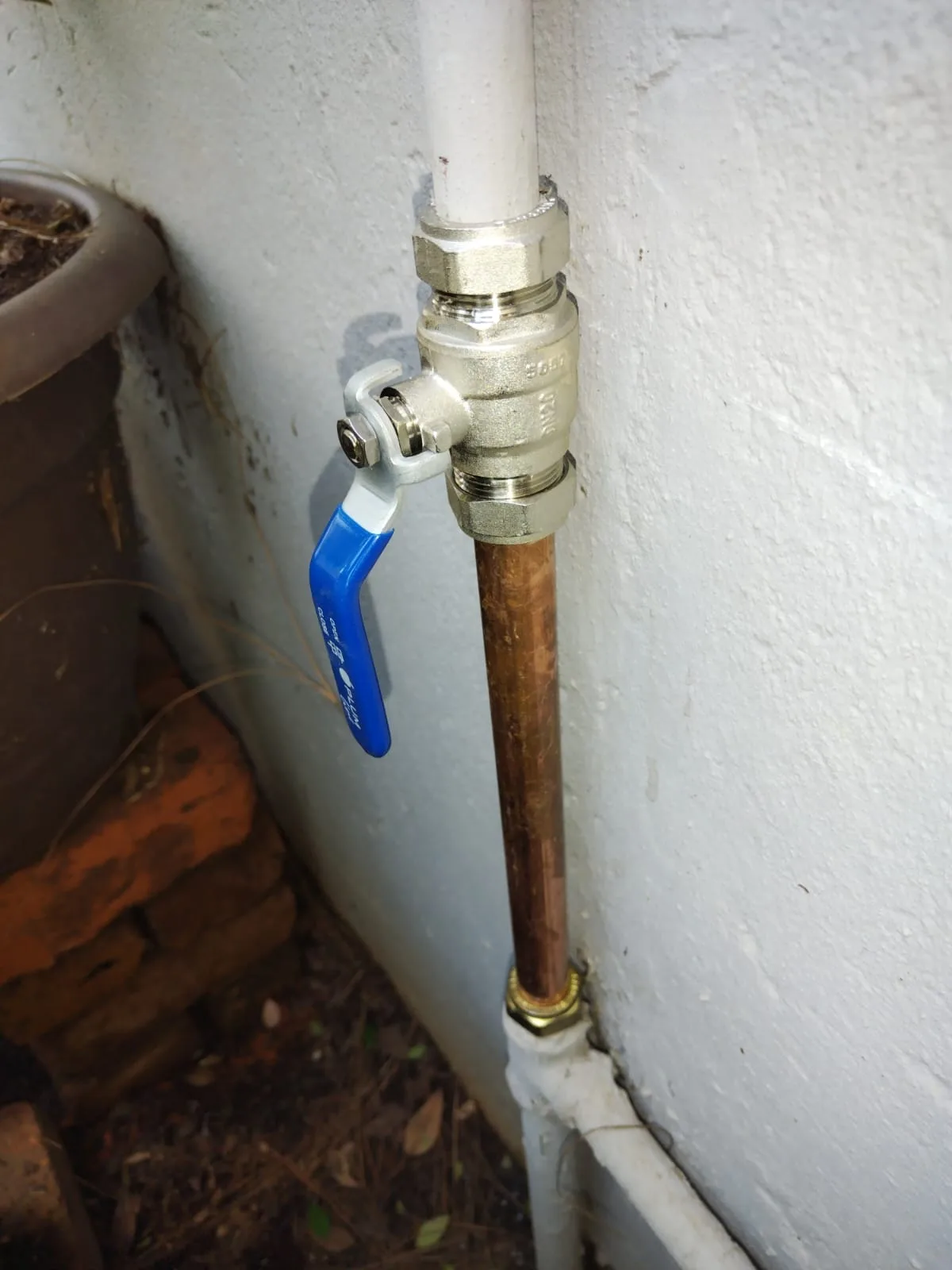
The condition of the surrounding pipe, previous failures and available access guide the choice. Ask whether the repair is limited to the joint or should include more of the run.
A suitable transition fitting is needed. The pipe sizes, materials and where the joint will sit all affect which connection is appropriate.
Yes. Tell us where the water first appeared and when you notice it. We check nearby supply pipes, waste connections and fixtures before deciding what needs opening.
Yes. We explain the repair and quote for it before starting. If the assessment reveals a different fault or more work, ask for the revised scope and price before approving it.
Often, yes. If the tap body and connections are sound, a worn seal or cartridge may be replaceable. We check the leak point and whether the correct part is available.
In Johannesburg, report leaks at the municipal meter or on public water infrastructure to the City. Leaks in private pipework within the property boundary are generally the owner's responsibility and should be checked by a qualified plumber. Elsewhere in Gauteng, report suspected public water leaks to your local municipality.
Knowing what to expect makes it easier to arrange the service with confidence. Here is how we assess, complete and verify the work from first contact through to completion. For more background, read Saving water when you have a plumbing emergency.
Tell us what has happened, which fixtures are affected and whether water is still flowing. For more background, read Is sewage smell an emergency?.
We help you identify immediate steps such as closing a valve or avoiding a contaminated area. For more background, read Is a leaking geyser considered an emergency?.
An available team is sent with tools and common repair materials for urgent plumbing faults. Related professional help is available through Emergency Toilet Repair.
On arrival, we control water, drainage or fixture use to reduce further damage. For more background, read Emergency Plumber Vs DIY Temporary Fix: When to Call.
The failed pipe, valve, drain, geyser connection or sanitary fixture is assessed. Related professional help is available through Emergency Leaking Pipe Repair.
We explain the recommended work and confirm the work before proceeding. Related professional help is available through Emergency Drain Cleaners.
The urgent fault is repaired, water is restored carefully and affected components are tested.
We explain the result, clean the immediate work area and outline any necessary follow-up.
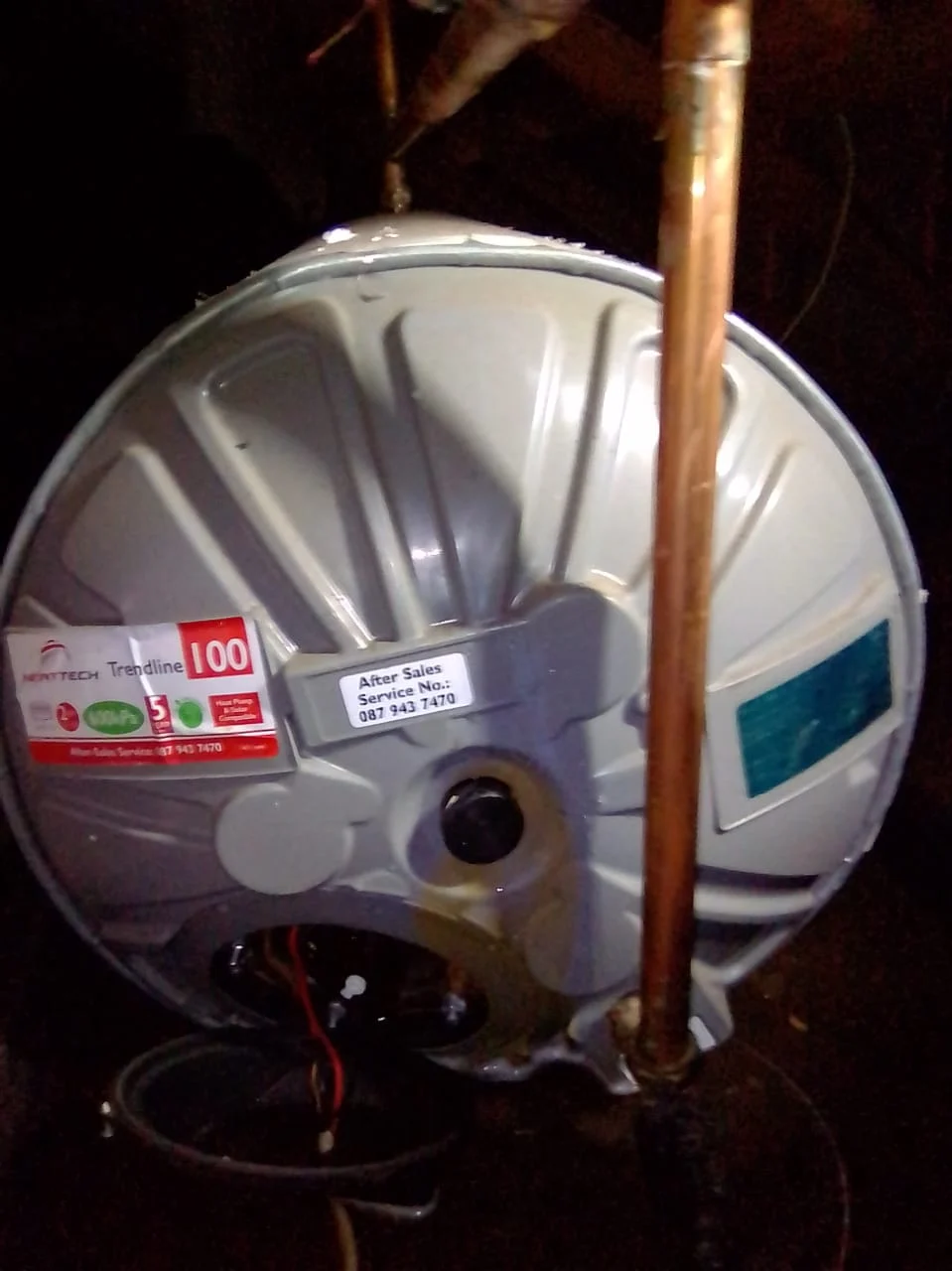
The cylinder, its connections and the available installation space need to be considered together. A photograph of accessible components helps explain the layout, while the condition of the system determines the work required.
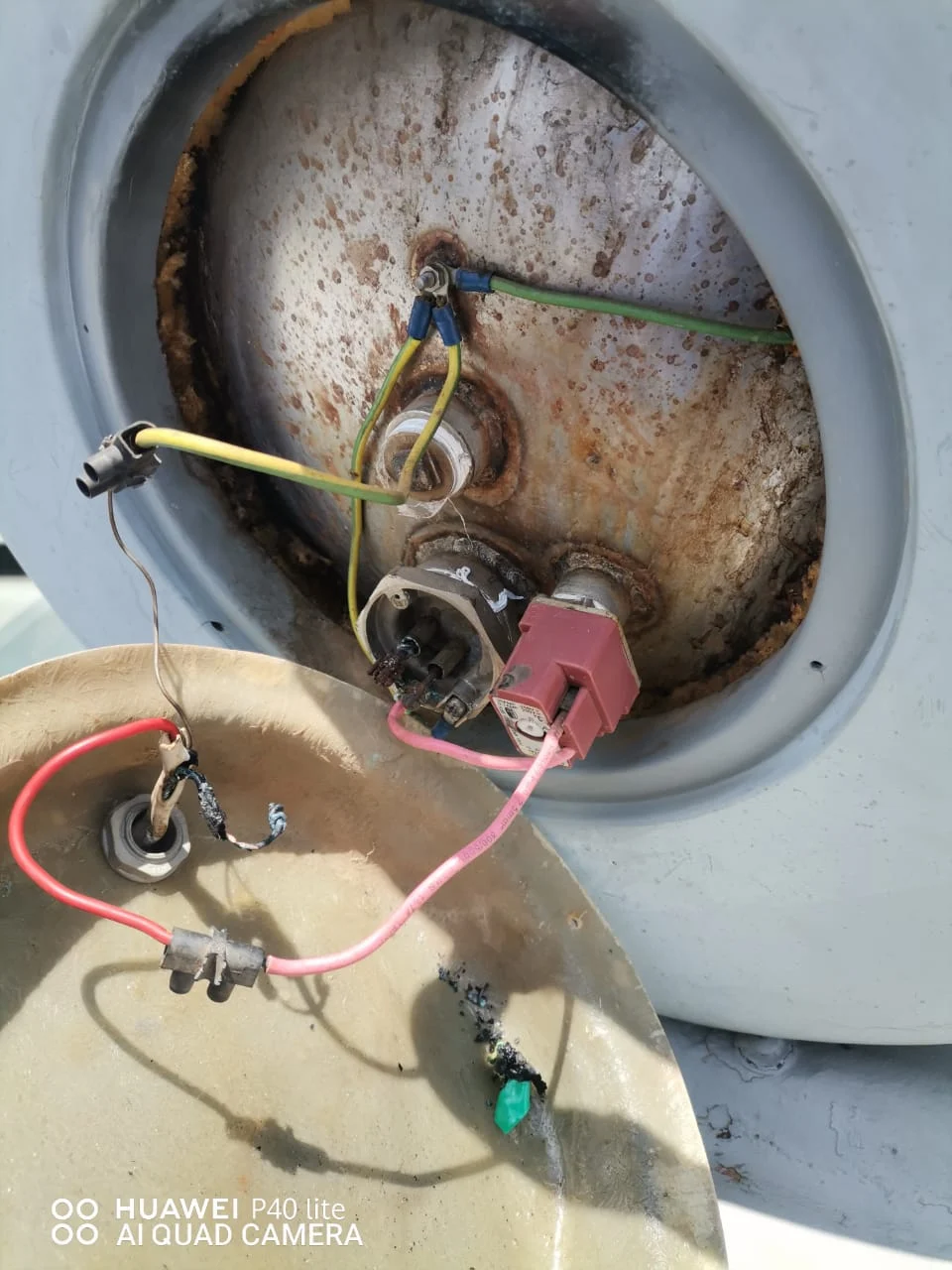
An exposed heating service area helps identify the component involved in an enquiry. Work on electrical components requires suitable isolation and qualified attention, followed by checks appropriate to the agreed repair.
Professional emergency plumbing starts with a clear understanding of an urgent plumbing fault. We focus on what the service covers and why a correct first assessment matters, because a rushed assumption can leave the real cause unresolved and allow water loss, flooding, blocked drainage or loss of essential fixtures to continue.
How Emergency Plumbing Works in Practice is important because water loss, flooding, blocked drainage or loss of essential fixtures can develop quickly when burst pipes, failed valves, blocked drains, leaking geysers or damaged sanitaryware. We check the relevant components and explain what the findings mean before recommending the next step.
In practice, why professional emergency plumbing matters involves stabilising the situation, identifying the immediate cause and checking for secondary damage. This prevents unnecessary replacement and helps ensure the proposed work addresses the actual source of the fault.
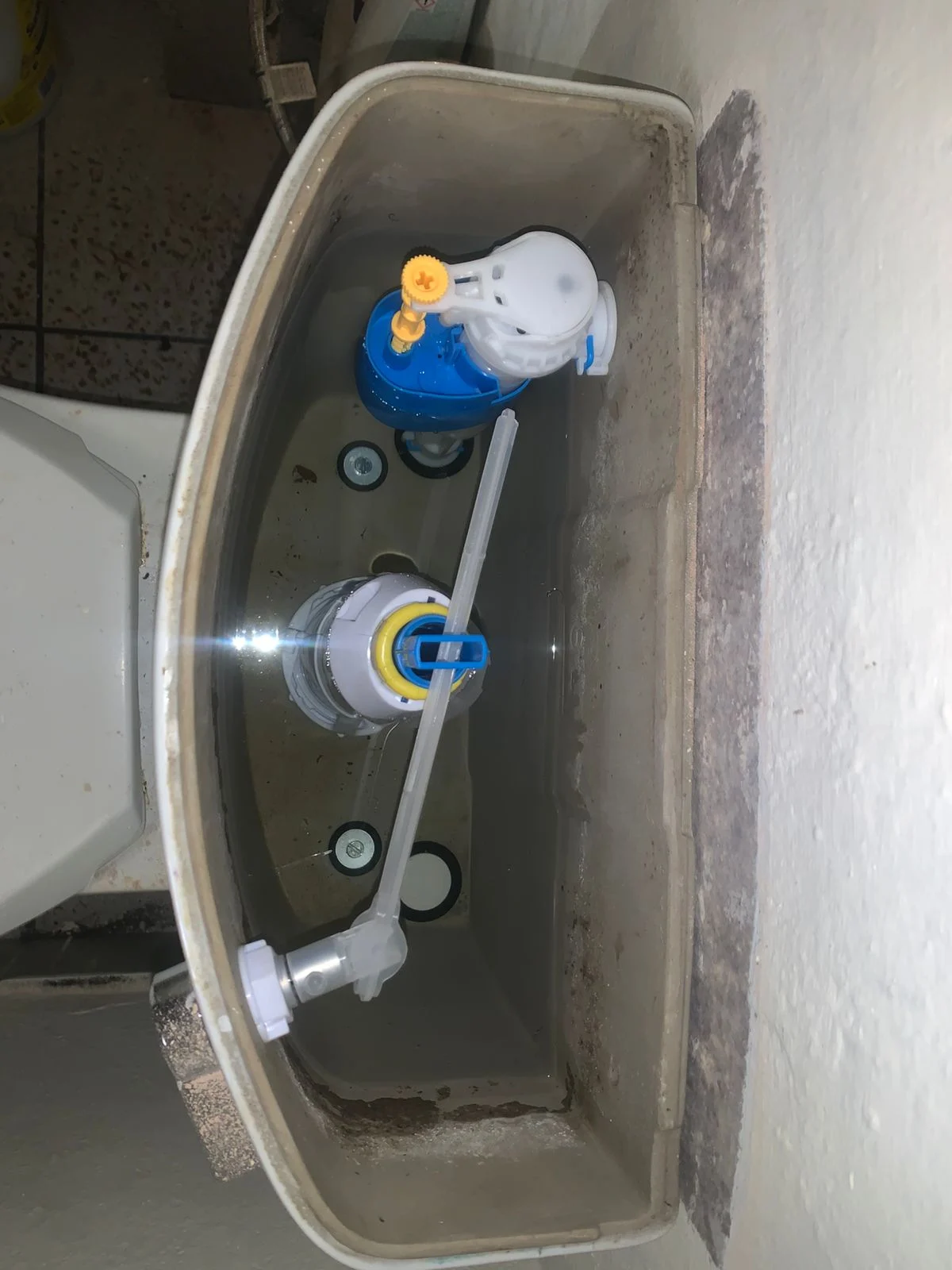
A cistern contains separate inlet and flushing components. Continuous running, slow refilling and a weak flush can have different causes, so the mechanism and accessible connections should be checked before parts are selected.
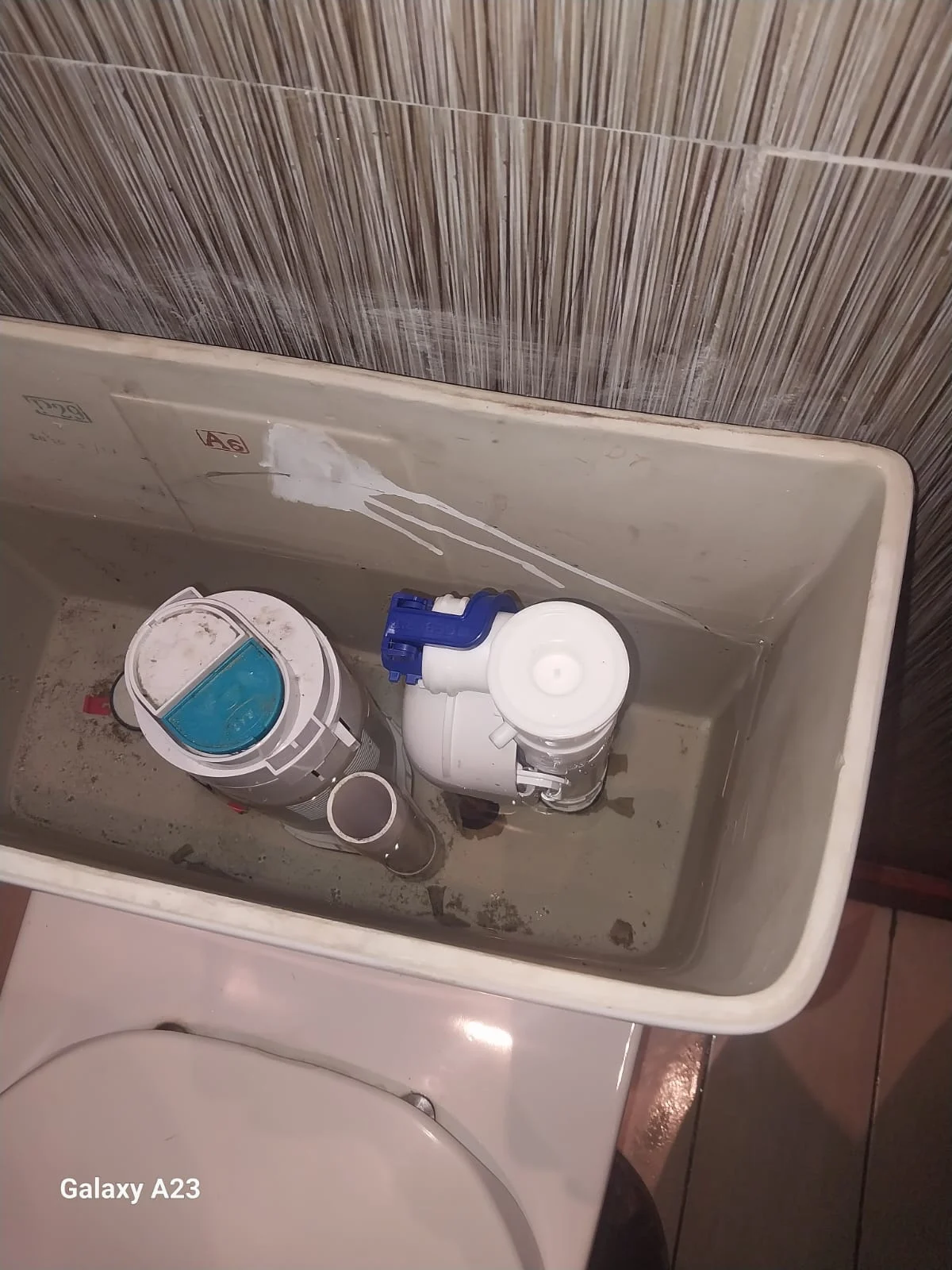
The arrangement inside the cistern helps identify compatible maintenance parts. Describe whether the problem occurs during refilling, at rest or when flushing so the assessment starts with the reported symptom.
The most reliable approach to emergency plumbing is to confirm the condition of the complete connection or system, not only the most visible symptom. This section explains the symptoms that indicate attention is needed before the fault becomes more disruptive and how the work is planned for homes, businesses, complexes and industrial sites.
Initial Assessment of the Plumbing Emergency is important because water loss, flooding, blocked drainage or loss of essential fixtures can develop quickly when burst pipes, failed valves, blocked drains, leaking geysers or damaged sanitaryware. We check the relevant components and explain what the findings mean before recommending the next step.
In practice, confirming the cause before response involves stabilising the situation, identifying the immediate cause and checking for secondary damage. This prevents unnecessary replacement and helps ensure the proposed work addresses the actual source of the fault.
Where repair is suitable, the work may involve carrying out the safest practical repair and explaining any further work that may be required. All accessible connections are checked and the system is tested before it is returned to normal use.
Delaying attention can lead to rapid property damage, service interruption and avoidable repair costs. Early action usually limits secondary damage, improves access to the fault and gives the customer more practical repair choices.
For homes, businesses, complexes and industrial sites, protecting the property during the work must account for usage, access and the condition of existing services. We select compatible materials and avoid changes that could place unnecessary strain on other parts of the installation.
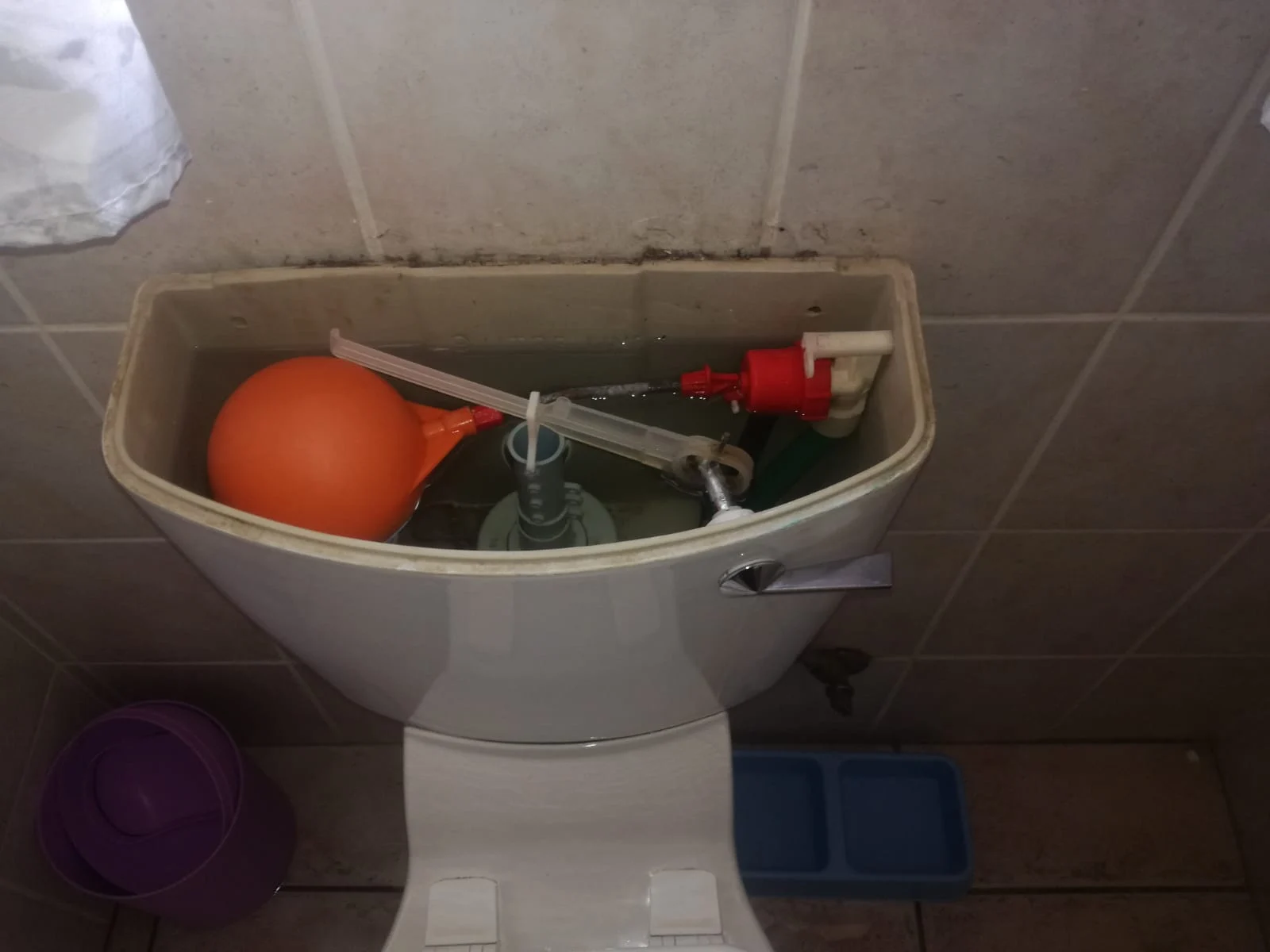
A cistern contains separate inlet and flushing components. Continuous running, slow refilling and a weak flush can have different causes, so the mechanism and accessible connections should be checked before parts are selected.
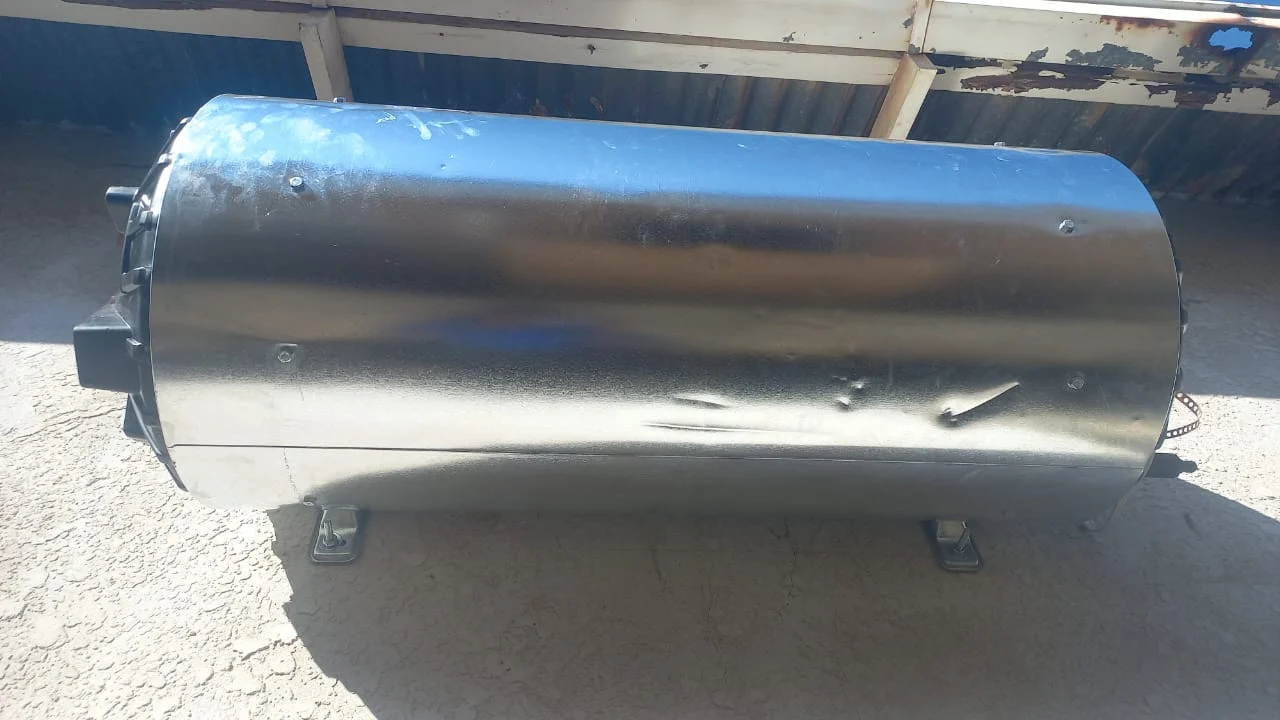
A hot water service assessment should include accessible water connections and the surrounding installation space. Report where water is visible and whether heating or supply has changed so the enquiry can be directed appropriately.
Customers usually request emergency plumbing after noticing water loss, flooding, blocked drainage or loss of essential fixtures. A structured inspection helps distinguish a local fault from a wider system issue and supports a repair that is practical, safe and suited to the property.
Early Warning Signs of a Plumbing Emergency is important because water loss, flooding, blocked drainage or loss of essential fixtures can develop quickly when burst pipes, failed valves, blocked drains, leaking geysers or damaged sanitaryware. We check the relevant components and explain what the findings mean before recommending the next step.
In practice, visible symptoms that need attention involves stabilising the situation, identifying the immediate cause and checking for secondary damage. This prevents unnecessary replacement and helps ensure the proposed work addresses the actual source of the fault.
Where repair is suitable, the work may involve carrying out the safest practical repair and explaining any further work that may be required. All accessible connections are checked and the system is tested before it is returned to normal use.
Delaying attention can lead to rapid property damage, service interruption and avoidable repair costs. Early action usually limits secondary damage, improves access to the fault and gives the customer more practical repair choices.
For homes, businesses, complexes and industrial sites, preventing secondary water damage must account for usage, access and the condition of existing services. We select compatible materials and avoid changes that could place unnecessary strain on other parts of the installation.
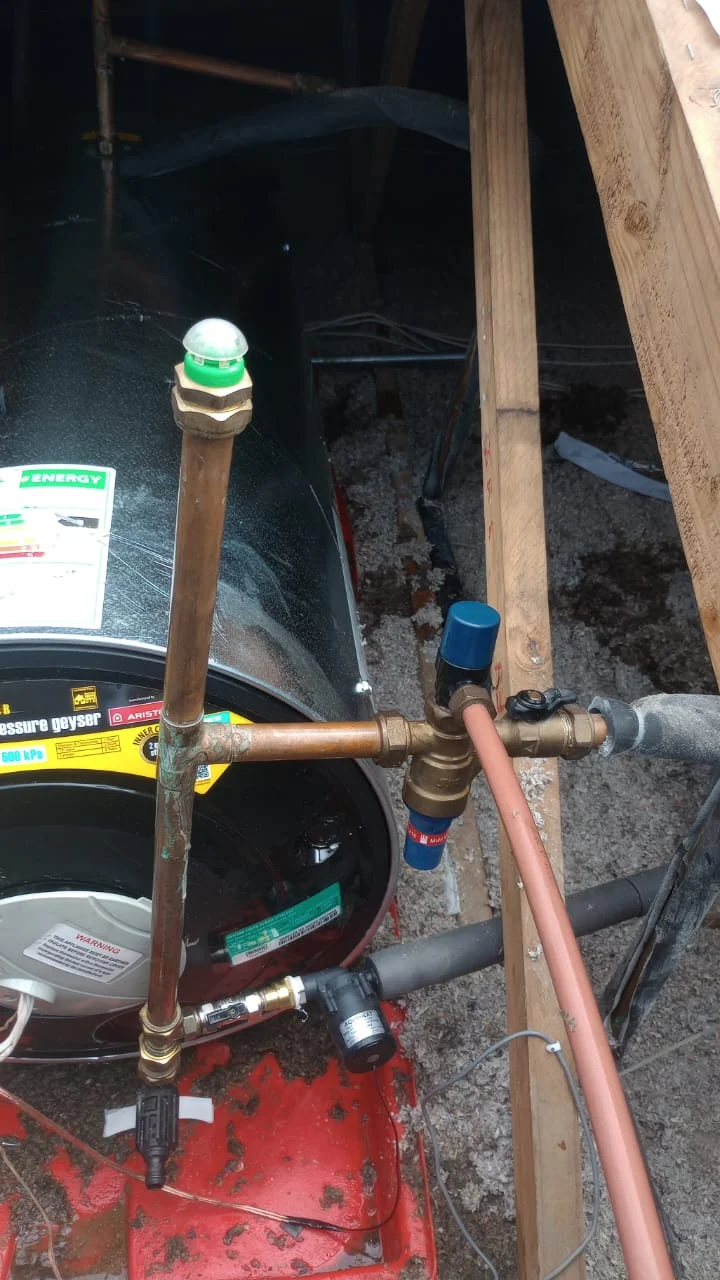
The cylinder, its connections and the available installation space need to be considered together. A photograph of accessible components helps explain the layout, while the condition of the system determines the work required.
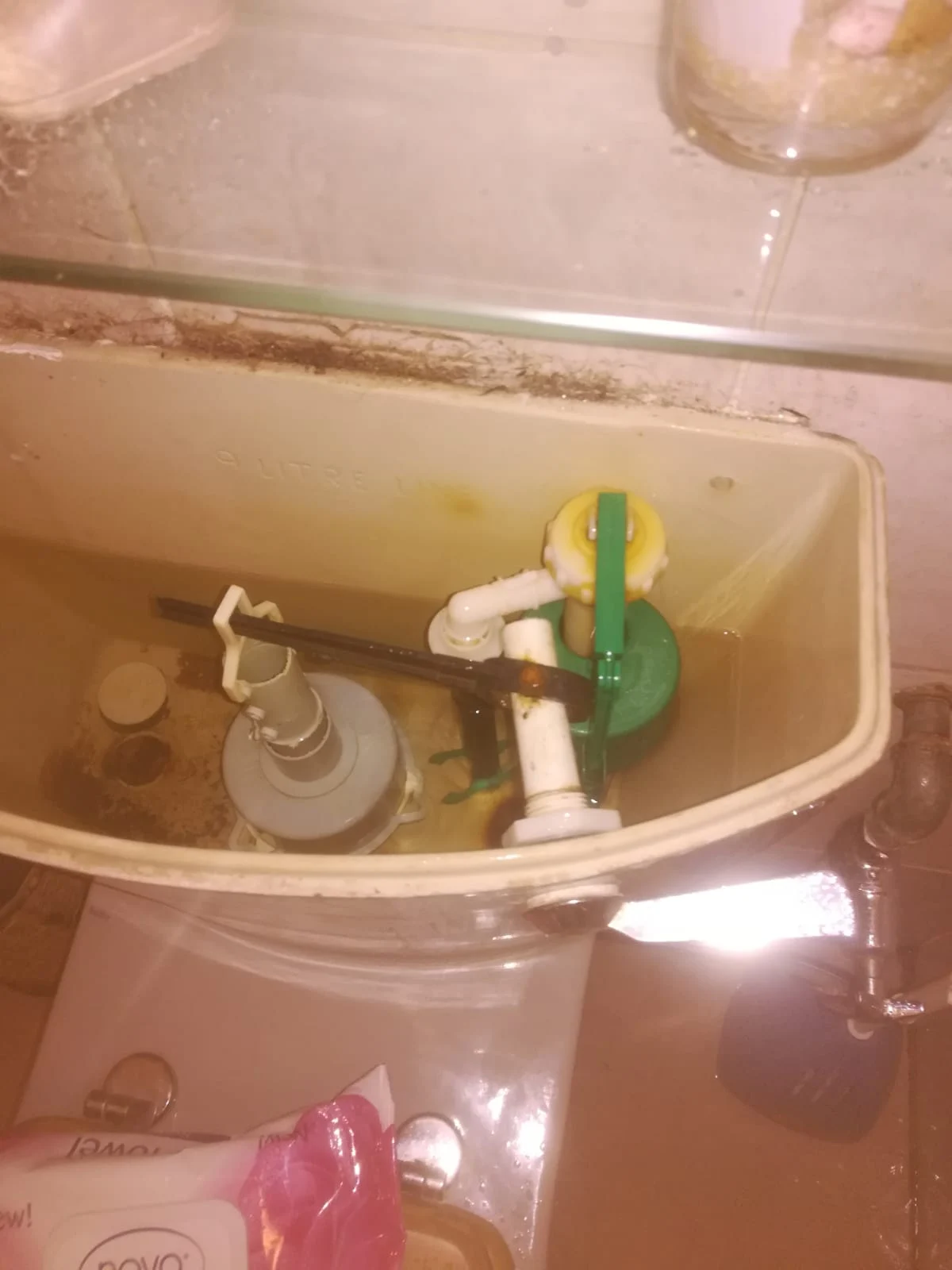
The arrangement inside the cistern helps identify compatible maintenance parts. Describe whether the problem occurs during refilling, at rest or when flushing so the assessment starts with the reported symptom.
The correct solution for an urgent plumbing fault varies according to age, condition, layout and use. We explain the findings, define the work required and obtain approval before proceeding with the agreed repair or installation.
Repair Options for the Emergency Plumbing System is important because water loss, flooding, blocked drainage or loss of essential fixtures can develop quickly when burst pipes, failed valves, blocked drains, leaking geysers or damaged sanitaryware. We check the relevant components and explain what the findings mean before recommending the next step.
In practice, when component replacement is more reliable involves stabilising the situation, identifying the immediate cause and checking for secondary damage. This prevents unnecessary replacement and helps ensure the proposed work addresses the actual source of the fault.
Where repair is suitable, the work may involve carrying out the safest practical repair and explaining any further work that may be required. All accessible connections are checked and the system is tested before it is returned to normal use.
Delaying attention can lead to rapid property damage, service interruption and avoidable repair costs. Early action usually limits secondary damage, improves access to the fault and gives the customer more practical repair choices.
For homes, businesses, complexes and industrial sites, confirming the work before work begins must account for usage, access and the condition of existing services. We select compatible materials and avoid changes that could place unnecessary strain on other parts of the installation.
Our approach to emergency plumbing combines careful diagnosis with clear communication. The aim is to restore dependable operation while protecting surrounding finishes, limiting water loss and reducing the likelihood of repeat faults.
Our Step-by-Step Emergency Plumbing Process is important because water loss, flooding, blocked drainage or loss of essential fixtures can develop quickly when burst pipes, failed valves, blocked drains, leaking geysers or damaged sanitaryware. We check the relevant components and explain what the findings mean before recommending the next step.
In practice, isolating water and securing the work area involves stabilising the situation, identifying the immediate cause and checking for secondary damage. This prevents unnecessary replacement and helps ensure the proposed work addresses the actual source of the fault.
Where repair is suitable, the work may involve carrying out the safest practical repair and explaining any further work that may be required. All accessible connections are checked and the system is tested before it is returned to normal use.
Delaying attention can lead to rapid property damage, service interruption and avoidable repair costs. Early action usually limits secondary damage, improves access to the fault and gives the customer more practical repair choices.
For homes, businesses, complexes and industrial sites, cleaning the area and explaining the result must account for usage, access and the condition of existing services. We select compatible materials and avoid changes that could place unnecessary strain on other parts of the installation.
Reliable plumbing work should solve the immediate problem and improve confidence in the system. For homes, businesses, complexes and industrial sites, we consider both the present fault and the conditions that may affect long-term performance.
Protecting the Emergency Plumbing System From Repeat Problems is important because water loss, flooding, blocked drainage or loss of essential fixtures can develop quickly when burst pipes, failed valves, blocked drains, leaking geysers or damaged sanitaryware. We check the relevant components and explain what the findings mean before recommending the next step.
In practice, routine checks that reduce future faults involves stabilising the situation, identifying the immediate cause and checking for secondary damage. This prevents unnecessary replacement and helps ensure the proposed work addresses the actual source of the fault.
Where repair is suitable, the work may involve carrying out the safest practical repair and explaining any further work that may be required. All accessible connections are checked and the system is tested before it is returned to normal use.
Delaying attention can lead to rapid property damage, service interruption and avoidable repair costs. Early action usually limits secondary damage, improves access to the fault and gives the customer more practical repair choices.
For homes, businesses, complexes and industrial sites, keeping valves and connections accessible must account for usage, access and the condition of existing services. We select compatible materials and avoid changes that could place unnecessary strain on other parts of the installation.
Contact our emergency plumbers for burst pipes, serious leaks, blocked drains, overflowing fixtures or other urgent faults. We assess the situation, protect the property and explain the required repair before proceeding.
Tell us whether water is flooding, sewage is backing up or a geyser is leaking. Mention water near electricity or a ceiling that is beginning to sag.
Keep away from wet electrical equipment and unstable ceilings. Don’t keep flushing a blocked toilet or use chemicals to try to clear a sewage backup.
Close an easily accessible stopcock for an active pipe leak. Stop using backed-up fixtures and move people and belongings away from the affected area safely.
Call with your address, the immediate problem and any isolation you’ve already managed. Tell us about gate access and someone who can meet the plumber.
We confirm current availability and give you an arrival estimate. At the property, we explain the repair and quote before approved work; the call-out and quotation are free.
Practical guides to help you understand emergency plumbing, spot warning signs early, and decide when professional help is the safest choice. Written for homeowners and property managers who want clear answers before calling a plumber.
Emergency plumber vs DIY temporary fix: Learn when to stabilise the leak yourself and when to call a professional. Shut water, limit damage, get help fast.
Read guideWater is one of our most valuable resources, and preserving it is critical, especially during a plumbing emergency. Whether it's a burst pipe, a leaking…
Read guideHow to find a reliable plumber in South Africa with a practical checklist. Learn PIRB registration, credentials to check, and red flags to avoid.
Read guideWhen it comes to maintaining your home, plumbing is often overlooked—until something goes wrong. While most homeowners regularly check their roofs,…
Read guide