Assess the water-loss symptoms
We review meter movement, low pressure, surface water and the location of the incoming supply. For more background, read How do water leaks lead to mold and respiratory problems?.

Trusted Water Main Leaks from a team that earns confidence through evidence, not promises. We diagnose carefully, confirm pricing with you first, and verify flow, pressure, or heating before we consider the job complete. Call 067 657 6109 for urgent help or request a free call-out online.
A leaking connection needs more than a temporary wrap. We identify the failed section, quote for the repair and check the repaired pipe under pressure before it is covered or put back into normal use.
Often. We start with the meter, accessible connections and the pattern of dampness. We explain where opening a surface is needed if the checks point to concealed pipework.
Note where the dampness first appeared, when it worsens, and whether it follows rain or fixture use. A safely taken photo can help show how it has changed.
Water can travel along building materials before it becomes visible. We check the nearby supply and waste routes before treating the damp spot as the leak location.
Check that appliances and cisterns have finished filling, then note whether the meter continues to move. That observation helps a plumber investigate water use you can’t account for.
Often the work can be focused on one section once the line and fault have been traced. Ask what access and reinstatement are included in the repair quote.
Knowing what to expect makes it easier to arrange the service with confidence. Here is how we assess, complete and verify the work from first contact through to completion. For more background, read What are the dangers of standing water from leaks?.
We review meter movement, low pressure, surface water and the location of the incoming supply. For more background, read How do water leaks lead to mold and respiratory problems?.
The supply is shut down or managed safely to limit water loss and property damage. You can also review our local coverage for Plumber in Waverley for leaks, drains, geysers and repairs — for urgent water-related risks..
The route and likely leak position are narrowed down before excavation is planned.
We explain excavation, pipe materials, repair options and the expected interruption.
The damaged section is accessed while protecting nearby services where practical.
Compatible pipe and fittings are installed with suitable support and connection methods. For more background, read Saving water when you have a plumbing emergency.
Water is returned gradually while the repair and downstream operation are checked.
The excavation is closed to the agreed work and the completed repair is reviewed.
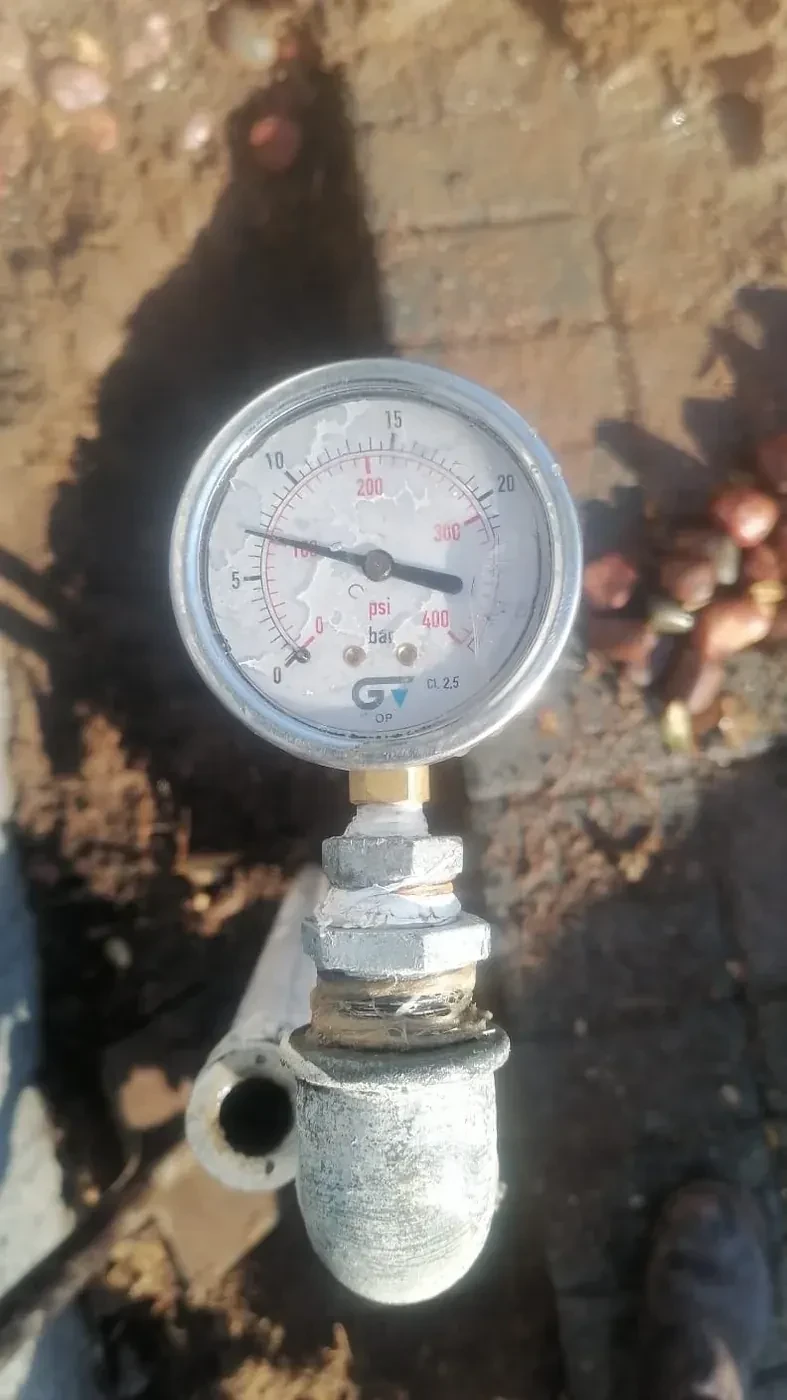
We use pressure testing where suitable to investigate a leaking supply. The test helps separate a loss on the pipework from a complaint caused by a closed valve or restricted fitting. We explain the findings and the proposed access before excavation or repair begins.
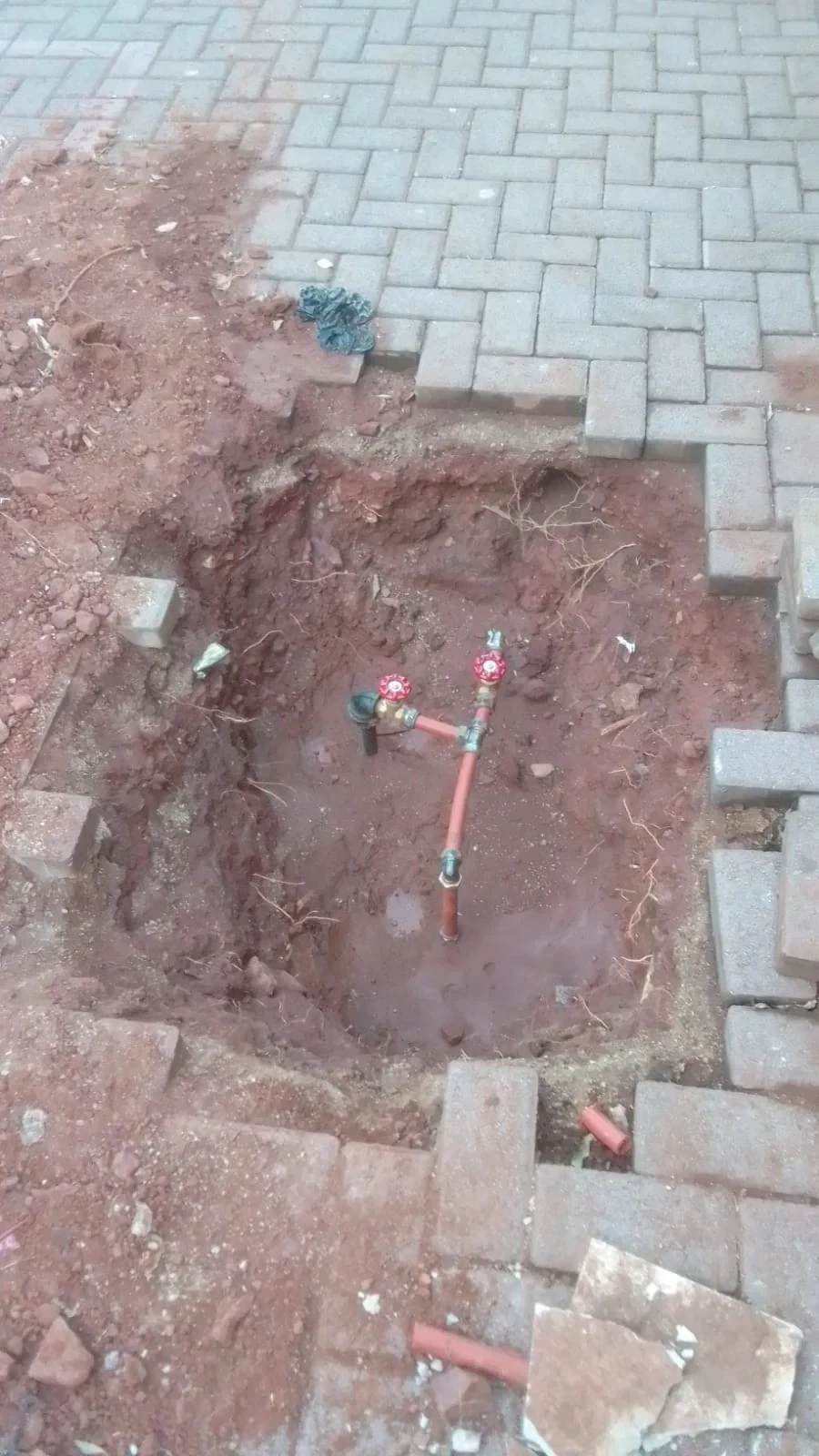
We lifted the paving to reach this water-pipe repair. The quote can include the access, replacement pipework and reinstatement, so you know who is responsible for closing the job. Our pavers can relay the affected area after the plumbing has been checked and the ground prepared.
Professional water main leak detection and repair starts with a clear understanding of a leaking incoming water main. We focus on what the service covers and why a correct first assessment matters, because a rushed assumption can leave the real cause unresolved and allow major water loss, low pressure, soggy ground or an unusually high meter reading to continue.
How Water Main Leak Repair Works in Practice is important because major water loss, low pressure, soggy ground or an unusually high meter reading can develop quickly when corrosion, ground movement, failed joints, impact or ageing underground pipework. We check the relevant components and explain what the findings mean before recommending the next step.
In practice, why professional water main leak repair matters involves checking the meter, isolation points, visible signs and the route of the incoming supply. This prevents unnecessary replacement and helps ensure the proposed work addresses the actual source of the fault.
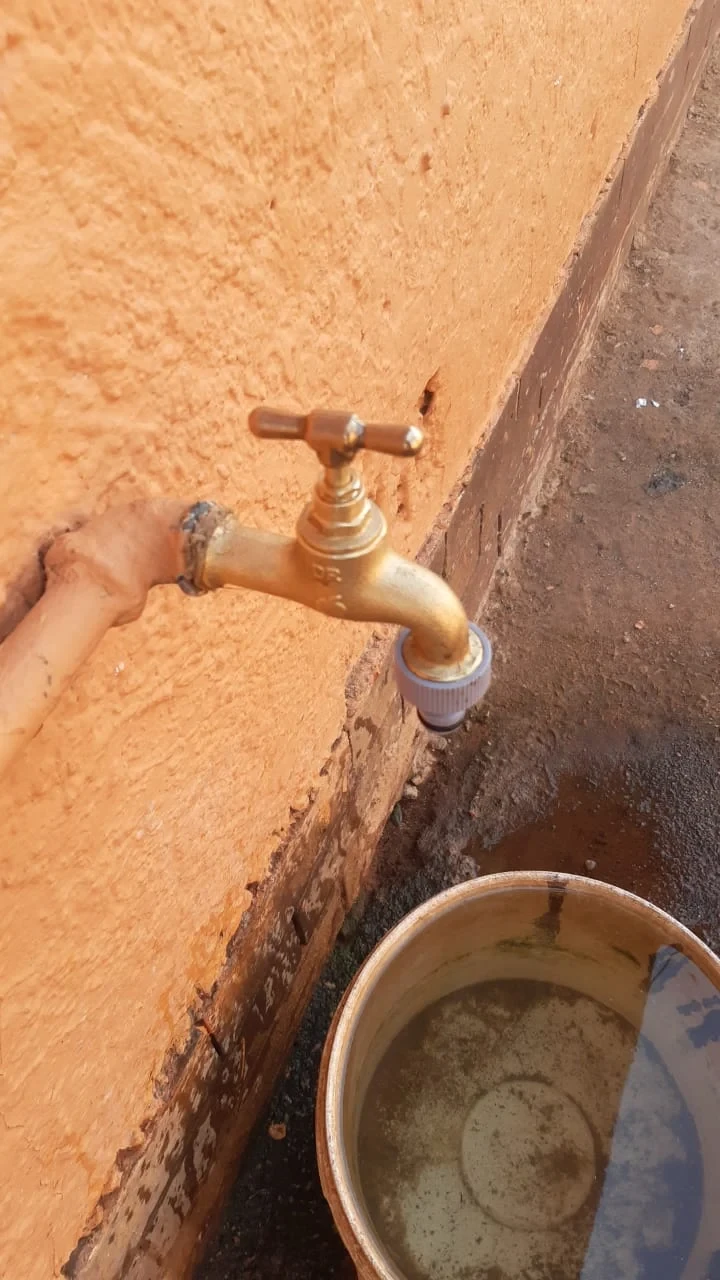
We check accessible taps and supply connections while investigating water loss. A dripping outside tap can add to the bill, but it should not be mistaken for an underground leak without checking the meter and isolating the relevant pipework. Tell us whether the problem affects the whole property or only one outlet.
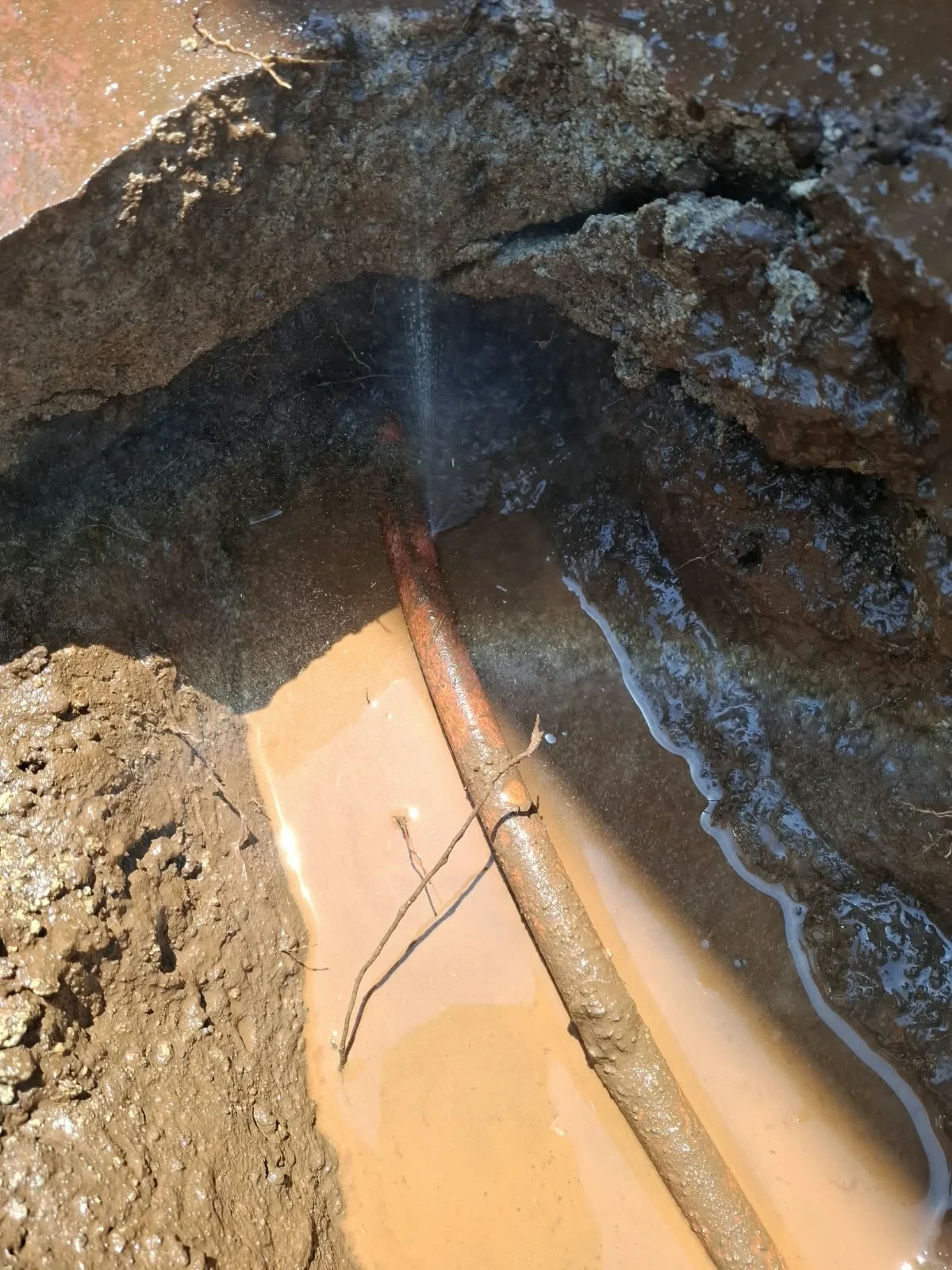
We exposed the leaking supply pipe shown here to reach the damaged section. Water can travel through soil before appearing at the surface, so the wettest patch is not always the repair point. Once access is established, we replace or reconnect the affected section and check the supply before backfilling.
The most reliable approach to water main leak detection and repair is to confirm the condition of the complete connection or system, not only the most visible symptom. This section explains the symptoms that indicate attention is needed before the fault becomes more disruptive and how the work is planned for domestic, commercial and shared-property water supplies.
Initial Assessment of the Water Main Leak is important because major water loss, low pressure, soggy ground or an unusually high meter reading can develop quickly when corrosion, ground movement, failed joints, impact or ageing underground pipework. We check the relevant components and explain what the findings mean before recommending the next step.
In practice, confirming the cause before repair involves checking the meter, isolation points, visible signs and the route of the incoming supply. This prevents unnecessary replacement and helps ensure the proposed work addresses the actual source of the fault.
Where repair is suitable, the work may involve excavating only where necessary, repairing or replacing the failed section and pressure-testing the line. All accessible connections are checked and the system is tested before it is returned to normal use.
Delaying attention can lead to foundation damage, erosion, high water bills and interruption of supply. Early action usually limits secondary damage, improves access to the fault and gives the customer more practical repair choices.
For domestic, commercial and shared-property water supplies, protecting the property during the work must account for usage, access and the condition of existing services. We select compatible materials and avoid changes that could place unnecessary strain on other parts of the installation.
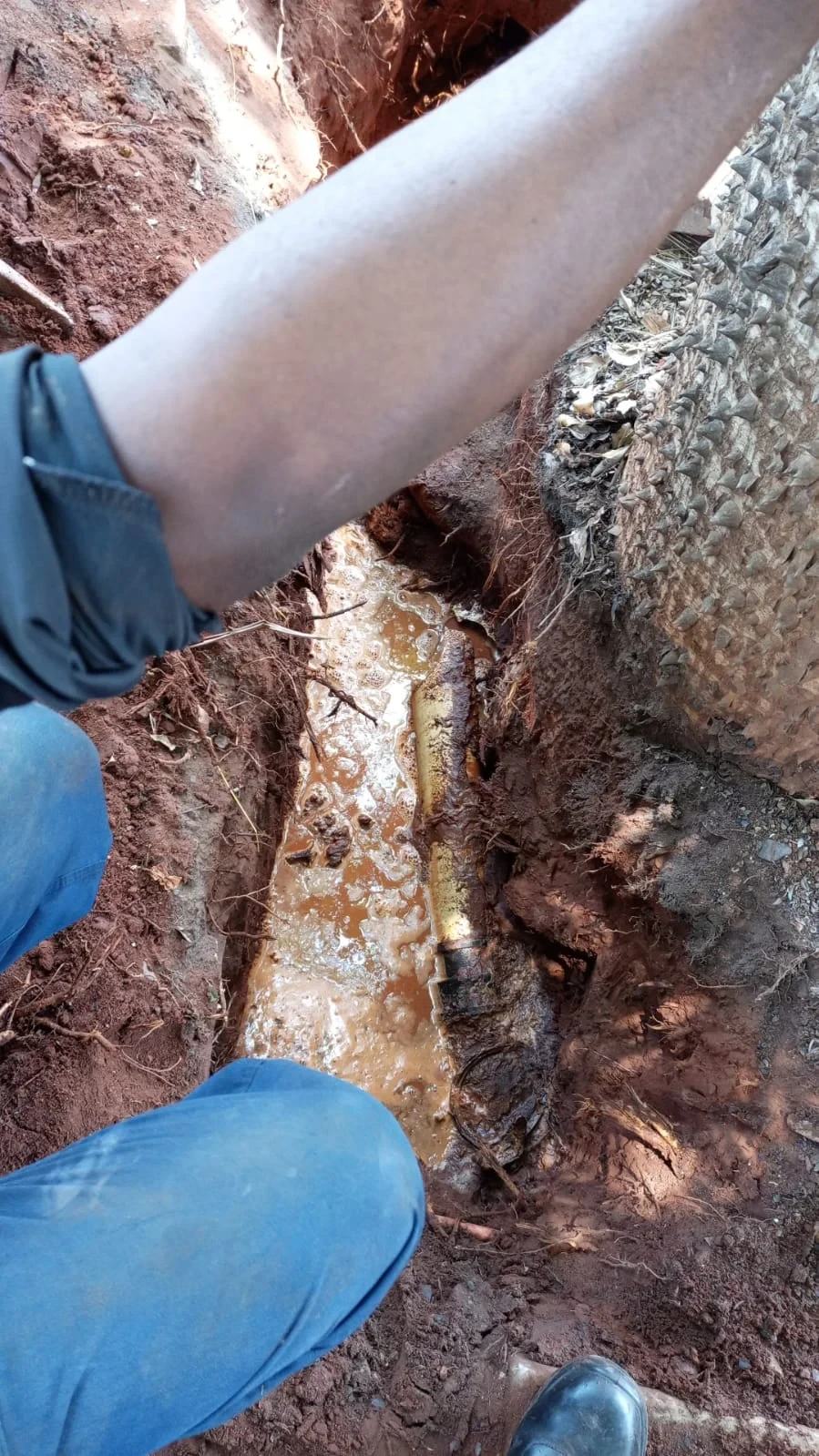
We reached this buried pipe through a narrow excavation. Roots, nearby services and limited space affect how the repair can be carried out. We explain any extra access needed rather than covering a leaking joint and leaving the same fault below ground.
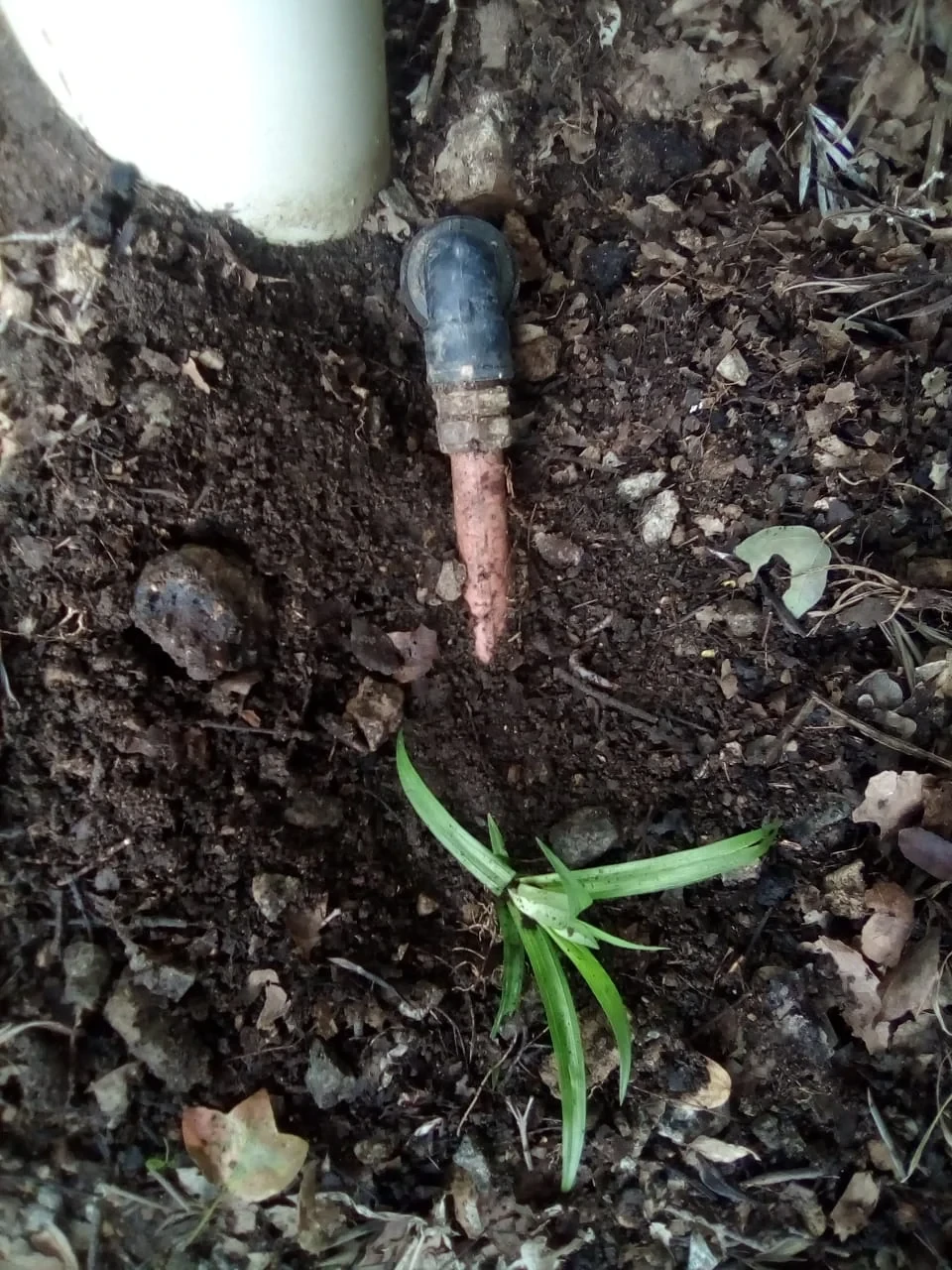
We repaired the underground copper connection at this access point. The condition of the neighbouring pipe matters when deciding how much to replace; joining onto another weakened section can leave a further leak waiting to happen. We discuss a longer replacement only where the exposed condition calls for it.
Customers usually request water main leak detection and repair after noticing major water loss, low pressure, soggy ground or an unusually high meter reading. A structured inspection helps distinguish a local fault from a wider system issue and supports a repair that is practical, safe and suited to the property.
Early Warning Signs of a Water Main Leak is important because major water loss, low pressure, soggy ground or an unusually high meter reading can develop quickly when corrosion, ground movement, failed joints, impact or ageing underground pipework. We check the relevant components and explain what the findings mean before recommending the next step.
In practice, visible symptoms that need attention involves checking the meter, isolation points, visible signs and the route of the incoming supply. This prevents unnecessary replacement and helps ensure the proposed work addresses the actual source of the fault.
Where repair is suitable, the work may involve excavating only where necessary, repairing or replacing the failed section and pressure-testing the line. All accessible connections are checked and the system is tested before it is returned to normal use.
Delaying attention can lead to foundation damage, erosion, high water bills and interruption of supply. Early action usually limits secondary damage, improves access to the fault and gives the customer more practical repair choices.
For domestic, commercial and shared-property water supplies, preventing secondary water damage must account for usage, access and the condition of existing services. We select compatible materials and avoid changes that could place unnecessary strain on other parts of the installation.
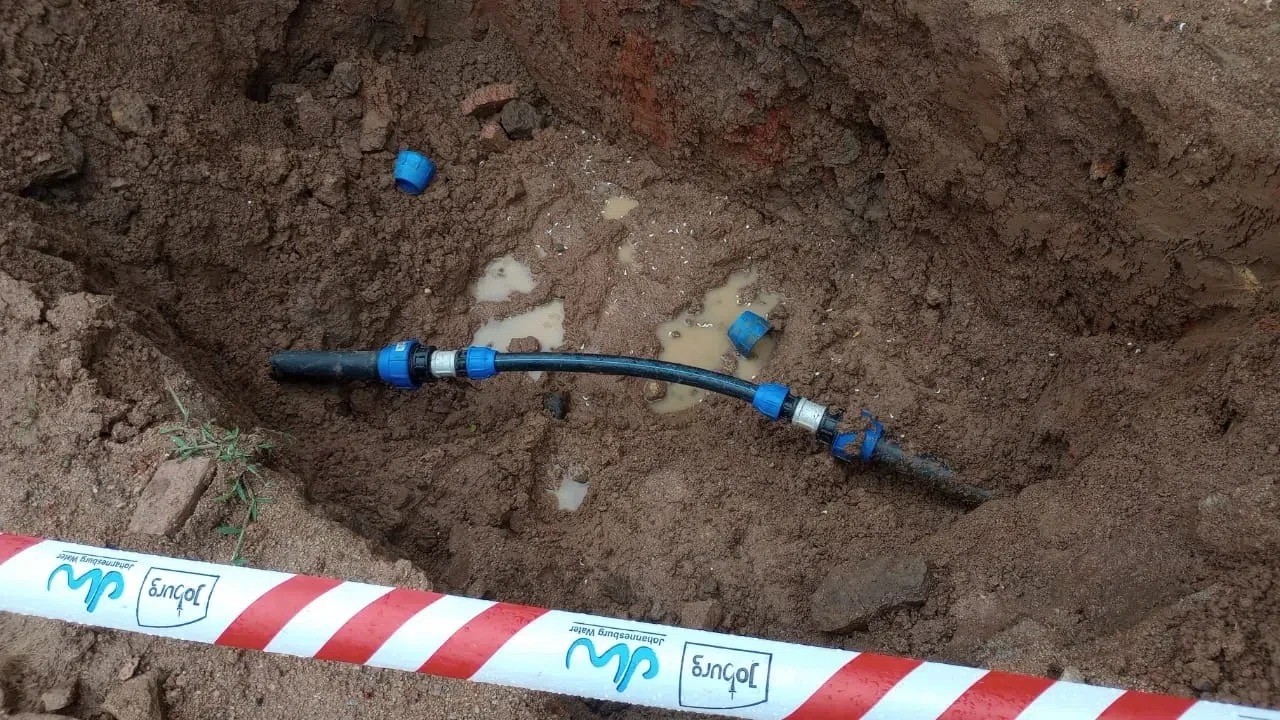
We repaired this plastic water line with a replacement section and suitable connections. Pipe size, material and fitting compatibility need checking before the joint is made. The repair plan includes checking the restored supply before the excavation is closed.
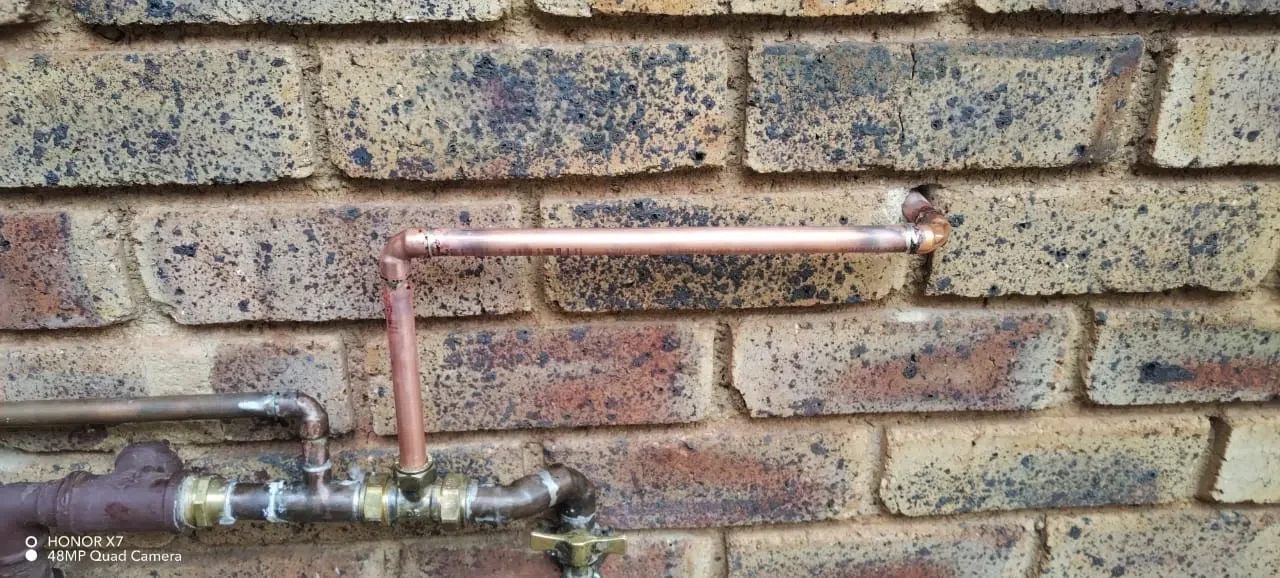
We repaired this exposed copper supply with a replacement section and connections. A water-main enquiry can also involve the pipe where it enters or runs along the building. Our plumbers check the affected route so the quoted repair addresses the leak rather than only the wet ground outside.
The correct solution for a leaking incoming water main varies according to age, condition, layout and use. We explain the findings, define the work required and obtain approval before proceeding with the agreed repair or installation.
Repair Options for the Water Main is important because major water loss, low pressure, soggy ground or an unusually high meter reading can develop quickly when corrosion, ground movement, failed joints, impact or ageing underground pipework. We check the relevant components and explain what the findings mean before recommending the next step.
In practice, when component replacement is more reliable involves checking the meter, isolation points, visible signs and the route of the incoming supply. This prevents unnecessary replacement and helps ensure the proposed work addresses the actual source of the fault.
Where repair is suitable, the work may involve excavating only where necessary, repairing or replacing the failed section and pressure-testing the line. All accessible connections are checked and the system is tested before it is returned to normal use.
Delaying attention can lead to foundation damage, erosion, high water bills and interruption of supply. Early action usually limits secondary damage, improves access to the fault and gives the customer more practical repair choices.
For domestic, commercial and shared-property water supplies, confirming the work before work begins must account for usage, access and the condition of existing services. We select compatible materials and avoid changes that could place unnecessary strain on other parts of the installation.
Our approach to water main leak detection and repair combines careful diagnosis with clear communication. The aim is to restore dependable operation while protecting surrounding finishes, limiting water loss and reducing the likelihood of repeat faults.
Our Step-by-Step Water Main Leak Repair Process is important because major water loss, low pressure, soggy ground or an unusually high meter reading can develop quickly when corrosion, ground movement, failed joints, impact or ageing underground pipework. We check the relevant components and explain what the findings mean before recommending the next step.
In practice, isolating water and securing the work area involves checking the meter, isolation points, visible signs and the route of the incoming supply. This prevents unnecessary replacement and helps ensure the proposed work addresses the actual source of the fault.
Where repair is suitable, the work may involve excavating only where necessary, repairing or replacing the failed section and pressure-testing the line. All accessible connections are checked and the system is tested before it is returned to normal use.
Delaying attention can lead to foundation damage, erosion, high water bills and interruption of supply. Early action usually limits secondary damage, improves access to the fault and gives the customer more practical repair choices.
For domestic, commercial and shared-property water supplies, cleaning the area and explaining the result must account for usage, access and the condition of existing services. We select compatible materials and avoid changes that could place unnecessary strain on other parts of the installation.
Reliable plumbing work should solve the immediate problem and improve confidence in the system. For domestic, commercial and shared-property water supplies, we consider both the present fault and the conditions that may affect long-term performance.
Protecting the Water Main From Repeat Problems is important because major water loss, low pressure, soggy ground or an unusually high meter reading can develop quickly when corrosion, ground movement, failed joints, impact or ageing underground pipework. We check the relevant components and explain what the findings mean before recommending the next step.
In practice, routine checks that reduce future faults involves checking the meter, isolation points, visible signs and the route of the incoming supply. This prevents unnecessary replacement and helps ensure the proposed work addresses the actual source of the fault.
Where repair is suitable, the work may involve excavating only where necessary, repairing or replacing the failed section and pressure-testing the line. All accessible connections are checked and the system is tested before it is returned to normal use.
Delaying attention can lead to foundation damage, erosion, high water bills and interruption of supply. Early action usually limits secondary damage, improves access to the fault and gives the customer more practical repair choices.
For domestic, commercial and shared-property water supplies, keeping valves and connections accessible must account for usage, access and the condition of existing services. We select compatible materials and avoid changes that could place unnecessary strain on other parts of the installation.
Contact our plumbers when a property water main is leaking, losing pressure or causing water to surface. We assess the line, access requirements and repair options before work starts.
Note where water appears and whether it runs continuously or only when a tap or appliance is used. A spreading wet patch or falling pressure needs prompt attention.
Don’t open a wall to follow the water, force a stiff valve or touch wet electrical fittings. Keep clear of a ceiling that is bulging or sagging.
If the stopcock is easy to reach, close it to limit further water loss. Leave the damaged pipe alone and move nearby belongings out of the wet area safely.
Tell us where the leak is, how quickly water is escaping and whether you’ve isolated the supply. A photo of the pipe and its surroundings helps us prepare.
We trace the leak, explain which pipe or fitting needs repair and quote for the work. After the repair, we restore the supply and check the connection under pressure.
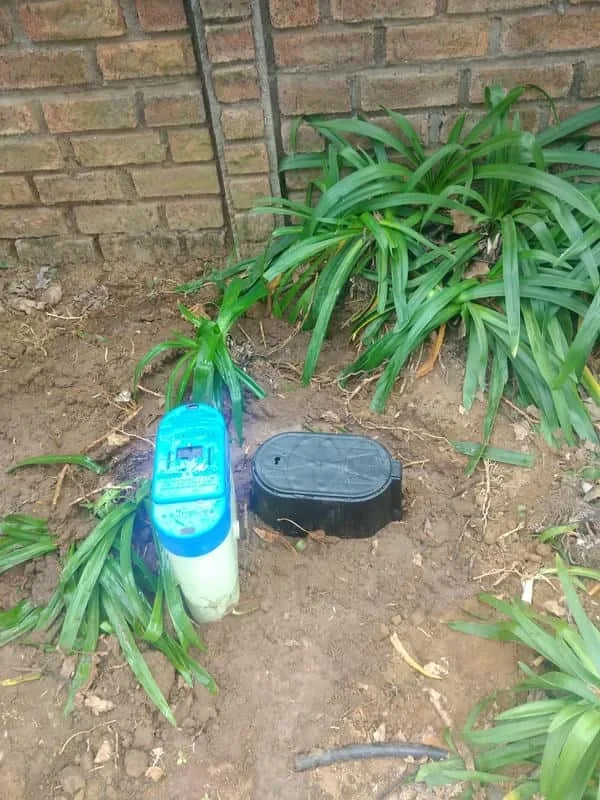
We start by identifying the meter and the private supply route. Keeping this cover accessible helps us check whether water is still passing when the property outlets are closed. Tell us if the leak appears before or after the meter; faults on the municipal side need to be reported to the water supplier.
Use these articles to learn more about water main leaks — from emergency steps and maintenance tips to repair options and cost factors. Each guide focuses on real situations we see on site across Gauteng.
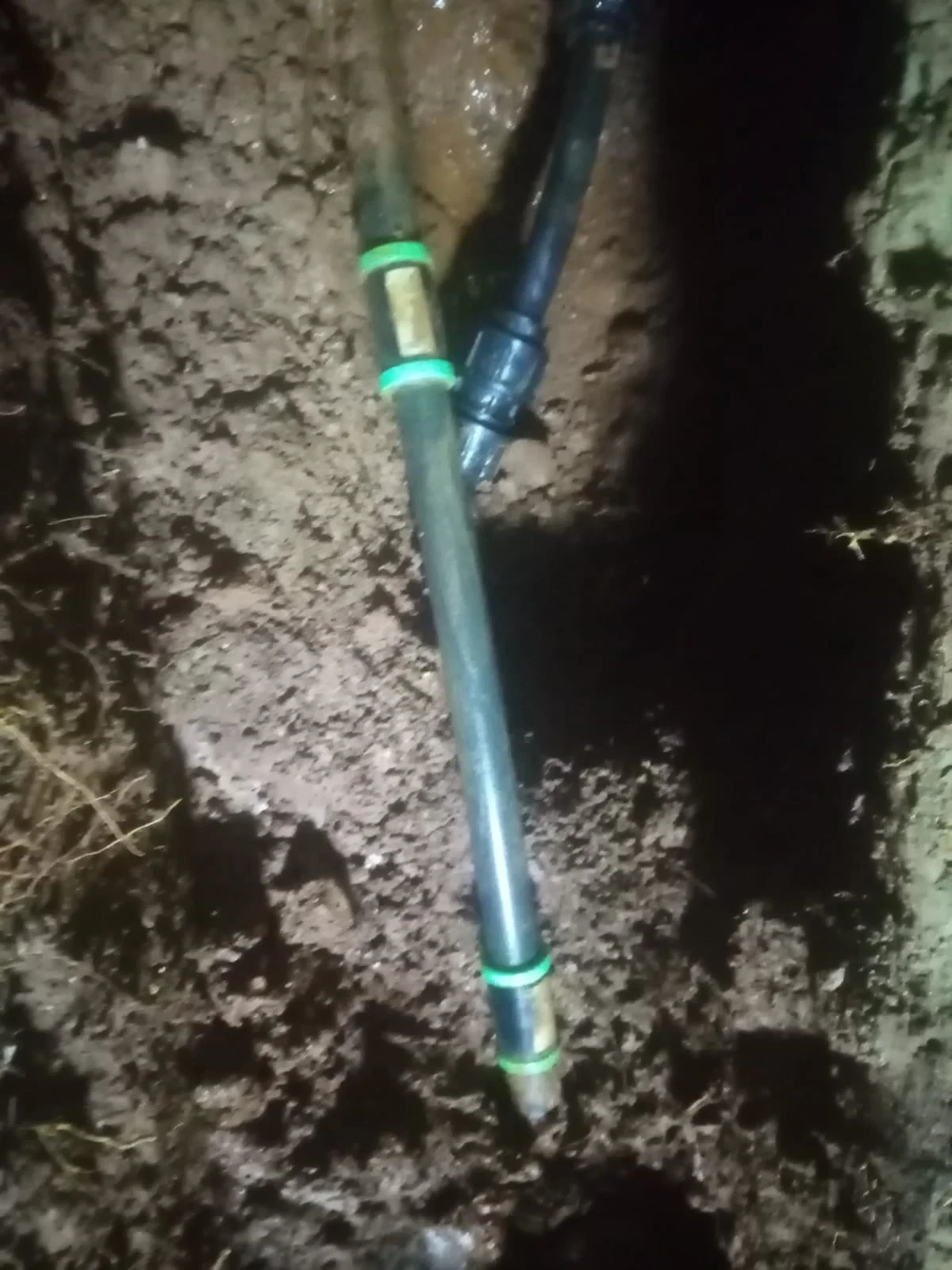
See how meter behaviour, isolation and investigation help distinguish a concealed supply leak from surface dampness.
Read guide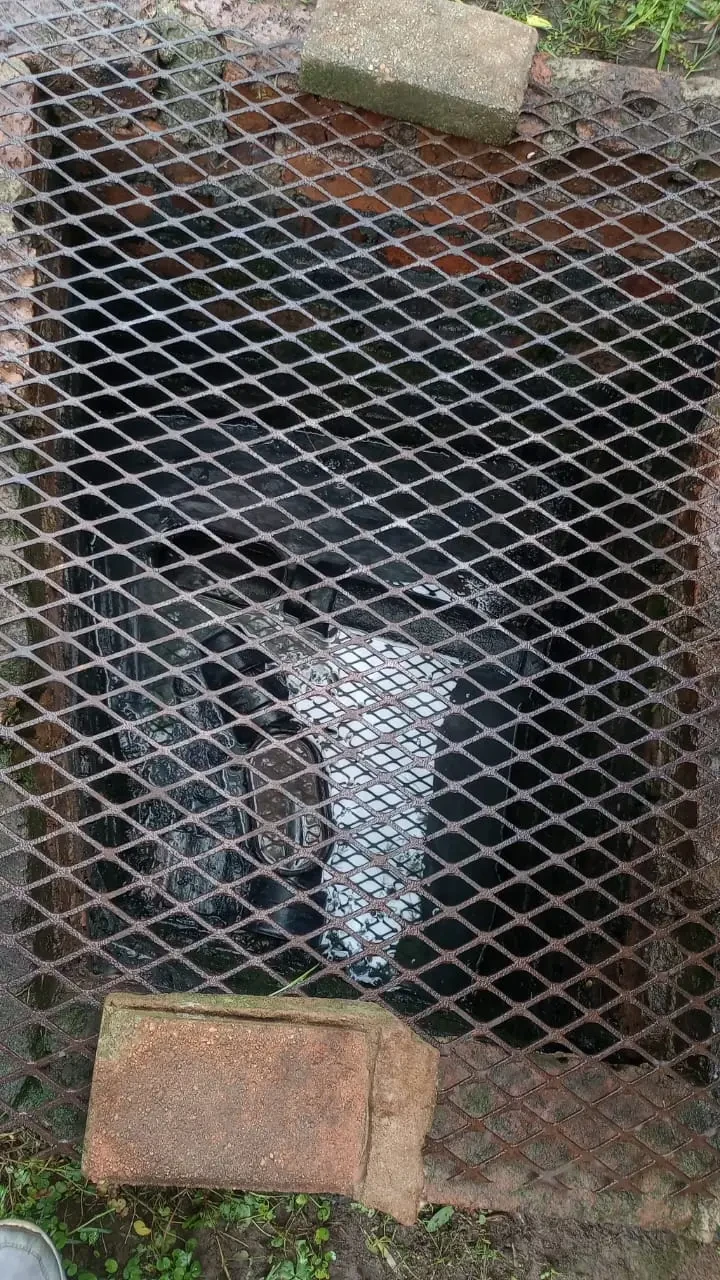
Standing water and open access points need care. Keep children and pets away, avoid contact with potentially contaminated water and tell the plumber where water is collecting.
Read guide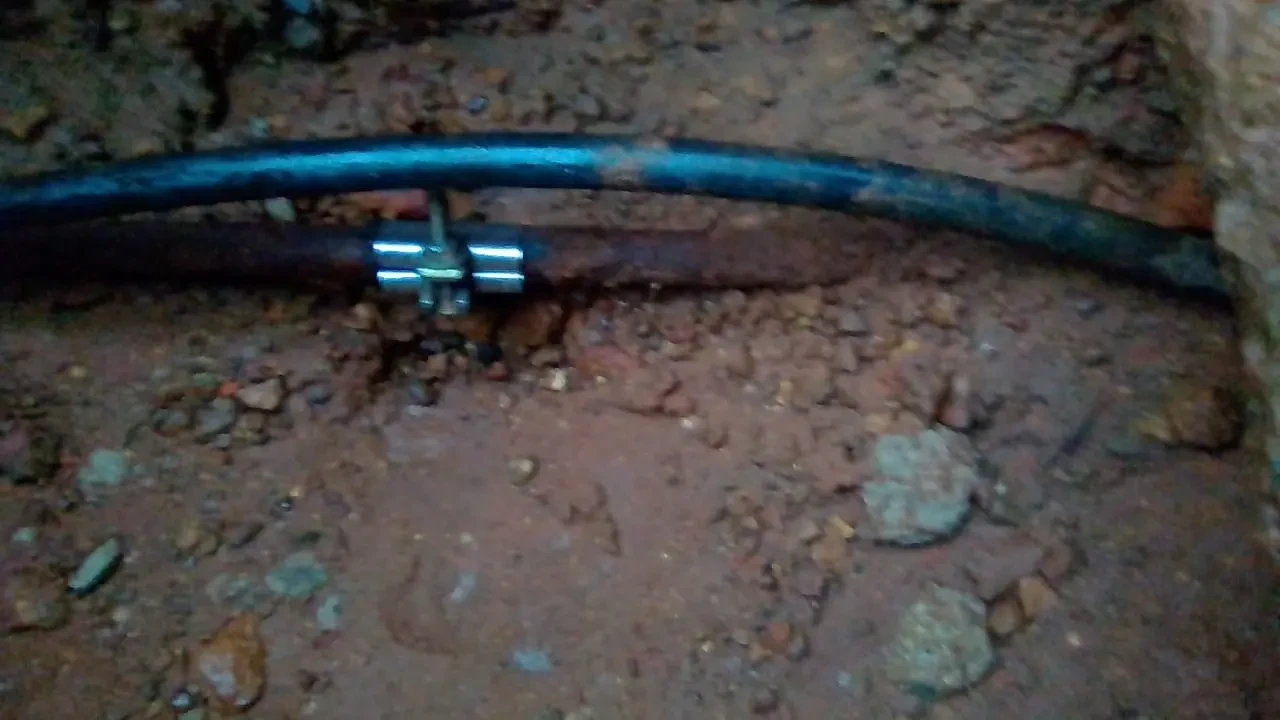
A useful repair quotation covers finding the fault, access, pipework and surface reinstatement. Compare that scope rather than the price of a fitting alone.
Read guide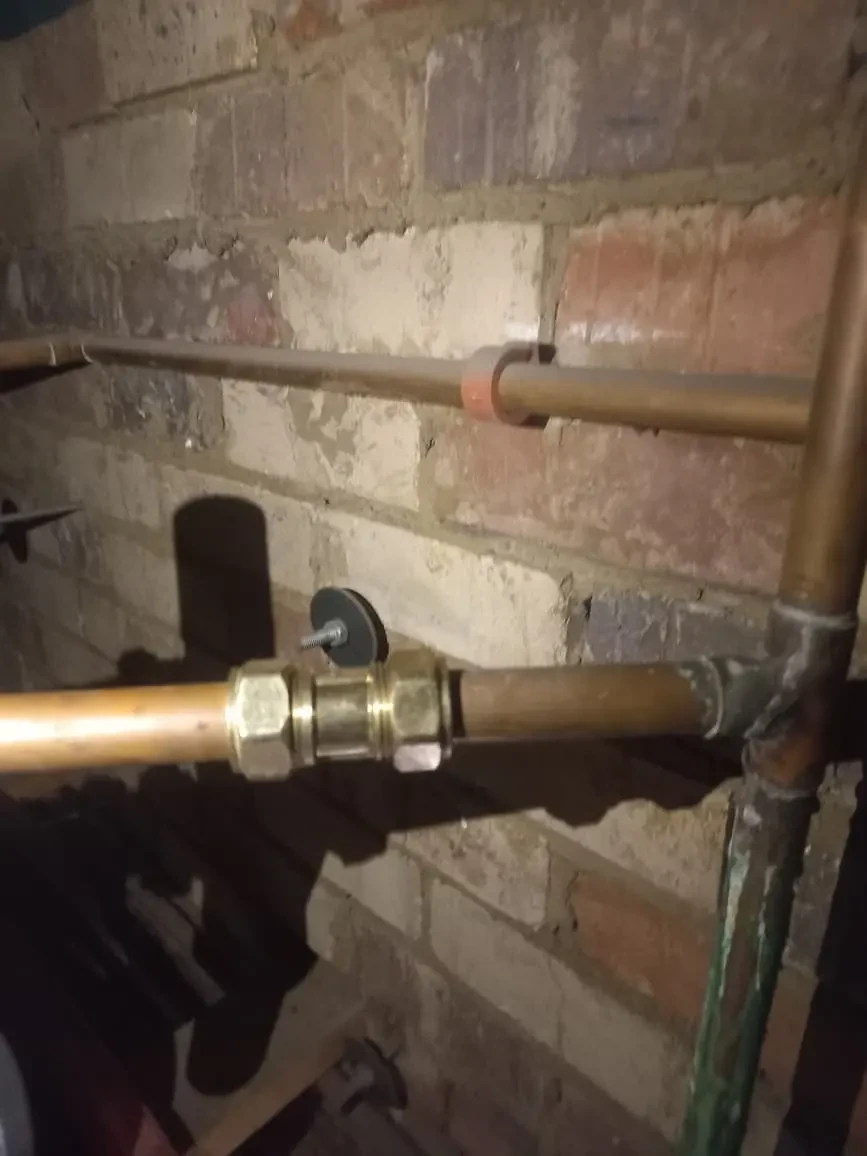
Ask how the leak will be reached, what pipework will be replaced and who will restore the opening. Approve any extra work before the scope changes.
Read guide