Listen to the blockage history
A toilet that blocks every few weeks is a different enquiry from one slow basin. Tell us which outlets are affected and whether the trouble returns after rain, heavy use or earlier clearing.

Professional Tree Root Removal From Drains with the standards you should expect: prepared technicians, accurate diagnosis, and repairs proven under normal use. We offer free call-out and quotation before work starts, so you always know work and price upfront.
Removing roots can restore flow, but roots can return through a damaged joint. We explain the clearing method and whether the affected pipe needs repair, with the proposed access and price agreed before further work.
Sometimes. The location and length of the damaged section, the pipe condition on either side and working access guide whether a spot repair or longer replacement is appropriate.
We start with the affected outlets and accessible inspection points. Where the line can be reached, camera inspection helps identify roots, breaks and the section that needs further work.
It can indicate a restriction in a shared line. Avoid using the affected fixtures, keep clear of wastewater and arrange an urgent assessment.
The quote depends on the depth and length of the affected run, the surfaces above it, and how the team can reach the pipe. Ask whether excavation and reinstatement are included.
Clearing roots can restore flow. If roots entered through a damaged joint or crack, repairing that opening may be needed to reduce recurrence.
Tell us which drains are backing up and how long earlier clearing lasted. We use that history to plan the access, remove the obstruction and check what the pipe needs afterwards.
A toilet that blocks every few weeks is a different enquiry from one slow basin. Tell us which outlets are affected and whether the trouble returns after rain, heavy use or earlier clearing.
We look for chambers and rodding eyes that reach the affected run. Clear access helps us choose the right direction for the work and can avoid removing a toilet or opening unnecessary paving.
The pipe size, bends, condition and obstruction determine the clearing method. We select suitable rods, mechanical equipment or jetting rather than forcing one tool through every drain.
We work on the obstruction and remove material that would otherwise remain in the line. Root fibres can also hold wipes and other waste, so the blockage may contain more than roots alone.
Where a camera inspection is needed, enough of the blockage must be cleared to obtain a useful view. We examine the accessible run for root entry, damaged joints and remaining restrictions.
We run water and check the affected fixtures and downstream drainage points. Normal use must drain away without the same backup developing again during the check.
If roots are entering through a damaged joint, clearing and sealing the entry point are separate tasks. We explain the location, access and recommended repair before quoting for additional work.
Where excavation is needed, we include the agreed backfilling and surface reinstatement in the work. We also explain any maintenance that remains relevant to the existing drain.
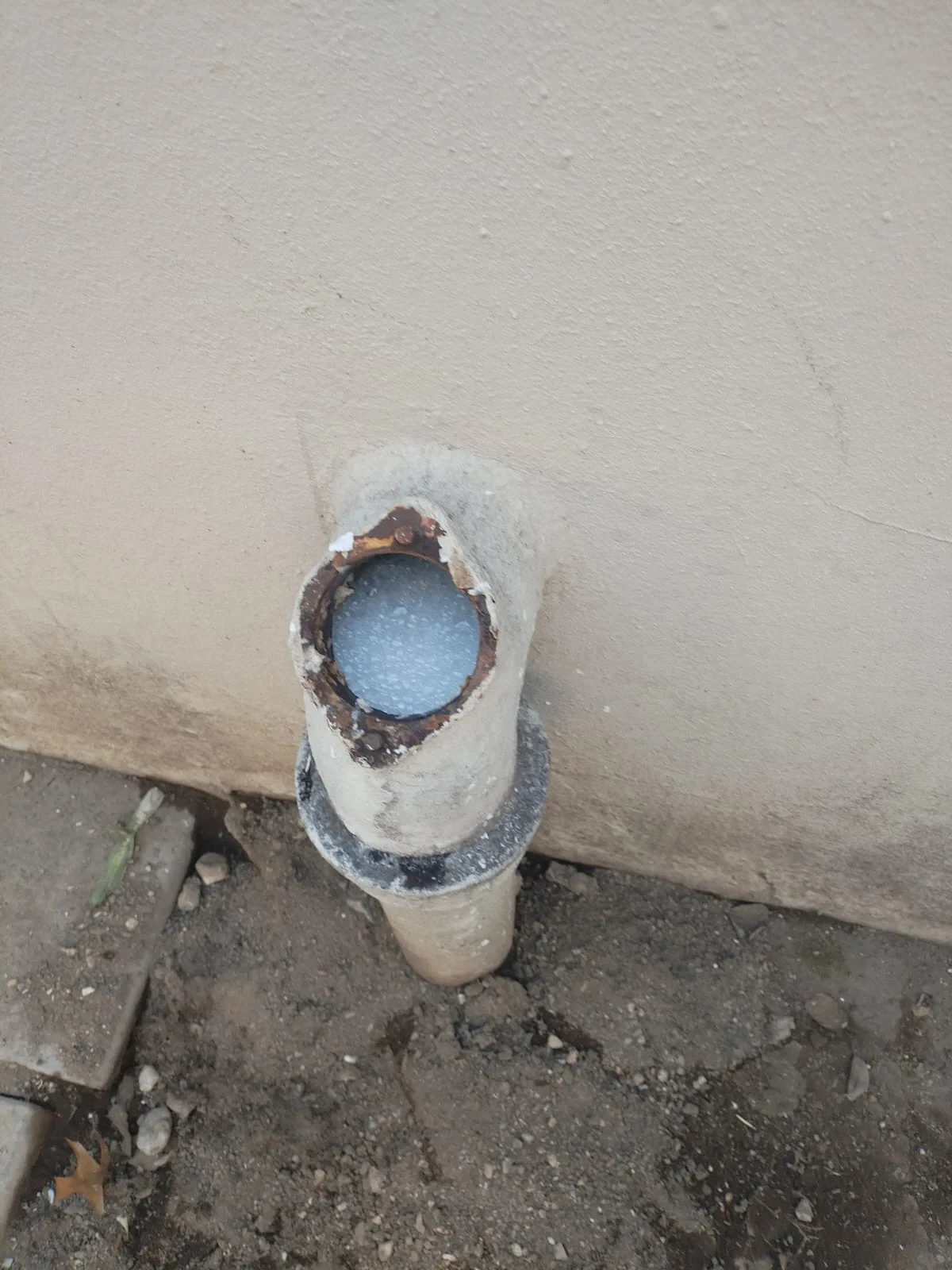
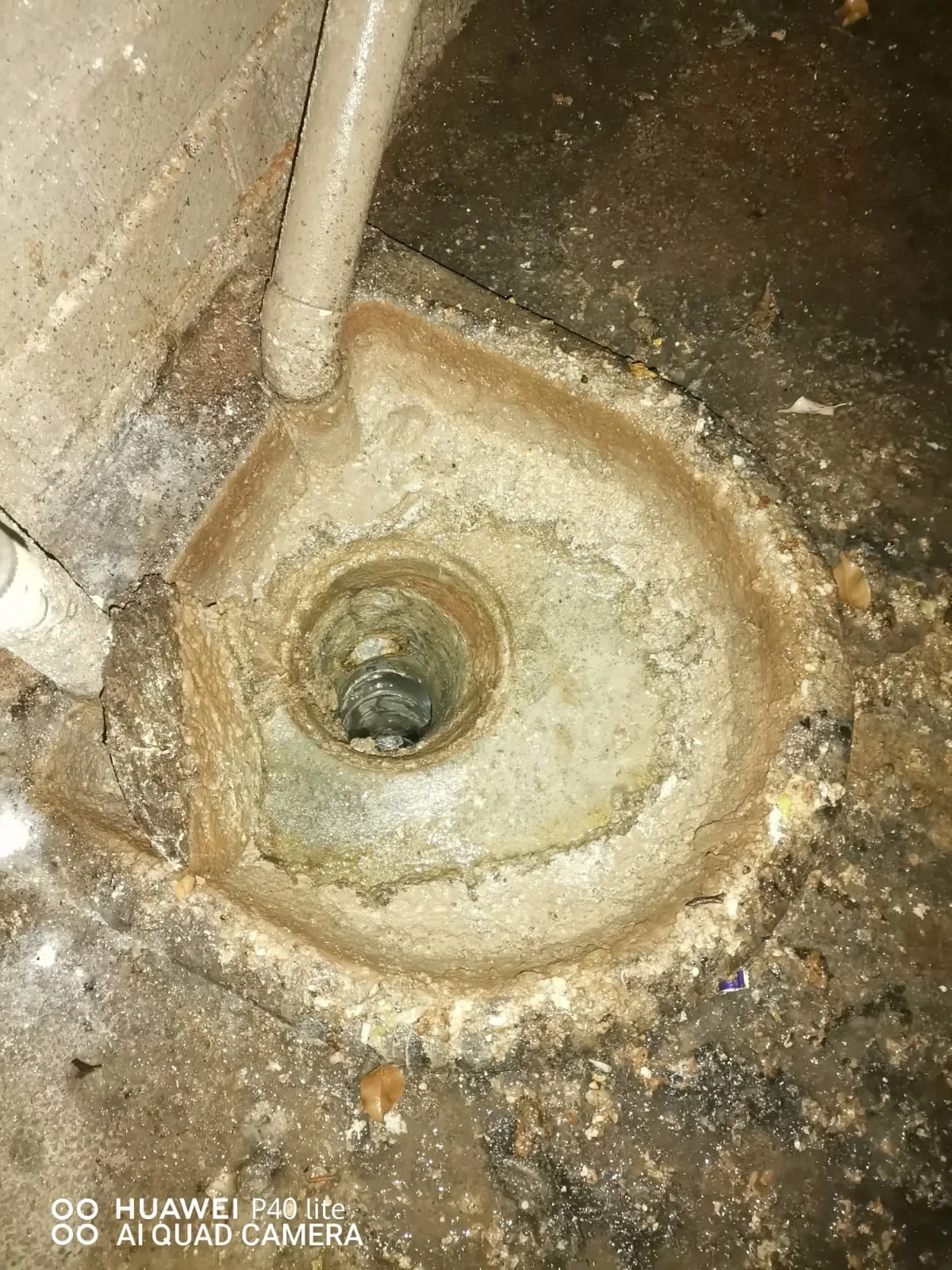
We check drainage at gullies like this after clearing the connected line. Some water is normal in a trapped gully; a rising level or wastewater that fails to drain away is the warning sign. We run the connected fixtures and watch the response instead of calling the job complete because the surface looks clear.
A root blockage can slow several fixtures, back up a toilet or overflow outside. We clear the restricted drain and help you decide whether the pipe also needs repairing.
Clearing deals with the immediate obstruction. We work through suitable access and remove material so wastewater can move through the affected run again.
Roots can return through cracked pipework or a defective joint. Repeated clearing without addressing that opening can leave you paying for the same recurring problem.
If the damaged section is under paving or beside a wall, our team can handle the access and agreed reinstatement. The quotation should explain the clearing, pipe repair and finishing work separately.
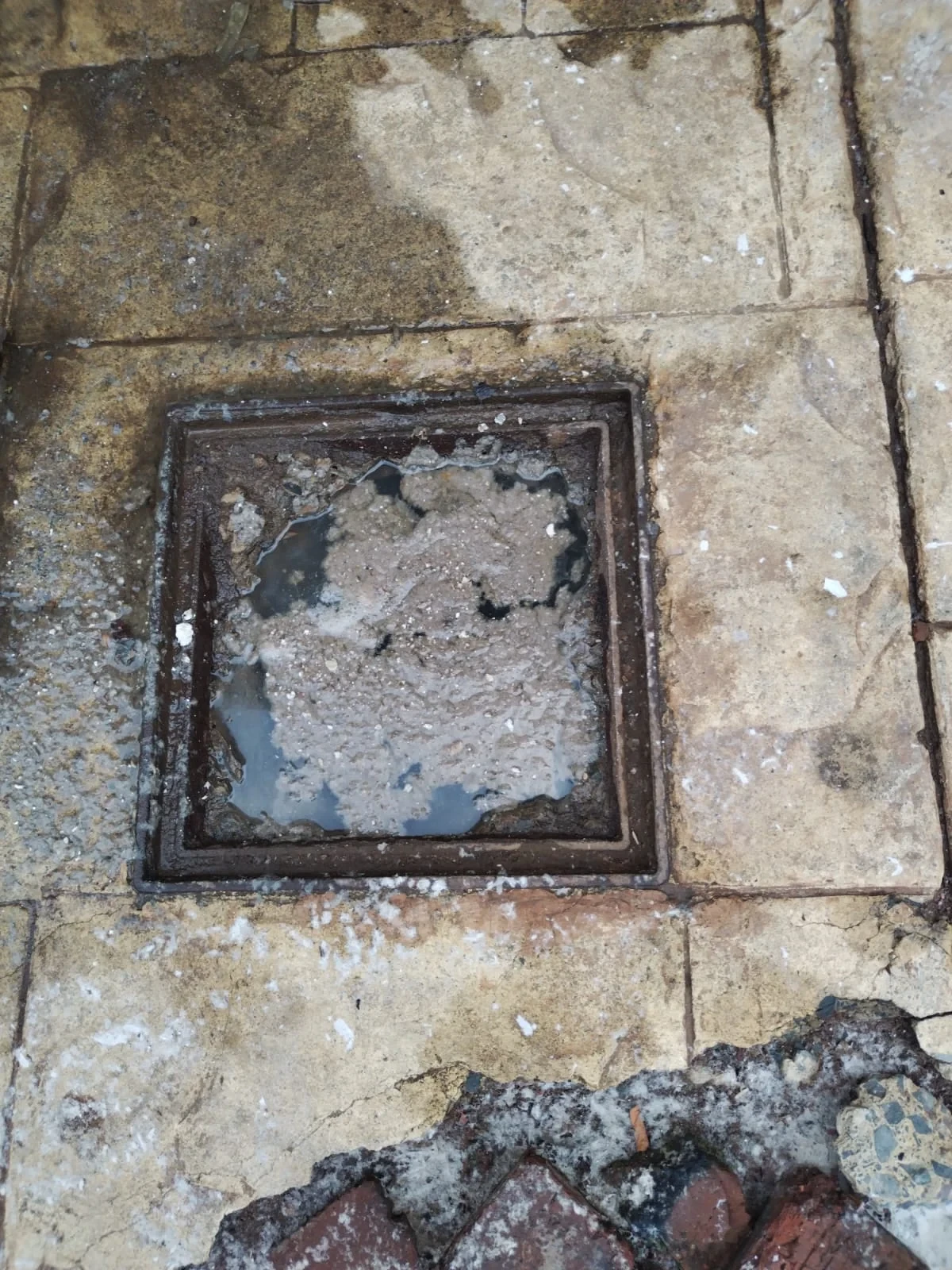
We opened this inspection point to investigate the drain beneath the paving. A backed-up access point helps us decide which section to clear or inspect next. We compare the flow at nearby outlets so we do not confuse a small fixture blockage with a restriction farther along the shared sewer.
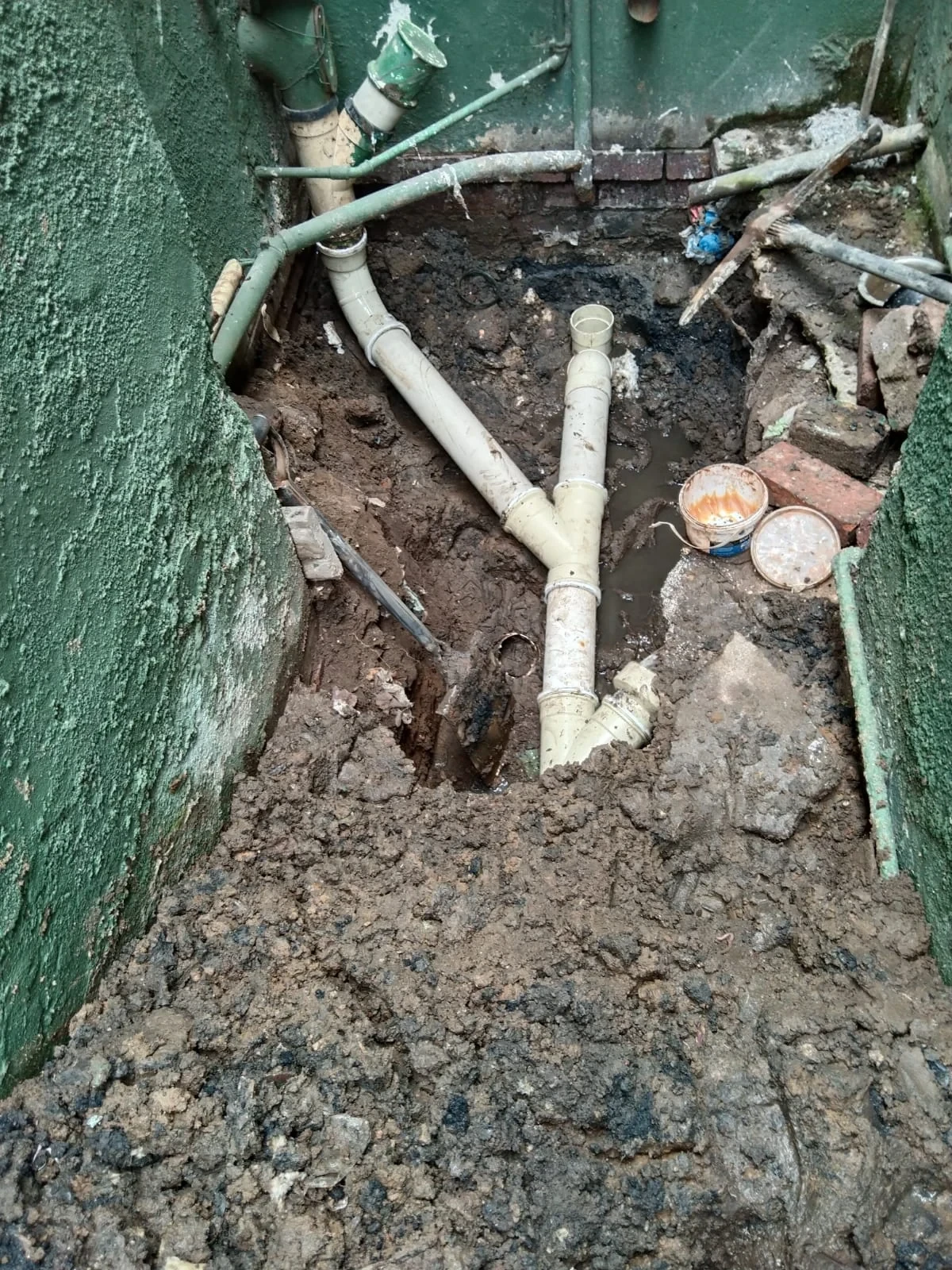
We excavated around this drain junction to reach the pipework for repair. Removing roots cannot seal a broken connection, so damaged fittings may need replacement after the blockage is cleared. Our team can include backfilling and reinstating lifted paving or other affected finishes in the agreed work.
Repeated blockages are a reason to investigate, especially when clearing provides only short relief. The symptoms tell us where to start; the drain findings determine the repair.
Wastewater rising at a shower or outside gully when another fixture is used can point to a restriction in a shared drain. Report which fixture was running when the backup appeared.
Keep the dates and any previous findings if you have them. The time between blockages helps us understand whether material is collecting again at a damaged section.
Water held in a gully trap can be normal. A rising level, overflow or failure to drain during fixture use needs attention, rather than treating every visible pool as proof of roots.
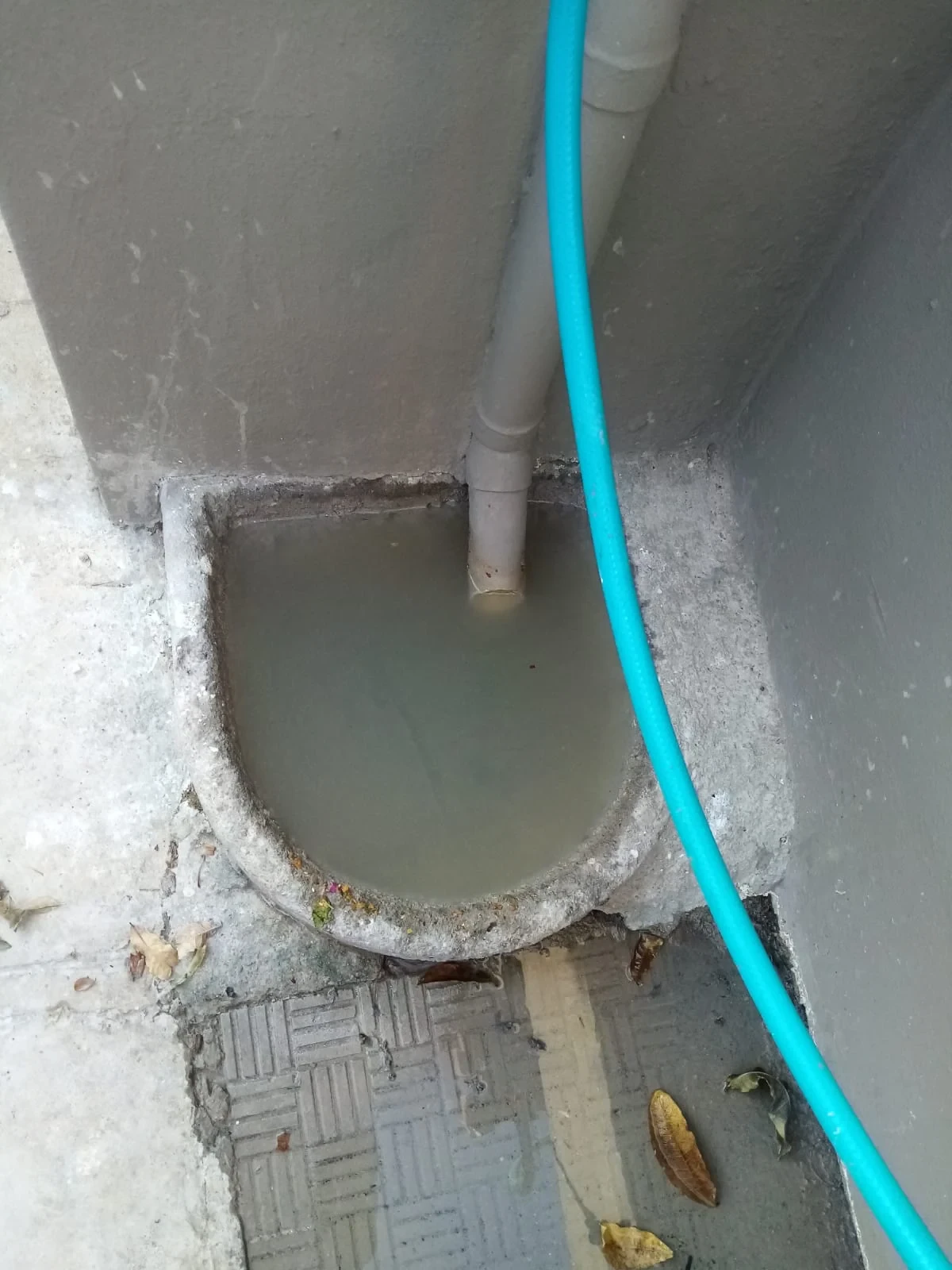
We check the water level at the gully while testing drainage through the repaired or cleared run. A drain that accepts a little water can still back up under normal household use. We use the connected outlets to check whether water continues moving away and whether another restriction needs attention.
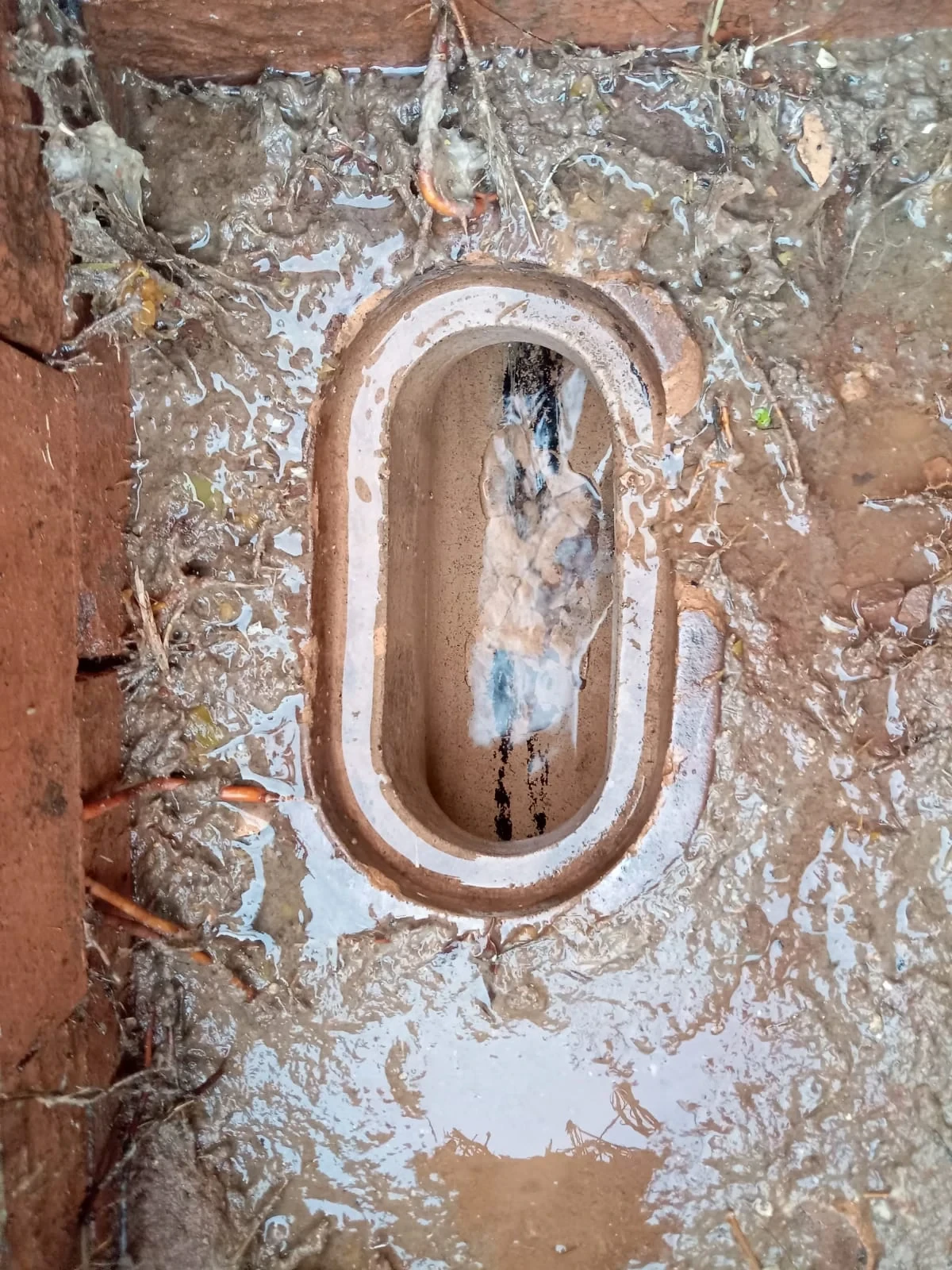
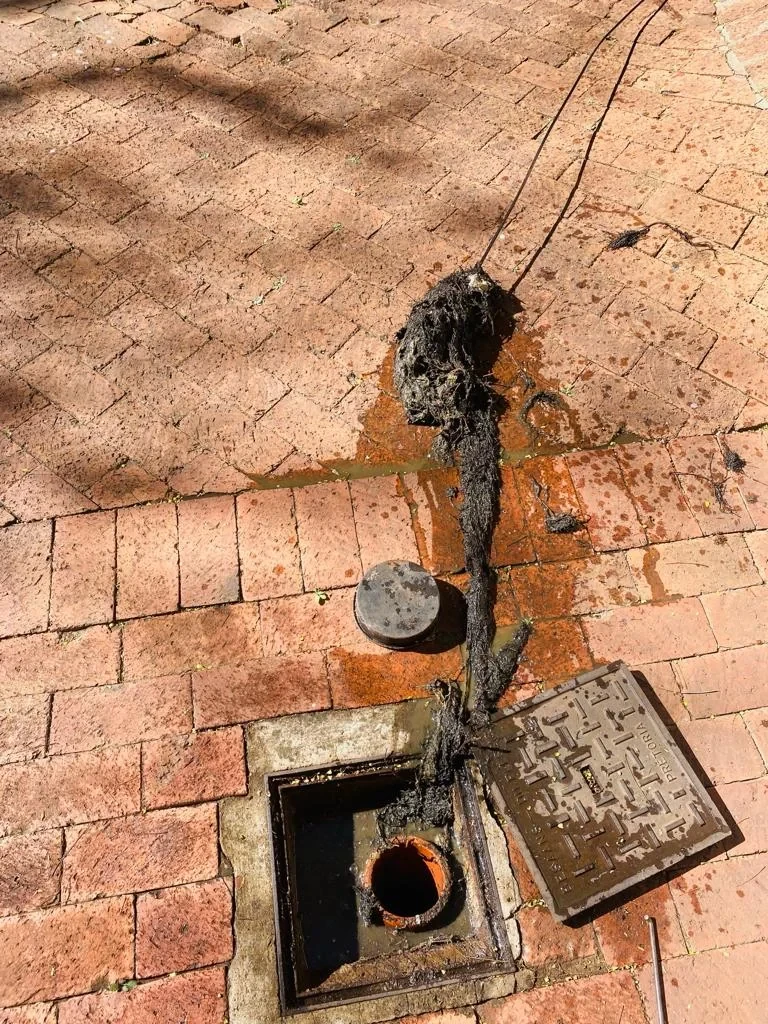
We removed the blockage through this drain access point. Pulling out the material restores a route for wastewater, but the next question is why the obstruction formed there. Where roots are entering a damaged joint, we explain the repair needed to address that entry point as well as the immediate clearing.
When the drain keeps blocking, an internal inspection can help show where roots are entering and what condition the surrounding pipe is in.
A camera cannot give a useful picture through a solid blockage or dirty standing wastewater. We explain any initial clearing needed and the part of the line the inspection can reach.
We look for root entry at joints, cracks and displaced connections. The extent of the damage matters when deciding whether a local fitting repair will be sufficient.
Where locating equipment and site conditions allow, the findings can help narrow the opening required. We explain any uncertainty about depth, direction or access before excavation begins.
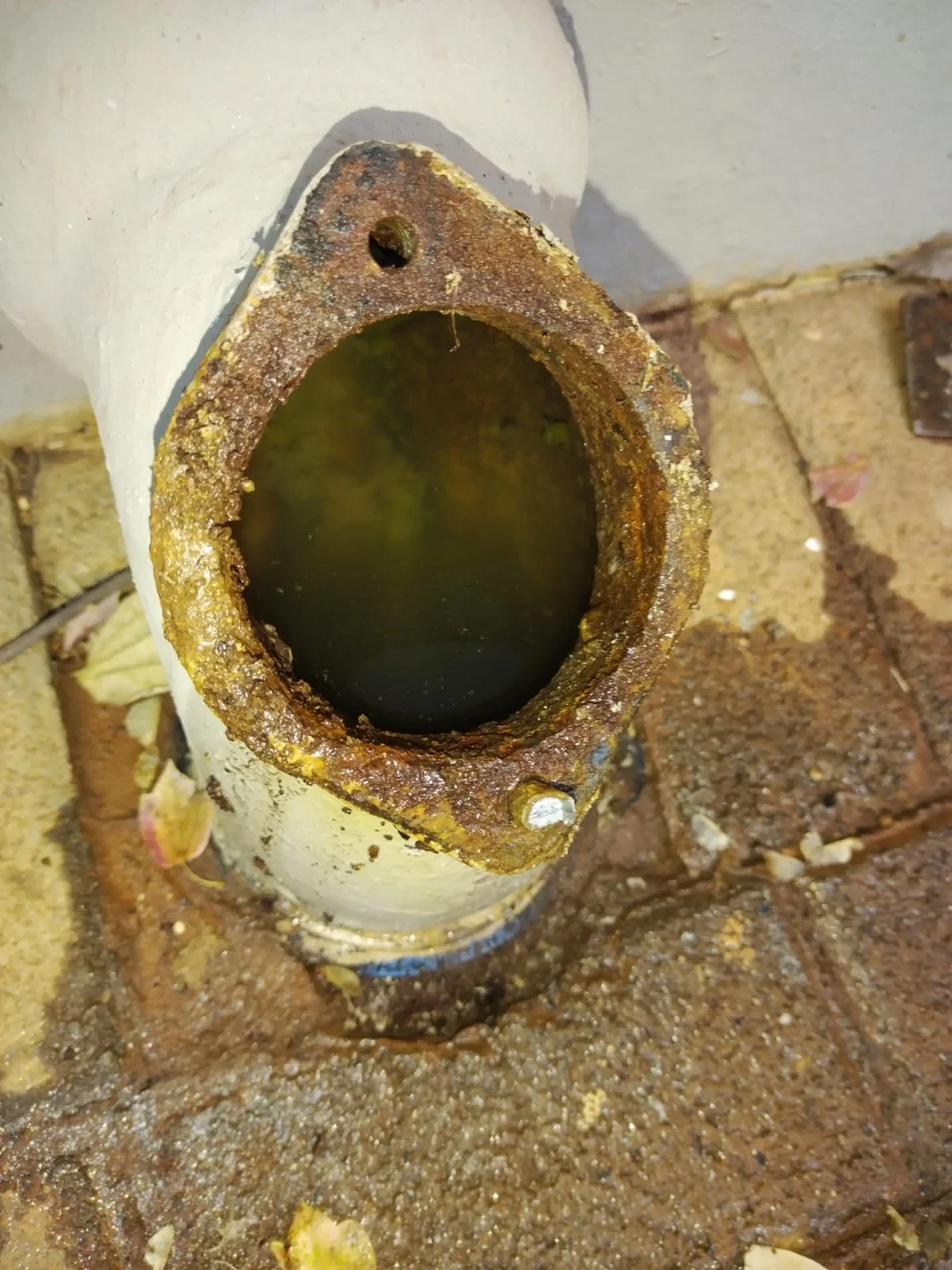
We opened this rodding eye to reach the affected drain. The entry angle and pipe route determine which clearing equipment can travel towards the obstruction. Once the work is finished, the access cover needs a sound seal as well as remaining reachable for the next service visit.
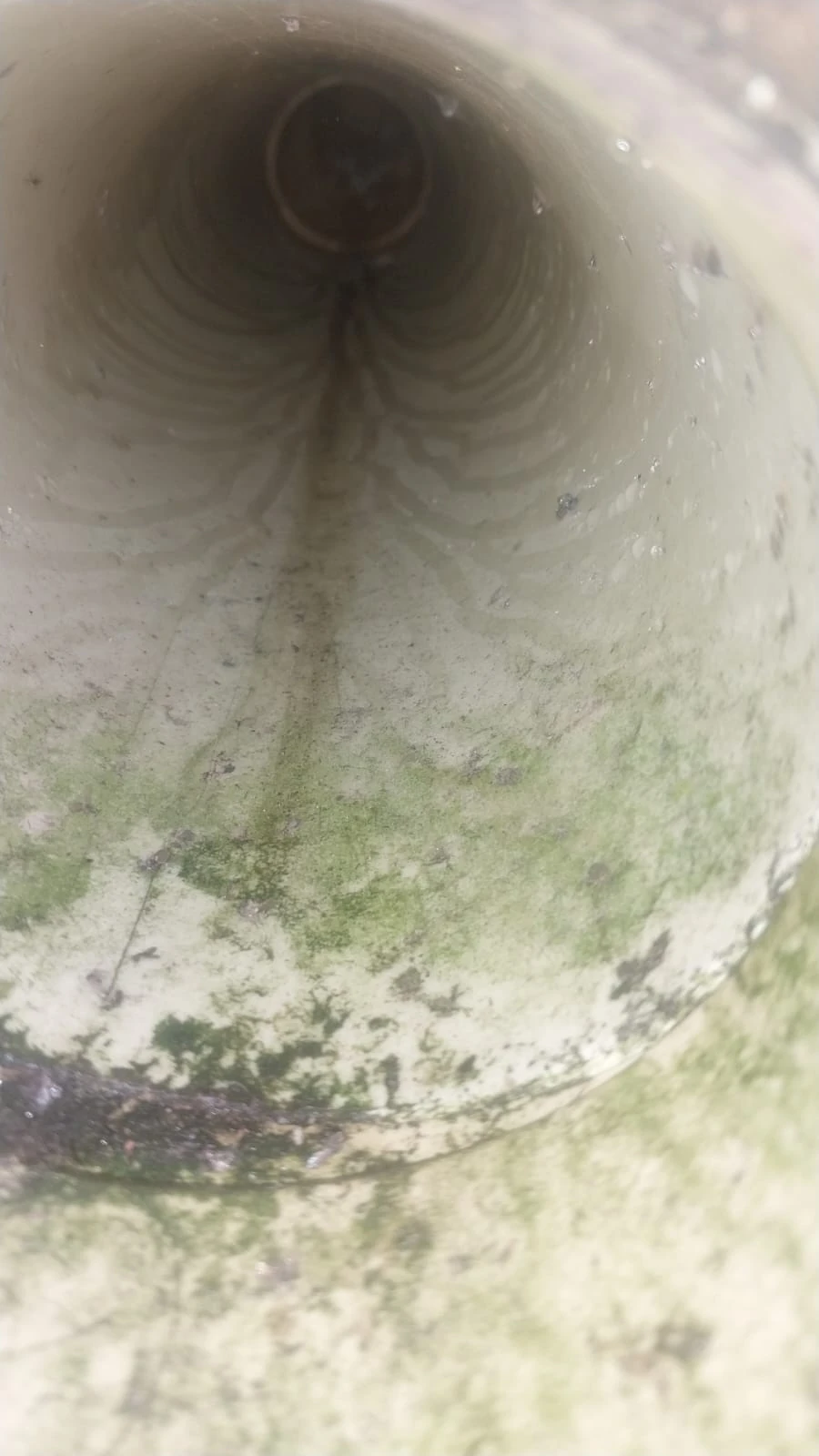
An internal pipe inspection helps us look beyond the material removed from a blocked drain. We check the accessible run for damage, displaced joints and remaining obstructions. Those findings guide the repair discussion, rather than assuming every recurring blockage needs the entire sewer replaced.
The aim is to clear the obstruction without treating sound and damaged pipework as though they were the same.
Suitable cutting or mechanical clearing equipment can work on roots inside an accessible run. We consider the pipe condition and available entry before choosing the equipment.
Jetting can help remove suitable deposits and debris from a drain. The access, obstruction and condition of the line determine whether it belongs in the clearing plan.
Clearing equipment cannot put a collapsed section back together or reseal a broken joint. Where structural damage remains, we quote for the affected pipework and the access needed to repair it.
A lasting solution may involve replacing a connection or a damaged length of drain after the obstruction is removed.
We identify the damaged joint or pipe section and explain what must be replaced. A local defect does not automatically mean the entire sewer needs replacing.
For a buried drain, the quotation needs to cover reaching the pipe as well as repairing it. We can lift and reinstate paving and coordinate the building work included in the agreed work.
We check the repaired connections and drainage before the opening is backfilled or the finishes are reinstated. Any additional damage found is discussed before expanding the work.
Maintenance is useful, but it needs to suit the condition of the drain and the reason it blocked.
Where roots have a continuing entry point, sealing or replacing the affected pipework addresses a cause that routine clearing leaves in place.
Do not bury rodding eyes under new paving or seal chambers permanently shut. Accessible covers make future checks and clearing easier to arrange.
Tell us if drainage slows again or a gully starts rising during normal use. If a permanent repair is deferred, we can discuss a maintenance plan and the limitations of repeated clearing.
You should understand what we found, what we propose and what the quotation includes before the job grows beyond the original clearing.
We distinguish the material removed from the condition of the pipe itself. Where an inspection informs the recommendation, we explain the finding and the practical options.
Plumbers, builders and paving teams can be coordinated where the job needs more than clearing. We agree on access, pipework and making good so the finishing work is part of the discussion.
We explain what was cleared or repaired, which access points must remain available and what changes to report. Your quotation and the site guarantee terms identify the work covered.
Contact our plumbers when tree roots repeatedly obstruct a drain or sewer line. We assess the affected section, remove accessible root growth and explain any pipe repair needed to reduce recurrence.
Repeated backups after clearing can indicate roots or damaged pipework. Tell us whether earlier footage showed roots, cracked joints or a collapsed section.
Don’t pour root-killing chemicals into the drain or dig around an unknown pipe route. Keep people and pets away from wastewater.
Stop using fixtures that are backing up and keep drain access routes clear. Have earlier camera footage or repair notes ready if they are available.
Tell us how often the blockage returns, what previous clearing involved and whether root entry was located. Mention nearby paving and access for equipment.
We explain the appropriate root removal and whether damaged joints or pipework need repair. Clearing restores the opening; repairing the entry point helps address why roots keep returning.
Practical guides to help you understand tree root removal plumbers, spot warning signs early, and decide when professional help is the safest choice. Written for homeowners and property managers who want clear answers before calling a plumber.
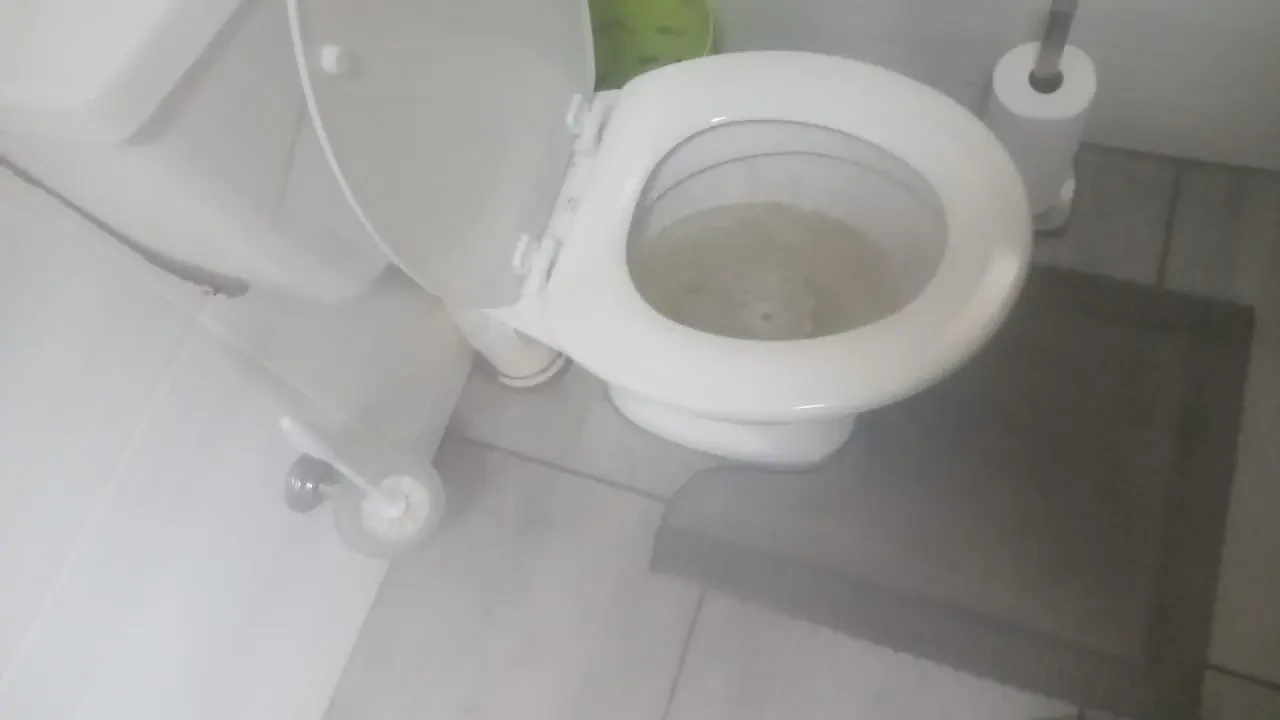
Stop flushing when the bowl is rising. The guide explains what to report, how to keep the area clear and why a toilet blockage can involve the downstream drain.
Read guide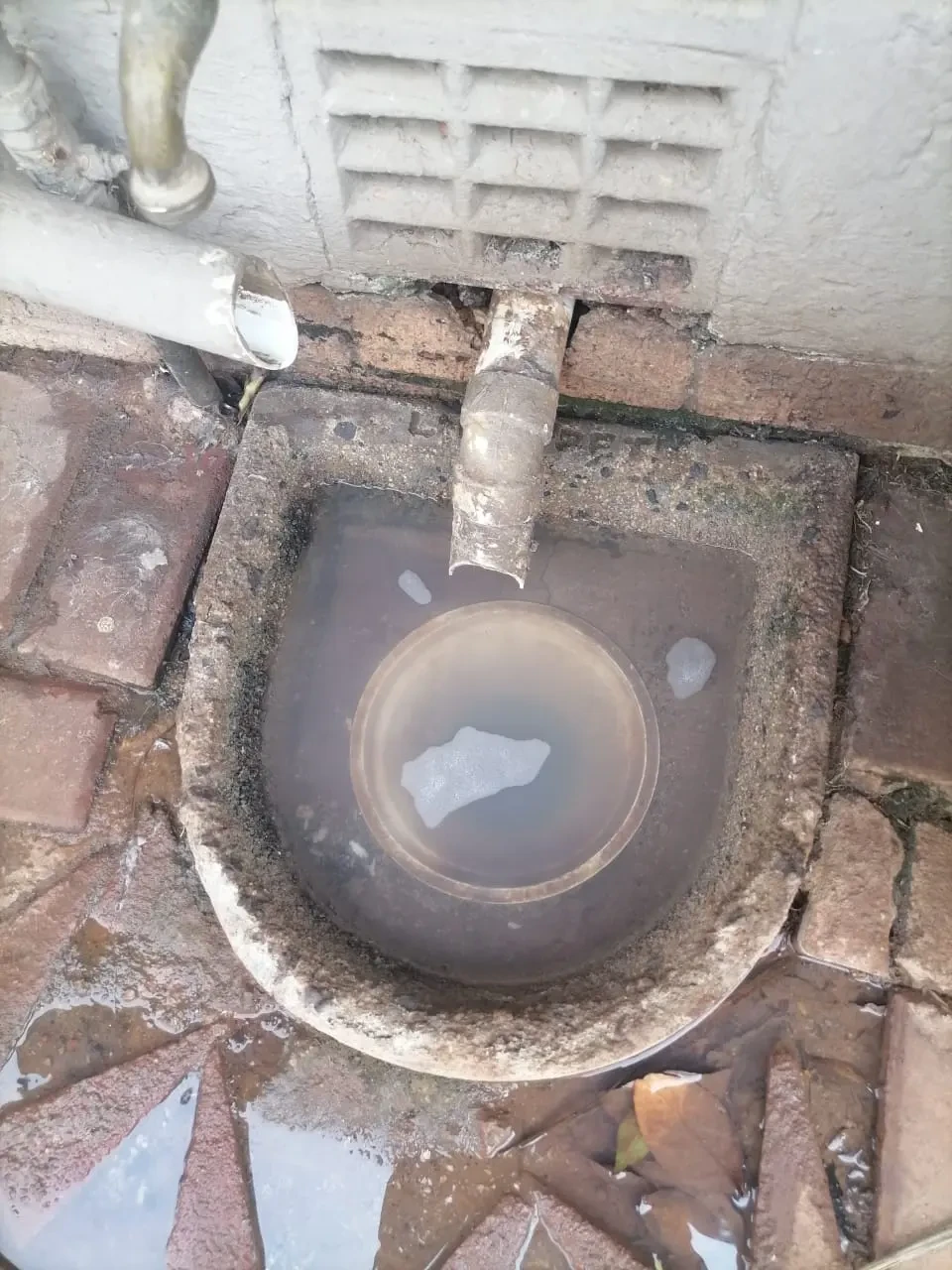
Recurring slow drainage needs more than a cleaning date. Learn which changes to watch for and when repeated clearing should lead to an investigation of the pipe condition.
Read guide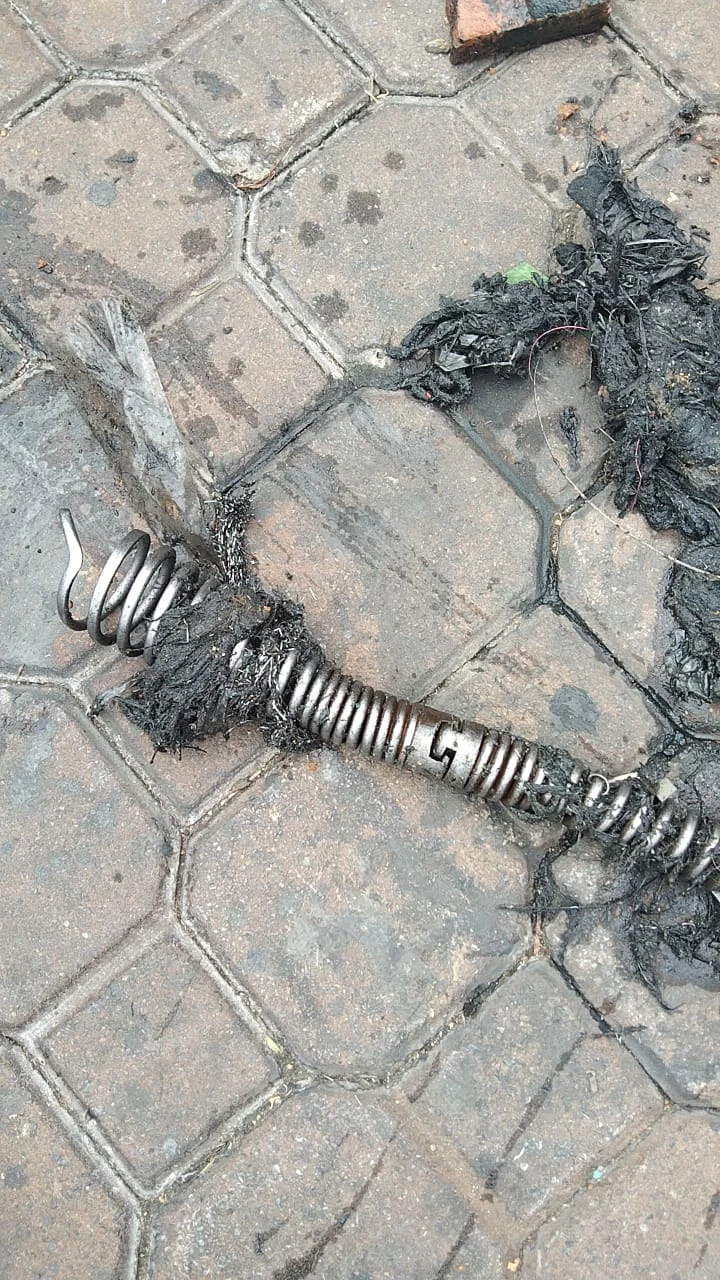
See why roots return through damaged joints, and how clearing, inspection and a targeted pipe repair can address different parts of the same problem.
Read guide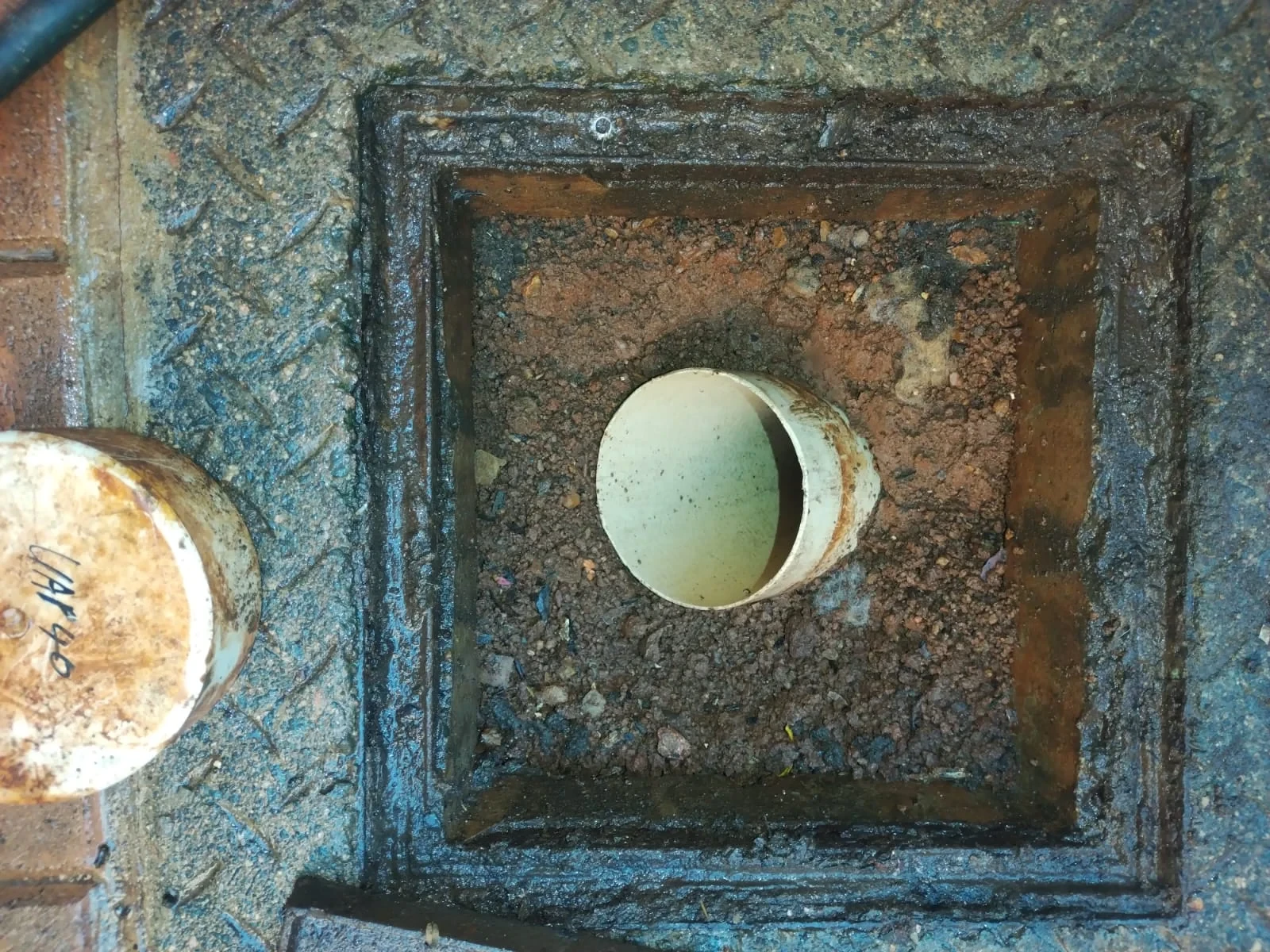
Accessible inspection points help with future drainage checks. Include missing covers, repeated backups and changes in flow when arranging a maintenance visit.
Read guide