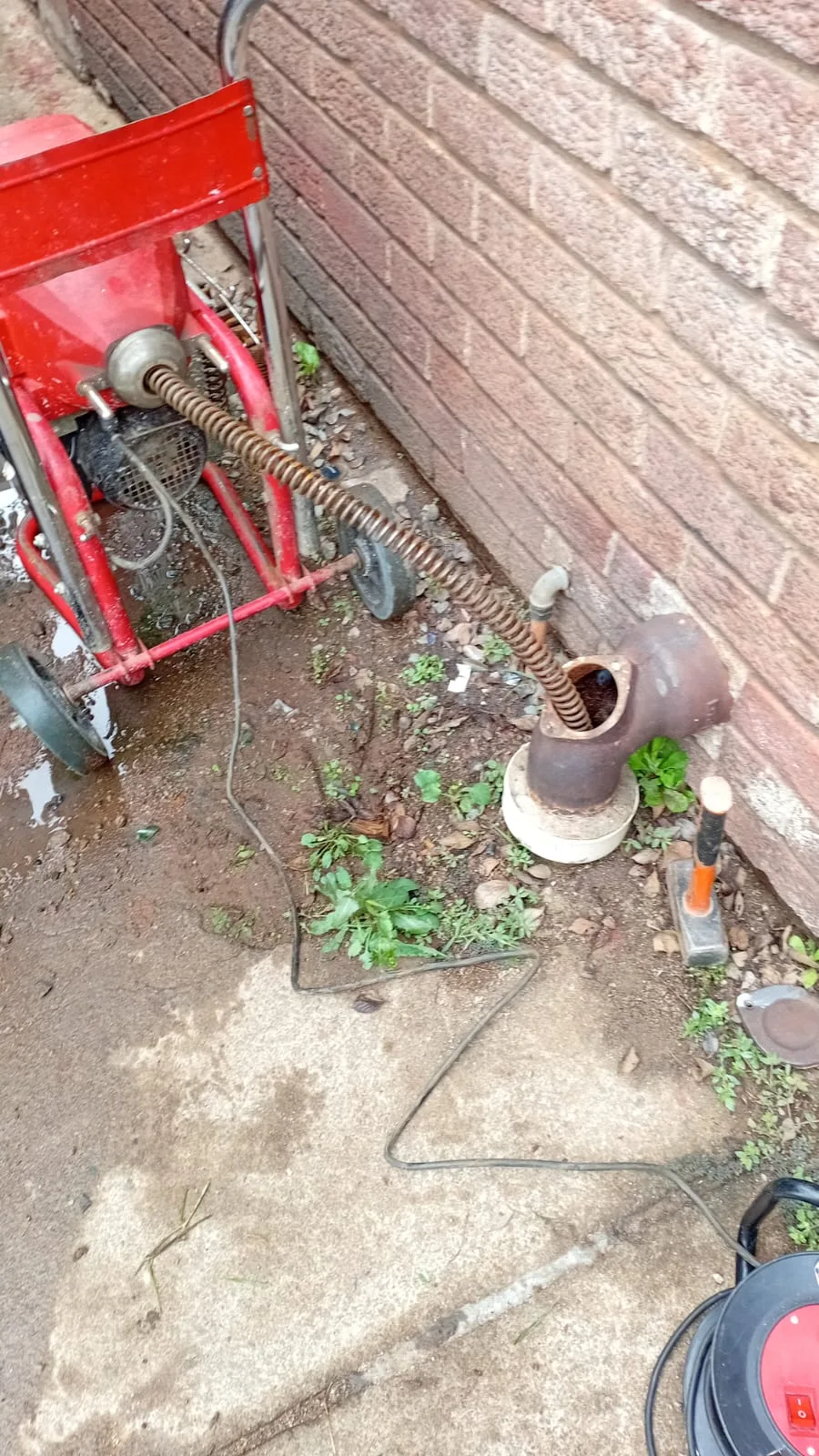
Hydro jetting and drain snakes are both valuable, but they perform different jobs. A snake breaks through or retrieves an obstruction mechanically. Hydro jetting uses controlled high-pressure water to scour deposits from a broader section of pipe.
Start here
The most powerful method is not automatically the safest or most effective. Pipe condition, access, material and obstruction type should be considered before equipment is selected.
How to recognise the problem
- A local obstruction close to a fixture may suit a snake.
- Grease or silt along a longer run may suit jetting.
- Roots may require cutting followed by cleaning and inspection.
- Repeated blockages may justify CCTV before or after cleaning.
Common causes
- Hair and soft local obstructions.
- Grease coating.
- Roots and fibrous material.
- Silt and mineral deposits.
- Foreign objects.
- Structural defects that no cleaning method can repair.
What you can safely check yourself
- Tell the plumber about previous chemicals used.
- Identify accessible inspection points.
- Stop using affected fixtures before service.
- Move valuables away from overflow areas.
What you should never do
- Do not operate high-pressure jetting equipment without training.
- Do not force a snake through fragile or unknown pipework.
- Do not treat cleaning as a repair for collapsed pipework.
When to call a plumber
A plumber should choose the method when the blockage is in a sewer, is recurrent, affects multiple fixtures or involves unknown pipe condition. Camera inspection may be needed when the risk of damage or recurrence is high.
How we can help
A drain snake can puncture, hook or cut an obstruction and is often useful in confined local lines. Hydro jetting can remove grease, silt and residue around the pipe circumference. The operator controls nozzle, pressure and flow to suit the line.
Reducing the chance of another problem
- Choose the method based on diagnosis, not habit.
- Repair pipe defects revealed after cleaning.
- Control grease and debris at source.
- Document recurring locations and previous findings.
Your questions answered
Can hydro jetting damage pipes?
Incorrect pressure, nozzle choice or use on badly damaged pipework can create risk. Professional assessment is important.
Does a drain snake clean the whole pipe?
Usually it creates or enlarges a passage and may remove an obstruction, but it may not clean all residue from the pipe walls.
Which method is faster?
That depends on access, blockage type and pipe condition. The fastest first attempt is not always the most durable solution.
When is a snake more suitable?
Local obstructions close to a fixture, soft hair clogs and some recoverable objects often suit mechanical snaking.
When is hydro jetting more suitable?
Grease coatings, silt along a longer run and residual film around the pipe circumference often benefit from jetting.
What about roots?
Roots may need cutting followed by cleaning and inspection. Cleaning alone does not fix a damaged joint that lets roots in.
Should CCTV be used?
Camera inspection is useful for recurrent blockages, unknown pipe condition and after major cleaning to check for defects.
Can cleaning fix a collapsed pipe?
No. Structural defects need repair or replacement; cleaning only restores flow through a sound line.
Is DIY jetting safe?
High-pressure equipment should not be operated without training. Incorrect use can damage pipes and fittings.
Can Plumb A Nator advise on the right method?
Yes. Contact the team with symptoms and history so the method can match the blockage and pipe condition.
Want practical advice on hydro jetting vs drain snakes?
Tell us how hydro jetting vs drain snakes affects your property and we will help plan the right response.