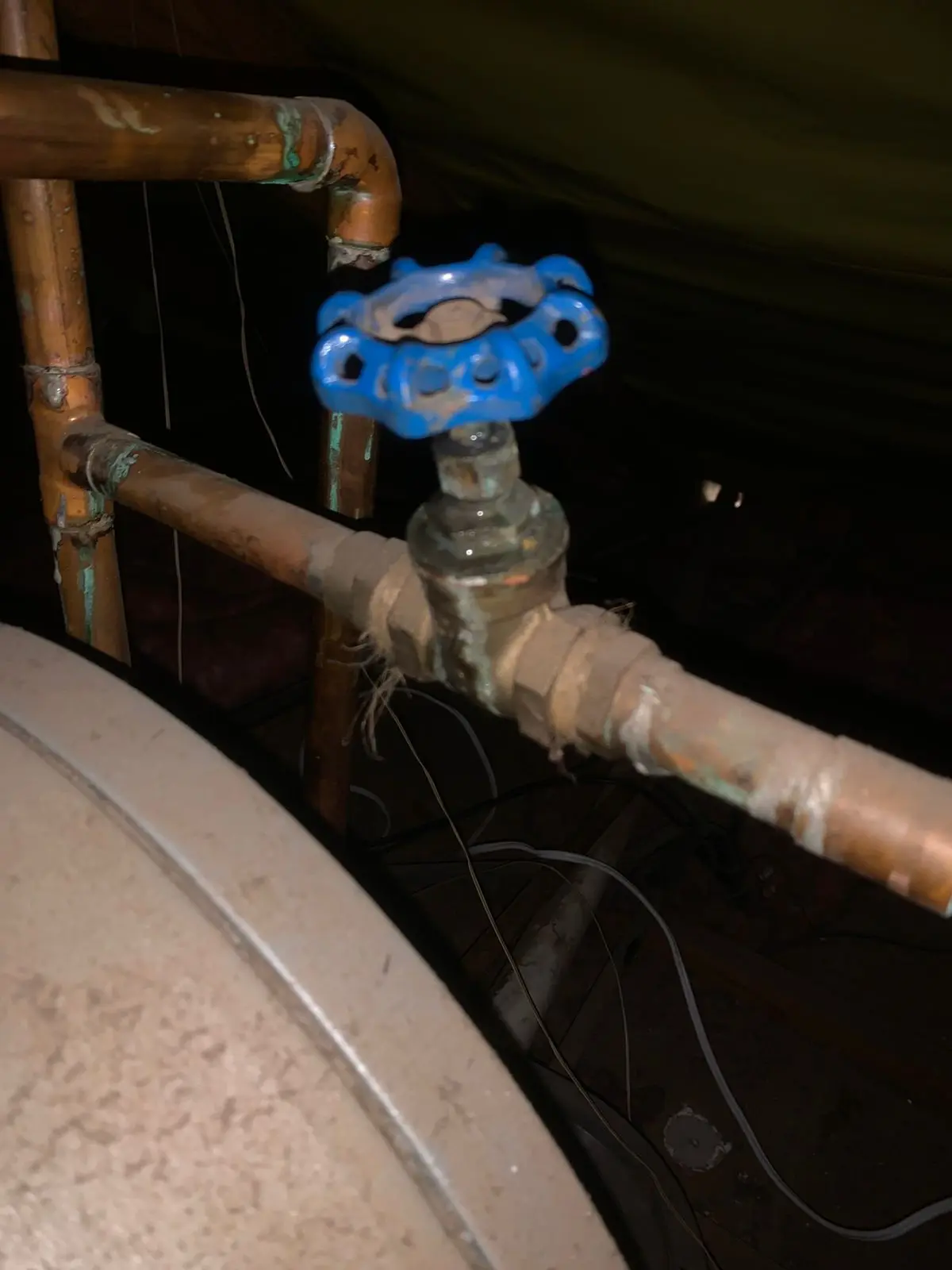
Record isolation points, repeat call-outs, key contacts and who can approve work. A useful service report identifies the affected fittings, what was tested and what still needs attention.
Start here
Facility management plumbing is an essential aspect of maintaining any commercial or residential property. When plumbing systems fail, the repercussions can be severe, affecting everything from daily operations to tenant satisfaction. However, before you panic about potential plumbing issues, it’s crucial to understand the landscape of plumbing in South Africa, especially considering the unique challenges we face, such as load shedding, municipal bylaws, and water scarcity.
Understanding Your Plumbing System
Every facility has a unique plumbing system designed to meet its specific needs. Familiarising yourself with the layout and components of your plumbing is the first step in effective facility management. This includes knowing the location of pipes, valves, and fixtures, as well as understanding the flow of water and waste throughout the building. Regular inspections and maintenance can help identify potential issues before they escalate. For instance, minor leaks can often go unnoticed and lead to significant water loss, which not only impacts your water bill but also contributes to the broader water crisis in South Africa.
Compliance with Municipal Bylaws
In South Africa, every municipality has its own set of bylaws governing plumbing work. Compliance with these legal requirements is non-negotiable. Failure to adhere to these regulations can result in hefty fines and may even jeopardise the safety of your facility. It’s crucial to work with qualified professionals who understand the local laws and can ensure that all plumbing installations and repairs meet the South African National Standards (SANS). At Plumb A Nator, our team is well-versed in these regulations and can help guide you through the compliance process, ensuring your facility meets all necessary legal requirements.
Addressing Load Shedding Impacts
Load shedding has become a reality for many South African facilities, leading to challenges in maintaining essential services, including plumbing. Water pumps, heating systems, and even automated irrigation systems can be affected by power outages. One solution is to invest in backup power solutions, such as generators or solar power systems, to ensure that your plumbing systems remain operational even during outages. Regular maintenance and checks on these systems are also vital to ensure they function correctly when needed. Our team can assist you in evaluating your current setup and recommend practical solutions to mitigate the impact of load shedding on your plumbing systems.
Water Conservation Strategies
With South Africa facing a water scarcity crisis, implementing water conservation strategies is not only beneficial for the environment but also for your bottom line. Upgrading to water-saving plumbing fixtures can drastically reduce your water consumption, leading to lower utility bills. For example, installing dual-flush toilets, low-flow showerheads, and tap aerators can significantly decrease water usage without sacrificing performance. This is an especially important consideration for commercial properties, where high occupancy can lead to increased water usage and costs. To learn more about how you can save water in your facility, check out our guide on Saving water at home.
Planning for Future Upgrades
As plumbing technology continues to evolve, it’s essential to stay informed about the latest innovations and best practices in the industry. Regularly reviewing your plumbing systems and planning for future upgrades can help you avoid costly repairs and improve overall efficiency. Consider conducting a plumbing audit every few years to assess the condition of your pipes, fixtures, and appliances. Investing in modern plumbing solutions can not only enhance your facility’s performance but also increase its value in the long run. Our experts at Plumb A Nator are here to help you navigate these upgrades and ensure your facility’s plumbing remains efficient and compliant.
By taking a proactive approach to facility management plumbing, you can mitigate potential issues and ensure your property operates smoothly. Understanding your plumbing system, complying with regulations, addressing load shedding, conserving water, and planning for future upgrades are all critical components of effective facility management. Don't wait for a plumbing emergency to strike; take the necessary steps today to safeguard your facility.
Contact the Plumb A Nator team today. Call 067 657 6109.Need professional plumbing assistance?
Speak directly to our team for practical advice, a free quotation and help arranging the right plumbing service.