
Ask what was checked, what the price covers and how the completed repair will be tested. If the fault is still uncertain, agree on the next investigation and its cost before authorising more work.
Start here
Noticing something unusual with your plumbing can be alarming, and it’s easy to leap to conclusions. However, before you panic, it’s important to remember that not all plumbing issues are as serious as they may seem. Many plumbing irregularities can be resolved easily or may not require immediate intervention. Understanding what constitutes a red flag can help you differentiate between minor inconveniences and potential catastrophes.
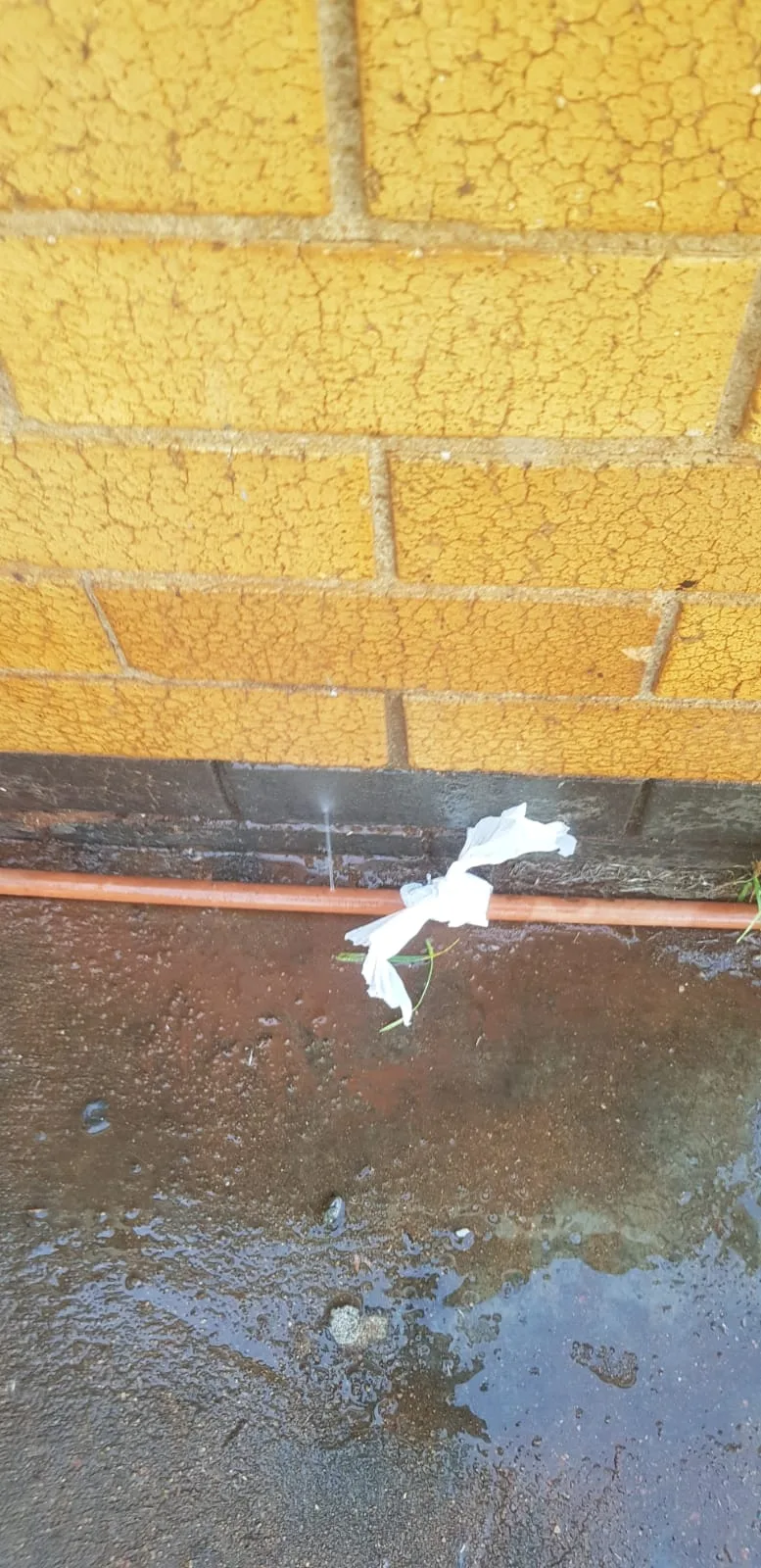
In South Africa, where municipal services can be inconsistent due to load shedding and other factors, it’s essential to be vigilant about your plumbing. Recognising the signs early can save you from costly repairs and water wastage, which is particularly crucial in our water-scarce environment. Always approach plumbing issues with a level head and a willingness to investigate further.
What you need to know
Plumbing red flags refer to warning signs that indicate a possible underlying issue within your plumbing system. These can range from minor leaks and strange noises to more severe problems like burst pipes or sewage backups. Understanding these red flags is vital for homeowners and business owners alike, as it empowers them to take timely action before issues escalate.
In South Africa, where many households are already facing challenges related to water supply and rising municipal costs, identifying plumbing issues early can help mitigate potential damages and expenses. The South African National Standards (SANS) provide guidelines for plumbing practices, and being informed about these standards can help you maintain your system effectively.
How to Recognise Potential Problems
Recognising potential plumbing problems is the first step in preventing larger issues. Here are some common signs to look out for:
- Unusual Sounds: Banging, gurgling, or hissing noises coming from your pipes can indicate air in the lines, a blockage, or even water hammer.
- Unpleasant Odours: Foul smells, especially near drains, may suggest a sewage issue or a dry trap that needs attention.
- Changes in Water Pressure: A sudden drop in water pressure can signify a leak in your system, while an increase might indicate a blockage.
- Water Stains: Discolouration on walls or ceilings can point to a hidden leak, potentially leading to mould and structural damage.
- Increased Water Bills: A spike in your monthly water bill may indicate a slow leak somewhere in your plumbing system.
Common Issues
Several plumbing issues are frequently encountered by South African homeowners. Understanding these common problems can help you identify them early:
- Leaky Taps and Toilets: Dripping taps and running toilets are not only annoying but can also lead to significant water wastage and increased bills.
- Blocked Drains: Blockages are common in kitchens and bathrooms due to grease, hair, and soap buildup. Regular maintenance can help prevent this.
- Pipes Corrosion: Older pipes, particularly those made from galvanised steel, can corrode over time, leading to leaks and water contamination.
- Water Heater Issues: Problems with geysers can lead to unexpected cold showers or leaks, which require immediate attention.
- Sewage Backups: This is a serious issue that requires professional intervention, as it can pose health risks and significant damage to your property.
What You Can Safely Check Yourself
Before calling in a professional, there are several plumbing checks you can perform yourself to determine the extent of the issue. Here are some safe checks:
- Inspect for Leaks: Look under sinks and around toilets for any signs of moisture or pooling water. Tighten fittings if necessary.
- Check Water Pressure: Turn on a tap and see if the water flows steadily. If it’s weak, there may be a blockage or leak.
- Examine the Water Heater: Check for leaks around the geyser, and ensure that the temperature setting is appropriate. Regularly flushing the tank can also prevent sediment buildup.
- Clear Minor Clogs: Use a plunger or a plumbing snake to address minor clogs in sinks or toilets. Just be cautious not to apply excessive force.
What You Should Never Do
While it’s great to be proactive about plumbing issues, there are certain actions that can worsen the situation or even cause further damage. Here’s what you should avoid:
- Don’t Ignore Persistent Problems: If an issue keeps recurring, don’t brush it off. It may signal a larger problem that needs professional assessment.
- Avoid DIY Repairs Beyond Your Capability: While small fixes may be manageable, attempting complex repairs without the right skills can lead to more significant issues.
- Never Use Chemical Drain Cleaners: These can damage your pipes and worsen blockages; instead, consider natural alternatives or consult a professional.
- Don’t Delay Calling a Professional: If you suspect a major issue, such as a burst pipe or sewage backup, don’t hesitate to contact a plumber. Time is of the essence in preventing further damage.
When to Call a Plumber
Knowing when to call a plumber can save you time and money. Here are key scenarios where professional help is necessary:
- Major Leaks: If you notice a significant leak that you cannot stop, it’s critical to call a plumber immediately to prevent water damage.
- Multiple Clogged Drains: If multiple drains in your home are clogged at the same time, this may indicate a more serious plumbing issue.
- Water Quality Issues: If your water smells or tastes unusual, or appears discoloured, contact a professional to evaluate the quality and safety of your supply.
- Unresponsive Fixtures: If your taps or showerheads do not respond to adjustments or if they are leaking excessively, you should consult a plumber.
- Sewage Problems: Any signs of sewage backups or foul odours should prompt an immediate call to a plumbing professional to address the health risks involved.
How our plumbers help
At Plumb A Nator, our team is dedicated to providing reliable plumbing solutions tailored to the unique needs of South African households and businesses. We understand the local context, including municipal bylaws and the challenges posed by load shedding, and strive to deliver services that ensure your plumbing systems are efficient and compliant with SANS standards.
Whether you need a routine inspection, emergency repairs, or advice on upgrading to water-saving fixtures, our experienced plumbers are here to help. Our commitment to quality workmanship and customer satisfaction means you can trust us to resolve your plumbing issues quickly and effectively. For more information on how we can assist you, visit our services page.
Planning Ahead
Being proactive about plumbing maintenance can save you time and money in the long run. Here are some tips for planning ahead:
- Regular Inspections: Schedule annual plumbing inspections with a professional to catch potential issues before they escalate.
- Upgrade Fixtures: Consider upgrading to water-efficient fixtures to reduce your water consumption and lower your bills.
- Know Your System: Familiarise yourself with your plumbing layout, including shut-off valves and main lines, so you can act quickly in emergencies.
- Emergency Contacts: Keep the contact details of a reliable plumber on hand for quick access in case of urgent issues.
Your questions answered
What counts as a plumbing red flag?
Unusual noises, foul drain smells, sudden pressure changes, stains on ceilings, and unexplained bill spikes.
Why do red flags matter early?
Small symptoms often point to leaks, corrosion or drainage faults that become expensive if ignored.
Can I safely investigate minor signs myself?
Yes for visual checks under basins, basic pressure observation and clear access, but stop before invasive work.
When is a running toilet a serious issue?
Continuous running wastes large volumes of water and often means a failed flush valve or fill mechanism.
Do multiple clogged drains mean a bigger problem?
Often yes. Simultaneous blockages can indicate a shared stack or main-line restriction.
Should chemical drain cleaners be used?
Generally no. They can damage pipes and make professional clearing more hazardous.
What if water quality suddenly changes?
Discoloured, smelling or tasting water needs prompt assessment of the supply path and fixtures.
Are rising water bills always a leak?
Not always, but unexplained increases warrant meter checks and a leak investigation.
When must I call a plumber urgently?
Active flooding, sewage exposure, electrical risk near water, or a leak you cannot isolate.
Can Plumb A Nator help interpret red flags?
Yes. Contact the team for practical assessment and repair options on Gauteng properties.
Need professional plumbing assistance?
Speak directly to our team for practical advice, a free quotation and help arranging the right plumbing service.