
Stopping the water is only the first stage after a burst pipe. Water can travel through ceilings, insulation, wall cavities, cupboards, floors and electrical fittings. A repair may stop the leak while hidden moisture continues damaging the building.
Make the area safe first
Keep people away from slippery floors, sagging ceilings, hot water and electrical hazards. Do not touch plugs, appliances or the distribution board while standing in water.
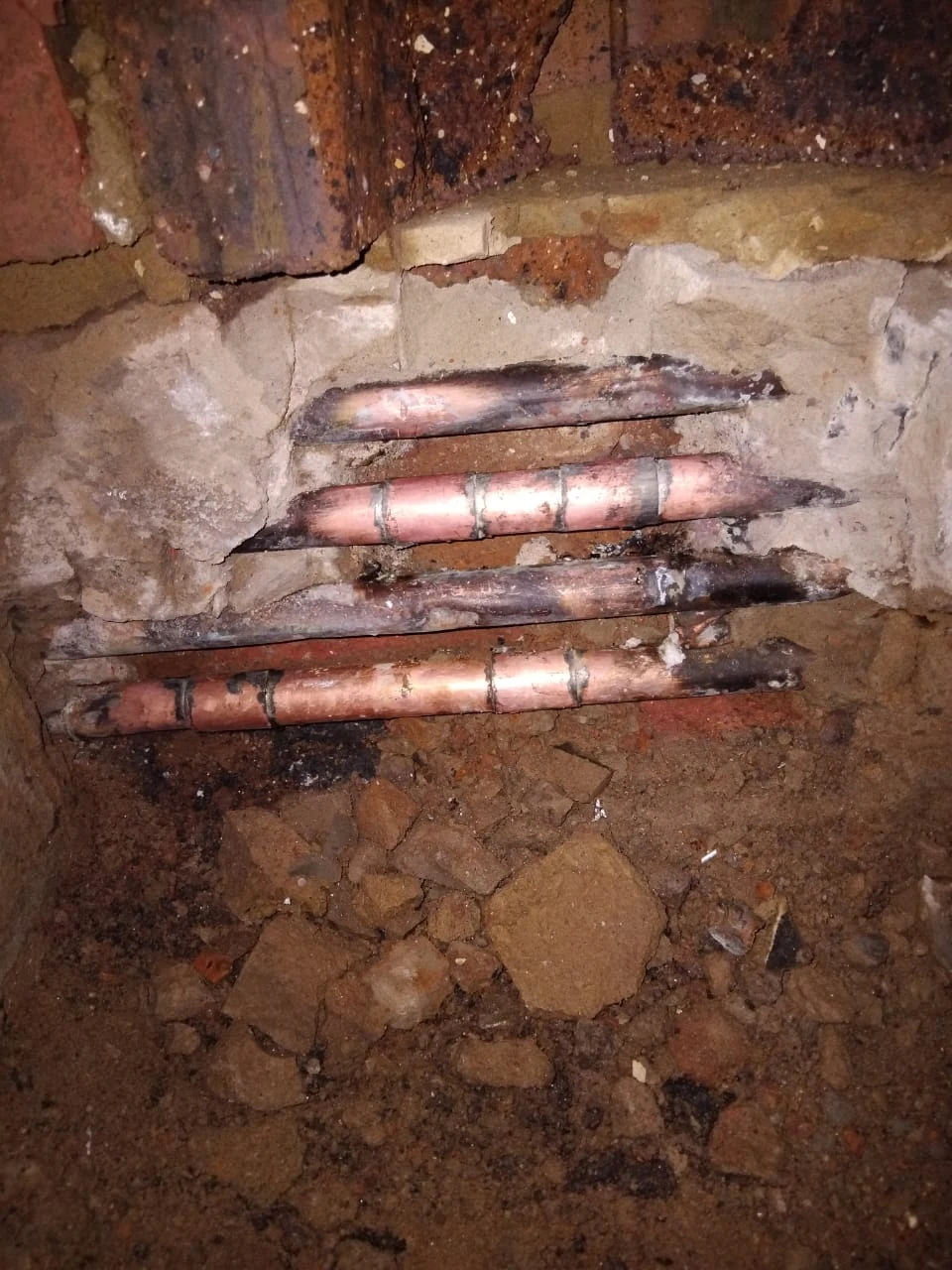
Confirm that the source is isolated and repaired
Do not begin permanent reinstatement until the failed pipe has been repaired, pressure-tested and checked for additional leaks.
Document the damage before major cleanup
Take wide and close photographs of the source, affected rooms, damaged finishes and belongings. Record dates, meter readings and emergency actions.
- Photograph ceilings, walls and floors.
- Keep damaged parts when practical.
- Retain plumbing and drying invoices.
Remove standing water safely
Use buckets, pumps or wet vacuums only where there is no electrical or sewage risk. Large losses may require professional extraction equipment.
Dry hidden spaces, not only visible surfaces
A dry-looking wall can still contain wet insulation or framing. Moisture meters, thermal imaging and controlled airflow help determine whether materials are drying properly.
Decide what can be cleaned and what must be removed
Clean water from a supply pipe is less contaminated than sewage, but materials can still deteriorate. Saturated insulation, swollen boards and mould-affected porous materials may require removal.
Prevent mould growth
Ventilate and dehumidify promptly. Do not simply paint over stains or close a wet cavity. Persistent moisture can lead to odours, mould and indoor air-quality problems.
Check electrical and structural components
Water near lights, sockets, distribution boards or major ceiling collapse should be assessed by appropriate qualified professionals before normal use resumes.
Coordinate plumbing, restoration and insurance
The plumber addresses the pipe. Drying contractors, builders and insurers may handle separate parts of the recovery. Clear reports and photographs help coordinate the process.
Frequently asked questions
How long does a property take to dry? It depends on the volume of water, materials, weather and access. Professional monitoring is more reliable than guessing from surface appearance.
Can I sleep in a room after a burst pipe? Not where there are electrical hazards, unstable ceilings, contamination, strong mould odours or unresolved moisture problems.
Should I throw damaged items away immediately? Photograph them first and follow insurer instructions where a claim may be made.
Need help with water damage after a burst pipe?
Describe the situation around water damage after a burst pipe so we can advise whether a visit or repair is needed.