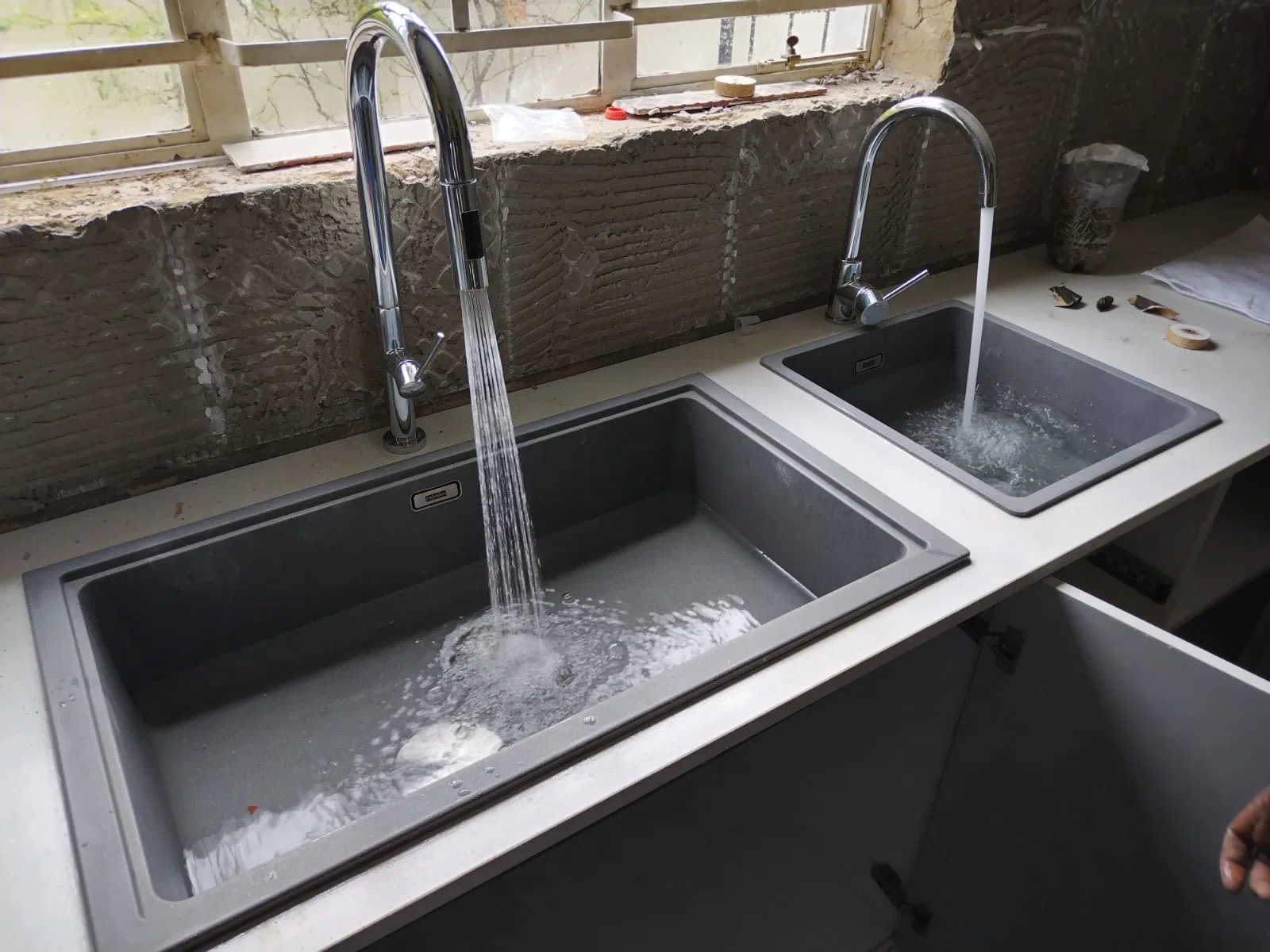
A deeper bowl or a different outlet position can leave less room for the trap. Show the installer the specifications and ask whether the quote includes moving the connections or altering the cabinet.
Start here
Installing a new sink can seem daunting, but with the right preparation and understanding, it can be a straightforward process. Many homeowners hesitate to take on such a project, fearing they might cause more harm than good. However, by breaking down the process and addressing potential concerns, you’ll find that with the right tools and guidance, installing a new sink can be a rewarding DIY project.
Before you begin, it's essential to consider a few factors that could influence your installation. These include the type of sink you're installing, the plumbing layout in your home, and any municipal bylaws that may apply. Understanding these elements will help you make informed decisions and ensure compliance with local regulations.
What could be causing the problem?
When it comes to installing a new sink, it's crucial to first understand the problem you are trying to solve. Are you replacing an old sink that has become worn or damaged? Or are you upgrading your kitchen or bathroom for aesthetic reasons? Identifying your motivation will help shape the installation process and guide your choice of materials.
Additionally, consider the sink's functionality. Will it serve the same purpose as your previous sink, or do you need one with additional features? For instance, a deeper basin might be beneficial for a kitchen sink to accommodate larger pots and pans. Understanding these nuances will lead you to a more satisfying final result.
How to Recognise the Problem
Recognising the need for a new sink can sometimes be straightforward. Signs such as leaks, persistent stains, or a countertop that has seen better days are clear indicators that it may be time for a replacement. Less obvious signs might include dissatisfaction with the sink's size or function, which can be recognised through daily use.
To assess whether your sink truly needs replacing, check for any visible damage or wear. If you notice any rust or corrosion, or if the sink has become difficult to clean, these are signs that a new installation may be necessary. Sometimes, simply upgrading the faucet or adding a new splashback may suffice, so consider your options carefully before committing to a full sink replacement.
Common Causes
There are several reasons homeowners find themselves needing to install a new sink. Age and wear and tear are common culprits—over time, sinks can develop scratches, chips, and stains that detract from their appearance and functionality. Additionally, plumbing issues such as leaks or blockages can necessitate a replacement, especially if they are severe enough to compromise the sink's integrity.
Another common cause is changing needs. As families grow or lifestyles change, the requirements for your sink may shift. You might require a larger basin for meal prep or a different configuration to accommodate new kitchen appliances. Understanding these causes will help you make an informed decision about the best sink for your space.
What You Can Safely Check Yourself
Before diving into the installation process, there are several things you can check yourself to ensure a smooth experience. Start by assessing the space where the sink will be installed. Measure the area to confirm the new sink will fit correctly, accounting for any plumbing fixtures and countertop overhangs.
Next, inspect your existing plumbing. Look for signs of leaks, rust, or damage that may need attention before installing the new sink. Ensure the water supply and drainage lines are in good condition, as this will save you time and hassle later on. If you're comfortable, you can even check the shut-off valves to ensure they function properly, allowing for a clean disconnection of the old sink.
What You Should Never Do
While there are many steps you can take to prepare for your sink installation, there are also some actions you should avoid. First and foremost, never attempt to install a sink without having the proper tools and materials on hand. This may lead to incomplete work or damage to your plumbing system.
Additionally, avoid ignoring municipal bylaws regarding plumbing installations. South African regulations can vary by municipality, and failing to comply may result in fines or complications when selling your home. Always check for any specific requirements or permits needed for your project.
When to Call a Plumber
There are instances when calling a professional plumber is the best course of action. If you're dealing with complex plumbing configurations, such as multiple sinks or extensive piping, or if you're uncomfortable with any aspect of the installation, it’s advisable to seek professional help.
Moreover, if you encounter unexpected issues—such as plumbing leaks that are difficult to locate or repair—it’s best to leave it to the experts. Plumb A Nator has a team of skilled plumbers ready to tackle any complications that arise during your sink installation, ensuring your project is completed correctly and efficiently.
How we can help
At Plumb A Nator, we pride ourselves on providing comprehensive plumbing services that address your specific needs. Our team has extensive experience installing various types of sinks, from standard kitchen models to intricate bathroom designs. We understand the importance of getting the installation right the first time and work diligently to ensure your new sink meets all your expectations.
We start by assessing your space and discussing your requirements, offering expert advice on the best sink options available within your budget. Our team will handle all plumbing connections, ensuring they are secure and compliant with local regulations. With our commitment to quality workmanship and customer satisfaction, you can rest assured that your new sink will serve you well for years to come.
Reducing the chance of another problem
Once your new sink is installed, taking steps to maintain it can prolong its life and prevent future issues. Regular cleaning and proper usage are essential. Avoid using abrasive cleaners or tools that could scratch or damage the surface of your sink. Instead, opt for mild detergents and soft cloths to keep it looking pristine.
Additionally, consider using sink strainers to prevent food debris from clogging your plumbing. Regularly check for leaks and any signs of wear, and address them promptly. Routine maintenance can save you money in the long run and ensure your sink remains functional and attractive.
Frequently Asked Questions
1. How much does it cost to install a new sink in South Africa?
The cost of installing a new sink can vary widely based on the type of sink and the complexity of the plumbing work required. Generally, you can expect to pay between R1,500 to R5,000 for a standard kitchen or bathroom sink installation, excluding the cost of the sink itself. For a precise quote, it’s best to consult with our team at Plumb A Nator.
2. Do I need a permit to install a new sink?
In many cases, a permit is not required for sink installations. However, it’s essential to check with your local municipality for specific regulations. Our team can help navigate any necessary permits or bylaws, ensuring compliance throughout the installation process.
3. How long does it take to install a new sink?
Installation time can vary, but a standard sink installation typically takes between 2 to 4 hours. More complex installations may take longer. Our team will provide you with a timeline based on your specific project needs.
Related Guides
For more information on plumbing issues and solutions, check out our other guides:
- Saving Water at Home
- Old Copper Pipes vs. Modern Plastic Plumbing
- Choosing the Right Sink for Your Home
Need professional plumbing assistance?
Speak directly to our team for practical advice, a free quotation and help arranging the right plumbing service.