
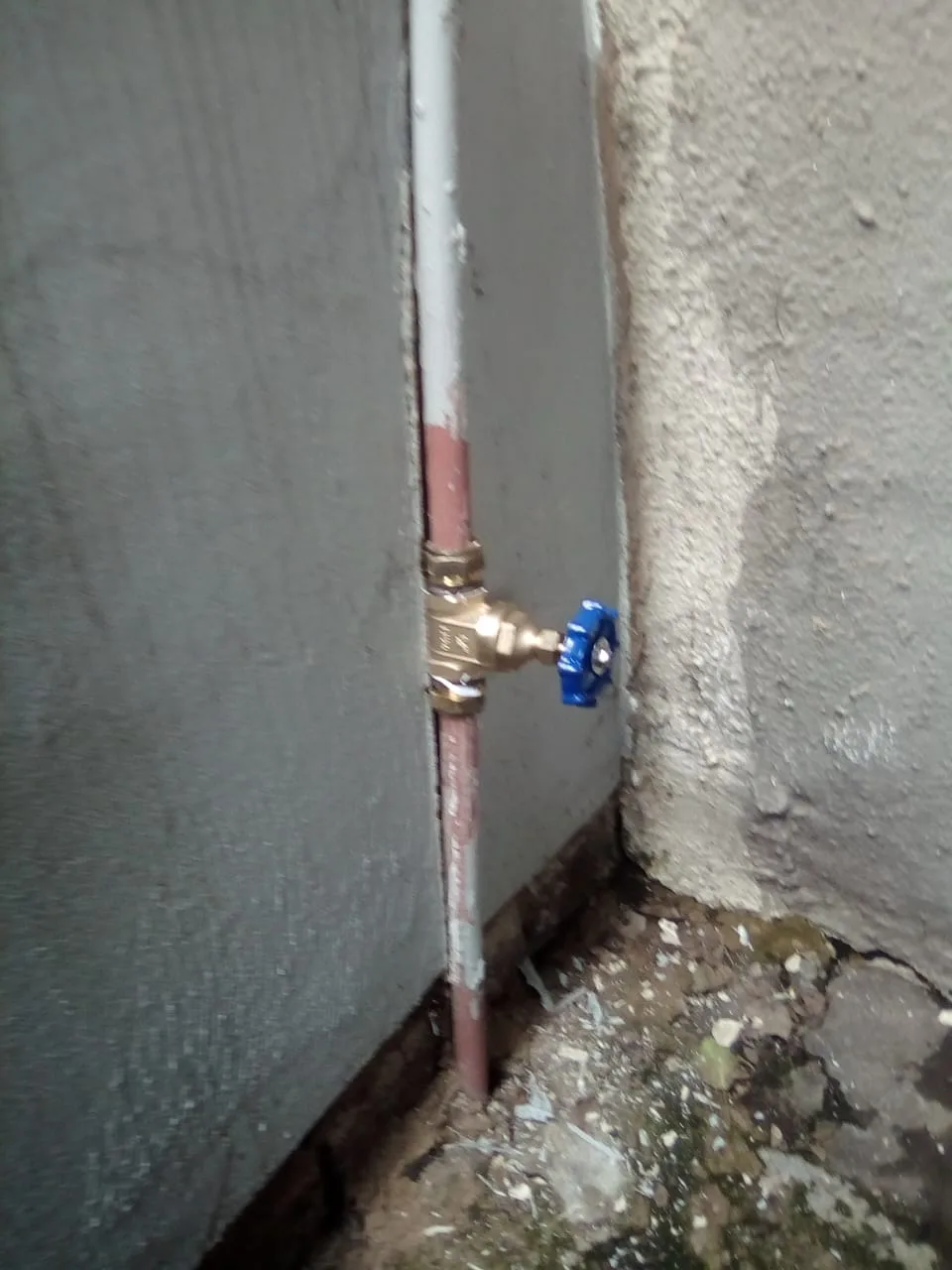
If there’s a leak, only turn off the water if the shut-off is safe to reach. When you call, say where the water appeared and whether it is still spreading.
Start here
In a world where plumbing issues can arise unexpectedly, it’s easy to panic at the first sign of trouble. However, before you dive into a state of concern, take a moment to assess the situation. Most plumbing problems are not as dire as they appear, and many can be addressed with simple solutions. Understanding the nature of your plumbing issue can save you time, money, and unnecessary stress.
One of the first steps is to remain calm. Many homeowners may feel overwhelmed when faced with a leaking tap or a clogged drain. Take a deep breath and evaluate the situation logically. Is the problem something that can be temporarily managed? Often, a little patience and observation can reveal whether professional assistance is truly needed.
What you need to know
Plumbing encompasses a wide range of systems and fixtures that are essential to our daily lives. From the water supply and drainage systems to appliances that utilise water, understanding the basics of plumbing can empower homeowners to make informed decisions. Key components include pipes, faucets, toilets, and water heaters, all of which can develop issues over time.
In South Africa, where water scarcity is a pressing issue, recognising the importance of efficient plumbing is crucial. Problems can arise from various sources, including wear and tear, corrosion, and even load shedding, which can impact water pressure and availability. Understanding these factors can help you better identify the nature of a plumbing issue and whether immediate action is required.
Common Questions
Before reaching out to a plumber, it’s helpful to consider some common questions that may guide your assessment of the situation:
- Is the issue urgent? If you are experiencing a major leak or sewage backup, it’s likely time to call a professional. However, minor leaks or slow drains may not require immediate action.
- What signs indicate a plumbing problem? Look for water stains on walls or ceilings, unusual noises from pipes, or a sudden increase in your water bill.
- Have I tried troubleshooting? Simple solutions, such as clearing a clogged drain with a plunger or checking for loose fittings, may resolve the issue without the need for professional intervention.
What You Can Safely Check Yourself
Before calling in the experts, there are a few checks you can perform yourself. These tasks are relatively simple and can often help you determine the seriousness of the issue:
- Check for visible leaks: Inspect under sinks, around toilets, and near water heaters for any signs of moisture. If you see water pooling, it may indicate a leak that needs attention.
- Test your water pressure: If your water flow seems weak, check if it’s consistent throughout your home. If only one tap is affected, the problem may be isolated to that fixture.
- Examine your drains: If water is draining slowly, try using a plunger or a drain cleaner. Be cautious with chemical cleaners, as they can sometimes damage pipes.
- Inspect your water heater: Look for any signs of rust or leaks around the base. If your heater is older than 10 years, consider its overall condition and efficiency.
What You Should Never Do
While there are many checks you can undertake yourself, there are also actions you should avoid to prevent further damage or complications:
- Don’t ignore the problem: A minor leak can quickly escalate into a more serious issue if left unchecked. It’s essential to address plumbing concerns promptly.
- Never use excessive force: When attempting to unclog a drain, applying too much force can damage pipes or fixtures. Always use appropriate methods that won’t cause harm.
- Avoid DIY solutions for major issues: If you suspect a significant plumbing problem, such as a burst pipe or sewer backup, it’s best to call a professional immediately rather than trying to fix it yourself.
When to Call a Plumber
Knowing when to call a plumber is crucial for effective home maintenance. Here are some scenarios that warrant professional intervention:
- Persistent leaks: If you have a leak that continues despite your best efforts to fix it, a plumber can identify the source and implement a permanent solution.
- Low water pressure: A sudden drop in water pressure can indicate a larger issue, such as a pipe break or blockage that requires professional expertise.
- Clogged drains: If plunging and drain cleaning solutions don’t work, it’s time to call in a professional to investigate further.
- Water heater issues: If your water heater is not functioning correctly, it may need repairs or replacement, which is best handled by a qualified plumber.
How our plumbers help
At Plumb A Nator, we understand the complexities of plumbing issues and the importance of addressing them promptly. Our team of skilled professionals is equipped to handle a wide range of plumbing problems, from minor repairs to major installations. We pride ourselves on our commitment to quality service and customer satisfaction.
When you contact our team, we will assess your situation thoroughly and provide you with a clear understanding of the work required. Our transparent pricing ensures that you know what to expect, allowing you to make informed decisions about your plumbing needs. Whether you are facing a leaking tap, a burst pipe, or a malfunctioning water heater, Plumb A Nator is here to help.
Planning Ahead
Being proactive about your plumbing can save you time, money, and hassle in the long run. Regular maintenance checks and timely repairs can prevent minor issues from escalating into major problems. Here are some tips for planning ahead:
- Schedule regular inspections: Conducting routine plumbing inspections can help identify potential issues before they become costly repairs. Consider scheduling these checks annually.
- Know your plumbing system: Familiarise yourself with your home’s plumbing layout, including the location of shut-off valves and the condition of pipes. This knowledge can be invaluable in emergencies.
- Invest in quality fixtures: Upgrading to high-quality plumbing fixtures can enhance efficiency and reduce the likelihood of future issues. Consider options that align with South Africa’s municipal bylaws and SANS standards.
Your questions answered
What should I do before calling a plumber?
Stay calm, isolate water if safe, move valuables, note symptoms, take photos and prepare access details.
Should I always turn off the main water?
If water is flowing or damage is spreading and you can reach the stopcock safely, isolating supply limits loss.
What details help the call go faster?
Suburb, urgency, which fixtures are affected, when it started, isolation status and clear photos or short video.
What can I safely check myself?
Visible leaks, whether only one fixture is affected, basic stopcock location and whether a local isolator works.
What should I never do while waiting?
Do not force seized valves, pour harsh chemicals into blocked lines, or attempt major repairs without skill.
When is it an emergency rather than a normal call?
Uncontrolled leaks, sewage backup, water near electricity or rapidly spreading ceiling/floor damage.
Do I need to clear access first?
Yes. Clear paths to the problem area, stopcock and relevant cupboards so work can start promptly.
Can neighbours help diagnose municipal issues?
If others on the street have no water, the cause may be municipal rather than a private pipe fault.
Should I photograph the water meter?
If safe, a meter reading with all fixtures off can help show ongoing consumption from a hidden leak.
Can Plumb A Nator guide me before arrival?
Yes. Call 067 657 6109 with symptoms for practical triage across Gauteng.
Need professional plumbing assistance?
Speak directly to our team for practical advice, a free quotation and help arranging the right plumbing service.