
In a complex, an accessible valve may serve one unit or more than one property. Ask the manager or plumber which valve you can use. If it is seized or unsafe to reach during a leak, get help.
Start here
One of the most daunting experiences for any homeowner is the sudden awareness of a plumbing issue, especially concerning the main water valve. Before you enter a state of panic, it’s vital to understand that not all problems necessitate immediate action. Your main water valve is crucial for controlling the water supply to your home, but in many cases, the situation can be assessed and resolved without major intervention. Taking a moment to breathe and gather information can be the first step in effectively managing your plumbing concerns.
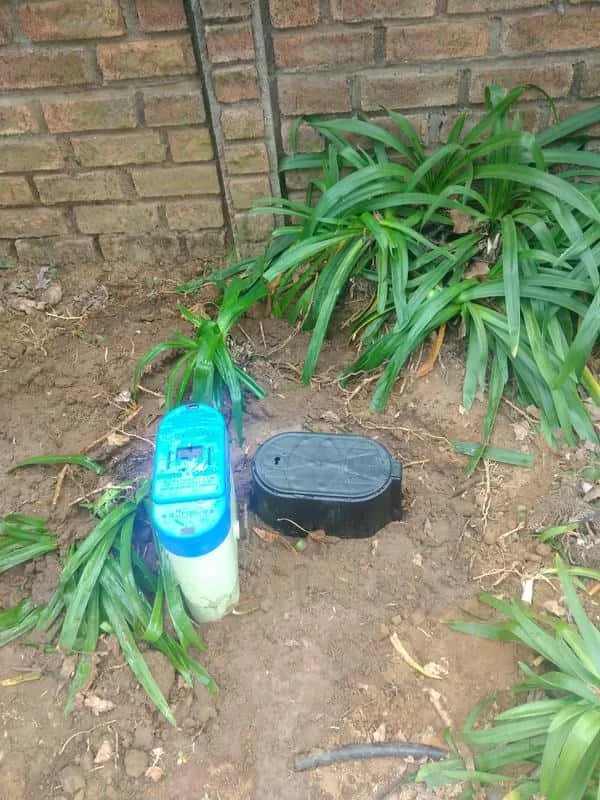
What could be causing the problem?
The main water valve serves as the gateway for municipal water to enter your home. Its proper functioning is essential for maintaining water pressure and ensuring that your plumbing system operates smoothly. Problems with the main valve can lead to serious issues, including leaks, reduced water pressure, or even complete loss of water supply. Understanding the function of your main water valve and recognising its potential problems is key to preventing significant plumbing emergencies.
How to Recognise the Situation
Recognising that there is an issue with your main water valve can save you time and money. Common signs include unusual noises from the plumbing system, fluctuating water pressure, visible leaks near the valve, or water pooling in your yard. If you notice any of these symptoms, it’s crucial to investigate further. Keep in mind that some issues may manifest subtly; even a slight decrease in water pressure can indicate a problem with your main valve.
Common Causes
Several common issues can arise with your main water valve. One frequent culprit is corrosion, particularly in older homes with metal piping. Over time, valves can rust or accumulate mineral deposits, leading to blockages or leaks. Additionally, physical damage due to external factors, such as ground movement or heavy machinery, can also impact the valve’s integrity. In some cases, improper installation or wear and tear from regular use may cause mechanical failures.
Moreover, load shedding can exacerbate plumbing issues. When power is cut off, water pumps may not operate effectively, leading to pressure fluctuations. Understanding these potential causes can help you identify and respond to problems more effectively.
What You Can Safely Check Yourself
Before calling a plumber, there are a few basic checks you can perform yourself to assess the situation. Firstly, locate your main water valve; it is often found near the perimeter of your home or in the basement. Ensure that it’s fully opened; sometimes, it can become inadvertently closed or partially shut. Next, inspect the area around the valve for any visible leaks or corrosion signs. If you notice rust or water pooling, this could indicate a problem.
Another simple check involves turning on taps within your home to see if there's a significant drop in water pressure. If all taps are affected, it likely points to an issue with the main valve. However, if only certain areas are impacted, the problem may lie within your internal plumbing system.
What You Should Never Do
While some checks are safe for homeowners, there are also actions you should avoid to prevent exacerbating the problem. Never attempt to force the valve open or closed if it seems stuck; this may cause further damage. Additionally, avoid using excessive force or tools on the valve, as this can lead to breakage or leaks. If you suspect that the valve is damaged or malfunctioning, do not attempt to repair it yourself, especially if you are not familiar with plumbing systems. In these cases, it’s always best to consult a professional.
When to Call a Plumber
Knowing when to call a plumber can save you from costly repairs down the line. If you have performed preliminary checks and still notice issues such as persistent leaks, significant drops in water pressure, or if the valve seems damaged, it's time to reach out to our team at Plumb A Nator. Additionally, if you are unsure about the state of your plumbing or if you encounter any unusual behaviour from your water supply, do not hesitate to seek professional help. Ignoring these signs can lead to larger, more expensive problems in the future.
How we can help
At Plumb A Nator, our team of experienced professionals is equipped to handle any issue related to your main water valve. We conduct comprehensive assessments to determine the root cause of the problem, utilising advanced tools and techniques to ensure accurate diagnosis. Whether it’s a simple repair or a complete replacement, our team is dedicated to providing reliable solutions tailored to your specific needs. We also ensure compliance with municipal bylaws and SANS standards, giving you peace of mind that your plumbing is in good hands.
Reducing the chance of another problem
Preventive maintenance is crucial in avoiding future issues with your main water valve. Regular inspections are recommended, ideally once a year, to check for signs of wear and tear. Ensure that the area around your valve is clear of debris and that no heavy items are placed nearby that could cause damage. Additionally, consider installing a water pressure regulator if you live in an area prone to high water pressure, as this can extend the life of your plumbing system.
Furthermore, staying informed about load shedding schedules and water supply changes can help you prepare and mitigate potential problems. For deeper insights into water conservation and plumbing maintenance, explore our guide on Saving water at home.
Frequently Asked Questions
Q: How often should I check my main water valve?
A: It’s advisable to inspect your main water valve at least once a year to ensure it’s functioning properly. Regular checks can help catch problems early.
Q: What should I do if I cannot locate my main water valve?
A: If you’re unable to find your main water valve, refer to your property’s plumbing plans or consult with a professional plumber who can assist you in locating it.
Q: Can I replace the main water valve myself?
A: While it’s possible for experienced DIY enthusiasts to replace a main water valve, it’s recommended to hire a professional plumber to ensure proper installation and compliance with local regulations.
Related Guides
For further information on plumbing maintenance and improvements, check out our related guides:
- Saving water when you have a plumbing emergency
- Old Copper Pipes vs Modern Plastic Plumbing
- How to Fix Leaky Pipes
Need professional plumbing assistance?
Speak directly to our team for practical advice, a free quotation and help arranging the right plumbing service.
Your questions answered
Where is the main water valve usually located?
Often near the municipal meter, at the boundary, or just inside the property where the supply enters the house.
How often should I check the main valve?
At least once a year. Confirm it still turns and is not seized, leaking or corroded.
What if I cannot find the main valve?
Check boundary boxes and entry points. If it is still unclear, a plumber can locate and label it for future emergencies.
Should I force a stuck valve?
No. Forcing a seized valve can break it and cause a major leak. Call a professional.
Can I replace the main valve myself?
Only if you are competent and the isolation is safe. Most homeowners should use a qualified plumber so supply can be shut correctly and the joint tested.
Why is whole-house pressure low?
A partially closed, blocked or failing main valve can reduce pressure to every fixture. Internal issues usually affect only some outlets.
What are signs the valve is failing?
Visible leaks, corrosion, inability to close fully, or pressure that does not recover after the valve is opened.
When should I call a plumber urgently?
If the valve will not close during a leak, is spraying, or isolation is needed and the valve is inaccessible or seized.
Does load shedding affect the main valve?
The valve itself is mechanical, but electric pumps downstream can stop, changing pressure behaviour during outages.
Can Plumb A Nator help with main valve problems?
Yes. Contact the team to locate, free, repair or replace isolation valves and test the supply.