To estimate the loss, compare meter readings over a period when no water is deliberately used. Note automatic equipment that may refill or run during that period, and record the times alongside the readings.
Start here
Leaks are often easy to ignore at first. A drip here and a trickle there may seem insignificant in the grand scheme of things, but the reality is that even small leaks can accumulate to cause significant water waste over time. In South Africa, where water scarcity is a growing concern, every drop counts. Before you panic about the potential waste, let’s take a moment to consider the scale of the issue and what it might mean for your household.
Understanding the impact of a leak requires a bit of perspective. A single dripping tap can waste litres of water daily, leading to increased utility bills and contributing to the overall strain on our water resources. It’s essential to assess the situation calmly and determine a course of action that protects both your finances and the environment.
What you need to know
Water leaks can occur in various places within your plumbing system, from taps and toilets to pipes and hoses. The amount of water wasted depends on the type and severity of the leak. For instance, a slow drip from a faucet might waste around 3 litres per day, while a more significant leak in a pipe could waste hundreds of litres daily.
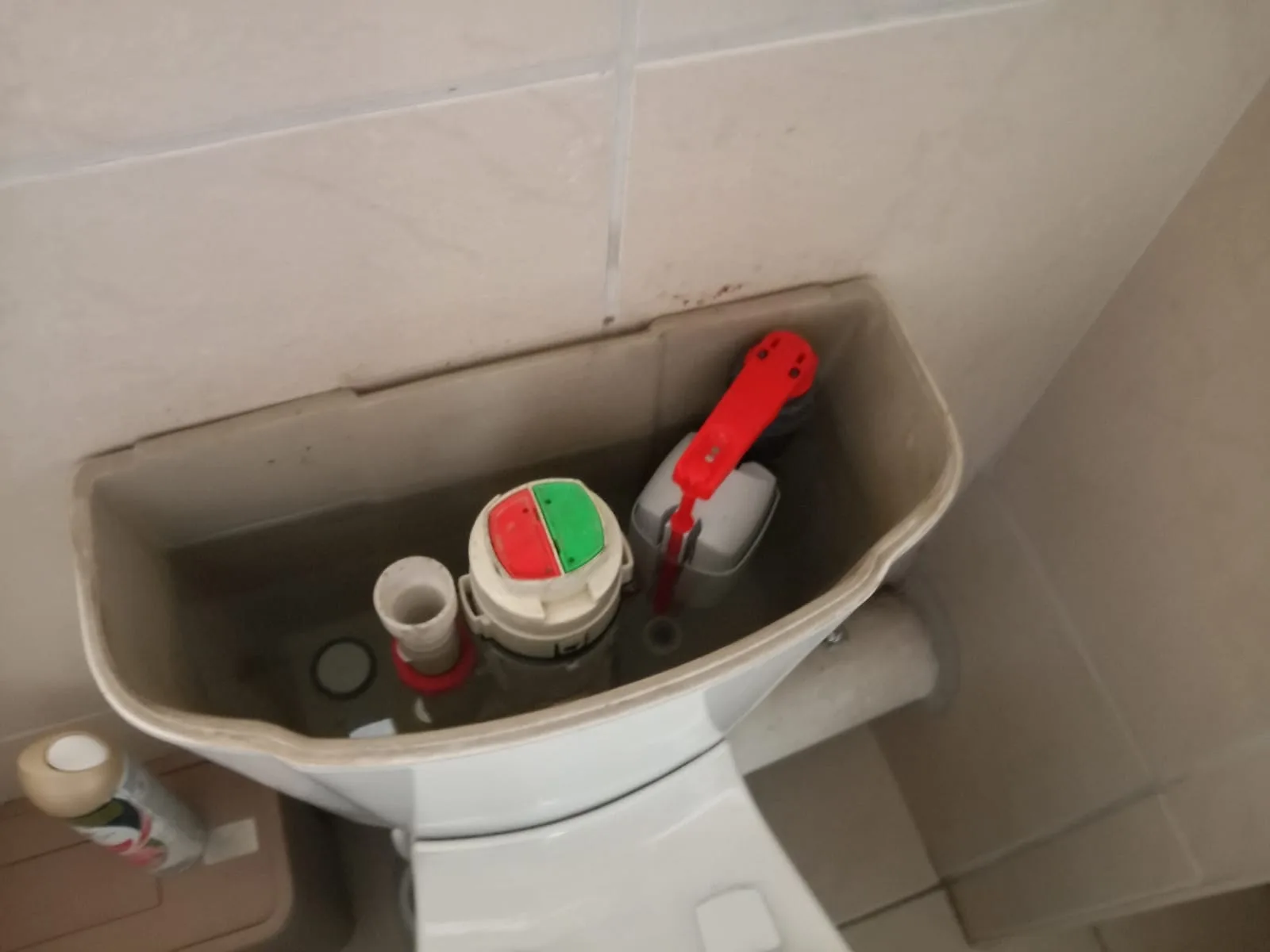
To put this into perspective, let’s consider a common scenario: a leaking toilet. A toilet that leaks at a rate of 1 litre per minute can waste over 1,440 litres in a single day! This not only impacts your water bill but also adds unnecessary stress to the municipal water supply. In South Africa, where municipalities are already grappling with water shortages, every litre wasted exacerbates the problem.
Common Questions
How much water can a leak waste in a year?
The annual waste from a leak can be staggering. For example, a small leak of just 1 drip per second can lead to approximately 30,000 litres of water wasted over a year. This is enough to fill a small swimming pool! Larger leaks can waste even more, leading to significant costs on your water bill and increased environmental impact.
What are the signs of a leak?
Common signs of a leak include an unexplained spike in your water bill, the sound of running water when no fixtures are in use, damp patches on walls or ceilings, or a musty smell in areas where water damage may have occurred. Keeping an eye out for these signs can help you catch leaks early before they escalate.
What You Can Safely Check Yourself
Before calling in a professional, there are a few simple checks you can perform to identify potential leaks. These include:
- Inspecting Your Meter: Turn off all taps and water-using appliances in your home, then check your water meter. If the meter is still running, you likely have a leak.
- Checking Taps and Faucets: Look for any visible drips or leaks around the base or spout of your taps. Even minor leaks can indicate a need for repair.
- Examining Toilets: Add a few drops of food colouring to the toilet tank and wait about 30 minutes. If the colour appears in the bowl, you have a leak.
These basic checks can save you time and money, allowing you to address leaks before they become more serious issues.
What You Should Never Do
While it’s important to be proactive about leaks, there are certain actions you should avoid. These include:
- Ignoring the Problem: Putting off repairs can lead to more extensive damage and higher costs in the long run.
- Using DIY Fixes Without Knowledge: Some leaks may require specific expertise. Using inappropriate materials or methods can exacerbate the issue.
- Neglecting to Turn Off the Water Supply: If you suspect a significant leak, always turn off your water supply before attempting any repairs to prevent further waste and damage.
Being mindful of these points can help you manage leaks more effectively and prevent unnecessary stress.
When to Call a Plumber
It’s essential to know when to call a professional plumber. If you notice any of the following, it’s time to get expert help:
- Persistent Leaks: If you’ve tried to fix a leak but the problem persists, a plumber can identify and rectify the underlying issue.
- Hidden Leaks: If you suspect a leak behind walls or underground, professional equipment is necessary for proper detection.
- Water Damage: If there are signs of significant water damage, such as mould or structural issues, a plumber can assess and repair the situation safely.
Our team at Plumb A Nator is equipped to handle any leak-related issue, ensuring your plumbing system is functioning as it should.
How our plumbers help
At Plumb A Nator, we understand the urgency and stress that leaks can cause. Our qualified plumbers are experienced in diagnosing and fixing leaks of all types. We use advanced technology to detect hidden leaks and provide long-lasting solutions to prevent future issues.
We also offer preventative maintenance services, helping you stay ahead of potential plumbing problems. Regular inspections can identify potential leaks before they turn into costly repairs and help optimise your water usage. Contact us for more information on our services and how we can assist you.
Planning Ahead
Planning for potential leaks involves both proactive and reactive strategies. Regular maintenance checks on your plumbing system can help identify wear and tear before it becomes problematic. Additionally, consider upgrading to water-saving plumbing fixtures that are less prone to leaks and help conserve water.
Being informed about your municipal water regulations can also help you stay compliant with local bylaws. With ongoing concerns over water scarcity in South Africa, having an understanding of the legalities surrounding water usage and plumbing can keep your household within guidelines while promoting responsible water use.
Your questions answered
How much water can a small drip waste?
Even a slow drip can waste litres every day. Over a year that becomes a large volume and a higher bill.
How much can a leaking toilet waste?
A continuous toilet leak can waste well over a thousand litres in a day if the rate is high. Colour tests help confirm it.
What are common signs of a leak?
Unexplained bill spikes, meter movement with everything off, running water sounds, damp patches and musty smells.
How do I check the meter for a leak?
Turn off all fixtures and appliances, then watch the meter. Continued movement suggests a leak on the property side.
Can I test a toilet for a silent leak?
Yes. Food colouring in the cistern that appears in the bowl without flushing points to a leaking flush valve or seal.
What should I never do with a suspected major leak?
Do not ignore it, do not leave the supply open if isolation is possible, and avoid risky DIY on main lines or concealed pipes.
When should I call a plumber for water waste?
When the meter keeps moving, bills jump, damp spreads, or you cannot find a safe isolation point.
Does fixing small leaks really save money?
Yes. Continuous small losses add up on the bill and can lead to secondary damage that costs far more than the repair.
How can I reduce future leak waste?
Maintain fixtures, replace worn washers and cistern parts early, and schedule checks on older pipework.
Can Plumb A Nator help find hidden water waste?
Yes. Contact the team for leak checks and repairs so waste and secondary damage can be stopped early.
Need professional plumbing assistance?
Speak directly to our team for practical advice, a free quotation and help arranging the right plumbing service.