
Tell the plumber whether damp appears after someone showers, when the bath empties, or even when the room hasn’t been used. That helps distinguish a supply leak from a waste connection or an issue around the shower.
Start here
Discovering a leak in your bathroom can be a cause for concern, but before you panic, it's essential to take a step back and assess the situation. Not all signs of moisture or water damage indicate a severe plumbing issue. Sometimes, they may merely point to minor condensation or temporary environmental factors. It is advisable to monitor the situation for a short period before calling a professional. Understanding the initial signs of a leak can help you differentiate between a simple issue and a potentially costly repair. This article will guide you through the various aspects of bathroom leak detection, equipping you with the knowledge needed to manage the situation effectively.
What could be causing the problem?
Leaks in bathrooms can arise from various sources, and their implications can range from minor inconveniences to significant structural damage. Understanding the potential issues associated with bathroom leaks is crucial for homeowners. A leak not only increases your water bill but can also lead to mould growth, damage to walls and flooring, and in severe cases, compromise the integrity of your home's structure. In South Africa, where water is a precious resource, it is imperative to address leaks promptly to conserve water and adhere to municipal bylaws regarding water usage. The SANS (South African National Standards) outlines regulations that guide plumbing processes, including leak detection and repair. Understanding these standards can help you appreciate the importance of timely leak detection and the potential impact of neglecting the issue.
How to Recognise the Problem
Recognising a leak early can save you time, money, and stress. Look out for the following signs that indicate a possible leak in your bathroom:
- Unexplained Water Puddles: Any standing water on the floor, around the toilet, or near the shower should raise a red flag.
- Water Stains: Discolouration on walls or ceilings below the bathroom may indicate a leak.
- Increased Water Bills: A sudden spike in your municipal water bill without a change in usage habits can signal a leak.
- Mould or Mildew: The presence of mould or mildew in your bathroom can indicate persistent moisture due to a leak.
By paying attention to these signs, you can take action early, potentially preventing more extensive damage and costly repairs.
Common Causes
Bathroom leaks can stem from various sources, and understanding these can help you identify the issue more quickly. Here are some common causes:
- Faulty Faucets and Showerheads: Over time, washers and seals can wear out, leading to drips or leaks.
- Toilet Issues: Leaks can occur at the base of the toilet or from the tank due to faulty seals.
- Pipe Corrosion: Ageing pipes, especially in older homes, can corrode and develop leaks.
- Cracked Tiles or Grout: Damage to tiles or grout can allow water to seep through, leading to leaks.
- Shower Pan Failure: If the shower pan is cracked or improperly installed, it can cause water to leak into the subfloor.
By understanding these common causes, you can better assess your bathroom's condition and determine whether a professional inspection is necessary.
What You Can Safely Check Yourself
Before calling in the experts, there are several checks you can perform yourself to identify the source of a leak:
- Inspect Plumbing Fixtures: Check under sinks, around the toilet, and behind the bath or shower for any visible signs of leaks.
- Test the Toilet: Add a few drops of food colouring to the toilet tank. If the colour appears in the bowl after about 30 minutes, you have a leak.
- Check Water Pressure: If you notice a decrease in water pressure, it could indicate a leak somewhere in your plumbing system.
- Look for Mould: Inspect corners and crevices for mould growth, which may indicate a hidden leak.
Taking these steps can help you identify the problem and determine whether it requires professional intervention.
What You Should Never Do
While it's essential to be proactive about leak detection, there are certain actions that you should avoid:
- Do Not Ignore the Signs: Ignoring leaks can lead to more significant damage and costly repairs down the line.
- Avoid DIY Repairs Without Knowledge: Attempting to fix plumbing issues without understanding the mechanics can exacerbate the problem.
- Do Not Use Excessive Force: Forcing pipes or fittings can cause further damage. Handle plumbing components with care.
- Don’t Delay in Calling a Professional: If you suspect a significant leak, it’s best to call a plumber sooner rather than later.
By avoiding these pitfalls, you can better manage the situation and maintain the integrity of your plumbing system.
When to Call a Plumber
Knowing when to call a plumber is crucial in managing bathroom leaks effectively. If you've conducted your checks and still cannot find the source of the leak or if the problem appears to be worsening, it’s time to seek professional help. Additionally, consider calling a plumber if you notice:
- Continuous Water Accumulation: If water continues to pool despite your efforts to dry it up, it’s a sign of a more significant issue.
- Structural Damage: If you observe damage to the walls, floors, or ceilings that could indicate extensive water intrusion, contact a professional.
- Unusual Noises: Sounds of running water when no fixtures are in use could indicate a hidden leak.
- Rust or Corrosion: Signs of rust on pipes or plumbing fixtures can indicate deterioration that requires immediate attention.
Our team at Plumb A Nator is trained to handle all plumbing issues, ensuring your leak is resolved quickly and efficiently.
How we can help
At Plumb A Nator, we understand the urgency of addressing leak issues in your bathroom. Our experienced professionals employ advanced leak detection methods, including thermal imaging and moisture meters, to accurately pinpoint the source of leaks. Once identified, we offer tailored solutions based on the specific problem, whether it involves replacing fixtures, repairing pipes, or improving drainage systems.
Our commitment to customer satisfaction means we keep you informed throughout the process, ensuring you understand the work being done and why it’s necessary. We adhere to local regulations and SANS standards, providing peace of mind along with our reliable services.
Reducing the chance of another problem
Preventing future leaks is as important as addressing current ones. Here are some steps you can take to minimise the risk of leaks in your bathroom:
- Regular Maintenance: Schedule routine plumbing inspections to catch potential issues before they become significant problems.
- Upgrade Fixtures: Consider investing in modern, water-efficient fixtures that are less prone to leaks.
- Seal Grout and Tiles: Regularly seal grout and tiles to prevent water intrusion, particularly in wet areas.
- Monitor Water Usage: Keep an eye on your water bill for any unexplained increases, which can indicate leaks.
By staying proactive, you can protect your home from future plumbing issues and conserve water effectively.
Frequently Asked Questions
How can I tell if my toilet is leaking?
One way to check for a leaking toilet is to add food colouring to the tank. If the colour seeps into the bowl after about 30 minutes, it indicates a leak.
What should I do if I suspect a leak but can’t find it?
If you suspect a leak but can’t locate it, it’s best to call a professional plumber. They have the tools and expertise to detect hidden leaks accurately.
How much does leak detection typically cost in South Africa?
The cost for leak detection services in South Africa can vary based on the complexity of the issue but typically ranges from R500 to R2,500. It’s always best to get a quote from a reputable plumber.
Can I prevent leaks by using less water?
While using less water can reduce the risk of leaks by decreasing wear and tear on plumbing fixtures, regular maintenance and inspections are still essential for preventing leaks.
Related Guides
- Water Saving Tips for Your Home
- Plumbing Maintenance Checklist
- Understanding SANS Plumbing Standards
Need professional plumbing assistance?
Speak directly to our team for practical advice, a free quotation and help arranging the right plumbing service.
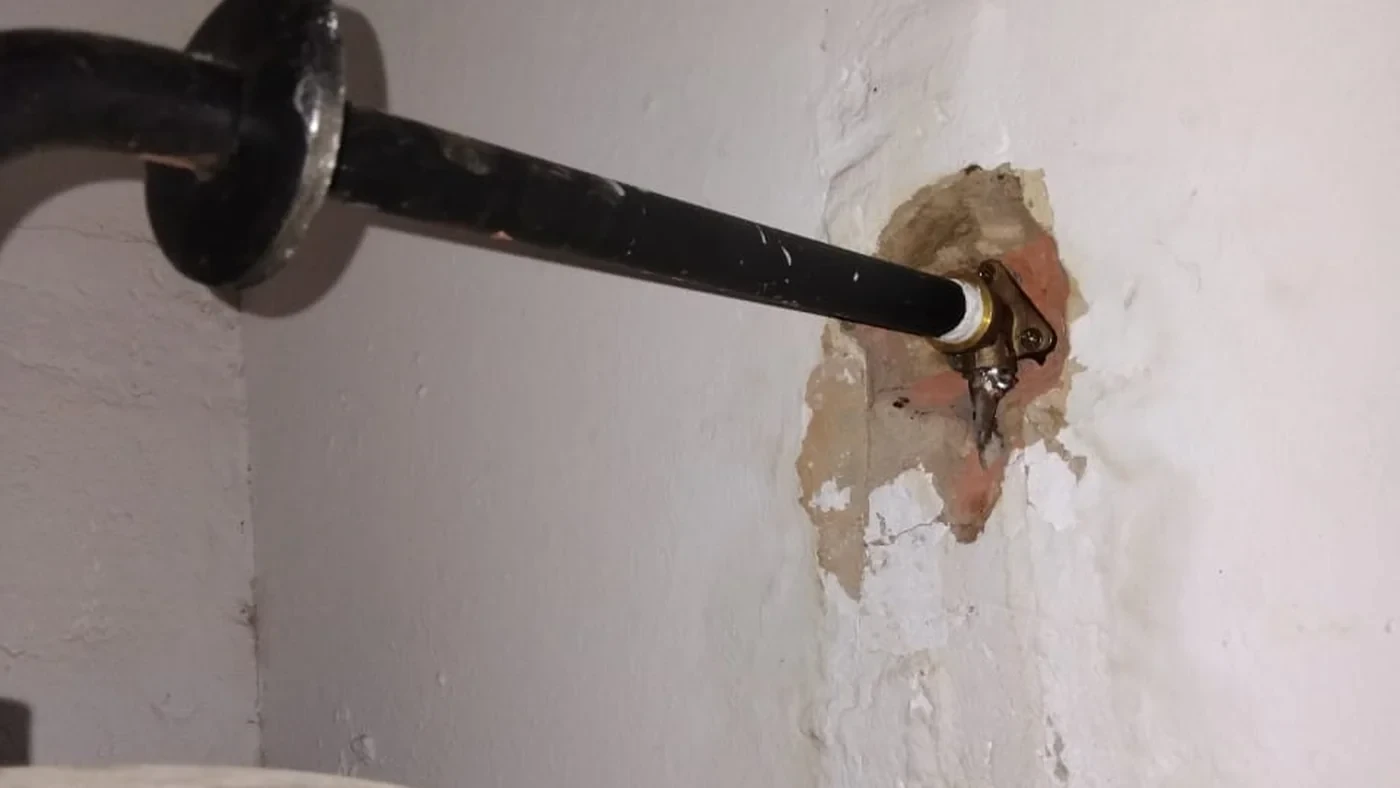
Tracing a shower leak back to its wall connection
We opened the wall connection during this shower leak repair. Water around a cover plate can come from the threaded pipe joint behind it, so covering the stain with sealant can leave the fault running inside the wall. We trace the source, repair the connection and check it with the shower running before arranging the agreed plaster, waterproofing or tile reinstatement.